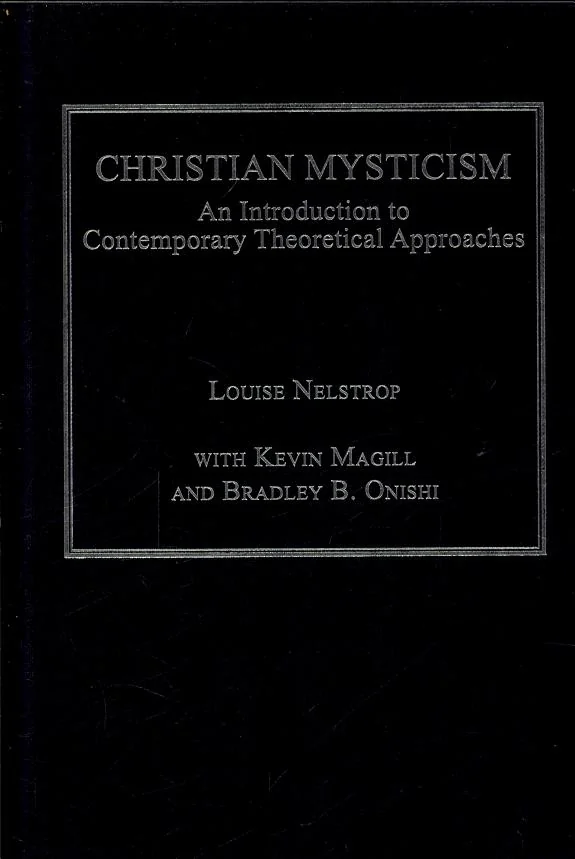
Christian Mysticism
 75
75

Christian Mysticism
Nelstrop, Magill, and Onishi's *Christian Mysticism* offers a commendable and accessible entry point into a vast spiritual tradition. Its strength lies in its balanced approach, presenting historical developments alongside modern critical perspectives, which avoids hagiography and encourages analytical engagement. The inclusion of discussions on figures like Pseudo-Dionysius the Areopagite and the concept of *apophatic theology* demonstrates a commitment to academic rigor. However, the text occasionally feels more like a survey than a deep dive, particularly when covering the medieval period, where the sheer volume of material necessitates brevity that can sometimes feel rushed. A more extended analysis of the reception of Meister Eckhart's writings in the 20th century, for instance, would have provided richer context for modern interpretations. Despite this, the book serves its introductory purpose effectively, providing a solid foundation for further study. It is a valuable resource for students and seekers wanting to understand the contemplative heart of Christianity.
📝 Description
75
Published in 2009, Christian Mysticism surveys contemplative traditions within Christianity, engaging contemporary scholarly debates.
Christian Mysticism, by Louise Nelstrop, Kevin J. Magill, and Bradley B. Onishi, offers a survey of Christian contemplative traditions that goes beyond simple history. The book engages with modern scholarly discussions about mystical experience and theology. Its goal is to give students and general readers a basic understanding of how Christian mystics sought direct experience of the divine.
This work is mainly for academic use, serving as an introduction for university courses on Christian theology, religious studies, and mysticism. It will also interest lay readers with some background in Christian history or comparative spirituality who want a structured look at mystical thought. Those interested in the historical background of Christian contemplative practices will find it useful.
The early 21st century saw renewed interest in historical spirituality, including Christian mysticism. This period featured critical examination of theological ideas, often using post-structuralist and phenomenological methods. The book comes from a scholarly environment that sought to reassess Christianity's mystical heritage not just as historical artifacts but as actual spiritual resources. It addresses a field where scholars like Bernard McGinn had already significantly advanced the study of Christian mysticism.
This book situates itself within the study of Christian mysticism, a tradition that emphasizes direct, personal experience of the divine over purely intellectual assent. It examines historical figures and movements seeking union with God through prayer, contemplation, and ascetic practices. The work acknowledges the scholarly re-evaluation of these practices in the early 21st century, moving them from historical curiosities to potentially vital spiritual paths. It touches on concepts like deification and apophatic theology, which are central to understanding the esoteric aims of Christian spiritual practitioners.
💡 Why Read This Book?
• Gain an understanding of *apophatic theology* and its role in Christian contemplative practice, learning how this method differs from positive theological statements. • Explore the historical development of Christian mysticism from the early Church Fathers to the Middle Ages, with specific attention to key figures and movements discussed in the text. • Engage with modern critical interpretations of Christian mystical texts, understanding how contemporary scholarship analyzes these traditions beyond purely historical or devotional lenses.
⭐ Reader Reviews
Honest opinions from readers who have explored this book.
❓ Frequently Asked Questions
What is the historical period covered by Christian Mysticism?
The book traces Christian mystical traditions from the early Church Fathers, through the flourishing Middle Ages, and into modern critical responses. It highlights developments and key figures across several centuries of Christian history.
Who are some of the key figures discussed in Christian Mysticism?
The work references influential figures such as the Desert Fathers, Pseudo-Dionysius the Areopagite, and medieval mystics like Meister Eckhart, examining their contributions to Christian contemplative thought.
What does 'apophatic theology' mean in the context of this book?
Apophatic theology, also known as negative theology, is a core concept discussed. It refers to a way of approaching God by emphasizing what God is *not*, rather than what God is, through negation and silence.
How does this book approach modern interpretations of mysticism?
It introduces students to modern critical responses, analyzing Christian mystical writings through contemporary scholarly lenses, including philosophical and historical critiques, moving beyond solely devotional readings.
Is this book suitable for beginners in the study of mysticism?
Yes, it is designed as an introductory text for students, offering a structured overview of Christian mysticism and its historical and theological dimensions, making it accessible for newcomers.
What is 'theosis' as explained in Christian Mysticism?
Theosis, often translated as deification or divinization, is a significant concept explored. It describes the process by which Christians are called to become more like God through union with Christ.
🔮 Key Themes & Symbolism
The Divine Encounter
This theme centers on the Christian pursuit of direct, experiential knowledge of God. The book examines how mystics across centuries, from early ascetics to medieval contemplatives, articulated their encounters with the divine. It discusses the nature of these experiences, often described as ineffable, and the theological frameworks developed to interpret them, such as the concepts of union and presence. The work explores the various methods employed, including prayer, meditation, and ascetic practices, aimed at fostering this direct relationship.
Apophatic and Kataphatic Paths
A central theme is the exploration of the two primary modes of approaching the divine in Christian thought: apophatic (via negativa) and kataphatic (via positiva). The book details how apophatic traditions, exemplified by Pseudo-Dionysius, emphasize God's transcendence through negation, while kataphatic approaches utilize positive affirmations, imagery, and created things as pointers to the divine. It analyzes the interplay and tension between these methods in the writings of various mystics.
Theosis and Spiritual Transformation
The concept of theosis, or deification, is a crucial element discussed. This theme addresses the Christian belief in the potential for human beings to share in the divine nature through grace and union with Christ. The book traces how this doctrine was understood and expressed by different mystical writers, focusing on the transformative process of spiritual growth and the ultimate goal of becoming godlike in character and participation.
Historical and Critical Perspectives
This theme encompasses the book's commitment to situating Christian mysticism within its historical contexts and engaging with modern critical scholarship. It examines the socio-historical conditions that shaped mystical movements and explores how contemporary academic disciplines analyze these traditions. The work contrasts historical devotional interpretations with modern philosophical, psychological, and sociological readings, offering a complex understanding.
💬 Memorable Quotes
Direct passages from the work, attributed to the author.
“Christianity possesses a profound mystical theology dating from the early church fathers.”
— This statement highlights the deep historical roots of Christian mysticism, emphasizing that it is not a fringe element but an integral part of the tradition from its inception.
“Mysticism flourished during the Middle Ages.”
— This indicates a period of significant development and widespread influence for Christian mystical thought, characterized by influential writers and diverse contemplative movements.
“Modern critical responses are essential for understanding mysticism today.”
— This underscores the book's approach, suggesting that contemporary analytical tools and perspectives are necessary to fully grasp the relevance and meaning of historical mystical traditions.
“Spiritual seekers find relevance in Christian heritage.”
— This points to the enduring appeal and applicability of Christian mystical practices and theology for individuals in contemporary times seeking spiritual fulfillment.
💡 Key Ideas
Editorial paraphrase of the work's core concepts — not direct quotes.
The book introduces students to key concepts like theosis and apophatic prayer.
This paraphrase indicates the foundational nature of the text, preparing readers with essential terminology and theological ideas central to the study of Christian mysticism.
🌙 Esoteric Significance
Tradition
This work engages with the esoteric lineage of Christian contemplative practice, which, while overtly theological, shares common ground with broader Western esoteric traditions through its emphasis on direct spiritual experience and inner transformation. It aligns with traditions that seek knowledge beyond empirical or solely rational means, focusing on the ascent of the soul and union with the divine, a common motif in Hermeticism and Neoplatonism, albeit framed within a Christian dogmatic structure.
Symbolism
Key symbols explored include light, darkness, and the desert. Light often represents divine presence and illumination, a direct encounter with God's glory. Darkness, particularly in *apophatic theology*, symbolizes the ineffability and transcendence of God, a space beyond human comprehension. The desert represents a place of spiritual testing, purification, and profound encounter with the divine, stripped of worldly distractions.
Modern Relevance
Contemporary thinkers and spiritual practitioners, particularly those interested in contemplative Christianity, draw upon this work. It informs modern discussions on mindfulness, contemplative prayer, and the integration of ancient wisdom into secular or post-denominational spiritualities. The book's critical approach also aids contemporary scholars of religion in understanding the historical roots of practices now explored by mindfulness movements and psychological therapeutic approaches seeking inner peace.
👥 Who Should Read This Book
• Students of theology and religious studies seeking a structured, critical introduction to the historical development and key concepts of Christian mystical traditions. • Spiritual seekers interested in the contemplative dimension of Christianity, looking to understand practices like *apophatic prayer* and the concept of *theosis* beyond devotional literature. • Comparative religion scholars aiming to understand the specific trajectory of mysticism within one major Western religious framework and its relation to broader spiritual quests.
📜 Historical Context
Published in 2009, *Christian Mysticism* emerged during a period of renewed academic and popular interest in Western esoteric traditions. The scholarly landscape had been significantly shaped by figures like Bernard McGinn, whose extensive work on Christian mysticism provided a robust historical framework. This era saw a move away from purely theological interpretations towards more interdisciplinary approaches, incorporating philosophy, psychology, and social history. The book engages with this critical turn, presenting historical figures not just as saints but as thinkers embedded in complex intellectual and cultural currents. It implicitly addresses debates concerning the authenticity and interpretation of mystical experience, often contrasting traditional devotional readings with more secularized or psychological analyses prevalent in some academic circles. The reception of figures like Meister Eckhart, who had undergone re-evaluation throughout the 20th century, exemplifies the critical re-engagement this book is part of.
📔 Journal Prompts
The concept of *theosis* and its implications for personal spiritual growth.
How Pseudo-Dionysius's *apophatic theology* contrasts with other devotional approaches.
Reflections on the historical context of medieval Christian mystics and their writings.
The role of spiritual experience versus theological doctrine in Christian mysticism.
Interpreting the symbolism of the desert in Christian contemplative literature.
🗂️ Glossary
Apophatic Theology
A theological approach that describes God by negation, emphasizing what God is *not* rather than what God is, due to God's ineffable transcendence.
Kataphatic Theology
A theological approach that describes God using positive affirmations, imagery, and concepts derived from creation and revelation.
Theosis
A central doctrine in Eastern Orthodox and some Western Christian theology, referring to the process of becoming like God, or 'divinization', through union with Christ.
Contemplative Prayer
A form of prayer characterized by stillness, silence, and a direct, affective, or intellectual experience of God's presence, often involving passive reception rather than active petition.
Desert Fathers/Mothers
Early Christian ascetics, primarily in the 3rd and 4th centuries, who lived in the Egyptian desert, pioneering monasticism and developing foundational principles of Christian spirituality.
Mystical Theology
The study and practice of direct, experiential knowledge of God, often involving altered states of consciousness and a focus on union with the divine.
Pseudo-Dionysius the Areopagite
A late 5th or early 6th-century Syrian monk and theologian whose writings, particularly 'The Mystical Theology', were highly influential on Christian apophatic traditions.
This book appears in 1 collection
🔮 Readers Also Liked
Browse all →







From the “Christian Mysticism” Collection
View all →







More Free Mysticism & Contemplation Books
View all →