Kabbalistic Visions
 77
77

Kabbalistic Visions
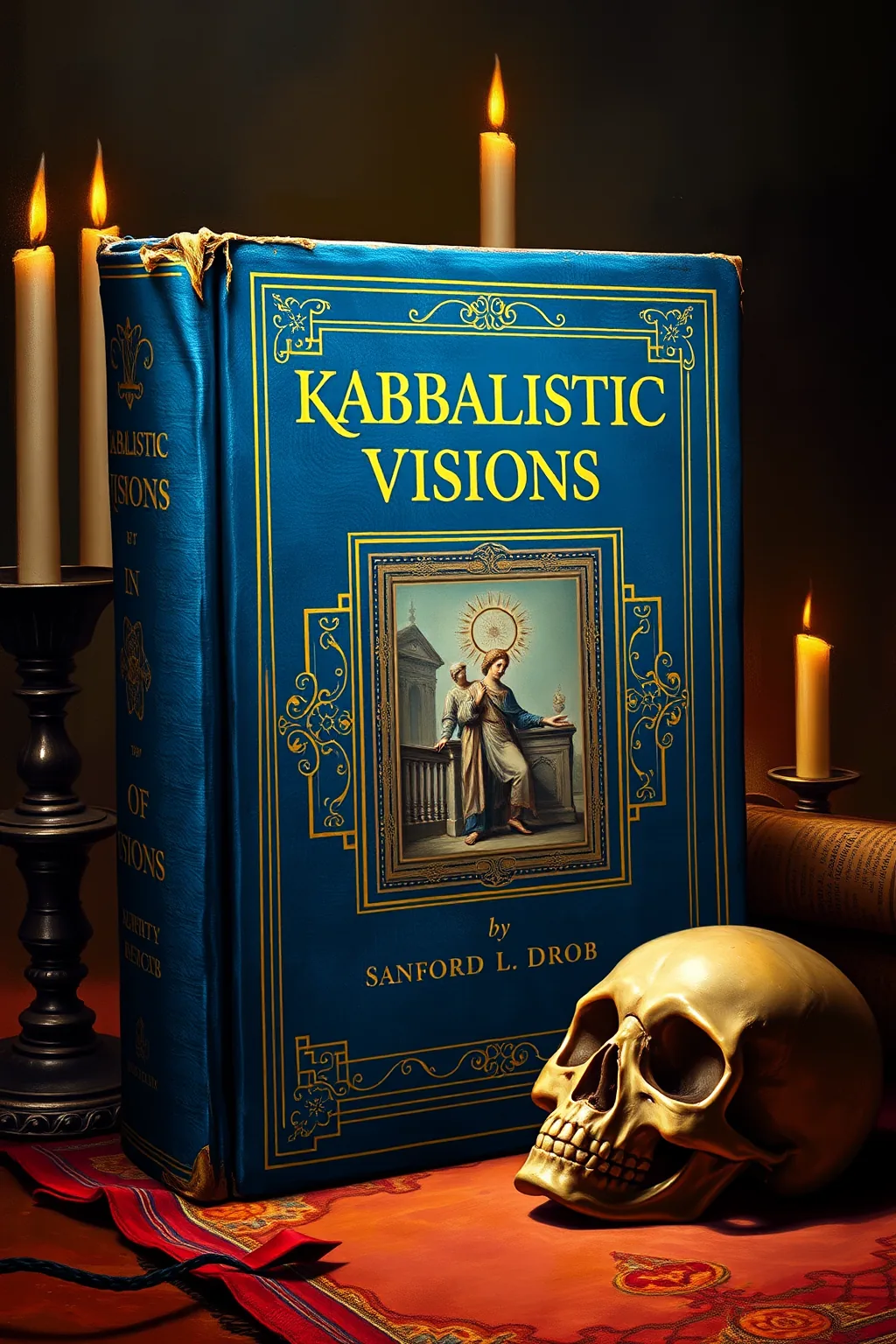
Sanford L. Drob’s *Kabbalistic Visions* offers a rigorous analysis of C. G. Jung's pivotal 1944 visions, particularly their deep entanglement with Kabbalistic concepts. The book excels in its detailed exposition of Jung's identification with Rabbi Simon ben Jochai and the symbolic weight of the 'mystic marriage' within his psyche. A notable strength is Drob's careful tracing of Jung's engagement with the Zohar, moving beyond superficial parallels to examine genuine psychological resonance. However, the work occasionally feels dense, requiring a prior familiarity with both Jungian terminology and Kabbalistic scholarship, which might be a barrier for some readers. The exploration of Jung's self-perception as ben Jochai is particularly illuminating, demonstrating how ancient figures can serve as vessels for profound personal revelation. Ultimately, *Kabbalistic Visions* provides a scholarly yet accessible window into a critical, often overlooked, dimension of Jung's inner life.
📝 Description
77
Sanford L. Drob's 2006 book examines C. G. Jung's 1944 visionary experiences through a Kabbalistic lens.
Sanford L. Drob's *Kabbalistic Visions* analyzes C. G. Jung's intense personal visions from 1944. These were not simply abstract thoughts but powerful encounters with archetypal realms, especially when viewed through the lens of Kabbalistic mysticism. The book details Jung's self-identification with Rabbi Simon ben Jochai, the figure traditionally credited with the Zohar's authorship. It also discusses Jung's engagement with the concept of the 'mystic marriage' as it appears in Jewish esoteric traditions.
This work is best suited for individuals with a deep interest in the connections between depth psychology and esoteric traditions, particularly Kabbalah. Readers familiar with Jung's general psychological theories who wish to understand his specific engagement with mystical texts will find substantial content. The book appeals to scholars, practitioners, and advanced students of Jungian psychology, comparative mysticism, and Jewish esoteric studies. Drob situates Jung's 1944 experiences within the intellectual climate of the mid-20th century, acknowledging the growing influence of scholars like Gershom Scholem, who made Kabbalah more accessible to Western audiences.
This book places Jung's personal mystical experiences within the broader context of Kabbalah, a Jewish mystical tradition with roots stretching back centuries. It considers how Jung, a key figure in modern depth psychology, engaged with symbols and concepts from this ancient esoteric system. The work touches upon the historical accessibility of Kabbalistic thought to Western intellectuals in the mid-20th century, largely due to scholarly efforts. Drob explores how Jung's psychological framework provided a new way to interpret these traditional mystical symbols, moving beyond purely secular or purely religious readings.
💡 Why Read This Book?
• Gain a nuanced understanding of C. G. Jung's 1944 visionary experiences, specifically how he engaged with the Kabbalistic concept of the 'mystic marriage' as detailed in the book. • Explore the specific psychological impact of Jewish mysticism on Jungian theory, moving beyond general influences to concrete textual and symbolic connections presented by Drob. • Understand Jung's identification with Rabbi Simon ben Jochai, a key figure discussed in the text, and its implications for archetypal psychology and self-perception.
⭐ Reader Reviews
Honest opinions from readers who have explored this book.
❓ Frequently Asked Questions
When were C. G. Jung's significant Kabbalistic visions described in this book?
The book centers on C. G. Jung's profound visionary experiences that occurred in 1944. These visions were described by Jung himself as some of the most impactful events he had ever encountered.
What is the 'mystic marriage' as discussed in relation to Jung's visions?
The 'mystic marriage' in *Kabbalistic Visions* refers to a central theme within the Kabbalistic tradition that deeply informed Jung's 1944 visions, representing a union of divine and human or transcendent and immanent aspects of consciousness.
Who is Rabbi Simon ben Jochai and why is he important in this book?
Rabbi Simon ben Jochai is traditionally credited as the author of the Zohar, a foundational text of Kabbalah. Jung experienced a powerful identification with him during his 1944 visions, a key aspect explored by Drob.
Does this book require prior knowledge of Kabbalah?
While prior knowledge of Kabbalah can enhance the reading experience, Sanford L. Drob's *Kabbalistic Visions* aims to explain these concepts within the context of Jungian psychology, making it accessible to those familiar with Jung's work.
What is the primary focus of Sanford L. Drob's analysis in this book?
The book's primary focus is an in-depth exploration of C. G. Jung's 1944 Kabbalistic visions and their profound impact on his psychological theories, particularly concerning Jewish mysticism and archetypal interpretation.
What connection does the book draw between Jung and the Zohar?
The book explores Jung's profound personal engagement with the Zohar, a key Kabbalistic text. This connection is highlighted through his visionary experiences and his identification with Rabbi Simon ben Jochai, its presumed author.
🔮 Key Themes & Symbolism
Jung's Archetypal Identification
The work examines Jung's profound experience of identifying with Rabbi Simon ben Jochai, the attributed author of the Zohar. This phenomenon is explored not merely as a psychological quirk, but as a powerful manifestation of archetypal possession, where an ancient figure becomes a conduit for profound psychic transformation and understanding within Jung's own consciousness during his 1944 visions.
The Mystic Marriage Symbol
Central to Jung's visions was the Kabbalistic concept of the 'mystic marriage.' This motif, representing the union of divine and human, or the integration of disparate psychic elements, is analyzed as a key symbol for Jung's psychological integration. The book elucidates how this ancient esoteric concept provided a framework for Jung to process his extraordinary inner experiences.
Kabbalah and Depth Psychology
This book investigates the specific impact of Jewish mysticism, particularly Kabbalah, on the development of Jungian psychology. It moves beyond general influences to demonstrate how the symbolic language and visionary traditions of the Zohar offered Jung concrete paradigms for understanding the unconscious, archetypes, and the process of individuation.
Visionary Experience and Interpretation
The core of *Kabbalistic Visions* lies in the detailed analysis of Jung's 1944 visions. Drob unpacks the content and significance of these experiences, treating them as crucial moments in Jung's intellectual and spiritual biography. The book provides a critical lens through which to view the interpretation of profound subjective phenomena through both psychological and esoteric frameworks.
💬 Memorable Quotes
Direct passages from the work, attributed to the author.
“Jung described his 1944 visions as 'the most tremendous things I have ever experienced.'”
— This statement underscores the profound personal and psychological impact of the visions. It suggests an experience that transcended ordinary consciousness, pushing the boundaries of Jung's own understanding of the psyche and its potential.
“Central to these visions was the 'mystic marriage as it appears in the Kabbalistic tradition'.”
— This highlights the specific esoteric content that emerged within Jung's visionary state. The Kabbalistic 'mystic marriage' served as a symbolic anchor, providing a structure and meaning for his intense inner experiences.
“Jung experienced himself as 'Rabbi Simon ben Jochai,' the presumed author of the Zohar.”
— This powerful identification demonstrates a deep archetypal connection. Jung's psyche seemingly connected with the psychic legacy of a key figure in Jewish mysticism, integrating historical and symbolic resonance into his personal experience.
“The book explores Jung’s archetypal interpretation of Kabbalistic themes.”
— This points to the analytical approach taken by Drob, examining how Jung utilized his own psychological framework to understand and integrate the Kabbalistic material that appeared in his visions.
“The 1944 visions marked a critical moment in Jung's engagement with Jewish mysticism.”
— This emphasizes the specific historical and personal context of the visions, positioning them as an important event that deepened Jung's connection to and understanding of Kabbalistic traditions within his broader psychological work.
🌙 Esoteric Significance
Tradition
This work is firmly rooted in the Kabbalistic tradition, specifically exploring its connections to modern depth psychology through the lens of C. G. Jung. It bridges the hermetic and mystical currents within Western esotericism with the analytical framework developed by Jung, positioning Kabbalah not just as a historical or religious system, but as a living source of archetypal imagery and psychological insight.
Symbolism
Key symbols explored include the 'mystic marriage,' representing the union of opposites and the integration of the divine with the human psyche. Another significant motif is the figure of Rabbi Simon ben Jochai, who embodies the wisdom and authority of the Zohar, serving as a powerful archetypal presence for Jung's self-perception during his visionary experiences.
Modern Relevance
Contemporary thinkers in Jungian psychology, comparative mysticism, and esoteric studies continue to draw upon Jung's engagement with Kabbalah. The work's exploration of archetypal identification and the psychological interpretation of mystical texts remains relevant for practitioners seeking to integrate spiritual experiences with psychological understanding in an increasingly complex world.
👥 Who Should Read This Book
• Students of C. G. Jung's psychology: Those seeking to understand the specific influences and visionary experiences that shaped his later theories, particularly his engagement with religious and esoteric traditions. • Scholars of Comparative Religion and Mysticism: Individuals interested in the cross-pollination between Western esoteric traditions, Jewish mysticism, and modern psychological thought. • Practitioners of Esoteric Studies: Readers who engage with Kabbalistic texts and concepts and wish to explore their psychological dimensions through a Jungian framework.
📜 Historical Context
Published in 2023, Sanford L. Drob's *Kabbalistic Visions* revisits C. G. Jung's important 1944 experiences within the intellectual milieu of the mid-20th century. This era saw a burgeoning Western interest in Eastern and esoteric traditions, partly facilitated by scholars like Gershom Scholem, whose groundbreaking work on Kabbalah was making Jewish mysticism accessible. Jung's engagement with these traditions can be seen as part of a broader movement among intellectuals and artists exploring non-Western spiritualities and the depths of the human psyche. While Freudian psychoanalysis dominated the psychological landscape, Jung's analytical psychology offered a more expansive view, incorporating myth, religion, and the unconscious. The book implicitly engages with scholars who might interpret Jung's interest as purely symbolic or historical, arguing instead for the genuine transformative power of these visionary encounters, particularly his identification with Rabbi Simon ben Jochai.
📔 Journal Prompts
Rabbi Simon ben Jochai's presence in Jung's visions, and its symbolic meaning.
The Kabbalistic concept of the 'mystic marriage' as a psychological archetype.
Jung's personal experience of profound visionary states in 1944.
The integration of Jewish mystical symbolism within analytical psychology.
The impact of archetypal figures on self-perception and transformation.
🗂️ Glossary
Kabbalah
A system of Jewish mysticism that explores the nature of God, the creation of the universe, and the relationship between the divine and the human through esoteric interpretations of the Torah and other sacred texts.
Zohar
The foundational work of Kabbalistic literature, traditionally attributed to Rabbi Simon ben Jochai of the 2nd century CE, though scholarly consensus places its composition in 13th-century Spain.
Rabbi Simon ben Jochai
A 2nd-century tannaitic sage traditionally credited with authoring the Zohar. In Jung's visions, he represented a powerful archetypal figure embodying Kabbalistic wisdom.
Mystic Marriage
A concept found in various mystical traditions, including Kabbalah, symbolizing the union of divine and human aspects, or the integration of transcendent and immanent spiritual forces within the individual or cosmos.
Archetype
In Jungian psychology, a universal, archaic pattern and image that derives from the collective unconscious and is the psychic counterpart of an inherited structure.
Analytical Psychology
The school of psychology founded by C. G. Jung, emphasizing the importance of the unconscious, dreams, archetypes, and the process of individuation.
Visionary Experience
A subjective experience characterized by the perception of phenomena not typically accessible to the senses, often interpreted as having spiritual or profound psychological significance.