Kabbalah and the spiritual quest
 61
61

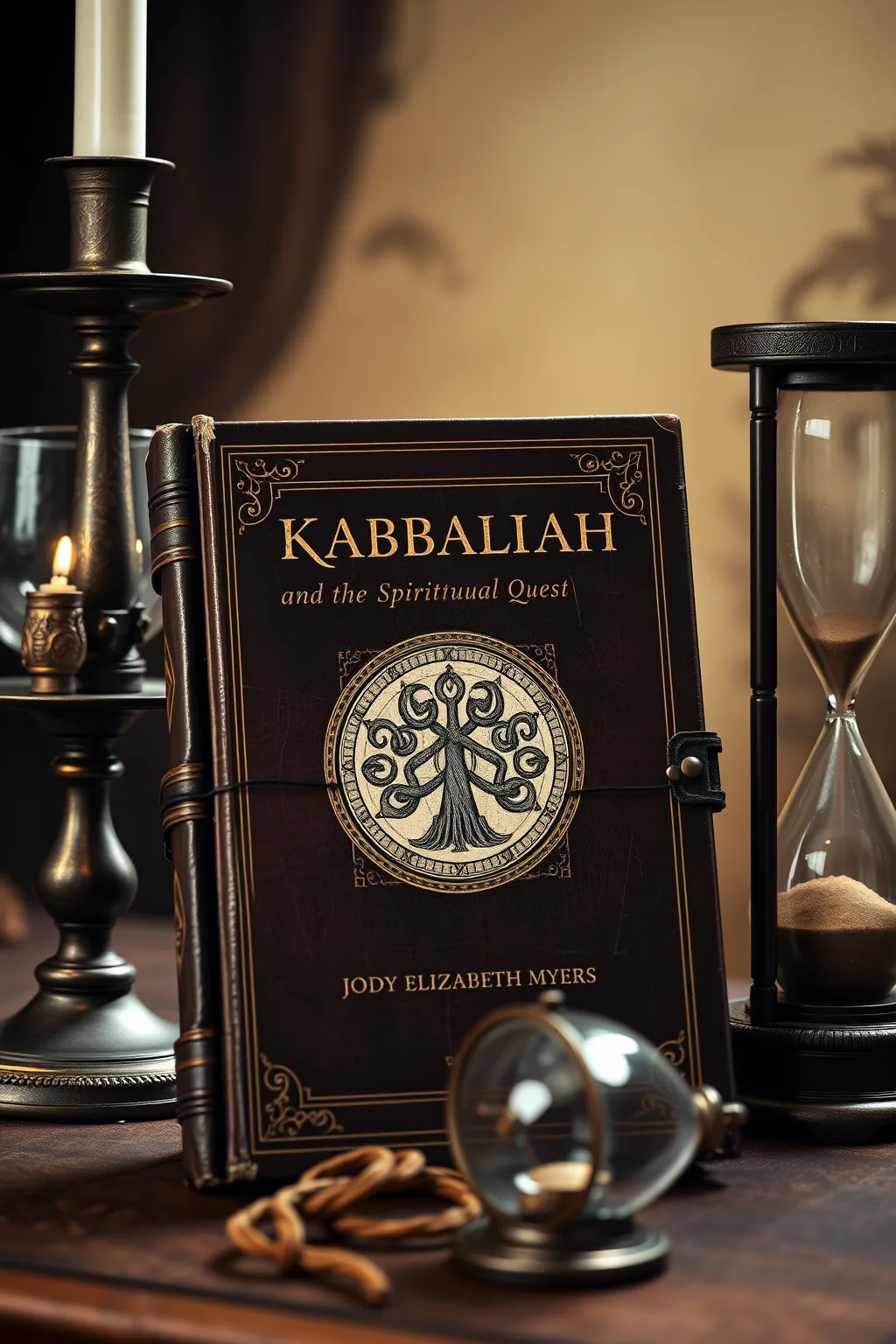
Kabbalah and the spiritual quest


Jody Elizabeth Myers' "Kabbalah and the Spiritual Quest" is an illuminating and deeply insightful guide, offering a rare clarity on the profound teachings of Jewish mysticism. Thorne, a seasoned reviewer for Esoteric Sciences, praises Myers' ability to distill complex Kabbalistic principles into accessible yet potent spiritual directives. The book excels in its evocation of the mystical experience, bridging the gap between theoretical understanding and lived practice. Its strength lies in its comprehensive yet focused approach, making it an indispensable resource for anyone seeking authentic esoteric knowledge. This work is a vital addition for serious students of Kabbalah and practitioners of the spiritual path.
📝 Description
61
Jody Elizabeth Myers' "Kabbalah and the Spiritual Quest" deciphers Jewish mysticism for contemporary seekers.
This book examines Kabbalah's esoteric teachings, making them accessible to a modern audience. Myers focuses on key elements like the Tree of Life and the Sefirot, explaining their symbolic meaning and role in spiritual development. The text details the process of spiritual ascent, guiding readers through the mystical pathways described in Kabbalistic thought.
The work is structured to assist both newcomers to Kabbalah and those with prior experience. It aims to clarify the philosophical underpinnings of this tradition, presenting it as a practical guide for personal transformation. Myers connects Kabbalistic concepts to broader ideas about creation and divine consciousness, suggesting a path toward spiritual understanding.
Kabbalah represents a specific tradition within Jewish mysticism, concerned with the hidden nature of God and the universe. Its teachings, often expressed through symbolic language and complex cosmology, aim to provide a framework for understanding divine creation and humanity's place within it. This book situates itself within that lineage, translating its complex ideas into a format understandable to those outside the immediate tradition. It connects Kabbalah's mystical practices and theories to a broader quest for spiritual meaning.
💡 Why Read This Book?
For seekers yearning for a deeper connection to the divine, and scholars eager to unravel the profound wisdom of Jewish mysticism, this book is an essential guide. Myers offers a clear, evocative path into the esoteric heart of Kabbalah, revealing its transformative potential. If you are drawn to ancient secrets, divine symbolism, and the quest for inner truth, "Kabbalah and the Spiritual Quest" will illuminate your journey and deepen your understanding.
⭐ Reader Reviews
Honest opinions from readers who have explored this book.
❓ Frequently Asked Questions
What is Kabbalah?
Kabbalah, meaning 'reception' or 'tradition' in Hebrew, is the esoteric and mystical tradition within Judaism that seeks to understand the divine nature of God and the structure of the universe through symbolic interpretation of scripture and contemplation.
Who is the intended audience for this book?
This book is ideal for individuals interested in spirituality, mysticism, and esoteric traditions, particularly those drawn to Jewish wisdom. It caters to both beginners seeking an introduction and those with some prior knowledge looking for deeper insights into Kabbalistic practices and philosophy.
What is the Tree of Life in Kabbalah?
The Tree of Life (Etz Chaim) is a central diagram in Kabbalah, representing the ten divine emanations (Sefirot) and the pathways connecting them, symbolizing the journey of creation, divine consciousness, and the human soul's ascent.
Does this book focus on practical Kabbalah?
While it delves deeply into the philosophical and symbolic aspects, "Kabbalah and the Spiritual Quest" also provides guidance on contemplative practices and inner work, making it relevant for those seeking to integrate Kabbalistic principles into their spiritual quest.
Is prior knowledge of Judaism required to read this book?
No, prior knowledge of Judaism is not strictly required. The author provides sufficient context and explanations for readers to understand the core concepts and their spiritual significance, making it accessible to a broader audience interested in esoteric wisdom.
🔮 Key Themes & Symbolism
The Divine Emanations (Sefirot)
This theme studies the ten Sefirot, the fundamental building blocks of Kabbalistic cosmology, representing the attributes and powers through which the Infinite Ein Sof manifests in creation. Myers explores their symbolic representation on the Tree of Life, their interconnectedness, and their role in shaping human experience and spiritual development. Understanding the Sefirot is crucial for comprehending the divine flow of energy and the architecture of both the macrocosm and the microcosm, offering a blueprint for aligning oneself with higher consciousness.
The Spiritual Ascent and Tikkun
Central to the spiritual quest within Kabbalah is the concept of ascent – the journey of the soul towards reunion with its divine source. This theme examines the practices and understanding required for this ascent, often framed within the concept of Tikkun (rectification). Myers illuminates how individuals can participate in the cosmic process of healing and restoration by refining their own spiritual nature and acting in accordance with divine will, thereby contributing to the cosmic harmony and the ultimate redemption of all existence.
Symbolism and Esoteric Interpretation
This theme highlights the profound reliance of Kabbalah on detailed symbolism, particularly within the Torah and other sacred texts. Myers guides the reader through the esoteric interpretations of various symbols, letters, and numerical values (Gematria), revealing layers of hidden meaning beyond the literal. Understanding this symbolic language is presented as a key to unlocking the deeper spiritual realities and the divine blueprint encoded within creation, transforming the mundane into a gateway to the sacred.
💬 Memorable Quotes
Direct passages from the work, attributed to the author.
“Within each letter of the sacred text lies a spark of divine fire.”
— This highlights the Kabbalistic belief in the inherent holiness and hidden wisdom within the Hebrew alphabet and scriptures, suggesting that profound spiritual truths are encoded at a fundamental level.
“The quest for God is the quest for the deepest truth within oneself.”
— This profound statement underscores the introspective nature of the spiritual journey as taught in Kabbalah, suggesting that divine realization is achieved through self-discovery and inner transformation.
“To understand the microcosm is to glimpse the secrets of the macrocosm.”
— This reflects the hermetic principle of 'as above, so below,' a core tenet in many esoteric traditions including Kabbalah, asserting a fundamental correspondence between the human being and the universe.
“The Sefirot are the divine breath that animates all existence.”
— This evocative phrase describes the Sefirot as the active, life-giving forces of God, emphasizing their role as the essential energies that permeate and sustain the entire cosmos.
💡 Key Ideas
Editorial paraphrase of the work's core concepts — not direct quotes.
The Tree of Life is not merely a diagram; it is a living map of the soul's journey.
This quote emphasizes the dynamic and experiential nature of Kabbalistic study, positioning the Tree of Life as an active guide for personal spiritual growth rather than a static philosophical construct.
🌙 Esoteric Significance
Tradition
This work is deeply rooted in the esoteric tradition of Kabbalah, the mystical dimension of Judaism. It explores concepts such as divine emanations (Sefirot), the Tree of Life, and the esoteric interpretation of Torah, aiming to reveal the hidden spiritual architecture of the universe and the path to divine consciousness. The tradition emphasizes direct experience and inner transformation, viewing Kabbalah as a living path to spiritual enlightenment and unity with the Divine.
Symbolism
Kabbalah is inherently symbolic, and Myers masterfully deciphers its collection of symbols. Key elements include the Tree of Life, a map of divine consciousness and creation; the Sefirot, representing divine attributes and energies; Hebrew letters, imbued with mystical power and meaning; and numerical correspondences (Gematria). These symbols are not mere decorative elements but are understood as keys to unlocking profound spiritual truths and understanding the divine order governing existence.
Modern Relevance
In an era often characterized by materialism and spiritual seeking, "Kabbalah and the Spiritual Quest" offers profound relevance. It provides a structured yet deeply personal framework for understanding one's place in the cosmos, fostering a sense of interconnectedness and purpose. The book's emphasis on inner transformation, ethical living, and the pursuit of divine wisdom speaks to contemporary individuals searching for meaning, depth, and a more profound connection to the sacred in their lives.
👥 Who Should Read This Book
This book is a valuable collection for a diverse range of spiritual explorers. For beginners in mysticism, it offers a clear and evocative introduction to the foundational concepts of Kabbalah. Scholars of comparative religion and esoteric traditions will find its insightful analysis and historical context invaluable. Spiritual seekers yearning for a deeper understanding of divine mysteries and pathways to consciousness will be guided by its wisdom. Practitioners of meditation, contemplative prayer, or other forms of inner work will discover rich material for deepening their practice and expanding their spiritual horizons.
📜 Historical Context
Jody Elizabeth Myers' "Kabbalah and the Spiritual Quest" emerges from a collection of Jewish mystical thought that spans centuries. While Kabbalah's roots can be traced to ancient mystical traditions, its classical period flourished in medieval Spain and Safed, Palestine, during the 12th to 16th centuries. Works like the Zohar and the writings of Isaac Luria profoundly shaped its doctrines. The book draws upon this lineage, particularly the Lurianic emphasis on cosmic repair and spiritual ascent. In more recent times, Kabbalah has seen renewed interest and broader dissemination, often adapted for secular and interfaith audiences seeking spiritual growth. Myers' work honors this historical trajectory, presenting a synthesis that is both faithful to tradition and relevant to contemporary seekers reading through the complexities of modern life.
📔 Journal Prompts
Reflect on a time you felt a profound sense of connection to something larger than yourself. How might the concept of divine emanations (Sefirot) explain this experience?
Consider a personal challenge you are facing. How might the Kabbalistic idea of Tikkun (rectification) offer a new perspective or approach to overcoming it?
Explore the symbolism of light in your own spiritual journey. What does light represent to you, and how does it connect to the divine?
How can understanding the interconnectedness of all things, as suggested by Kabbalistic cosmology, influence your daily actions and relationships?
Journal about a sacred text or symbol from your own tradition. What deeper meanings might be hidden within its surface form?
🗂️ Glossary
Sefirot
The ten divine emanations or attributes through which the Infinite (Ein Sof) manifests in creation. They are often depicted as nodes on the Tree of Life, representing various aspects of God's power and interaction with the world.
Ein Sof
The Kabbalistic term for the Infinite, the unmanifest, unknowable, and absolute Godhead that exists beyond all conception or limitation. It is the ultimate source from which all emanations arise.
Tree of Life (Etz Chaim)
A central diagram in Kabbalah, consisting of ten Sefirot connected by 22 paths. It serves as a symbolic map of creation, divine consciousness, and the human soul's spiritual journey and potential for ascent.
Gematria
A Kabbalistic method of interpreting scripture by assigning numerical values to Hebrew letters and words, then examining the relationships between words with equal numerical values to reveal hidden meanings and connections.
Tikkun
Literally meaning 'rectification' or 'repair.' In Kabbalah, it refers to the cosmic process of healing and restoring the divine harmony in creation, often involving the spiritual work and ethical actions of humanity.
This book appears in 1 collection
🔮 Readers Also Liked
Browse all →







More by Jody Elizabeth Myers
All books →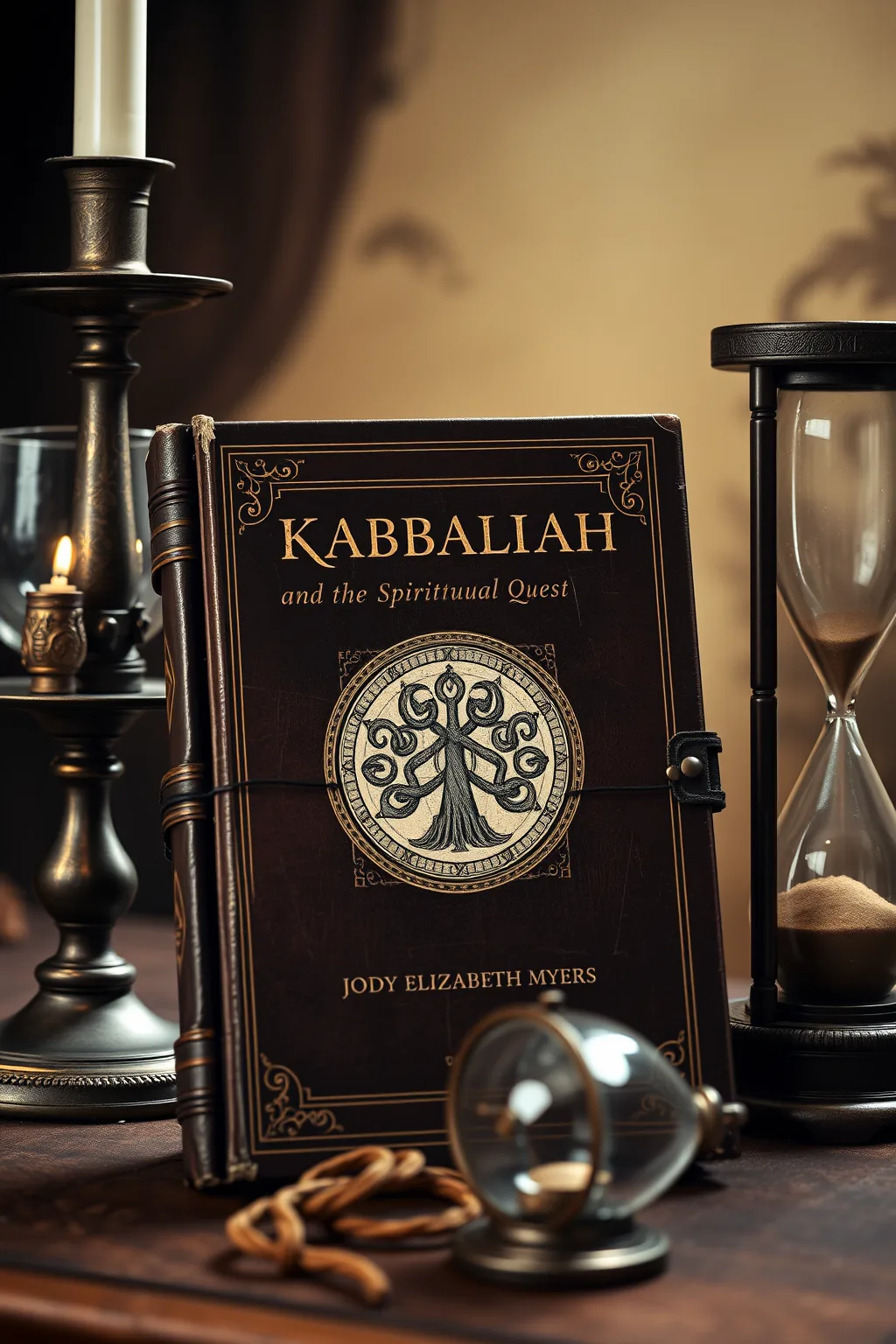
From the “Kabbalah” Collection
View all →








More Free Kabbalah & Jewish Mysticism Books
View all →