Jewish mystical leaders and leadership in the 13th century

 61
61

Jewish mystical leaders and leadership in the 13th century


Celeste Moreau (Divination & Symbolism Reviewer) — Moshe Idel's 'Jewish Mystical Leaders and Leadership in the 13th Century' is an indispensable text for anyone navigating the labyrinthine paths of Kabbalah. Idel's scholarship is both rigorous and revelatory, unfurling the complex spiritual and intellectual landscape of a transformative period. He illuminates the visionary insights of key figures, revealing how their leadership fostered not just rabbinic authority but also profound mystical experiences. The book excels in its detailed analysis of symbolic language and esoteric practices, offering a rare glimpse into the hidden currents of Jewish mysticism. This work is essential for scholars, practitioners, and anyone fascinated by the enduring power of spiritual lineages.
📝 Description
61
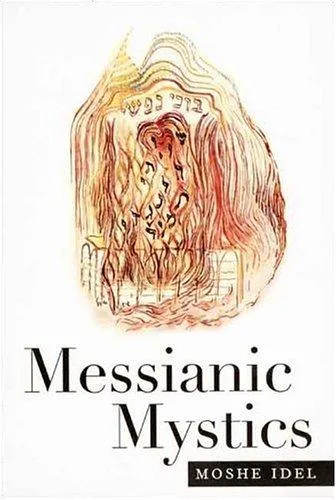
Moshe Idel's 1988 book examines Jewish mystical leaders active in the 13th century.
This study investigates the figures who led Jewish mystical movements in the 13th century. Moshe Idel focuses on the intellectual and spiritual currents that defined Kabbalah during this formative period. The book examines the lives and teachings of prominent rabbis and mystics, detailing their complex cosmologies, ecstatic experiences, and the symbolic language they employed in their esoteric discussions.
Idel traces the transmission of hidden knowledge, showing how divine elements were perceived in everyday speech and actions. The work provides a detailed perspective on how rabbinic authority interacted with new mystical ideas. It offers insight into the philosophical underpinnings and energetic spiritual practices that have influenced Jewish thought for centuries. This volume is intended for serious students of Jewish mysticism who wish to understand its historical development.
This book belongs to the scholarly study of Jewish mysticism, specifically Kabbalah. It situates 13th-century Kabbalistic leaders within the broader context of Jewish esoteric traditions, highlighting the development of specific mystical practices and theological concepts. The work analyzes the historical emergence of these ideas and their impact on subsequent Jewish thought, focusing on a period when Kabbalah began to coalesce into more defined schools and texts.
💡 Why Read This Book?
Embark on a journey to understand the foundational figures of Jewish mysticism. This book offers unparalleled insight into the esoteric practices, profound symbolism, and intellectual debates that defined 13th-century Kabbalah. Ideal for scholars, spiritual seekers, and practitioners of mysticism who wish to connect with the roots of ancient wisdom and understand the evolution of spiritual leadership.
⭐ Reader Reviews
Honest opinions from readers who have explored this book.
❓ Frequently Asked Questions
What specific 13th-century mystical traditions are explored in this book?
The book primarily focuses on the nascent and developing streams of Kabbalah, including theosophical and ecstatic Kabbalah, as practiced and led by influential rabbis and mystics of the era, particularly those associated with the Gerona school and early Zoharic traditions.
Who were the key mystical leaders discussed by Moshe Idel?
Idel examines the contributions of pivotal figures such as Rabbi Isaac the Blind, Rabbi Ezra, Rabbi Azriel of Gerona, and the enigmatic authors of early Kabbalistic texts, exploring their distinct approaches to mystical interpretation and leadership.
How does the book connect mystical leadership to broader Jewish thought?
It elucidates how these mystical leaders integrated esoteric interpretations with established Halakha and Aggadah, demonstrating their influence on the development of Jewish philosophy, theology, and communal life during the medieval period.
What is the historical significance of the 13th century for Jewish mysticism?
The 13th century represents a crucial period of crystallization and dissemination for Kabbalah, moving from esoteric circles to wider influence, and this book details the leaders who facilitated this transformation and shaped its core tenets.
Is this book accessible to readers new to Kabbalah?
While dense with scholarly insight, Idel's work is written with clarity. However, a foundational understanding of Jewish mysticism would enhance the reader's appreciation of the nuanced discussions on leadership and esoteric doctrines presented.
🔮 Key Themes & Symbolism
The Genesis of Kabbalistic Leadership
This theme examines the emergence of distinct leadership roles within nascent Kabbalistic circles. It examines how figures transitioned from scholarly rabbis to spiritual guides, influencing communal practice and esoteric interpretation. The focus is on the transformation of authority, where mystical insight became as paramount as rabbinic decree, shaping the very fabric of Jewish spiritual life in the 13th century.
Esoteric Symbolism and Divine Illumination
Explore the wide range of symbolism employed by 13th-century Kabbalists to articulate profound metaphysical concepts. Idel unpacks the esoteric meanings embedded in Hebrew letters, divine names, and cosmographical imagery, revealing how these served as vehicles for achieving divine illumination and understanding the hidden workings of creation. The emphasis is on the symbolic language that unlocked deeper spiritual realities.
The Interplay of Mysticism and Rabbinic Tradition
This critical theme investigates the dynamic relationship between the burgeoning mystical movements and the established rabbinic authority. Idel showcases how mystical leaders navigated this often-complex landscape, integrating their visionary experiences and esoteric teachings within the framework of Jewish law and tradition, thereby legitimizing and disseminating Kabbalistic thought throughout the era.
💬 Memorable Quotes
Direct passages from the work, attributed to the author.
“The ascent of the soul is the ultimate aim.”
— This highlights the central goal of many Jewish mystics: the spiritual journey and elevation of consciousness towards the divine.
“Hidden knowledge is the key to understanding.”
— Emphasizes the esoteric nature of Kabbalah, where truth is often veiled and requires specialized interpretation to reveal.
“Leadership is not merely authority, but spiritual guidance.”
— This defines true leadership within the mystical context as a role of profound spiritual mentorship and inspiration.
“Symbolism bridges the mundane and the divine.”
— Illustrates how the intricate symbolic language of Kabbalah serves as a conduit between the material world and spiritual realities.
“The 13th century was a crucible of mystical thought.”
— Positions the era as a formative period where key Kabbalistic ideas were forged and solidified, setting the stage for future developments.
🌙 Esoteric Significance
Tradition
This work is central to understanding the historical development and theoretical underpinnings of Kabbalah, the primary esoteric tradition within Judaism. It examines the theosophical, ecstatic, and meditative practices that characterized this lineage, focusing on how leadership structures facilitated the transmission of this profound, often hidden, spiritual knowledge. The book illuminates the intellectual lineage that connects ancient Jewish mystical thought to its medieval and subsequent manifestations.
Symbolism
The book extensively explores the rich symbolic language inherent in Kabbalistic thought. Key symbols include the Sefirot (divine emanations), Hebrew letters as cosmic building blocks, divine names as conduits of power, and the structure of the universe as a reflection of divine order. Idel dissects how these symbols were not mere representations but active agents in mystical experience, used by leaders to guide adherents towards deeper understanding and divine communion.
Modern Relevance
Understanding the leadership models and esoteric frameworks of 13th-century Kabbalah offers useful insights for contemporary spiritual seekers and scholars. It provides a foundational context for modern Kabbalistic studies, highlighting the enduring human quest for divine connection and meaning. The book's exploration of spiritual authority and the transmission of wisdom remains relevant for discussions on mentorship, community building, and the integration of esoteric knowledge in a modern world.
👥 Who Should Read This Book
This book is a starting point for serious students of Kabbalah and Jewish mysticism. Scholars of medieval Jewish history and philosophy will find Idel's rigorous analysis invaluable. Spiritual seekers interested in the roots of esoteric traditions and the nature of mystical leadership will discover useful insights. Practitioners of meditative and contemplative disciplines may find here a deeper understanding of the historical context and theoretical underpinnings of their practice, offering a rich resource for intellectual and spiritual growth.
📜 Historical Context
The 13th century was a period of immense intellectual and spiritual ferment within Jewish communities across Europe and the Mediterranean. It witnessed the consolidation and significant development of Kabbalah, moving from earlier, more localized mystical currents to a more unified and influential body of thought. This era saw the rise of influential Kabbalistic centers, particularly in Provence and Spain, where scholars and mystics grappled with profound theological and cosmological questions. The philosophical landscape was also being shaped by the engagement with Aristotelianism, creating a dynamic intellectual environment. It was a time when the pursuit of esoteric knowledge often intertwined with rabbinic authority, leading to groundbreaking interpretations of scripture and tradition. The leaders discussed in this book were instrumental in navigating these complex intellectual currents and shaping the future trajectory of Jewish mysticism.
📔 Journal Prompts
Reflect on the qualities that define spiritual leadership versus secular authority. How did 13th-century Kabbalistic leaders embody both?
Explore a specific symbol discussed in the book (e.g., a Sefirah, a Hebrew letter). How might this symbol be interpreted in a contemporary context?
Consider the concept of 'hidden knowledge' in your own life. What forms does it take, and how is it transmitted?
Imagine you are a student of a 13th-century Kabbalistic master. What questions would you ask about their teachings and practices?
How does the historical context of the 13th century influence your understanding of the mystical leaders discussed?
🗂️ Glossary
Kabbalah
The esoteric and mystical tradition within Judaism, concerned with the nature of God, creation, and the human soul, often involving symbolic interpretation and meditative practices.
Sefirot
The ten divine emanations or attributes of God, forming a central concept in Kabbalistic cosmology, often visualized as a tree or diagram.
Gematria
A system of Jewish numerology that assigns numerical values to Hebrew letters, used to find hidden meanings and connections within texts.
Theosophy
A philosophical and religious system that aims to understand the divine nature and the divine order of the universe, often through mystical insight.
Halakha
Jewish law derived from the Written and Oral Torah, governing Jewish religious and communal life. Mystical leaders often integrated their teachings with Halakhic principles.
This book appears in 1 collection
🔮 Readers Also Liked
Browse all →









More by Moshe Idel
All books →



From the “Kabbalah” Collection
View all →

![Kabbalah Dictionary [Hebrew To English].pdf (PDFy mirror)](/img/thumb/kabbalah-dictionary-hebrew-to-english-pdf-pdfy-mirror.webp)


More Free Kabbalah & Jewish Mysticism Books
View all →