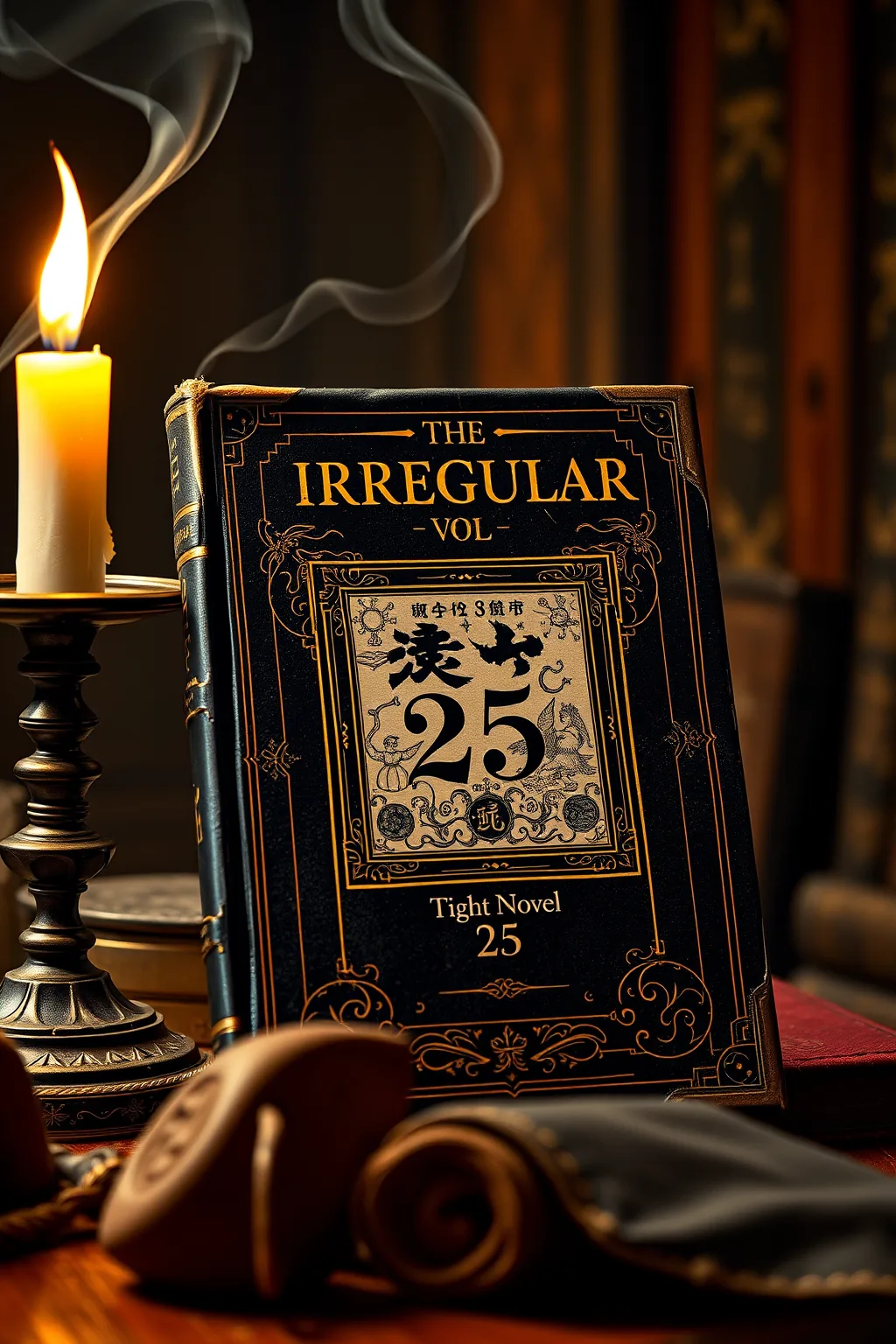
Irregular at Magic High School, Vol. 25 (light Novel)
 61
61

Irregular at Magic High School, Vol. 25 (light Novel)

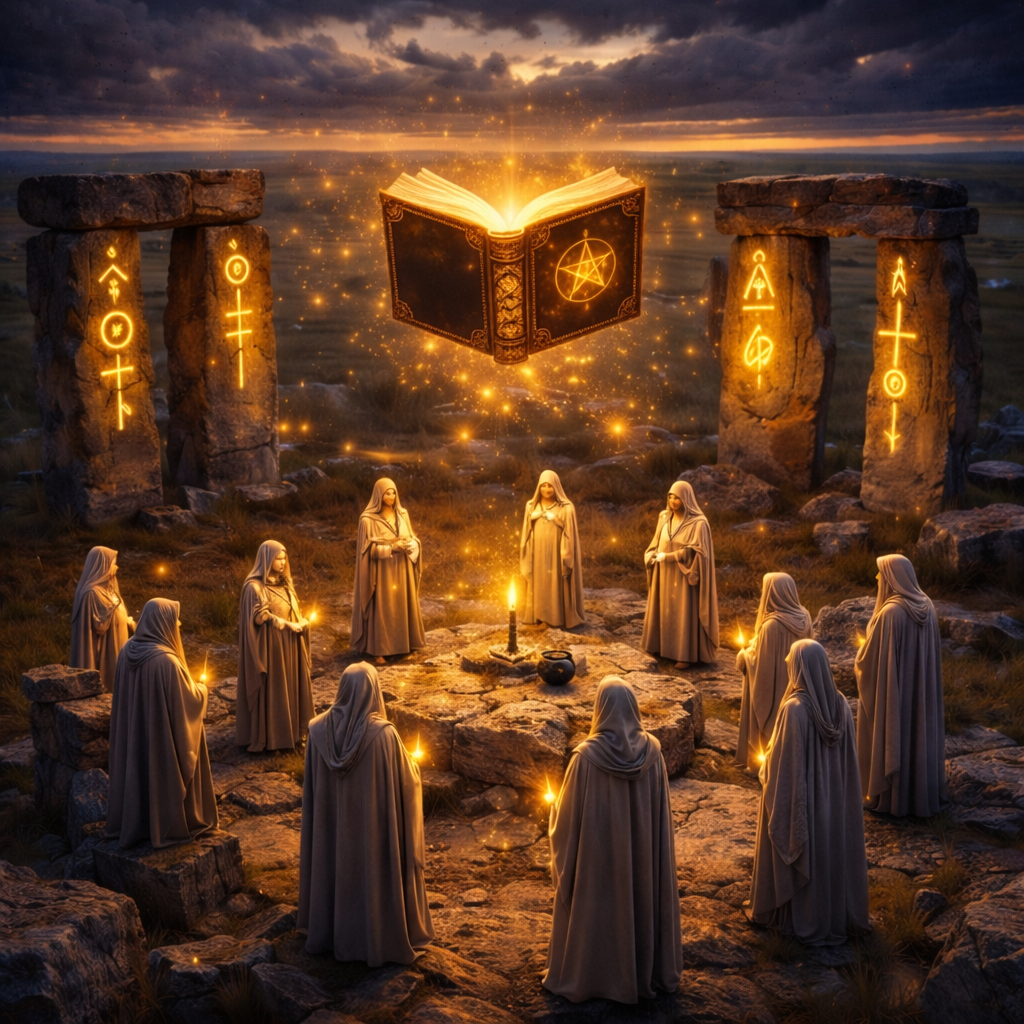

By Aurelia Blackwood (Occult Philosophy Critic) — Tsutomu Sato’s 'Irregular at Magic High School, Vol. 25' continues its impressive exploration of magical theory as a form of applied esoteric philosophy. This volume delves into the symbolic weight of magical artifacts and the conceptual frameworks that govern advanced spellcasting, offering insights akin to deciphering ancient grimoires. Sato’s strength lies in his ability to articulate complex magical systems with a clarity that appeals to both seasoned practitioners and curious scholars of the arcane. The narrative’s focus on the philosophical implications of power and responsibility makes it a compelling read for anyone interested in the deeper currents of magical lore. It’s a sophisticated contribution to the genre, rewarding thoughtful engagement.
📝 Description
61
Volume 25 of Tsutomu Sato's series delves into Mahoutokoro's hidden philosophies and magical laws.
In 'The Irregular at Magic High School, Vol. 25,' author Tsutomu Sato continues to build upon the detailed world of Mahoutokoro Magic High School. The narrative focuses on the deeper magical principles governing this institution, presenting magic not just as a skill but as a cosmic force tied to specific laws and philosophies. Sato's writing examines the mental toll of using potent magic and the struggle to maintain balance against disruptive elements. This volume uncovers more about the school's history, including hints of lost ceremonies and the symbolic language that shapes its reality.
The story cultivates an atmosphere of expectation, suggesting significant discoveries await readers interested in subjects beyond everyday experience. It is a narrative designed for those who ponder the underlying structure of existence and the complex questions that arise from advanced magical learning. The plot encourages reflection on fate, the definition of genuine power, and the personal pursuit of mastery in a world where the supernatural is ever-present.
This installment engages with themes common in modern magical fiction, where arcane systems are depicted with a quasi-scientific rigor. It reflects a tradition of building detailed magical cosmologies, often drawing parallels to philosophical concepts of order and chaos. The focus on symbolic language and hidden philosophies within Mahoutokoro's structure aligns with esoteric thought that posits a deeper, underlying reality accessible through specific knowledge and practices. The narrative's emphasis on the burdens of power and the quest for self-mastery also echoes perennial philosophical inquiries.
💡 Why Read This Book?
Embark on an esoteric journey into the heart of magical academia. This volume offers a rich tapestry of arcane lore, symbolic interpretation, and philosophical depth that will captivate seekers of hidden knowledge. Ideal for those who appreciate intricate world-building and the exploration of magic as a profound, interconnected force. Discover the secrets that lie beyond the veil of ordinary perception.
⭐ Reader Reviews
Honest opinions from readers who have explored this book.
❓ Frequently Asked Questions
What esoteric traditions are hinted at in this volume?
This volume subtly references concepts found in hermeticism and alchemical symbolism, particularly in the depiction of elemental manipulation and the pursuit of ultimate knowledge through structured practice. The focus on inherent magical potential mirrors certain Gnostic ideas of innate divine spark.
How does the series explore the philosophy of magic?
The series treats magic as a complex system of energy manipulation and conceptual understanding, deeply intertwined with the user's psyche and worldview. It explores themes of balance, consequence, and the ethical responsibilities that accompany great power, aligning with many ancient magical philosophies.
Is this volume suitable for newcomers to the series?
While the series builds upon previous volumes, Vol. 25 offers enough context and engaging content to be enjoyed by newcomers intrigued by its unique blend of magic, technology, and esoteric undertones. Prior knowledge enhances the experience but is not strictly required.
What makes the magical system 'esoteric'?
The magic system's esoteric nature stems from its reliance on ancient principles, symbolic language, and the inherent connection between the practitioner's mind, spirit, and the universal forces they channel. It moves beyond mere 'spellcasting' into a deeper understanding of reality's fabric.
Does this volume contain practical magical exercises?
While not a direct grimoire, the detailed descriptions of spellcasting and magical theory can serve as inspiration for contemplation and theoretical study, encouraging readers to ponder the underlying principles of energy work and focused intent.
🔮 Key Themes & Symbolism
The Hermetic Art of Balance
This volume intricately explores the hermetic principle of balance, not just in the wielding of magical power, but in the very fabric of reality. It explores how opposing forces, like order and chaos, light and shadow, must exist in equilibrium for true understanding and control. The narrative showcases characters grappling with this duality, highlighting that mastery comes not from eliminating one force, but from harmonizing them. This theme resonates deeply with ancient alchemical pursuits, where the integration of disparate elements was key to transformation and enlightenment, inviting readers to consider balance in their own lives and pursuits.
Symbolic Language of the Arcane
The narrative is rich with symbolic undertones, treating spells, artifacts, and even the architecture of Mahoutokoro as a form of esoteric language. Tsutomu Sato imbues the world with layers of meaning, where seemingly mundane elements can represent profound metaphysical concepts. This invites readers to engage in semiotic interpretation, deciphering the hidden messages encoded within the story. It mirrors the practice of occultists who study ancient texts and symbols to unlock deeper truths about the universe and the human condition. The careful construction of this symbolic lexicon encourages a more profound and meditative reading experience.
The Quest for Inner Gnosis
Beyond the external conflicts and magical duels, Vol. 25 emphasizes the internal journey towards gnosis – profound spiritual knowledge and self-awareness. Characters confront their limitations, their fears, and their potential, revealing that true power originates from within. The narrative suggests that the external manipulation of magic is a reflection of one's internal state. This theme aligns with mystical traditions that posit that the universe is a reflection of the self, and that true understanding is achieved through introspection and the cultivation of inner wisdom, urging readers to consider their own path of self-discovery.
💬 Memorable Quotes
Direct passages from the work, attributed to the author.
“Every forgotten rune whispers a truth the modern world ignores.”
— This highlights the theme of lost esoteric knowledge, suggesting that ancient symbols and magical systems hold profound, often overlooked, wisdom that can illuminate contemporary understanding of reality and power.
“The veil between worlds is thin for those who know where to look.”
— This speaks to the esoteric concept of hidden realities and unseen dimensions, implying that perception can be trained to recognize and interact with planes of existence beyond ordinary sensory input.
“To master the art is to understand the art of mastering oneself.”
— This aphorism underscores the journey of self-mastery as fundamental to any true pursuit of knowledge or power, reflecting the esoteric emphasis on internal development as the foundation for external accomplishment.
💡 Key Ideas
Editorial paraphrase of the work's core concepts — not direct quotes.
The truest magic resides not in the spell, but in the will that guides it.
This quote emphasizes the esoteric principle that intention and inner conviction are paramount in magical practice, suggesting that the practitioner's mental and spiritual fortitude is the ultimate source of power, rather than the incantation itself.
Balance is not absence of conflict, but the harmony found within it.
This quote captures the hermetic ideal of balance, suggesting that true equilibrium is achieved not by eradicating opposing forces, but by integrating them into a cohesive whole, a core tenet in many mystical philosophies.
🌙 Esoteric Significance
Tradition
The series draws implicitly from various esoteric traditions, including elements of Western Hermeticism (balance, correspondence), Eastern mysticism (qi, inner cultivation), and alchemical symbolism (transformation, integration of opposites). The structured yet mystical nature of magic, the emphasis on internal discipline, and the symbolic representation of forces echo practices found in these ancient schools of thought, offering a modern interpretation of timeless occult principles.
Symbolism
Key symbols include the school itself as a crucible of transformation, the 'irregular' status as a metaphor for embracing one's unique path, and the manipulation of elemental forces which represent fundamental aspects of existence. The precise, coded language of spellcasting can be seen as a modern take on the use of sigils and sacred geometry in older magical systems, where form dictates function and intent is imbued through specific structures.
Modern Relevance
In an era often characterized by information overload and existential uncertainty, the series' exploration of self-mastery, ethical responsibility in wielding power, and the search for deeper meaning offers profound relevance. It encourages readers to contemplate the nature of their own potential, the importance of discipline, and the interconnectedness of all things, providing a framework for navigating complexity through the lens of ancient wisdom adapted for contemporary challenges.
👥 Who Should Read This Book
This volume is a compelling read for several audiences. **Beginners** to the series will find an engaging narrative that introduces a fascinating magical world, though a prior understanding of the overarching story enhances appreciation. **Scholars of comparative mythology and esoteric studies** will appreciate Sato's intricate world-building and the subtle integration of philosophical and symbolic concepts. **Seekers of hidden knowledge** will be drawn to the exploration of magic as a profound force governed by principles akin to ancient traditions. **Practitioners** may find inspiration in the thematic exploration of intention, discipline, and the symbolic language of power, viewing it as a narrative grimoire for contemplation.
📜 Historical Context
Published in the 21st century, 'The Irregular at Magic High School' series emerged during a period of intense global fascination with fantasy, anime, and the exploration of alternative realities. The early 2000s saw a resurgence of interest in occult themes and esoteric philosophies within popular culture, fueled by digital media and a growing desire for escapism. Tsutomu Sato's work taps into this zeitgeist, blending traditional Japanese folklore and magical concepts with modern scientific paradigms. The series reflects a broader cultural shift towards questioning established norms and seeking deeper, often hidden, truths about existence, power dynamics, and human potential. It stands as a evidence of the enduring appeal of narratives that explore the liminal spaces between the known and the unknown, the mundane and the magical.
📔 Journal Prompts
Reflect on a time you felt like an 'irregular' in a structured environment. How did you navigate it, and what inner strengths did you discover?
Consider the concept of 'balance' in your own life. Where do you find harmony, and where do opposing forces create tension?
If magic is a symbolic language, what symbols or concepts in your daily life hold deeper meaning for you?
What does 'mastery' mean to you, both externally in skills and internally in self-control? How do the two relate?
Imagine you possess a powerful magical artifact. What would it be, and what esoteric truths do you believe it holds or reveals?
🗂️ Glossary
CAD (Casting Assistant Device)
A technological device used to assist in spellcasting, often by translating the user's intent and magical energy into precise magical sequences. It represents the intersection of esoteric magical principles and modern technological application.
Psionics
The scientific term for the study and application of psychic abilities, often intertwined with magical phenomena in the series, suggesting a unified force that can be understood through both mystical and empirical lenses.
Eidos
A fundamental concept representing the conceptual form or essence of a magical spell or phenomenon, akin to Platonic forms, suggesting that spells have an ideal, underlying structure that practitioners strive to manifest.
Magus
A term for a powerful magic user, often implying a deep understanding and mastery of arcane arts, akin to ancient sorcerers or wise men who wield significant magical influence and knowledge.
Psion
An individual possessing innate psychic abilities, often trained and integrated into the magical framework of the series, highlighting the inherent potential that can be cultivated through study and practice.
This book appears in 2 collections
🔮 Readers Also Liked
Browse all →








More by Tsutomu Sato
All books →





From the “Ceremonial Magic” Collection
View all →


More Free Magic & Ritual Books
View all →