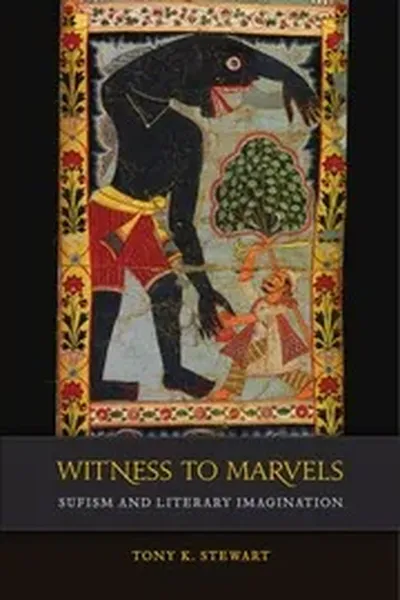
Ikons

 80
80

Ikons
John Tavener’s *Ikons* offers a potent, if sometimes austere, contemplation of the sacred image. Eschewing art-historical jargon for theological depth, the work positions the icon as a vital locus of divine encounter. Tavener argues compellingly that these images are not mere decorations but active participants in spiritual life, a point powerfully made when discussing the icon as a "theology in color." The limitation, however, lies in its density; the book demands a certain familiarity with Orthodox concepts, occasionally leaving the uninitiated reader to grasp at theological threads. A passage describing the iconographer’s prayerful preparation vividly illustrates the spiritual labor involved. While it might benefit from more visual examples to accompany its dense prose, *Ikons* remains a significant contribution to understanding the icon’s profound spiritual function.
📝 Description
80
John Tavener's 1994 book *Ikons* examines the spiritual significance of Orthodox Christian icons.
John Tavener's *Ikons* is not a narrative but a visual and theological examination of Orthodox Christian icons. Published in 1994, the book treats icons as more than art historical objects. It argues they are theological statements and tools for spiritual practice, functioning as windows into the divine and conveying spiritual energy. The work addresses the metaphysical and liturgical role these sacred images hold in Eastern Christianity, viewing them as living presences that facilitate encounters with the sacred.
This book speaks to those interested in Orthodox Christianity, Christian mysticism, and the theology of images. It will resonate with readers seeking to understand the deeper meaning of religious art, especially within the Eastern Christian tradition. Scholars in religious studies, art history, and theology will find it a focused resource on the icon's spiritual function. Artists and practitioners involved with devotional art and sacred space may also find inspiration here.
Emerging during a time of increased Western interest in Orthodox spirituality, *Ikons* addresses the unique theological underpinnings of these sacred images. It moves beyond Western art historical categorization to articulate the icon's distinct spiritual function. This work is situated within broader discussions on sacred art and its role in the church, influenced by thinkers like Pavel Florensky and the Eastern Orthodox theological revival.
💡 Why Read This Book?
• Understand the icon as a "theology in color," a concept central to Orthodox belief, offering a visual articulation of doctrine unavailable in textual form alone. • Grasp the icon's function as a "window" to the divine, enabling a direct spiritual encounter rather than passive observation, a unique perspective on religious art's purpose. • Appreciate the spiritual discipline of the iconographer, as detailed in the text, revealing the sacred nature of artistic creation within the Orthodox tradition.
⭐ Reader Reviews
Honest opinions from readers who have explored this book.
❓ Frequently Asked Questions
What is the primary theological significance of icons in Orthodox Christianity as presented in Tavener's *Ikons*?
Tavener presents icons as "theology in color," serving as windows into the divine rather than mere representations. Their significance lies in facilitating direct spiritual encounter and conveying divine energy, acting as active participants in worship and prayer.
When was John Tavener's book *Ikons* first published?
John Tavener's *Ikons* was first published in 1994, marking a significant contribution to discussions on Orthodox spirituality and sacred art during that period.
Who is Thekla Mother and what is her role in *Ikons*?
Thekla Mother is credited as a contributor to John Tavener's *Ikons*. Her involvement likely pertains to the theological and spiritual aspects of iconography discussed within the work, complementing Tavener's own insights.
Does *Ikons* by John Tavener offer practical advice for creating icons?
While *Ikons* delves into the spiritual and theological underpinnings of icon creation, it is primarily an exploration of their meaning and function. It touches upon the iconographer's discipline but does not serve as a practical how-to guide.
What is the concept of an icon as a "window" to the divine in Tavener's work?
The concept of an icon as a "window" signifies its role in transcending physical representation. It suggests the icon allows the viewer to glimpse and participate in the divine reality it depicts, fostering a spiritual connection.
How does *Ikons* relate to the broader history of Christian art?
*Ikons* distinguishes Orthodox iconography from Western artistic traditions by focusing on its theological function and spiritual efficacy. It highlights how icons, unlike many Western religious artworks, are understood to be conduits of divine grace.
🔮 Key Themes & Symbolism
The Icon as Divine Window
Central to Tavener's exploration is the concept of the icon as a "window" or "door" into the divine realm. This is not understood as mere metaphor but as a functional reality within Orthodox spirituality. The icon, through its specific theological language and aesthetic, is believed to facilitate a direct encounter with the sacred, allowing the faithful to perceive and connect with the heavenly realities it depicts. This perspective moves the icon from an object of veneration to a dynamic interface between the earthly and the divine, a key tenet of Eastern Christian devotional practice.
Theology in Color
Tavener articulates the icon as "theology in color," a visual sermon that conveys Orthodox doctrine in a manner accessible through sight and contemplation. Each element, from the specific pigments used to the gestures and proportions of figures, carries theological weight. This theme emphasizes that icons are not arbitrary artistic expressions but are governed by strict canonicity, ensuring they accurately reflect and communicate the Church's teachings. Understanding this concept reveals icons as integral to Orthodox theological pedagogy and spiritual formation.
Sacred Art and Asceticism
The creation of an icon is presented as a profoundly spiritual act, deeply intertwined with asceticism and prayer. Tavener highlights that the iconographer is not merely an artist but a conduit for divine revelation. The rigorous discipline, fasting, and prayer undertaken by iconographers are essential to imbue the image with spiritual power and authenticity. This theme underscores the belief that the sacredness of the icon originates not solely from its subject matter but from the sacred process of its creation, linking artistic practice to spiritual discipline.
Contrast with Aniconic Traditions
The work implicitly or explicitly contrasts the veneration of icons within Orthodox Christianity with aniconic traditions, particularly within Islam and certain Protestant movements. By exploring the theological rationale for icon veneration, Tavener clarifies why Orthodox Christianity embraces sacred imagery as a means of encountering God, rather than shying away from it. This contextualization helps readers understand the unique position of iconography within Christianity and its theological justification against historical and contemporary criticisms.
💬 Memorable Quotes
Direct passages from the work, attributed to the author.
“The icon is theology in color.”
— This concise statement captures the core argument of the book, suggesting that icons are not merely decorative but are visual expressions of Orthodox doctrine, conveying complex theological truths through their imagery and symbolism.
“An icon is a window.”
— This metaphor highlights the icon's function as a portal or bridge between the earthly and the divine. It implies that looking at an icon is not a passive act but an active engagement that can lead to a spiritual encounter with the sacred reality depicted.
“The sacredness of the image is tied to its creation.”
— This interpretation points to the importance of the spiritual discipline and prayer involved in the icon-making process. It suggests that the authenticity and spiritual power of an icon are deeply connected to the ascetic practices of the artist.
💡 Key Ideas
Editorial paraphrase of the work's core concepts — not direct quotes.
The iconographer is a channel.
This paraphrased concept emphasizes the role of the artist in creating an icon. It suggests that the iconographer is not simply imposing their personal vision but is acting as a vessel through which divine inspiration and truth are conveyed into the image.
Icons are not representations but presences.
This paraphrased concept challenges the common Western understanding of religious art as mere depiction. It asserts that icons are understood within Orthodoxy as containing or conveying the very spiritual reality they portray, making them active participants in worship.
🌙 Esoteric Significance
Tradition
The work deeply engages with the esoteric and mystical dimensions of Orthodox Christianity, particularly through its focus on iconography. It aligns with a lineage that views sacred images not merely as devotional aids but as conduits for divine grace and spiritual transformation, a perspective found in various mystical traditions that emphasize the power of symbolic representation to access higher realities.
Symbolism
Key symbols explored include the icon as a "window" facilitating direct spiritual perception, and the "theology in color" approach, where each hue and gesture carries specific theological meaning. The very act of icon creation, steeped in prayer and asceticism, symbolizes the union of the divine and human in the process of spiritual realization.
Modern Relevance
Contemporary practitioners of Orthodox spirituality, contemplative prayer groups, and those interested in the intersection of art, theology, and mysticism draw upon Tavener's insights. His work informs modern discussions on sacred aesthetics, the psychology of religious experience, and the potential for art to serve as a pathway to the transcendent.
👥 Who Should Read This Book
• Seekers of Orthodox spiritual depth: Individuals interested in understanding the profound theological and mystical significance of icons beyond their artistic merit. • Students of comparative religion and art: Researchers and scholars looking to explore the unique role of sacred imagery within Eastern Christianity and its contrast with other traditions. • Contemplative practitioners: Those engaged in prayer and meditation who wish to learn how visual forms, like icons, can serve as powerful tools for spiritual encounter and inner transformation.
📜 Historical Context
Published in 1994, John Tavener's *Ikons* entered a Western intellectual landscape increasingly receptive to the spiritual depth of Eastern Orthodox traditions. The late 20th century saw a resurgence of interest in contemplative practices and a re-evaluation of sacred art beyond purely aesthetic terms. This period was marked by scholars like Pavel Florensky, whose work on iconography, though from an earlier era, heavily influenced modern theological interpretations. Tavener's book contributed to a broader dialogue with figures like Olivier Clément, who explored the spiritual dimensions of Orthodox life and art. While not facing direct censorship, works exploring the theological power of icons often navigated a delicate path, distinct from the prevailing modes of Western religious art and theology, and sometimes encountered skepticism from those accustomed to more representational or abstract forms.
📔 Journal Prompts
The icon as theology in color: How might visual doctrines inform your understanding?
Contemplating the icon as a "window": What spiritual apertures do you perceive?
The iconographer's ascetic discipline: Reflect on the spiritual labor behind sacred art.
Divine presence in sacred imagery: How does this concept challenge your assumptions?
The interplay of light and form in iconography: What spiritual insights emerge?
🗂️ Glossary
Icon
A religious work of art, typically a painting, in Eastern Christianity, venerated as a sacred image that serves as a window to the divine and conveys theological truths.
Theology in Color
A concept describing icons as visual expressions of Orthodox doctrine, where colors, forms, and gestures convey complex theological ideas and beliefs.
Window to the Divine
The understanding that an icon functions not merely as a representation but as a portal or conduit through which the viewer can experience direct spiritual contact with the sacred.
Iconographer
An artist who creates icons, understood within Orthodox tradition as someone undertaking a sacred task involving prayer, fasting, and adherence to strict theological canons.
Asceticism
A spiritual discipline involving rigorous self-denial and prayer, considered essential for the iconographer to imbue their work with spiritual authenticity and divine inspiration.
Canon (in Iconography)
The established set of rules and traditions governing the style, subject matter, and theological representation within icon painting, ensuring doctrinal accuracy.
Veneration
The act of showing deep respect and honor, particularly towards icons in Eastern Christianity, understood as distinct from worship, which is directed only to God.
🔮 Readers Also Liked
Browse all →







More Free Mysticism & Contemplation Books
View all →