I Will Never Leave You
 72
72

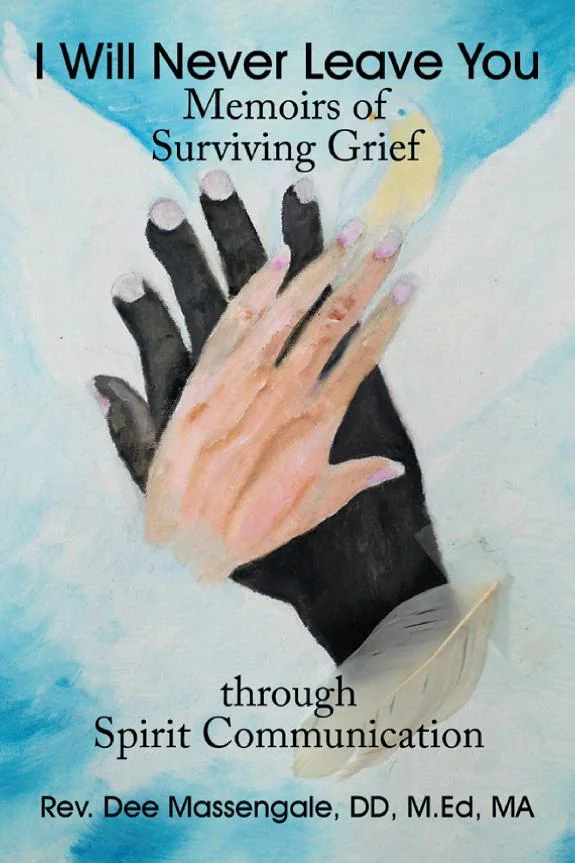
I Will Never Leave You
Rev. Dee Massengale DD M. Ed Ma's "I Will Never Leave You" is less a conventional memoir and more a spiritual testimony. The strength of the work lies in its raw, unvarnished depiction of the profound bond between Massengale and Marial, a former Lost Boy of Sudan. The narrative powerfully conveys the depth of their connection, framing it as a sacred promise that persists beyond mortality. However, the book occasionally leans into an earnestness that might challenge skeptical readers, particularly when detailing the post-mortem communications. The accounts of Marial's spirit communication with his mother, while central to the book's premise, can sometimes feel less like objective reporting and more like deeply personal interpretations of grief and faith. Despite this, the genuine emotion and the unique interweaving of Marial's personal history with spiritual concepts make "I Will Never Leave You" a distinctive exploration of enduring love. It’s a work that invites contemplation on the nature of connection and the possibility of life beyond what we can empirically verify.
📝 Description
72
Rev. Dee Massengale's 2012 book details a spiritual bond with a Lost Boy of Sudan that continued after death.
I Will Never Leave You recounts the deep connection between Rev. Dee Massengale and Marial, a Sudanese orphan adopted into her family. Their relationship, described as a spiritual covenant, is presented as extending beyond Marial's death.
The book details Marial's life and his bond with his adoptive mother. Following Marial's passing, Massengale reports extraordinary occurrences that she interprets as evidence of his continuing presence and active connection. These events suggest that love and spiritual bonds can transcend physical demise.
The narrative is for those who have experienced loss and seek comfort in the idea that love persists after death. It will also interest readers curious about spiritual connections, parapsychology, and stories of cross-cultural adoption and resilience.
Published in 2012, the book enters a spiritualist tradition that affirms continued existence and communication after death. It aligns with narratives of mediums and personal experiences that suggest a spiritual plane where relationships persist. The work touches on themes common in spiritualism, such as the power of love as an eternal force and the possibility of interaction with departed souls, positioning itself within a broader discourse on the afterlife and the nature of consciousness.
💡 Why Read This Book?
• Gain a unique perspective on spiritual connection by exploring the concept of a covenant that transcends physical death, as exemplified by the relationship between Rev. Dee Massengale and Marial. • Understand the profound impact of adoption and chosen family through Marial's personal journey from the Sudan to his bond with his American mother. • Contemplate the nature of grief and remembrance through the book's accounts of spirit communication and the enduring presence of love after loss.
⭐ Reader Reviews
Honest opinions from readers who have explored this book.
❓ Frequently Asked Questions
What is the core message of 'I Will Never Leave You'?
The core message is that love, particularly the profound bond between Rev. Dee Massengale and Marial, is a spiritual force that transcends physical death, creating a connection that endures beyond life.
Who was Marial in relation to Rev. Dee Massengale?
Marial was a Lost Boy of Sudan who was adopted by Rev. Dee Massengale, forming a deep, mother-son relationship that the book describes as a spiritual covenant.
When was 'I Will Never Leave You' first published?
The book 'I Will Never Leave You' was first published in October 2012.
What kind of experiences does the book describe after Rev. Massengale's death?
The book describes Marial's experiences of spirit communication with his adoptive mother, Rev. Massengale, suggesting her continued presence and interaction with him.
Is this book about grief counseling?
While it addresses themes of loss and grief, 'I Will Never Leave You' is primarily a personal spiritual testimony about enduring love and connection, rather than a how-to guide for grief counseling.
What makes the relationship in the book unique?
The relationship is unique due to Marial's background as one of the Lost Boys of Sudan, the cross-cultural and adoptive nature of their bond, and the spiritual dimension of their connection that reportedly continues post-mortem.
🔮 Key Themes & Symbolism
Enduring Spiritual Covenant
The work posits that the love between Rev. Dee Massengale and Marial forms a spiritual covenant, a sacred bond that is not extinguished by death. This concept moves beyond typical understandings of familial love, suggesting a metaphysical connection that allows for continued interaction and presence, even after physical separation. It frames their relationship as a evidence of the soul's persistence and the unbreakable nature of genuine affection.
Chosen Family and Adoption
Central to the narrative is the theme of chosen family, particularly through the lens of adoption. Marial, a Lost Boy of Sudan, finds a maternal anchor in Rev. Massengale, forging a profound connection that overrides biological ties or past trauma. The book highlights how adoption can create deep, spiritual bonds, emphasizing that family is defined by love and commitment rather than solely by blood relations.
Spirit Communication and Grief
The book explores the possibility of communication with departed loved ones as a means of navigating grief. It presents Marial's experiences with Rev. Massengale's spirit as evidence of an afterlife and the potential for continued dialogue. This aspect offers comfort and a unique perspective on loss, suggesting that the essence of a person and their love can remain accessible, providing solace to those who mourn.
Resilience of the Soul
Marial's journey as one of the Lost Boys of Sudan inherently speaks to resilience. This resilience is further explored through his spiritual experiences and his unwavering connection to Rev. Massengale. The narrative suggests that the human spirit, even after immense hardship and loss, possesses an inherent capacity for love, connection, and spiritual growth that can lead to extraordinary outcomes.
💬 Memorable Quotes
Direct passages from the work, attributed to the author.
“His answer was always the same, 'I will never leave you.'”
— This recurring promise from Marial to Rev. Massengale serves as the book's central thesis, framing their relationship as a spiritual contract that endures beyond death and physical presence.
“The jaw dropping accounts of Marial's spirit communication with his mom will make you laugh, while his story on earth will make you...”
— This excerpt highlights the dual nature of the book: it promises both profound spiritual experiences and touching, humanizing accounts of Marial's life journey, suggesting a blend of the extraordinary and the relatable.
“Surviving Grief is an amazing story of love between one of the Lost Boys of Sudan and his American 'mom' that literally transcends the grave.”
— This statement frames the book's core narrative as an exceptional love story, emphasizing its spiritual dimension and its ability to overcome the ultimate separation of death.
“Having no family of her own, Dr. Massengale repeatedly asked Marial if he would take care of her when she got old.”
— This detail underscores the depth of Rev. Massengale's vulnerability and her profound trust in Marial, establishing the foundation for their unique, lifelong spiritual commitment and mutual care.
“a promise he has kept even after his untimely death.”
— This phrase directly asserts the continuation of Marial's promise beyond Rev. Massengale's passing, indicating the book's focus on posthumous connection and spiritual fidelity.
🌙 Esoteric Significance
Tradition
While not explicitly aligning with a single named esoteric tradition like Hermeticism or Gnosticism, 'I Will Never Leave You' draws from a broad spiritualist and New Age current. Its emphasis on personal experience, direct spirit communication, and the power of love as a metaphysical force aligns with post-Theosophical spiritual movements that prioritize individual spiritual journeys and the accessibility of the divine or spirit realm.
Symbolism
The 'Lost Boys of Sudan' themselves can be seen as a potent symbol of survival, displacement, and the search for belonging, representing a soul's journey through immense hardship. The concept of the 'spiritual covenant' functions as a central symbol, representing an unbreakable energetic or soul-level bond that defies physical laws. Rev. Massengale's maternal role symbolizes nurturing, unconditional love, and a guiding spiritual presence.
Modern Relevance
This work remains relevant for contemporary spiritual seekers interested in mediumship, the persistence of consciousness after death, and the practical application of love as a spiritual force. Thinkers and practitioners in fields like grief counseling, transpersonal psychology, and those exploring quantum spirituality might find its narrative compelling as a case study in enduring connection and the subjective experience of the afterlife.
👥 Who Should Read This Book
• Individuals seeking comfort and affirmation in the belief that love endures beyond physical death, particularly those who have experienced significant loss. • Readers interested in narratives of cross-cultural connection and the lasting impact of adoption, offering a unique perspective on chosen family. • Those exploring spiritual phenomena, including spirit communication and the potential for continued consciousness, who appreciate personal testimonies grounded in deeply felt relationships.
📜 Historical Context
Published in 2012, "I Will Never Leave You" emerged during a period marked by widespread interest in personal narratives of overcoming adversity and exploring spiritual phenomena. The early 2000s saw increased media attention on the 'Lost Boys of Sudan,' making their stories of displacement and resilience culturally resonant. Rev. Dee Massengale's work intersects with this broader fascination, offering a unique spiritual interpretation of a survivor's journey. In the area of spiritual literature, the early 2010s witnessed a continued engagement with themes of life after death, mediumship, and the power of love to transcend physical limitations. While not directly engaging with specific academic debates, Massengale's book contributes to a popular spiritual discourse that often runs parallel to, or diverges from, more established religious doctrines, providing a personal evidence of spiritual beliefs and experiences.
📔 Journal Prompts
Marial's promise, 'I will never leave you,' and its implications for enduring connection.
Reflect on the concept of a spiritual covenant as depicted between Rev. Massengale and Marial.
The journey of a Lost Boy of Sudan and its connection to spiritual resilience.
Experiences of spirit communication and their role in navigating grief.
The definition of family forged through love and commitment, transcending biological ties.
🗂️ Glossary
Lost Boys of Sudan
A group of over 20,000 boys who were orphaned or separated from their families during the Second Sudanese Civil War, many of whom later immigrated to the United States.
Spirit Communication
The practice or belief in communicating with the spirits of deceased individuals, often through mediums or perceived personal experiences, suggesting their continued existence and awareness.
Spiritual Covenant
A sacred, unbreakable bond or agreement between individuals or between an individual and a higher power/spiritual realm, believed to transcend physical existence and earthly limitations.
Chosen Family
A group of people who are not related by blood or marriage but form deep, supportive, and loving relationships akin to a traditional family unit.
Transcendence
The state or quality of existing above or beyond the limits of material experience, physical reality, or ordinary perception.
Adoption
The legal and social process of taking a child into one's family and raising them as one's own, creating a parent-child relationship.
Grief
Deep sorrow, especially that caused by someone's death; the process of experiencing and coping with loss.
This book appears in 1 collection
🔮 Readers Also Liked
Browse all →








From the “Spirit Communication” Collection
View all →





More Free Occult Philosophy Books
View all →