67
67

Hymns and spiritual songs



Aurelia Blackwood (Occult Philosophy Critic) — Isaac Watts' 'Hymns and Spiritual Songs' offers a surprisingly rich vein of esoteric contemplation for a work of its time. Watts, while ostensibly a theologian, imbues his verses with a profound sense of divine immanence and the soul's ascent, hinting at deeper spiritual mechanics. The hymns function as meditative keys, unlocking inner sanctuaries and fostering a direct, unmediated experience of the numinous. For students of contemplative practices and comparative mysticism, this collection provides invaluable textual anchors. Its strength lies in its accessible yet profound language, making it an ideal entry point for those exploring devotional paths with an esoteric bent.
📝 Description
Venture into the luminous heart of devotion with Isaac Watts' 'Hymns and Spiritual Songs,' a collection that transcends mere verse to become a conduit for divine communion. Within these hallowed pages, Watts masterfully weaves threads of ancient wisdom with the burgeoning spiritual currents of his age, offering profound meditations that resonate with seekers of hidden knowledge. Each hymn is a meticulously crafted invocation, designed to stir the soul and illuminate the inner landscape. Beyond the surface of devotional poetry, a deeper stratum of mystical symbolism unfolds, revealing pathways to understanding the ineffable. This work is an essential guide for those who perceive the sacred not just in doctrine, but in the resonant echoes of the divine within the human spirit. It speaks to the soul yearning for transcendence, offering solace and profound insight into the mysteries of faith and existence, a beacon for those navigating the esoteric journey.
✍️ Author
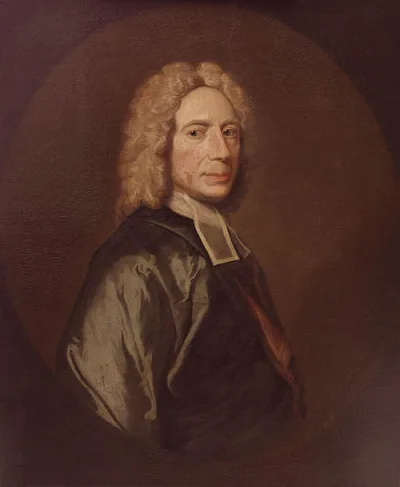
Isaac Watts
Isaac Watts (17 July 1674 – 25 November 1748) was an English Congregational minister, hymn writer, theologian, and logician. He was a prolific and popular hymn writer and is credited with some 750 hymns.
💡 Why Read This Book?
Explore the profound spiritual depths of English hymnody, revealing hidden symbolic language and contemplative pathways. Ideal for seekers of esoteric wisdom, scholars of religious texts, and practitioners of devotional magic, 'Hymns and Spiritual Songs' offers a unique lens into the mystical underpinnings of faith, fostering inner reflection and spiritual growth.
⭐ Reader Reviews
Honest opinions from readers who have explored this book.
❓ Frequently Asked Questions
Are these hymns suitable for non-Christian spiritual practices?
While rooted in Christian tradition, the universal themes of divine connection, inner peace, and soul aspiration can resonate deeply with individuals from diverse spiritual backgrounds, offering a framework for personal contemplation.
What makes these hymns 'esoteric'?
The esoteric dimension lies in their capacity to evoke profound inner states, their use of symbolic language pointing beyond literal interpretation, and their function as tools for spiritual ascent and communion with the divine.
How can these hymns be used in personal practice?
They can be used for meditative recitation, as prompts for journaling and contemplation, or as a source of inspiration for creative spiritual work, fostering a deeper connection to the sacred.
Is prior knowledge of theology required?
No prior theological knowledge is strictly necessary. The hymns speak directly to the heart and soul, though an appreciation for symbolism and spiritual inquiry will enhance the reading experience.
What is the historical significance of Isaac Watts?
Isaac Watts is considered the 'Father of English Hymnody,' revolutionizing congregational singing and establishing a new standard for theological depth and poetic artistry in religious verse.
🔮 Key Themes & Symbolism
The Ascent of the Soul
This theme explores the journey of the individual soul from earthly limitations towards divine union. Watts’ hymns often depict a yearning for transcendence, a shedding of worldly concerns, and a fervent desire to draw closer to the divine presence. The verses act as navigational charts for this inner pilgrimage, highlighting moments of struggle, revelation, and ultimate spiritual homecoming. It speaks to the inherent human drive for higher consciousness and the potential for transformative spiritual growth through focused devotion and inner contemplation.
Divine Immanence and Transcendence
Watts grapples with the paradox of a God who is both intimately present within creation and immeasurably beyond it. The hymns explore the subtle ways the divine manifests in the natural world, in the human heart, and in moments of quiet contemplation. Simultaneously, they convey the awe-inspiring majesty of a transcendent power, urging reverence and humility. This duality provides a rich tapestry for understanding the multifaceted nature of the divine, encouraging a balanced perspective of immanent connection and transcendent awe.
The Language of Symbol and Metaphor
Beyond their literal religious meaning, Watts’ hymns are rich with symbolic language that invites deeper interpretation. Light, darkness, journeys, gardens, and celestial imagery are employed to represent spiritual states, divine attributes, and the challenges of the spiritual path. Understanding these symbols unlocks layers of meaning, transforming the hymns from simple songs into potent keys for unlocking inner understanding and facilitating a more profound engagement with spiritual truths. This symbolic richness appeals to those drawn to the esoteric traditions that rely on metaphor for conveying subtle wisdom.
💬 Memorable Quotes
“When I can reach that golden strand,”
— This evokes the spiritual quest for a realm of pure divine light and ultimate peace, symbolizing the soul's journey towards enlightenment and the beatific vision.
“My God, my life, my all I see”
— A profound declaration of absolute surrender and recognition of the divine as the sole source of existence, purpose, and ultimate fulfillment.
“O Love Divine, that passed all thought!”
— Expresses the ineffable and incomprehensible nature of divine love, acknowledging its vastness and mystery which surpasses human comprehension.
“The cross it stood in realms of night,”
— This imagery suggests the crucifixion as a pivotal event occurring within the darkness of ignorance and suffering, yet bringing forth ultimate spiritual illumination and redemption.
“And faith shall triumph over fear,”
— A powerful affirmation of the redemptive and empowering nature of faith, capable of overcoming all anxieties and obscuring doubts that plague the human spirit.
🌙 Esoteric Significance
Tradition
While not explicitly a practitioner of a singular esoteric school, Watts' hymns resonate deeply with the contemplative and mystical traditions of Christianity, particularly within the lineage of figures like St. John of the Cross and Teresa of Ávila. His emphasis on the soul's direct communion with God, the inward journey, and the use of evocative symbolism aligns with Neoplatonic influences and the Gnostic pursuit of divine knowledge. The hymns serve as a form of 'theurgical' poetry, intended to facilitate spiritual ascent and transformation.
Symbolism
Watts employs a rich lexicon of symbols: 'light' representing divine presence and knowledge, 'darkness' signifying ignorance or spiritual distress, 'journeys' and 'pilgrimages' denoting the soul's path, and celestial imagery (stars, heavens) pointing towards the divine realm. Water often symbolizes purification and spiritual renewal, while the 'cross' stands as a central symbol of sacrifice, redemption, and the paradoxical victory over suffering. These symbols function as keys, unlocking deeper theological and spiritual meanings for the earnest seeker.
Modern Relevance
In an age often characterized by spiritual seeking outside traditional structures, Watts' hymns offer a profound anchor. Their timeless exploration of the human soul's yearning for meaning, connection, and transcendence remains acutely relevant. For modern practitioners of contemplative prayer, mindfulness, or esoteric studies, these hymns provide a rich source of meditative material, fostering introspection, inner peace, and a deeper understanding of the divine presence within and without. They bridge historical faith with contemporary spiritual exploration.
👥 Who Should Read This Book
This collection is a treasure for the dedicated spiritual seeker, offering profound meditations that transcend denominational boundaries. Scholars of religious history and literature will find invaluable insights into the development of English hymnody and its theological underpinnings. For practitioners of esoteric arts, the hymns serve as potent tools for contemplation and devotional practice, aiding in the cultivation of inner states and communion with the divine. Beginners on the spiritual path will discover accessible yet deeply resonant expressions of faith and existential inquiry, fostering personal growth and spiritual awareness.
📜 Historical Context
Penned during the early 18th century, a period of significant intellectual and religious ferment in England, Isaac Watts' 'Hymns and Spiritual Songs' emerged from the evolving landscape of Nonconformist Protestantism. This era witnessed a growing emphasis on personal piety and direct spiritual experience, moving away from purely ritualistic forms of worship. Watts, a prolific theologian and hymn writer, sought to provide accessible yet theologically rich devotional material that could be sung by congregations. His work reflects the Enlightenment's intellectual currents, often incorporating reasoned theological arguments within poetic structures, while simultaneously tapping into a deep wellspring of mystical and contemplative traditions that sought to articulate the ineffable nature of God and the soul's relationship with the divine.
📔 Journal Prompts
Reflect on a time you felt a profound sense of divine presence. What imagery or sensations did you experience?
How does the concept of 'light' versus 'darkness' manifest in your own spiritual journey?
Consider a personal 'pilgrimage' or significant inner journey you have undertaken. What were its challenges and revelations?
Explore the meaning of 'divine love' in your life. How does it surpass your understanding?
What fears currently obscure your spiritual vision, and how can faith serve as a triumph over them?
🗂️ Glossary
Immanence
The belief that God is present within the universe and all of creation, actively involved in its processes and accessible through experience.
Transcendence
The belief that God exists beyond the physical universe and human comprehension, being supreme and independent of the material world.
Numenous
The mysterious, awe-inspiring, and often terrifying quality of the divine or sacred that evokes a sense of wonder and reverence.
Theurgy
A system of ritualistic practices aimed at invoking divine beings or influencing spiritual forces, often for the purpose of spiritual purification and enlightenment.
Beatific Vision
In Christian theology, the direct, intuitive apprehension of God in the afterlife, considered the ultimate state of blessedness and spiritual fulfillment.