Hormon-Yoga
 71
71

Hormon-Yoga
Dinah Rodrigues's Hormon-Yoga offers a compelling, if somewhat specialized, approach to endocrine health through Hatha Yoga. The strength of the book lies in its clear articulation of a unique system, linking specific yogic practices to physiological targets – a concept that has gained traction in holistic health circles. Rodrigues's decades of experience as a yoga teacher are evident in the structured presentation. However, the text could benefit from more extensive scientific validation or case studies to bolster its claims beyond anecdotal evidence or traditional yogic theory. The section on the role of specific bandhas in stimulating the pituitary gland, while intriguing, remains within the realm of energetic interpretation rather than empirically proven physiological action. Ultimately, Hormon-Yoga is a valuable resource for dedicated practitioners seeking to explore yoga's potential for hormonal regulation, provided they approach it with an open mind to its energetic framework.
📝 Description
71
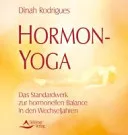
In 2011, Dinah Rodrigues published Hormon-Yoga, a Hatha Yoga system designed to balance the endocrine system.
Hormon-Yoga presents a specific Hatha Yoga system developed by Dinah Rodrigues. This practice integrates asanas, pranayama, and bandhas to directly stimulate and balance the endocrine glands. Unlike more general yoga approaches, Hormon-Yoga employs a precise sequence and energetic focus tailored for hormonal well-being. The system operates on the understanding that specific physical postures can influence glandular function.
Rodrigues designed this method primarily for women experiencing hormonal imbalances or seeking natural ways to support their endocrine health. It appeals to those interested in a holistic approach to women's health, addressing issues related to menstruation, menopause, and fertility. Individuals with some yoga experience who want to explore its physiological and energetic effects will find this system valuable. It is also a resource for yoga instructors looking to broaden their therapeutic offerings.
Hormon-Yoga emerged in the late 20th century, a period of renewed interest in yoga's therapeutic potential and the endocrine system. While traditional Hatha Yoga discusses prana and subtle energies, Rodrigues's work provides a structured methodology for directly influencing hormonal balance. It contrasts with Western medical approaches by offering an internal, energetic, yogic path to physiological harmony. This system connects physical practice to subtle energetic flows impacting glandular health.
💡 Why Read This Book?
• Learn a structured Hatha Yoga system designed by Dinah Rodrigues to specifically target and balance the endocrine system, offering a unique approach to hormonal well-being beyond general yoga. • Understand the energetic principles behind Hormon-Yoga, including how specific asanas, pranayama, and bandhas are intended to stimulate glands like the ovaries and thyroid, as first outlined around 2011. • Gain practical techniques for women's health, exploring how a focused yoga practice can support menstrual cycles, menopause, and fertility through the lens of energetic physiology.
⭐ Reader Reviews
Honest opinions from readers who have explored this book.
❓ Frequently Asked Questions
What is the primary goal of Dinah Rodrigues's Hormon-Yoga system?
The primary goal of Hormon-Yoga is to stimulate and balance the endocrine system through specific Hatha Yoga techniques. Developed by Dinah Rodrigues, it aims to support women's hormonal health naturally.
Is Hormon-Yoga suitable for beginners or experienced yogis?
While the core principles can be adapted, Hormon-Yoga's detailed sequences and energetic focus are most beneficial for individuals with some prior yoga experience. It offers a specialized depth for those looking to explore hormonal well-being.
Does Hormon-Yoga have scientific backing?
Hormon-Yoga is primarily based on yogic philosophy and energetic principles. While there is growing interest in yoga's impact on the endocrine system, specific scientific studies validating Rodrigues's unique methodology are still emerging.
When was Hormon-Yoga first published?
Dinah Rodrigues's seminal work on Hormon-Yoga was first published in 2011, consolidating years of her research and practice into this specialized yoga system.
Can men practice Hormon-Yoga?
While Hormon-Yoga was primarily developed for women's hormonal health, its underlying principles of energetic stimulation and endocrine balance could potentially be adapted. However, the specific sequences are tailored to female physiology.
What are the key components of a Hormon-Yoga practice?
A Hormon-Yoga practice involves a precise combination of asanas (postures), pranayama (breathing exercises), and bandhas (energetic locks), all sequenced to energetically stimulate the endocrine glands.
🔮 Key Themes & Symbolism
Endocrine System Stimulation
This theme centers on the direct application of yogic techniques to influence glandular function. Hormon-Yoga posits that specific postures, breathwork, and energetic locks can stimulate glands like the ovaries, thyroid, and adrenals. The system, first presented in detail around 2011, moves beyond general well-being to offer targeted energetic interventions. It explores how concentrated prana, directed through precise movements and breath, can support hormonal regulation and promote a sense of internal equilibrium, addressing common imbalances.
Energetic Anatomy
Hormon-Yoga emphasizes an understanding of the body's subtle energetic pathways and centers, particularly as they relate to the endocrine glands. It maps yogic practices onto these energetic maps, suggesting that certain asanas and bandhas create resonance or pressure points that directly affect glandular activity. This perspective aligns with traditional yogic concepts of prana and chakras, reinterpreted by Dinah Rodrigues to offer a practical system for hormonal health, focusing on the interplay between physical form and vital energy flow.
Holistic Women's Health
The practice is fundamentally oriented towards supporting women's physiological and emotional well-being through natural means. It addresses common life stages and imbalances associated with hormonal fluctuations, such as menstruation and menopause. By integrating mind, body, and energy, Hormon-Yoga offers a comprehensive approach that seeks to empower women to take an active role in their endocrine health. This holistic perspective views hormonal balance as integral to overall vitality and quality of life.
Structured Yogic Methodology
This theme highlights the systematic nature of Hormon-Yoga as developed by Dinah Rodrigues. It is not a random collection of poses but a carefully sequenced methodology that builds over time. The book details specific sequences and techniques that are intended to be practiced consistently to achieve desired effects. This structured approach differentiates it from more generalized yoga practices, offering practitioners a clear, step-by-step system to follow for dedicated hormonal support.
💬 Memorable Quotes
Direct passages from the work, attributed to the author.
“Specific bandhas can create energetic resonance to stimulate glandular activity.”
— This highlights a key mechanism within Hormon-Yoga, suggesting that the controlled muscular contractions and energetic locks are not just for stability but serve a direct purpose in stimulating hormonal production.
“Hatha Yoga offers a natural pathway to support women's hormonal health.”
— This interpretation emphasizes the book's focus on women and its presentation of yoga as a natural, internal method for addressing common health concerns related to hormonal cycles.
“The precise sequence of asanas is crucial for Hormon-Yoga's effectiveness.”
— This points to the importance of methodology in Rodrigues's system, indicating that the order and form of the postures are as significant as the postures themselves for achieving the intended energetic effects.
💡 Key Ideas
Editorial paraphrase of the work's core concepts — not direct quotes.
The endocrine glands are energetic centers influenced by specific yogic practices.
This paraphrase captures the core premise of Hormon-Yoga: that the physical and energetic techniques of yoga can directly impact the endocrine system's function and balance.
Energetic circulation is key to balancing the endocrine system.
This paraphrased concept underscores the role of prana and its movement within the body according to Hormon-Yoga principles, linking the flow of vital energy to glandular health.
🌙 Esoteric Significance
Tradition
Hormon-Yoga draws heavily from the energetic principles found within traditional Hatha Yoga lineages, particularly concepts of prana, nadis (energy channels), and chakras (energy centers). While not strictly adhering to a single codified esoteric school like Kabbalah or Hermeticism, it reinterprets these fundamental yogic energetic concepts through a modern lens. Rodrigues applies these ancient understandings to a specific physiological system – the endocrine glands – creating a practical, somatic system for achieving balance and well-being within the broader context of yogic philosophy.
Symbolism
Key symbolism in Hormon-Yoga relates to the endocrine glands themselves, viewed as energetic power centers. The ovaries, for instance, are often associated with feminine creative energy and lunar cycles within yogic symbolism, while the thyroid relates to communication and transformation. The practice itself, with its precise postures and energetic locks (bandhas), can be seen as symbolic of the body's internal mechanisms for maintaining equilibrium – a microcosm of cosmic order achieved through disciplined physical and energetic engagement.
Modern Relevance
In contemporary wellness culture, Hormon-Yoga speaks to the growing demand for natural, holistic approaches to health, particularly for women. Thinkers and practitioners exploring somatic therapies, embodied cognition, and the mind-body connection often find value in its systematic approach. Schools and practitioners focusing on reproductive health, menopause management, and stress reduction through yoga frequently incorporate or are influenced by Rodrigues's methodology, demonstrating its continued relevance in addressing modern health challenges.
👥 Who Should Read This Book
• Women experiencing hormonal fluctuations or seeking natural support for endocrine balance, who are looking for a structured, yoga-based system. • Yoga practitioners and instructors interested in delving deeper into the therapeutic and physiological applications of Hatha Yoga, specifically for hormonal health. • Individuals curious about the intersection of ancient yogic energetic principles and modern understanding of the endocrine system, seeking practical techniques.
📜 Historical Context
Dinah Rodrigues developed Hormon-Yoga over many years, with its detailed exposition appearing in print around 2011. This period saw a significant rise in Western interest in yoga's therapeutic potential, moving beyond its spiritual or purely physical aspects. Rodrigues's work emerged within this milieu, carving out a niche by focusing specifically on the endocrine system, a topic gaining increasing attention in both alternative and conventional health discourse. While many yoga teachers explored therapeutic applications, Rodrigues's systematic approach to hormonal balance through specific asana-pranayama-bandha sequences was distinctive. Her work can be seen as a contemporary development within the broader Hatha Yoga tradition, offering a practical, energetic methodology that complements, rather than directly engages with, the pharmaceutical and medical approaches to hormonal health prevalent at the time.
📔 Journal Prompts
Reflect on the energetic stimulation of your ovaries through specific asanas in Hormon-Yoga.
Consider how the practice of bandhas in Hormon-Yoga might influence your endocrine glands.
Analyze the connection between thyroid stimulation and your communication patterns.
Explore the concept of prana circulation as applied to hormonal balance in your practice.
Document your experience with the Hormon-Yoga sequences targeting adrenal support.
🗂️ Glossary
Hormon-Yoga
A specific Hatha Yoga system developed by Dinah Rodrigues, integrating asanas, pranayama, and bandhas to stimulate and balance the endocrine system.
Endocrine System
The network of glands that produce and secrete hormones, chemical messengers that regulate various bodily functions including metabolism, growth, and reproduction.
Asana
A physical posture in Hatha Yoga, practiced for its physical, energetic, and mental benefits. In Hormon-Yoga, specific asanas are chosen for their direct impact on glands.
Pranayama
The yogic practice of controlling breath, involving specific breathing techniques to influence vital energy (prana) and consciousness.
Bandha
An energetic lock or contraction in yoga, involving specific muscle groups to redirect and concentrate prana, often used in Hormon-Yoga to stimulate glands.
Prana
The vital life force or energy that permeates all living beings, believed to be regulated and directed through yogic practices like pranayama.
Ovaries
The primary reproductive glands in females, responsible for producing eggs and hormones like estrogen and progesterone, targeted by specific Hormon-Yoga techniques.