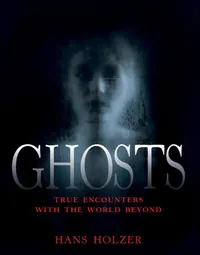
Ghosts

 82
82

Ghosts
Ibsen’s "Ghosts" remains a potent, if uncomfortable, examination of familial decay and societal rot. The play’s enduring power lies in its relentless focus on the consequences of buried truths, particularly the hereditary specter of syphilis, which infects not just the body but the very soul of the Alving family. The dialogue, sharp and unsparing, exposes the hollowness of bourgeois morality as embodied by the well-meaning but ultimately destructive Pastor Manders. A key strength is the character of Helene Alving, whose desperate attempts to build a sanatorium for her consumptive son Osvald, while simultaneously confronting the legacy of her deceased, syphilitic husband, create a compelling tragic arc. The play's primary limitation, for a modern reader, is its very explicitness for the era; while groundbreaking in 1882, some of the dramatic revelations might feel less shocking today, though their thematic weight remains considerable. Ultimately, "Ghosts" serves as a searing indictment of a society that prioritizes appearances over genuine well-being.
📝 Description
82
Henrik Ibsen's 'Ghosts' premiered in 1882, challenging Victorian morality with its frank depiction of inherited illness.
This edition presents Henrik Ibsen's 1882 play, 'Ghosts.' The title does not refer to spirits but to the persistent influence of the past, specifically inherited disease and the moral compromises of the Alving family and Pastor Manders. Ibsen uses the Alving household to critique the hypocrisy of a society that suppresses uncomfortable truths, particularly regarding venereal disease and its hereditary effects. The play dissects the rigid moral code of late 19th-century Norway, exposing the consequences of concealed actions.
'Ghosts' is recommended for those interested in early modern drama and social realism. It appeals to readers who appreciate confronting difficult subjects and questioning conventional morality and religious doctrine. Scholars of Ibsen, students of 19th-century European literature, and individuals interested in the historical representation of disease, family dynamics, and the conflict between personal desires and societal pressures will find the work significant.
While 'Ghosts' is primarily a work of social realism, its focus on the inescapable burdens of the past and the psychological inheritance of trauma aligns with certain esoteric traditions concerned with ancestral memory and karmic patterns. The play's exploration of how unacknowledged sins and hidden histories manifest in the present, affecting subsequent generations, resonates with ideas found in spiritualism and philosophies that examine the unseen forces shaping human lives and destinies. Ibsen's critique of rigid, hypocritical institutions also touches upon the esoteric notion of questioning established dogma to uncover deeper, often suppressed, truths about human nature and existence.
💡 Why Read This Book?
• Understand the devastating impact of inherited traits and societal secrets, as exemplified by the Alving family's struggle with hereditary syphilis, a concept central to the play's plot. • Analyze the conflict between religious dogma and personal morality, particularly through the character of Pastor Manders and his rigid interpretations of duty in 1880s Norway. • Explore the psychological toll of suppressed desires and past traumas, recognizing how Mrs. Alving’s choices shape her children's futures, a theme vividly illustrated by the sanatorium's fate.
⭐ Reader Reviews
Honest opinions from readers who have explored this book.
❓ Frequently Asked Questions
What is the primary meaning of "Ghosts" in Ibsen's play?
The title "Ghosts" refers not to literal spirits but to the haunting legacy of inherited diseases, past sins, and unacknowledged truths that plague the Alving family and influence their present lives.
When was Henrik Ibsen's "Ghosts" first published or performed?
Henrik Ibsen's "Ghosts" was first published and performed in 1882, a date significant for its controversial subject matter.
What societal issues does "Ghosts" by Ibsen address?
The play confronts issues such as venereal disease, its hereditary consequences, the hypocrisy of bourgeois morality, the limitations placed on women, and the conflict between religious doctrine and personal ethics.
Who are the main characters in "Ghosts"?
The central characters are Helene Alving, her son Osvald Alving, Pastor Manders, Regina Engstrand, and Jacob Engstrand. Their interactions drive the play's exploration of inheritance and morality.
Why was "Ghosts" considered so controversial in the 19th century?
Its frank depiction of syphilis, its critique of marriage and family structures, and its challenge to conventional religious and moral beliefs led to widespread censorship and outrage upon its initial release.
What is the significance of the sanatorium mentioned in the play?
The sanatorium, intended to help Osvald manage his inherited illness, symbolizes both a hope for a brighter future free from hereditary "ghosts" and a tragic foreshadowing of inevitable decay.
🔮 Key Themes & Symbolism
The Spectre of Heredity
The play posits that "ghosts" are not supernatural entities but the inescapable consequences of inherited physical and moral ailments. Ibsen uses the affliction of syphilis, passed from father to son, as a potent metaphor for the burdens of lineage. The work challenges the Enlightenment ideal of individual agency by suggesting that past generations' transgressions, particularly the father's undisclosed illness, manifest with devastating inevitability in the present generation, shaping destinies beyond personal control.
Hypocrisy of Bourgeois Morality
Ibsen meticulously dissects the veneer of respectability in 19th-century Norwegian society, particularly through the character of Pastor Manders. His rigid adherence to conventional morality and religious dogma blinds him to the suffering and truths hidden beneath the surface of family life. The play contrasts Manders's abstract principles with Mrs. Alving's pragmatic, albeit painful, confrontation with reality, exposing the destructive nature of societal expectations that value reputation over genuine human welfare.
Freedom vs. Duty
A central conflict in "Ghosts" is the tension between personal freedom and societal or familial duty. Helene Alving initially sacrifices her happiness and marries Captain Alving to uphold societal norms, only to discover the devastating cost of that decision. Her son Osvald embodies a yearning for life and light, a desire for freedom from the "ghosts" of his inheritance, creating a profound dilemma for the characters and the audience.
The Illusion of Progress
The establishment of the sanatorium, intended as a monument to Captain Alving's philanthropy and a means to escape the past, ironically becomes the site where the family's inherited doom culminates. This serves as a bleak commentary on the limitations of human endeavor and the potentially illusory nature of progress when built upon foundations of deceit and denial.
💬 Memorable Quotes
Direct passages from the work, attributed to the author.
“Light, light, light! That is the one thing I long for.”
— Spoken by Osvald Alving, this expresses his desperate yearning for truth, clarity, and freedom from the oppressive secrets and inherited diseases that haunt his family and his own life.
“The only thing I have to comfort me is the thought that it was not my own fault.”
— This interpretation reflects Mrs. Alving's internal struggle, her attempts to rationalize her past choices and the tragic circumstances that have befallen her family, seeking solace in the idea of inherited culpability.
“Why should I not have joy, too?”
— This question, reflecting Osvald's desire for life and happiness, directly challenges the rigid moral framework imposed by society and Pastor Manders, highlighting the conflict between personal fulfillment and societal expectation.
💡 Key Ideas
Editorial paraphrase of the work's core concepts — not direct quotes.
I am almost afraid of the consequences.
This line, often spoken by Pastor Manders, captures his character's fear of confronting uncomfortable truths and his preference for maintaining societal order over addressing underlying problems.
It is not only the body that is inherited, but also the mind.
This paraphrased concept highlights the play's core theme of heredity, suggesting that moral and psychological traits, as well as physical ailments like syphilis, are passed down through generations.
🌙 Esoteric Significance
Tradition
While not explicitly aligned with a single esoteric lineage, "Ghosts" speaks to Gnostic and Hermetic themes concerning the material world as a prison and the concept of hidden knowledge. The inherited "disease" can be seen as a manifestation of a flawed creation or an inescapable karmic debt. The play's focus on the unseen forces (heredity, past sins) that dictate present reality aligns with esoteric traditions that emphasize the interconnectedness of all things and the influence of subtle planes of existence.
Symbolism
The "ghosts" themselves are potent symbols of the past's inescapable influence and the hidden corruptions within seemingly respectable structures. The pervasive theme of illness, particularly syphilis, symbolizes moral decay and the consequences of unacknowledged truths. The recurring motif of light versus darkness (Osvald's longing for light, the gloomy setting) represents the struggle between enlightenment and ignorance, truth and deception.
Modern Relevance
Contemporary discussions surrounding genetic predispositions, inherited trauma, and the psychological impact of family secrets echo the concerns of "Ghosts." Thinkers in fields like epigenetics and intergenerational trauma studies implicitly engage with Ibsen's exploration of how past events and biological legacies shape present lives. The play's critique of performative morality also remains relevant in an age of social media transparency and accountability.
👥 Who Should Read This Book
• Students of 19th-century drama and social realism, seeking to understand the evolution of theatrical discourse and its engagement with controversial topics. • Readers interested in the psychological impact of inherited traits and family secrets, exploring how past events manifest in contemporary lives. • Scholars of Ibsen's work and European literary history, looking for primary source material on the naturalist movement and its societal reception.
📜 Historical Context
Henrik Ibsen's "Ghosts," first performed in 1882, emerged from a Europe grappling with rapid industrialization, burgeoning scientific thought, and intense social conservatism. The play's frank engagement with venereal disease, hereditary taint, and critiques of religious institutions positioned it firmly within the naturalist movement, which sought to portray life realistically, often focusing on its grimmer aspects. Its themes directly challenged the prevailing Victorian morality and the idealized family structures often depicted in contemporary literature and drama. The work's reception was notoriously hostile; it was banned in England for decades and faced widespread condemnation across the continent for its perceived immorality and assault on religious and social conventions. Ibsen's contemporary, Émile Zola, was also exploring similar themes of heredity and environment in his novels, though Ibsen's dramatic approach offered a unique, psychologically driven critique.
📔 Journal Prompts
The hereditary taint of Captain Alving's "ghosts" on Osvald.
Pastor Manders's rigid adherence to religious doctrine versus Mrs. Alving's lived experience.
Osvald's desperate longing for "light" in the play's oppressive atmosphere.
The societal pressures faced by Mrs. Alving in 1880s Norway.
The symbol of the sanatorium as a monument to denial.
🗂️ Glossary
Sanatorium
A health resort, particularly one for people with chronic illnesses like tuberculosis or, in this play's context, venereal disease. It represents an attempt at healing and escaping the past.
Bourgeoisie
The middle class, particularly those perceived as materialistic and conventional. Ibsen critiques the moral hypocrisy often associated with this social stratum in 19th-century Norway.
Venereal Disease
Infections transmitted through sexual contact. The play specifically focuses on syphilis and its hereditary implications, a taboo subject at the time.
Naturalism
A literary movement emphasizing realistic portrayal of life, often focusing on the deterministic influence of heredity and environment, and typically depicting lower classes or sordid aspects of life.
Philanthropist
A person who seeks to promote the welfare of others, especially by the generous donation of money to good causes. The play questions the sincerity and impact of such actions.
Inheritance
The passing of physical or mental traits, or property, from parents to offspring. In "Ghosts," this concept extends beyond material wealth to encompass disease and moral burdens.
Consumptive
Suffering from tuberculosis, a serious infectious disease affecting the lungs. In the play, Osvald exhibits symptoms that complicate his diagnosis and prognosis.