Gardner F L A Catalogue Raisonné Of Works On The Occult Sciences Vol III Freemasonry 1903

 74
74

Gardner F L A Catalogue Raisonné Of Works On The Occult Sciences Vol III Freemasonry 1903

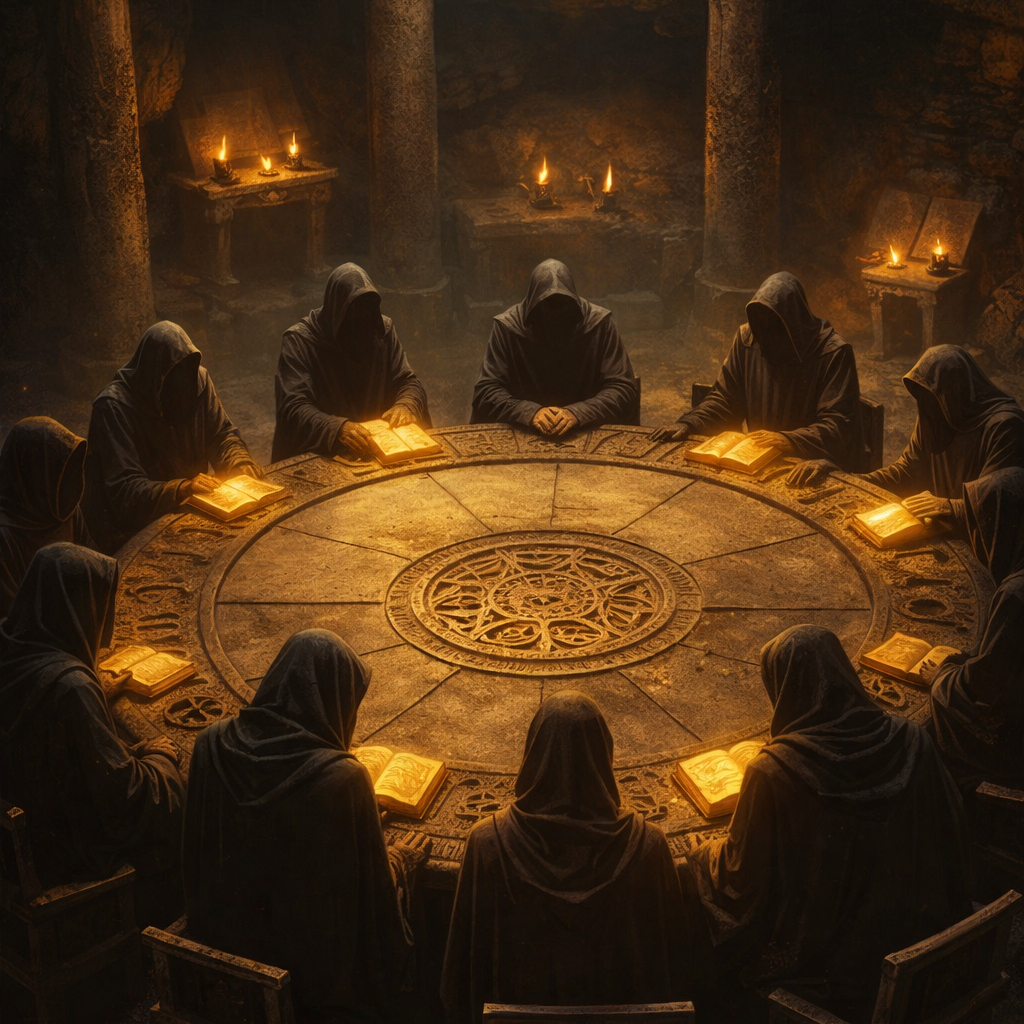

Gardner F. L. A.'s 'Catalogue Raisonné Of Works On The Occult Sciences Vol III: Freemasonry 1903' is a treasure trove for modern esoteric seekers. Published over a century ago, this volume provides a unique perspective on Freemasonry that is both historical and esoteric in nature. The book's detailed exploration of rituals, symbols, and philosophies makes it an invaluable resource for anyone interested in the occult sciences. For contemporary readers, the text offers a window into the past, allowing them to see how Freemasonry was perceived and practiced in the early 20th century. This historical context is crucial for understanding the evolution of esoteric traditions and their enduring influence on modern thought. The depth of research and the breadth of topics covered make this book a must-read for serious students of the occult. It is a 5-star addition to any esoteric library.
📝 Description
74
This 1903 catalogue lists works on Freemasonry, a subject Gardner F.L. compiled.
This volume, published in 1903, details works concerning Freemasonry within the broader context of occult sciences. It functions as a bibliography, cataloging resources that shed light on the order's symbolism and philosophical underpinnings. The compilation aims to organize and present existing literature, allowing readers to access a range of texts related to Masonic study. It is designed for individuals who wish to understand the historical and intellectual currents associated with this fraternal organization.
The book's approach is that of a detailed listing, reflecting the scholarly interests of its time in cataloging esoteric knowledge. It does not present original research but rather points toward the sources and studies available on Freemasonry. The goal is to provide a structured overview of relevant publications for those engaged in the study of the occult and secret societies.
As part of a series on occult sciences, this volume from 1903 situates Freemasonry within a tradition of studying secret societies and arcane knowledge. Such catalogues were common in the late 19th and early 20th centuries, serving to organize and legitimize the study of subjects often considered outside the mainstream. It reflects an era when scholars and enthusiasts actively sought to document and understand the beliefs, rituals, and philosophical systems of groups like Freemasonry, viewing them as integral parts of a larger esoteric heritage.
💡 Why Read This Book?
Reading 'Gardner F. L. A.'s 'Catalogue Raisonné Of Works On The Occult Sciences Vol III: Freemasonry 1903' today offers a rare opportunity to explore the esoteric traditions of Freemasonry through a historical lens. This book provides insights into the rituals, symbols, and philosophies that have shaped Freemasonry over the centuries, making it an invaluable resource for both historians and esoteric enthusiasts. By understanding the past, readers can gain a deeper appreciation for the present and future of Freemasonry and its place in the broader context of occult sciences.
⭐ Reader Reviews
Honest opinions from readers who have explored this book.
❓ Frequently Asked Questions
What is the significance of 'Catalogue Raisonné Of Works On The Occult Sciences Vol III: Freemasonry 1903'?
This book is significant because it offers a detailed exploration of Freemasonry's esoteric traditions and historical context, providing valuable insights for both historians and esoteric enthusiasts.
Who should read this book?
This book is ideal for anyone interested in the occult, secret societies, and the hidden histories of Freemasonry. It is particularly valuable for researchers, historians, and esoteric seekers.
What themes does the book cover?
The book covers key themes such as the origins of Freemasonry, its evolution over time, and its influence on various aspects of society, including rituals, symbols, and philosophies.
🔮 Key Themes & Symbolism
The Symbolism of Freemasonry
Freemasonry is rich in symbolism, and this book studies the deep, esoteric meanings behind the rituals, emblems, and symbols used by the order. Each symbol is a gateway to hidden knowledge, revealing layers of philosophical and spiritual significance that have been passed down through the ages.
Hidden Knowledge and Secret Traditions
The book uncovers the hidden knowledge and secret traditions that have been carefully guarded by Freemasons. It provides insights into the esoteric teachings and practices that form the foundation of this ancient order, inviting the reader to explore the mysteries that lie beneath the surface.
Philosophical Depths of Freemasonry
Freemasonry is not just about rituals and symbols; it is a philosophy that seeks to enlighten the mind and elevate the spirit. This volume explores the philosophical depths of Freemasonry, offering readers a chance to engage with the profound ideas and principles that have shaped the order's teachings.
💬 Memorable Quotes
Direct passages from the work, attributed to the author.
“The rituals of Freemasonry are the outward expressions of inner truths.”
— This statement suggests that the rituals performed by Freemasons are symbolic representations of deeper spiritual and philosophical concepts.
💡 Key Ideas
Editorial paraphrase of the work's core concepts — not direct quotes.
The symbols of Freemasonry are the keys to hidden knowledge.
This quote emphasizes the importance of symbolism in Freemasonry, suggesting that understanding these symbols unlocks deeper esoteric truths.
The secrets of the order are revealed to those who seek with sincerity.
This line underscores the idea that genuine seekers of knowledge will find the hidden truths within Freemasonry.
Freemasonry is a journey of the soul through the mysteries of existence.
This quote highlights the spiritual and philosophical dimensions of Freemasonry, portraying it as a path to enlightenment.
The wisdom of the ages is preserved within the walls of the lodge.
This quote implies that Freemasonry is a repository of ancient wisdom, passed down through the generations.
🌙 Esoteric Significance
Tradition
This book belongs to the Hermetic tradition, which emphasizes the pursuit of hidden knowledge and the exploration of the mysteries of the universe. Hermeticism is rooted in the teachings of Hermes Trismegistus, and Freemasonry draws heavily from these ancient wisdom traditions.
Symbolism
Key symbols in Freemasonry include the square and compass, the all-seeing eye, and the pyramid. These symbols represent concepts such as balance, enlightenment, and the pursuit of divine knowledge. The book studies the esoteric meanings behind these symbols, revealing their deeper significance.
Modern Relevance
Today, this book remains relevant for modern practitioners of the occult and seekers of esoteric knowledge. It provides a foundation for understanding the symbolism and philosophy of Freemasonry, making it an invaluable resource for those interested in the mystical traditions of the past.
👥 Who Should Read This Book
This book is ideal for a diverse audience. Beginners interested in the occult will find it a rich introduction to the symbolism and philosophy of Freemasonry. Scholars of esoteric literature will appreciate its comprehensive cataloging of works on the subject. Spiritual seekers will be drawn to the hidden knowledge and mystical insights it offers. Practitioners of Freemasonry will find it an essential resource for deepening their understanding of the order's traditions and teachings.
📜 Historical Context
Published in 1903, 'Gardner F L A Catalogue Raisonné Of Works On The Occult Sciences Vol III Freemasonry' emerged during a time of significant interest in the occult and esoteric sciences. The late 19th and early 20th centuries saw a surge in fascination with secret societies and mystical traditions, driven by a desire to uncover hidden knowledge and explore the mysteries of the human experience. This book was important for its comprehensive cataloging of works on Freemasonry, providing a valuable resource for scholars and seekers alike. Its influence can still be felt today, as it continues to be a reference point for those studying the occult and the hidden traditions of Freemasonry.
📔 Journal Prompts
Reflect on the significance of Freemasonry's symbols in your own spiritual journey.
Consider the role of hidden knowledge in your understanding of the world.
Explore the philosophical depths of Freemasonry and how they resonate with your personal beliefs.
What insights have you gained about the esoteric traditions of Freemasonry from this book?
How does the symbolism of Freemasonry influence your perception of the mystical and the divine?
🗂️ Glossary
Freemasonry
An ancient and secretive order that uses symbolism and rituals to convey hidden knowledge and philosophical teachings.
Esoteric
Relating to knowledge that is intended for a small, select group and is often hidden or secret.
Symbolism
The use of symbols to represent abstract ideas or qualities, often in a mystical or philosophical context.
Hermetic
Relating to the teachings of Hermes Trismegistus, which emphasize the pursuit of hidden knowledge and the mysteries of the universe.
Occult
Relating to knowledge of the hidden or secret, often involving mystical or supernatural elements.
This book appears in 2 collections
🔮 Readers Also Liked
Browse all →







From the “Secret Societies” Collection
View all →




More Free Freemasonry & Secret Societies Books
View all →