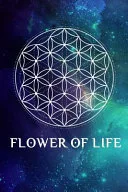
Flower of Life: Sacred Geometry Blank Lined Journal
 71
71

Flower of Life: Sacred Geometry Blank Lined Journal
The "Flower of Life: Sacred Geometry Blank Lined Journal" offers a straightforward, utilitarian approach to a potent symbol. Its strength lies in its simplicity; the cover's clear depiction of the Flower of Life provides an immediate visual anchor for contemplation, while the generous 120 pages offer ample room for personal exploration. However, its primary limitation is its lack of guided content. Unlike some journals that offer prompts or introductions to the geometry, this is purely a blank canvas. The author, Urban Lighthouse Journals, provides a clean, functional product without adding interpretive layers, which can be both a blessing and a curse depending on the user's needs. For those who already possess a strong understanding of the Flower of Life and simply require a dedicated space, it excels. For newcomers, it might feel a bit too unguided. It is a reliable, unadorned tool for personal inscription.
📝 Description
71
This 6" x 9" journal, published by Urban Lighthouse Journals, features the Flower of Life geometric pattern.
This blank lined journal measures 6" x 9" and contains 120 pages, providing ample space for writing. Its cover displays the Flower of Life, a geometric design made of overlapping circles. The interior is intended for notes, personal reflections, or creative writing.
It is designed for people involved in esoteric studies or personal development. The journal suits students of sacred geometry, mindfulness practitioners, artists, writers, and anyone needing a place for contemplation or to record ideas. Those who appreciate symbolic aesthetics and want to include spiritual motifs in their daily practice will find it useful. The plain interior allows for diverse uses, from academic notes to spontaneous creative expression.
The Flower of Life pattern has ancient origins, appearing across various cultures and spiritual traditions for millennia. Its contemporary presence in esoteric circles is partly due to figures like Dr. Masaru Emoto and the New Age movement, which examined its potential energetic and informational qualities. This journal connects with the ongoing interest in geometric symbolism as a method for understanding universal structures.
💡 Why Read This Book?
• Engage with the symbolic power of the Flower of Life geometry by having a dedicated space to transcribe your thoughts and insights, fostering a deeper connection to this ancient pattern. • Utilize the practical 6" x 9" format with 120 pages, specifically designed for sustained journaling or note-taking sessions, supporting consistent engagement with your spiritual or creative work. • Integrate the visual language of sacred geometry into your daily life, using the cover's motif as a constant reminder of interconnectedness and universal design principles during your writing practice.
⭐ Reader Reviews
Honest opinions from readers who have explored this book.
❓ Frequently Asked Questions
What is the Flower of Life pattern?
The Flower of Life is a sacred geometric figure composed of multiple evenly-spaced, overlapping circles arranged in a flower-like pattern. It is considered by many to contain fundamental elements of space and time and represents the interconnectedness of all life, appearing in various ancient cultures.
What is the size and page count of this journal?
This journal is a paperback notebook measuring 6" x 9" (often referred to as pocket size) and contains 120 pages, which equates to 60 sheets of paper.
Who published the Flower of Life Sacred Geometry Blank Lined Journal?
The journal was first published by Urban Lighthouse Journals on March 24, 2019.
What can I use this journal for?
The journal is versatile and can be used as a notebook, diary, or personal journal. It is ideal for note-taking, musing, organizing thoughts, record keeping, doodling, or creative writing.
Does this journal contain prompts or guided exercises?
No, this is a blank lined journal. It provides empty pages for the user to fill with their own thoughts, notes, or creative content without pre-set prompts or exercises.
What is the significance of the Flower of Life symbol in esoteric traditions?
In esoteric traditions, the Flower of Life is seen as a blueprint of creation, symbolizing unity, divine order, and the interconnectedness of all things. It is believed to hold profound energetic and informational qualities.
🔮 Key Themes & Symbolism
Geometric Blueprint of Creation
The journal's cover prominently displays the Flower of Life, a complex geometric symbol. In many esoteric traditions, this pattern is viewed not merely as art but as a fundamental representation of the universe's creation and underlying structure. It is believed to encapsulate the origins of all forms and the interconnectedness of every living being. The act of journaling within its pages can serve as a practice to contemplate these cosmic principles, potentially aligning the user's inner world with the perceived order of the cosmos.
Symbolic Integration and Personal Reflection
Beyond its visual appeal, the Flower of Life symbol serves as a focal point for introspection. This journal provides a physical space to record personal insights, spiritual experiences, or creative ideas that arise from contemplating universal patterns. The blank pages invite users to translate abstract geometric concepts into concrete personal understanding, bridging the gap between ancient wisdom and contemporary lived experience. It encourages a dialogue between the user's consciousness and the symbolic language of sacred geometry.
Functional Tool for Esoteric Practice
While rich in symbolism, the journal is fundamentally a practical tool. Its 120 lined pages and 6" x 9" dimensions are designed for ease of use in daily practice, whether for academic study of esoteric subjects, personal diary entries, or artistic sketching. It supports the consistent engagement required for spiritual growth or intellectual exploration, making the profound concepts associated with sacred geometry accessible and manageable through regular use and documentation.
The Vesica Piscis Foundation
The Flower of Life pattern is built upon the Vesica Piscis, the intersection of two circles. This foundational shape is itself a potent symbol in many spiritual systems, representing duality, union, and the emergence of new forms from the meeting of opposites. By using this journal, individuals can explore the symbolic implications of this fundamental geometric relationship and how it might manifest in their lives and understanding of existence.
💬 Memorable Quotes
Direct passages from the work, attributed to the author.
“The Flower of Life pattern is composed of overlapping circles.”
— This statement highlights the basic construction of the symbol, underscoring its geometric nature. It serves as an entry point to understanding the pattern's complexity and its potential representation of fundamental universal principles derived from simple forms.
“This Sacred Geometry themed journal can be used as a notebook, diary, or journal.”
— This practical description emphasizes the journal's versatility. It suggests that the sacred geometry theme is an overlay to a functional tool, allowing users to integrate esoteric study with everyday note-taking or personal reflection.
“Ideal for note taking, journaling, musing, organizing, record keeping, and doodling.”
— This expands on the journal's utility, listing diverse applications. It positions the journal not just for esoteric contemplation but also for creative output and practical life management, catering to a broad range of user needs.
“This paperback notebook is 6" x 9" (pocket size) and has 120 pages.”
— This focuses on the physical specifications of the journal. The mention of 'pocket size' and the specific page count provides concrete details about its portability and capacity, appealing to users who value practical aspects of their stationery.
“Cover features the Flower of Life Sacred Geometry.”
— This directly points to the central visual element of the journal. The cover design is presented as the primary conduit for the book's esoteric theme, inviting users to engage with the symbol visually before even opening the pages.
🌙 Esoteric Significance
Tradition
The Flower of Life symbol is deeply embedded in multiple esoteric traditions, including Hermeticism, Kabbalah, and various Neoplatonic schools. It is often interpreted as a visual representation of the unfolding of creation, mirroring concepts of divine emanation and the interconnectedness of all things. Within these traditions, geometry is not merely descriptive but prescriptive, holding the keys to understanding the structure of reality and the divine mind. This journal serves as a modern vessel for engaging with this ancient symbolic language, allowing individuals to connect with a lineage of thought that views sacred geometry as fundamental to existence.
Symbolism
The primary symbol, the Flower of Life, is a complex mandala representing the interconnectedness of all life and the generative principles of the universe. Its construction from overlapping circles and the Vesica Piscis motif signifies unity emerging from duality, and the potential for infinite manifestation. The inherent symmetry and harmonic proportions within the pattern are seen as reflections of divine order and cosmic law. Contemplating these symbols within the journal can foster an awareness of underlying universal patterns and their influence on both the external world and the user's internal landscape.
Modern Relevance
Contemporary practitioners of various spiritual paths, including sacred geometry enthusiasts, mindfulness practitioners, and artists exploring consciousness, continue to draw inspiration from the Flower of Life. Thinkers in the fields of cymatics (the study of visible sound and vibration) and consciousness research sometimes reference patterns like the Flower of Life for their potential energetic and informational properties. The symbol's enduring appeal lies in its ability to serve as a focal point for meditation, personal growth, and the exploration of interconnectedness in an increasingly fragmented world.
👥 Who Should Read This Book
• Students of sacred geometry and ancient symbolism seeking a dedicated space to record observations and personal interpretations of geometric forms. • Individuals engaged in spiritual or mindfulness practices who wish to use the Flower of Life motif as a focal point for contemplation and journaling. • Artists, writers, and creators looking for an aesthetically inspiring notebook to capture ideas, sketches, and reflections on universal patterns and their creative expression.
📜 Historical Context
The modern fascination with the Flower of Life symbol gained significant traction during the New Age movement, particularly from the late 1980s onwards. This period saw a resurgence of interest in ancient wisdom, esoteric symbolism, and holistic philosophies, influenced by figures like Helena Blavatsky and the Theosophical Society earlier in the century. While the symbol itself appears in ancient Egyptian temples at Abydos and has been found in various cultures globally, its popularization as a 'blueprint of creation' is largely a product of the late 20th century. This era was marked by a departure from purely materialistic scientific paradigms, with thinkers like Dr. Masaru Emoto exploring the potential of water crystals and geometric patterns to convey information and consciousness. The intellectual climate allowed for diverse interpretations of geometry, spirituality, and consciousness to flourish, often diverging from mainstream academic or religious doctrines. The widespread availability of such symbolic imagery through publications and alternative spiritual communities defined this period.
📔 Journal Prompts
The Flower of Life pattern's origin as a seed of creation.
Personal reflections on the Vesica Piscis as a symbol of union.
How the geometric order of the Flower of Life relates to your daily life.
Doodles inspired by the interconnected circles of the Flower of Life.
Mapping your personal journey of understanding sacred geometry.
🗂️ Glossary
Flower of Life
A sacred geometric symbol composed of multiple evenly-spaced, overlapping circles arranged in a flower-like pattern. It is considered by many to contain fundamental elements of space and time and represents the interconnectedness of all life.
Sacred Geometry
The study of geometric shapes, patterns, and proportions that are considered fundamental to the structure of the universe and often possess symbolic or spiritual meaning.
Vesica Piscis
A geometric shape formed by the intersection of two circles of the same radius, intersecting at each other's center. It is a foundational element in the Flower of Life and symbolizes duality, union, and the creation of new forms.
Esoteric
Intended for or likely to be understood by only a small number of people with a specialized knowledge or interest. Esoteric literature often deals with mystical, spiritual, or occult subjects.
Mandala
A spiritual and ritual symbol in Hinduism and Buddhism, representing the universe. In common use, 'mandala' has become a generic term for any diagram, chart or geometric pattern that represents the cosmos or celestial body.
Metaphysical
Concerned with the fundamental nature of reality, including the relationship between mind and matter, substance and attribute, potentiality and actuality.
Symbolism
The use of symbols to represent ideas or qualities. In esoteric contexts, symbols are often seen as keys to understanding deeper spiritual truths.