Everything Tai Chi and QiGong Book
 76
76

Everything Tai Chi and QiGong Book
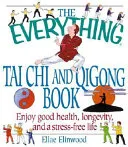
Ellae Elinwood’s Everything Tai Chi and QiGong Book presents a straightforward entry into these intricate disciplines. Its strength lies in the abundant photographic examples, which are crucial for illustrating the precise stances and transitions central to both Tai Chi and QiGong. The book effectively outlines the physical benefits, such as improved flexibility and reduced tension, as promised in its blurb. However, it remains largely at the surface level regarding the deeper philosophical underpinnings and energetic concepts that often form the core of advanced practice. While it covers "every aspect" in a foundational sense, the exploration of Qi itself, beyond its role in physical health, could be more expansive. Nevertheless, for a newcomer seeking clear visual instruction and an overview of immediate physical advantages, this book serves as a capable primer.
This guide offers a solid, visually-driven introduction to Tai Chi and QiGong fundamentals.
📝 Description
76
Ellae Elinwood's Everything Tai Chi and QiGong Book, published in 2002, guides readers through cultivating life energy.
This book serves as a practical introduction to Tai Chi and QiGong, two ancient Chinese practices concerned with the cultivation and direction of Qi, or life energy. Elinwood breaks down the core principles of these disciplines, including proper posture, breath control, and the mindful execution of movement sequences. The text aims to make the connection between these physical forms and focused attention, demonstrating how they can lead to improvements in physical and mental well-being. It is written for a broad audience, welcoming those new to the practices and offering further insight for individuals with some prior experience.
The book was released in 2002, a period that saw increasing interest in mind-body disciplines in Western countries. It addressed a need for accessible, clearly illustrated resources that explained these traditional arts to a wider, international readership. Elinwood's approach bridges the gap between theoretical concepts of energy circulation and their direct, practical application for health benefits.
Tai Chi and QiGong are rooted in traditional Chinese medicine and Taoist philosophy, focusing on the body's vital energy, Qi. These practices aim to harmonize the body, mind, and spirit through gentle, deliberate movements, breathing exercises, and focused intention. The goal is to promote health, longevity, and a sense of inner balance by clearing energetic blockages and strengthening the body's natural flow of Qi. Elinwood's book places these ancient disciplines within a context of personal development and energetic cultivation.
💡 Why Read This Book?
• Gain clear, step-by-step visual instruction for over 100 distinct movements, facilitating the immediate practice of Tai Chi and QiGong forms as presented in the book. • Understand the foundational principles of Qi cultivation, learning how to direct energy for tangible benefits like lower blood pressure and mood improvement, as detailed in the book's early chapters. • Develop increased focus and concentration through the practice of mindful movement, a core takeaway emphasized throughout the sections on QiGong exercises.
⭐ Reader Reviews
Honest opinions from readers who have explored this book.
❓ Frequently Asked Questions
When was The Everything Tai Chi and QiGong Book first published?
The Everything Tai Chi and QiGong Book by Ellae Elinwood was first published on April 1, 2002. This timing placed it within a growing wave of Western interest in Eastern mind-body practices.
What are the main benefits of practicing Tai Chi and QiGong as described in the book?
The book highlights several benefits, including increased joint flexibility, lower blood pressure, improved mood, enhanced focus and concentration, and reduced stress and tension.
Does the book provide visual aids for learning the movements?
Yes, the book features more than 100 photographs specifically designed to clearly demonstrate the body movements involved in Tai Chi and QiGong.
Is this book suitable for absolute beginners?
Absolutely. The book is structured to cover every aspect of these activities, making it accessible for young and old readers new to Tai Chi and QiGong.
What is Qi?
Qi, also spelled Chi, is a fundamental concept in traditional Chinese culture and medicine, referring to a vital life force or energy that flows through all living things. The book explains its role in these practices.
What is the difference between Tai Chi and QiGong according to the book?
While both involve gentle movements and breathwork to cultivate Qi, Tai Chi is often described as a more complex, martial-art-derived form with distinct sequences, whereas QiGong encompasses a broader range of practices for health and spiritual development.
🔮 Key Themes & Symbolism
Qi Cultivation
The central theme is the cultivation and directed flow of Qi, the vital life force. The book posits that through specific movements and breathwork, practitioners can enhance this internal energy, leading to improved physical health and mental clarity. It clarifies the concept for Western audiences, presenting it as an accessible system for well-being rather than an abstract spiritual doctrine.
Mindful Movement
This theme emphasizes the integration of body, breath, and mind. Each posture and transition in Tai Chi and QiGong is presented not merely as physical exercise but as an opportunity for present-moment awareness. The book guides readers to focus their attention inward, fostering a state of calm concentration that reduces stress and enhances overall balance.
Holistic Health
The work champions a holistic approach to wellness, suggesting that physical practices directly influence mental and emotional states. By improving circulation, flexibility, and reducing physical tension, the book argues that practitioners can achieve greater equilibrium in their lives, impacting everything from mood to blood pressure.
Accessibility of Ancient Practices
A significant theme is making ancient Chinese disciplines accessible to a modern, global audience. Through clear photographic demonstrations and straightforward explanations, the book bridges the gap between esoteric traditions and everyday life, demonstrating that profound benefits are achievable through consistent, guided practice.
💬 Memorable Quotes
Direct passages from the work, attributed to the author.
“The book features over 100 photographs clearly demonstrating body movements.”
— This statement highlights the book's primary pedagogical strength: its visual approach. It signals that the author prioritizes clear, step-by-step visual guidance, crucial for learning the precise physical forms of Tai Chi and QiGong, making the complex accessible through imagery.
“The Everything Tai Chi and QiGong Book covers every aspect of these two powerful activities.”
— This assertion suggests a comprehensive scope, aiming to provide a foundational understanding of both Tai Chi and QiGong. It implies that the reader will find essential information on techniques, principles, and potential benefits within its pages.
“Focus on reduced stress and tension.”
— This highlights a key practical outcome derived from practicing the exercises presented. It frames Tai Chi and QiGong not just as physical disciplines but as powerful tools for mental and emotional regulation in daily life.
“Increased focus and concentration.”
— This points to a cognitive benefit derived from the mindful nature of Tai Chi and QiGong. The book implies that the deliberate, slow movements and breath awareness cultivate mental discipline and enhance attentional capacity.
💡 Key Ideas
Editorial paraphrase of the work's core concepts — not direct quotes.
Readers young and old will gain benefits such as increased joint flexibility and mood improvement.
This paraphrased concept underscores the broad applicability and tangible outcomes of the practices discussed. It emphasizes that the physical and psychological advantages are not limited by age, suggesting a universally beneficial system for well-being.
🌙 Esoteric Significance
Tradition
While not overtly tied to a specific esoteric lineage like Hermeticism or Kabbalah, this work draws heavily from the Taoist tradition inherent in Chinese culture. It presents QiGong and Tai Chi as practical methods for cultivating the body's vital energy (Qi), aligning with Taoist principles of balance, harmony with nature, and the pursuit of longevity and well-being through internal cultivation.
Symbolism
The primary 'symbol' explored is Qi itself—the invisible life force. The book uses the physical forms of Tai Chi (like the 'Cloud Hands' movement) and QiGong exercises as visual representations and conduits for this energy. The flowing, circular movements symbolize the continuous, cyclical nature of energy in the universe and the body, contrasting with linear, forceful actions.
Modern Relevance
This book's approach remains relevant today for its emphasis on accessible, evidence-supported health benefits. It appeals to modern therapeutic practices, mindfulness-based stress reduction (MBSR), and the growing field of somatic therapies that explore the mind-body connection. Contemporary practitioners and wellness coaches often draw on such foundational texts to introduce clients to low-impact, high-benefit movement practices.
👥 Who Should Read This Book
• Individuals new to mind-body practices seeking a clear, visual introduction to the fundamentals of Tai Chi and QiGong. • Health-conscious readers looking for accessible methods to improve flexibility, reduce stress, and enhance overall physical and mental well-being. • Students of traditional Chinese culture interested in understanding the practical applications of Qi cultivation for daily life.
📜 Historical Context
Published in April 2002, Ellae Elinwood's *The Everything Tai Chi and QiGong Book* emerged during a period of significant Western engagement with Eastern wellness practices. The late 20th and early 21st centuries saw a surge of interest in disciplines like yoga, meditation, and martial arts, driven partly by a growing dissatisfaction with purely Western medical models and a search for holistic health solutions. This book entered a market already featuring numerous guides, but its strength lay in its comprehensive, beginner-friendly approach supported by extensive photographic illustrations. While contemporaries like Stephen Chang had already established influential works on QiGong, Elinwood's volume aimed for a broader, less esoteric audience, focusing on practical health benefits. The reception was generally positive among those seeking accessible introductions, fitting into the broader cultural trend of mind-body integration that also saw figures like Deepak Chopra popularizing similar concepts.
📔 Journal Prompts
Reflect on the concept of Qi as presented in the book's early sections.
Consider the benefits of increased joint flexibility gained from practicing the movements shown.
Analyze how the photographic demonstrations aid in understanding the specific body movements.
Explore the connection between reduced stress and the practice of QiGong.
Evaluate the potential for mood improvement through focused practice.
🗂️ Glossary
Qi (Chi)
The fundamental concept of vital life force or energy believed to flow through all living things in traditional Chinese culture and medicine. Practices like Tai Chi and QiGong aim to cultivate and direct Qi.
Tai Chi
An ancient Chinese martial art practiced for both its defense training and its health benefits. It involves a series of slow, flowing movements coordinated with breath and mental focus.
QiGong
A practice involving coordinated body posture and movement, breathing, and meditation used for health, spirituality, and martial arts training. It aims to cultivate and balance the body's Qi.
Flexibility
The range of motion in a joint or series of joints, and muscles and connective tissues. The book highlights increased flexibility as a key physical benefit of practicing Tai Chi and QiGong.
Blood Pressure
The pressure of circulating blood on the walls of blood vessels. The book suggests that practicing these disciplines can contribute to lowering blood pressure.
Tension
A state of physical or mental strain or stress. The book promotes Tai Chi and QiGong as methods for reducing both physical and mental tension.
Concentration
The action or power of focusing all one's attention on an object or activity. The book indicates that these practices can enhance focus and concentration.