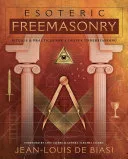
Esoteric Freemasonry
 75
75

Esoteric Freemasonry
Jean-Louis de Biasi's *Esoteric Freemasonry* presents a compelling argument for viewing the Craft as a genuine spiritual discipline, not merely a social fraternity. The author's strength lies in his meticulous connection of Masonic ritual to ancient Egyptian symbolism, particularly in the sections discussing the legend of Hiram Abiff. One notable passage elaborates on the symbolism of the Rough and Perfect Ashlars, interpreting them as stages of spiritual refinement. However, the text occasionally leans into speculation regarding direct lineages from pharaonic Egypt, which some historians might find less substantiated. Despite this, the work provides a valuable perspective for those seeking the deeper, often hidden, spiritual currents within Freemasonry. It serves as a focused guide for the dedicated seeker.
📝 Description
75
Jean-Louis de Biasi's 2007 work examines Freemasonry as a spiritual path, not merely a social organization.
This book looks at the mystical side of Freemasonry, moving beyond the idea of it being just a club. De Biasi shows how Masons use symbols and rituals as tools for personal growth and a deeper understanding of themselves and the world.
The text connects Masonic practices to older traditions, like Hermeticism and ancient Egyptian beliefs. It discusses how the formal beginnings of Freemasonry in the early 18th century, specifically the 1717 formation of the Grand Lodge of England, serve as a reference point for how its esoteric ideas developed later. Masonic symbols are shown to have changed and been understood in new ways by various occult thinkers over time.
Central to the book are concepts such as the 'inner temple,' which represents a personal space for spiritual work within the Masonic context. The initiatory process, or moving through the degrees, is presented as a metaphor for psychological and spiritual advancement. The author also investigates alleged links between Freemasonry and ancient Egyptian spiritual systems, pointing out common symbols and ritual structures.
This work places Freemasonry within the broader context of Western esotericism. It links Masonic ritual and symbolism to ancient mystery traditions, Hermetic philosophy, and Egyptian religious practices. The book posits that Freemasonry functions as a system for spiritual transformation, utilizing symbolic language and initiatory degrees to guide practitioners toward inner realization. It discusses how these elements evolved from earlier esoteric currents and were reinterpreted by occult thinkers.
💡 Why Read This Book?
• Gain a structured understanding of Masonic ritual as a spiritual path, moving beyond superficial interpretations, by examining the "inner temple" concept and its practical application. • Explore the specific symbolic links between Freemasonry and ancient Egyptian traditions, as detailed in the comparative analysis of iconography and initiatory structures. • Discover the practical applications of Masonic symbolism for personal spiritual growth, as demonstrated through the exploration of rituals and the "progressing through the degrees" model.
⭐ Reader Reviews
Honest opinions from readers who have explored this book.
❓ Frequently Asked Questions
What is the primary focus of "Esoteric Freemasonry"?
The book focuses on the mystical and spiritual dimensions of Freemasonry, presenting it as a path for inner transformation and the exploration of ancient mysteries, rather than just a social organization.
Does "Esoteric Freemasonry" discuss specific Masonic rituals?
Yes, the book details powerful practices and profound rituals, guiding readers through the symbolic meaning and application of Masonic traditions for spiritual development.
What historical traditions are linked to Freemasonry in this book?
The work explores compelling links to ancient Egyptian Freemasonry and other mystery traditions, tracing the evolution of Masonic symbolism and its esoteric underpinnings.
Who is the author of "Esoteric Freemasonry"?
The author is Jean-Louis de Biasi, a scholar specializing in esoteric traditions and their historical manifestations.
When was "Esoteric Freemasonry" first published?
The original publication date for "Esoteric Freemasonry" by Jean-Louis de Biasi is August 5, 2025.
Is this book suitable for non-Masons?
Yes, the book is written for anyone interested in the esoteric and mystical aspects of Freemasonry, offering insights into its symbolic language and spiritual practices.
🔮 Key Themes & Symbolism
The Inner Temple
The concept of the 'inner temple' is central, representing the sacred space within the practitioner's consciousness. This text elucidates how Masonic rituals and symbolism serve as keys to unlock this internal sanctuary. It's presented not as a physical location but as a state of being accessible through focused intent and symbolic engagement, facilitating self-discovery and spiritual communion.
Initiatory Progression
The book details the journey through Masonic degrees as a structured process of spiritual and psychological evolution. Each stage is presented as a symbolic unveiling, requiring the aspirant to integrate new levels of understanding and ethical commitment. This progression is framed as a metaphor for personal transformation, moving from ignorance towards illumination and self-mastery.
Egyptian Resonance
A significant focus is placed on the perceived links between Masonic symbolism and the esoteric traditions of ancient Egypt. The work explores how motifs, deities, and ritualistic structures from Egyptian spirituality may have influenced or find resonance within Masonic teachings, suggesting a lineage connecting modern esoteric practices to Pharaonic mysteries.
Sacred Geometry and Symbolism
Esoteric Freemasonry emphasizes the profound significance of geometric forms and symbolic imagery within the Craft. The text dissects key symbols, such as the square, compass, and specific architectural elements, interpreting them as tools for understanding cosmic order and the relationship between the material and spiritual realms.
💬 Memorable Quotes
Direct passages from the work, attributed to the author.
“Discover the compelling links to Egyptian Freemasonry.”
— This statement points to a key analytical thread in the book, suggesting a historical and symbolic continuity between Masonic practices and the sacred traditions of ancient Egypt.
“Carry out the most powerful practices.”
— This phrase indicates that the book is not merely theoretical but offers practical guidance for engaging with Masonic rituals and symbolism in a potent, transformative manner.
“Progress through the degrees of initiation.”
— This concept emphasizes the structured, step-by-step nature of spiritual development as presented within the Masonic framework, suggesting a progressive path toward enlightenment.
“Using this guide's profound rituals and exploration of Masonic tradition...”
— This suggests the book functions as a practical manual, equipping readers with the knowledge of rituals and traditions necessary for their personal esoteric journey.
💡 Key Ideas
Editorial paraphrase of the work's core concepts — not direct quotes.
Enter your inner temple and accomplish the ancient mysteries.
This paraphrased concept highlights the book's core invitation: to use Masonic symbolism as a vehicle for profound inner work and the attainment of spiritual knowledge.
🌙 Esoteric Significance
Tradition
This work aligns with the Western Esoteric tradition, particularly its Hermetic and Gnostic branches. It interprets Freemasonry not as a religion but as a symbolic system and initiatory path designed to facilitate spiritual realization, echoing the aims of ancient mystery schools and later Hermetic revivals.
Symbolism
Key symbols explored include the Rough and Perfect Ashlars, representing the initiate's journey from a raw state to one of refinement and spiritual completion. The Double-Headed Eagle, often associated with high Masonic degrees, is examined for its alchemical and solar symbolism, signifying duality, integration, and spiritual authority.
Modern Relevance
Contemporary practitioners of Hermeticism, Rosicrucianism, and symbolic studies find value in *Esoteric Freemasonry*. It informs modern explorations of ritual efficacy and symbolic language in personal development, resonating with individuals seeking structured, symbolic frameworks for spiritual growth outside traditional religious institutions.
👥 Who Should Read This Book
• Students of Western Esotericism: Those studying Hermeticism, Kabbalah, or Rosicrucianism will find valuable comparative material and insights into symbolic interpretation. • Masonic Initiates Seeking Deeper Meaning: Freemasons who wish to understand the spiritual and philosophical underpinnings of their rituals and degrees will benefit from this focused exploration. • Comparative Religion Scholars: Researchers interested in the cross-pollination of symbols and spiritual concepts across ancient and modern traditions will find historical and thematic connections.
📜 Historical Context
Published in 2025, *Esoteric Freemasonry* engages with a long tradition of interpreting Freemasonry beyond its civic functions. The formalization of Grand Lodges in the early 18th century, notably the formation of the Premier Grand Lodge in London in 1717, marked a shift that later facilitated the development of its esoteric dimensions. This work follows scholars like Manly P. Hall, whose *The Secret Teachings of All Ages* (1928) significantly popularized esoteric interpretations of Masonic symbolism for a wider audience. De Biasi's text enters a discourse where thinkers like René Guénon, in works such as *The Symbolism of the Cross* (1931), critically examined modern initiatory societies, including Freemasonry, for their perceived deviations from primordial traditions. The reception of such works often involves debate regarding authenticity and historical lineage, a context within which *Esoteric Freemasonry* offers its specific perspective.
📔 Journal Prompts
The symbolism of the Rough and Perfect Ashlars and your own spiritual refinement.
Reflect on the concept of the 'inner temple' as a space for personal spiritual work.
How does the initiatory progression described in the book mirror stages of personal growth?
Consider the parallels drawn between Masonic symbols and ancient Egyptian motifs.
Analyze the practical application of "powerful practices" within your own spiritual discipline.
🗂️ Glossary
Inner Temple
A symbolic representation of the sacred space within an individual's consciousness, accessible through meditation, ritual, and self-reflection, central to esoteric Masonic practice.
Degrees of Initiation
The successive stages or levels within Masonic (and other esoteric) orders, each representing a step in the aspirant's spiritual or philosophical development and understanding.
Rough Ashlar
A symbol in Freemasonry representing the unrefined state of the human character, before education and moral discipline; the initiate starting their journey.
Perfect Ashlar
A symbol in Freemasonry representing a character perfected by Masonic instruction and discipline, ready to be fitted into the spiritual building.
Egyptian Freemasonry
Refers to speculative or historical connections drawn between Masonic symbolism and rituals and the religious or esoteric traditions of ancient Egypt.
Hiram Abiff
A central legendary figure in Masonic lore, whose dramatic story of betrayal and death is interpreted allegorically as representing the loss and eventual recovery of sacred knowledge.
Sacred Realm
The spiritual dimension or plane of existence that esoteric traditions seek to access, often through symbolic practices and inner transformation.