Encyclopedia of Numerology
 76
76

Encyclopedia of Numerology
Dr. M. Katakkar’s “Encyclopedia of Numerology” attempts a comprehensive codification of numerical symbolism, a task few scholars undertake with such rigor. The strength lies in its systematic approach, laying out the attributes of each digit from 1 to 9 with a consistent interpretive framework. For instance, the detailed breakdown of the number 7, often associated with introspection and analysis, is particularly well-articulated. However, the text occasionally feels overly reliant on established numerological dogma without sufficient critical examination of its historical development or alternative interpretations. The original blurb's claim of being the "final word" is ambitious; the work serves more as a detailed compendium of traditional numerology than a revolutionary new perspective. It is a solid reference for those committed to Pythagorean and Chaldean systems.
📝 Description
76
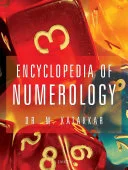
Dr. M. Katakkar's Encyclopedia of Numerology, published in 2016, deciphers numbers as a cosmic language.
This encyclopedia systematically examines the esoteric meanings associated with numbers. It presents numerology not merely as a calculation system but as a symbolic language of the cosmos. The work details the significance of individual digits, their combinations, and their influence on human life and destiny. It draws upon ancient traditions to explain these concepts.
The book is intended for those seeking deeper meaning, students of occult sciences, and individuals interested in self-discovery through symbolic systems. It suits readers who view numerology as a philosophical and spiritual discipline rather than a predictive tool. Those who appreciate detailed, methodical explanations and a scholarly approach to mystical subjects will find it valuable.
The text consolidates and clarifies ancient numerological teachings for a contemporary audience. It addresses the vibratory qualities assigned to numbers 1 through 9, and the extended meanings of master numbers like 11 and 22. It elaborates on how these numerical energies manifest in personality traits, life paths, relationships, and potential challenges. Practical application for understanding personal cycles and synchronicities is also covered.
The Encyclopedia of Numerology emerges from a long lineage of numerological thought, tracing back to Pythagoreanism and Kabbalistic traditions. While published in 2016, its content reflects a deep engagement with historical texts and concepts studied for centuries. The work aims to consolidate and clarify these ancient teachings for a contemporary audience. It situates itself within the broader resurgence of interest in esoteric studies during the late 20th and early 21st centuries.
💡 Why Read This Book?
• Gain a structured understanding of the foundational numbers (1-9) and their esoteric attributes, as detailed in the book's numerical breakdowns, allowing for precise personal analysis. • Explore the symbolic significance of Master Numbers like 11 and 22, providing deeper insight into potential life paths and spiritual potentials presented in specific chapters. • Learn practical methods for applying numerological principles to understand personal cycles and synchronicities, moving beyond simple prediction to a more profound self-awareness.
⭐ Reader Reviews
Honest opinions from readers who have explored this book.
❓ Frequently Asked Questions
What is the primary numerological system used in the Encyclopedia of Numerology?
The "Encyclopedia of Numerology" primarily draws from Pythagorean and Chaldean numerological traditions. It systematically explores the attributes assigned to numbers 1 through 9, as well as the significance of Master Numbers like 11 and 22.
When was the Encyclopedia of Numerology first published?
The "Encyclopedia of Numerology" by Dr. M. Katakkar was first published on February 5, 2016. This edition aimed to consolidate ancient knowledge for a contemporary audience.
Does this book explain how to calculate a Life Path Number?
Yes, the "Encyclopedia of Numerology" provides the framework and calculations necessary to determine core numerological figures such as the Life Path Number, based on birth dates.
What kind of esoteric traditions does the book reference?
The book references ancient traditions, including Pythagorean thought and Kabbalistic concepts, to explain the symbolic meaning and influence of numbers in human affairs.
Is the Encyclopedia of Numerology suitable for beginners?
While comprehensive, its systematic and detailed approach makes it suitable for beginners who are serious about learning numerology. It provides a solid foundation for further study.
How does this book differ from other numerology guides?
This book distinguishes itself through its encyclopedic scope and its focus on presenting numerology as a profound symbolic language rooted in ancient wisdom, rather than solely a predictive technique.
🔮 Key Themes & Symbolism
Numerical Vibrations and Manifestation
The core of the "Encyclopedia of Numerology" posits that each number from 1 to 9 possesses a unique vibrational essence that influences the material and spiritual realms. The work meticulously details these vibrations, explaining how they manifest as distinct personality traits, life challenges, and opportunities. For instance, the number 3 is explored for its association with creativity, communication, and social expression, while the number 9 represents universal love and humanitarianism. The book guides readers to understand how these inherent numerical energies shape individual destinies and interrelationships.
The Significance of Master Numbers
Beyond the single digits, Dr. Katakkar dedicates significant attention to the potent Master Numbers, particularly 11 and 22. These numbers, often seen as carrying a higher vibrational frequency and greater potential for both spiritual attainment and earthly achievement, are explored in depth. The text explains their amplified characteristics, suggesting they represent a call to higher service or a greater capacity for manifestation. Understanding these Master Numbers is presented as crucial for those seeking to unlock their full potential and navigate more complex life lessons.
Destiny and Personal Cycles
A central tenet of the "Encyclopedia of Numerology" is the idea that numbers provide a key to understanding one's predetermined destiny and the cyclical nature of life. The book details methods for calculating personal numbers derived from birth dates and names, which are then interpreted to reveal life path inclinations, karmic lessons, and opportune periods for action. This framework allows readers to analyze their personal journey, anticipate upcoming phases, and make more informed decisions aligned with cosmic timing.
Ancient Wisdom and Modern Application
The "Encyclopedia of Numerology" serves as a bridge, connecting ancient esoteric knowledge with contemporary seekers. It positions numerology as a sacred science passed down by ancient masters, emphasizing its philosophical and spiritual underpinnings. The work's methodical presentation aims to make this profound system accessible, encouraging readers to apply its insights for self-understanding, personal growth, and a deeper connection to the underlying order of the universe, moving beyond mere fortune-telling.
💬 Memorable Quotes
Direct passages from the work, attributed to the author.
“Numbers are the language through which the cosmos communicates its secrets.”
— This statement expresses the book's premise: that numerical patterns are not arbitrary but represent a fundamental, divinely ordered system of meaning and influence.
“The Life Path Number reveals the lessons one is here to learn and the potential one is here to fulfill.”
— This highlights the practical application of numerology for self-awareness, suggesting that our birth date encodes essential information about our soul's purpose and developmental journey.
“Master Numbers 11 and 22 carry amplified energies, demanding greater responsibility and offering unique opportunities for spiritual advancement.”
— This points to the elevated significance of specific numbers in numerology, framing them as crucial indicators of heightened potential and challenges within a person's life blueprint.
“Understanding the interplay of numbers in relationships offers a path to greater harmony and empathy.”
— This suggests that numerology is not solely an introspective tool but also provides insights into interpersonal dynamics, fostering better understanding between individuals.
“Every cycle, whether personal or universal, is governed by the underlying vibrations of numbers.”
— This interpretation emphasizes the book's view of numerology as a pervasive force, influencing not just individuals but also the unfolding of time and events.
🌙 Esoteric Significance
Tradition
This work deeply engages with the Western Esoteric tradition, particularly drawing from Pythagorean numerology and its subsequent development within Neoplatonism and Hermeticism. It aligns with the Hermetic principle of "As Above, So Below," suggesting that the numerical order of the cosmos is reflected in the individual human experience. The book functions as a modern compendium, aiming to clarify and systematize these ancient teachings, offering them as a practical key to understanding divine order and personal destiny.
Symbolism
Key symbols include the primary digits 1 through 9, each representing distinct archetypal energies and stages of manifestation. The number 1 symbolizes unity and initiation, while 9 embodies completion and universal consciousness. Master Numbers 11 and 22 are also significant, representing heightened spiritual potential and the capacity for large-scale manifestation, respectively. The interplay between these numbers, as explored in birth charts and name analyses, forms the symbolic language through which the book interprets life's patterns.
Modern Relevance
Contemporary practitioners of Western Esotericism, including modern occultists and students of comparative mysticism, find value in Katakkar's systematic approach. The book's detailed explanations are relevant to spiritual counselors and self-help practitioners who utilize symbolic systems. Its methodical nature also appeals to researchers interested in the historical evolution of esoteric thought, providing a clear exposition of traditional numerological principles that continue to inform various contemporary spiritual and New Age movements.
👥 Who Should Read This Book
• Aspiring numerologists seeking a comprehensive foundational text that details the meanings of numbers 1-9 and Master Numbers 11 & 22. • Students of Western Esotericism interested in understanding the Pythagorean and Hermetic roots of numerology as presented in the book's historical context. • Individuals on a path of self-discovery looking for symbolic tools to interpret personal life cycles, challenges, and potentials as outlined in the book's analytical methods.
📜 Historical Context
Published in 2016, Dr. M. Katakkar's "Encyclopedia of Numerology" arrives in an era of renewed interest in esoteric traditions, a trend amplified by the digital age. The work situates itself within the long history of numerological inquiry, a practice deeply rooted in Pythagorean philosophy and later elaborated within Kabbalistic and Hermetic circles. While specific contemporaries who directly engaged with Katakkar's 2016 publication are not widely documented, the book implicitly dialogues with figures like Helena Blavatsky and the Theosophical Society, who also sought to synthesize ancient mystical knowledge for modern understanding. Unlike purely academic approaches to ancient mathematics, Katakkar's work embraces the mystical and predictive applications of numbers. The reception of such works often falls into two camps: enthusiastic adoption by esoteric practitioners and skepticism from mainstream academia, a division evident since the occult revival of the late 19th century.
📔 Journal Prompts
The vibration of the number 5 as described in the text: how does its essence of freedom and change manifest in your daily routines?
Reflect on the core attributes of your Life Path Number as detailed in the "Encyclopedia of Numerology," considering its implications for your current circumstances.
Consider the symbolic representation of the number 7 in the book; identify one instance where its influence of introspection or analysis has guided your decisions.
Analyze the potential challenges and opportunities associated with a Master Number (11 or 22) if it appears in your numerological chart, referencing the book's explanations.
How might the cyclical nature of numbers, as presented in the book, inform your approach to upcoming personal or professional projects?
🗂️ Glossary
Life Path Number
A core numerological calculation derived from a person's birth date, believed to reveal their primary life lesson, purpose, and challenges.
Master Numbers
Numbers 11, 22, and sometimes 33, which possess a higher vibrational frequency and greater potential for spiritual and material achievement than single-digit numbers.
Pythagorean Numerology
A system of numerology attributed to the ancient Greek philosopher Pythagoras, which assigns specific meanings and vibrations to numbers 1 through 9.
Chaldean Numerology
An ancient system of numerology originating in Babylon, which uses numbers 1 through 8 and assigns them to letters based on their vibrational quality.
Vibration
In numerology, the inherent energetic quality or essence attributed to each number, influencing personality, events, and circumstances.
Karmic Lesson
A specific challenge or pattern that an individual is destined to learn and overcome during their lifetime, often indicated by certain numbers in their chart.
Personal Year Cycle
A recurring nine-year cycle, with each year having a specific numerological significance that influences events and opportunities during that period.