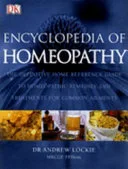
Encyclopedia of Homeopathy
 72
72

Encyclopedia of Homeopathy
Andrew Lockie's Encyclopedia of Homeopathy presents a formidable compilation, offering detailed profiles for over 320 remedies. Its strength lies in its sheer breadth and accessibility, making complex homeopathic materia medica digestible for the uninitiated. The inclusion of specific conditions, from asthma to stroke, grounds the theoretical framework in practical application. However, the work occasionally leans towards a descriptive rather than critical stance, presenting claims about efficacy without extensive engagement with the robust scientific skepticism surrounding homeopathy's mechanisms. A notable passage details the remedy *Arsenicum album*, meticulously outlining its indications for restlessness and anxiety, which exemplifies the book's thorough approach. Despite its limitations in addressing scientific debate, the encyclopedia functions effectively as a comprehensive catalog of homeopathic knowledge for its intended audience.
📝 Description
72
Andrew Lockie's 2006 Encyclopedia of Homeopathy details over 320 homeopathic remedies.
Published in 2006, Andrew Lockie's Encyclopedia of Homeopathy is a reference work that details over 320 distinct homeopathic remedies. It explains their medicinal properties and therapeutic uses, structured for clarity for those new to homeopathy or with existing practice. The book assists individuals seeking natural health approaches, including those managing chronic conditions or interested in alternative medical systems.
The encyclopedia covers the core homeopathic principle of 'like cures like' (similia similibus curentur) and the method of preparing remedies through serial dilution and succussion. It also examines the concept of the vital force, which homeopathy posits as the governing principle of health, and how its imbalances lead to illness. The work aims to make this information accessible for patients and practitioners interested in specific remedy details for a range of ailments.
Homeopathy, originating with Samuel Hahnemann in the late 18th century, represents a distinct system of medicine rooted in vitalistic philosophy. It posits that health is governed by an animating principle, the 'vital force,' and that disease arises from its disruption. Homeopathic practice, including its unique method of remedy preparation through dilution and succussion, operates on the principle of 'like cures like' (similia similibus curentur). Lockie's encyclopedia situates itself within this tradition, providing a detailed catalog of remedies and their applications within this specific framework of understanding health and illness.
💡 Why Read This Book?
• Gain practical knowledge of over 320 homeopathic remedies, understanding their specific medicinal properties and traditional uses as detailed in the book's extensive profiles. This offers a depth of information on natural health options not found in general wellness guides. • Explore the core principles of homeopathy, including "like cures like" and the concept of the vital force, as explained by Lockie. This provides a foundational understanding of this distinct medical system, crucial for discerning its theoretical underpinnings. • Identify specific homeopathic applications for over 30 common and chronic ailments, ranging from breast problems to multiple sclerosis, as presented in the book's sections. This empowers readers with targeted information for personal health exploration.
⭐ Reader Reviews
Honest opinions from readers who have explored this book.
❓ Frequently Asked Questions
What is the primary principle of homeopathy explained in Andrew Lockie's encyclopedia?
The encyclopedia emphasizes the homeopathic principle of 'like cures like' (similia similibus curentur). This means a substance that causes symptoms in a healthy person can be used in diluted form to treat similar symptoms in a sick person.
How does the Encyclopedia of Homeopathy address the preparation of remedies?
The book details the process of serial dilution and succussion, known as potentization. This method, central to homeopathic practice since Samuel Hahnemann's time, is described as increasing the energetic potential of a substance.
Can this book help with chronic conditions like multiple sclerosis?
Yes, the Encyclopedia of Homeopathy lists multiple sclerosis among the conditions it addresses. It provides profiles of remedies believed to be beneficial for managing symptoms associated with such chronic illnesses.
What does the book say about the 'vital force' in relation to health?
The work explains the homeopathic concept of the vital force as an animating energy that maintains health. Imbalances or disruptions to this force are considered the root cause of disease, and remedies aim to restore its equilibrium.
Is Andrew Lockie's encyclopedia suitable for beginners in homeopathy?
Absolutely. The encyclopedia is designed to be accessible, offering comprehensive profiles of over 320 remedies, making it a valuable resource for individuals new to homeopathy seeking to understand its applications and principles.
When was the Encyclopedia of Homeopathy first published, and by whom?
The Encyclopedia of Homeopathy was first published in 2006. It is authored by Dr. Andrew Lockie, a recognized figure in the field of homeopathy.
🔮 Key Themes & Symbolism
Principle of Similars
The core tenet of homeopathy, 'like cures like' (similia similibus curentur), is extensively explored. This involves matching the symptom picture of a disease to the known effects of a substance on a healthy individual. The encyclopedia details how various remedies, from *Pulsatilla* for weeping disposition to *Nux vomica* for irritability, are selected based on this principle, forming the basis for therapeutic intervention in Lockie's work.
The Vital Force
Central to homeopathic philosophy is the concept of the vital force, an energetic principle that governs life and health. The book explains that disease arises from disruptions to this force, manifesting as a complex array of physical, mental, and emotional symptoms. Homeopathic remedies are understood to act by stimulating the vital force to heal itself, promoting a return to balance and well-being.
Materia Medica Compilation
This encyclopedia functions as a vast materia medica, detailing the properties and uses of over 320 individual remedies. Each profile typically includes the source of the remedy, its key symptoms (physical and mental), modalities (factors that worsen or improve symptoms), and common indications for its use. This systematic approach provides a reference for practitioners and patients alike.
Individualized Symptomology
A hallmark of homeopathy, and a key theme in Lockie's work, is the emphasis on individualized treatment. The encyclopedia stresses that selecting the correct remedy depends on a precise match between the patient's unique constellation of symptoms and the specific profile of a remedy. This contrasts with standardized treatments, focusing instead on the totality of the person's experience.
💬 Memorable Quotes
Direct passages from the work, attributed to the author.
“The principle of 'like cures like' guides the selection of remedies.”
— This interpretation emphasizes the core tenet of homeopathy, similia similibus curentur. It signifies that a substance inducing certain symptoms in a healthy person is considered a potential remedy for similar symptoms experienced by a sick individual.
“The vital force is the animating principle that maintains health.”
— This interpretation defines the homeopathic concept of the vital force, viewed as an essential energetic field. The work suggests that restoring the balance and strength of this force is the ultimate goal of homeopathic treatment.
“Remedies are prepared through serial dilution and succussion.”
— This phrase describes the unique method of preparing homeopathic medicines, known as potentization. The process involves repeated dilutions and vigorous shaking, believed to increase the remedy's energetic potency.
💡 Key Ideas
Editorial paraphrase of the work's core concepts — not direct quotes.
Homeopathy is a system of medicine that treats the whole person, not just the disease.
This paraphrase captures the holistic approach fundamental to homeopathy. It highlights that remedies are chosen based on a broad spectrum of individual symptoms—physical, mental, and emotional—rather than solely targeting a diagnosed illness.
Each remedy has a unique symptom picture that must be matched to the patient.
This paraphrase underscores the individualized nature of homeopathic prescribing. It stresses the importance of detailed case-taking to identify the specific, peculiar symptoms of the patient that align with the known effects of a particular remedy.
🌙 Esoteric Significance
Tradition
Homeopathy, while presenting itself as a medical system, shares significant philosophical underpinnings with vitalist and energetic healing traditions that have esoteric dimensions. Its emphasis on a 'vital force' and the energetic nature of remedies aligns with concepts found in Hermeticism and later Theosophy, which explore invisible forces and subtle bodies. Lockie's work, by detailing remedies and their effects, can be seen as a practical application of these energetic principles within a medical framework, bridging the gap between esoteric theory and tangible health outcomes.
Symbolism
The dilution and succussion process itself can be viewed symbolically, representing a refinement and energetic amplification of a substance, moving from the material to the energetic or 'spiritual' plane. The 'symptom picture' of each remedy also acts as a symbolic language, where specific physical and emotional manifestations stand for deeper energetic imbalances. For instance, the remedy *Belladonna* is often associated with sudden, intense symptoms symbolized by its connection to the nightshade plant, a potent and historically significant botanical.
Modern Relevance
Contemporary practitioners of energetic medicine, such as some acupuncturists, Reiki masters, and practitioners of mind-body therapies, often find common ground with homeopathic principles. The focus on individual energetic states and the use of subtle energetic stimuli appeals to modern wellness paradigms that move beyond purely biochemical explanations for health. Thinkers and schools exploring consciousness, quantum physics analogies, and psychosomatic connections may reference homeopathic concepts as part of a broader understanding of healing that integrates mind, body, and spirit.
👥 Who Should Read This Book
• Aspiring homeopaths and students of alternative medicine seeking a foundational reference for over 320 remedies, with clear descriptions of their properties and applications. • Individuals interested in exploring natural health solutions for common ailments and chronic conditions, who want detailed information on specific homeopathic options. • Practitioners of complementary therapies looking to broaden their understanding of energetic medicine and its historical development, particularly regarding Hahnemann's principles.
📜 Historical Context
Published in 2006, Andrew Lockie's Encyclopedia of Homeopathy arrived during a period of resurgence and public interest in complementary and alternative medicine (CAM) within Western societies. Homeopathy itself, founded by Samuel Hahnemann in the late 18th century, had faced continuous challenges from the scientific establishment, notably from the field of allopathic medicine which gained dominance throughout the 19th and 20th centuries. Lockie's work builds upon a rich tradition, drawing from pioneers like James Tyler Kent, whose *Lectures on Homeopathic Philosophy* (published posthumously in 1900) significantly shaped homeopathic thought. In the early 2000s, while conventional medicine continued its trajectory, movements like the rise of evidence-based medicine also spurred critical examination of CAM practices. Homeopathy's reception remained polarized, with proponents citing patient testimonials and its holistic approach, while critics pointed to a lack of plausible scientific mechanisms and robust clinical trial data. Lockie's encyclopedia aimed to consolidate and present this historical knowledge for contemporary readers.
📔 Journal Prompts
The symptom picture of *Arsenicum album* for anxiety and restlessness.
The concept of the vital force and its perceived imbalances.
The homeopathic principle of 'like cures like' in practice.
The process of serial dilution and succussion for remedy preparation.
Matching a specific remedy profile to a hypothetical patient's needs.
🗂️ Glossary
Similia Similibus Curentur
Latin for 'like cures like,' this is the fundamental principle of homeopathy. It dictates that a substance capable of producing symptoms in a healthy person can be used to treat similar symptoms in a sick person.
Vital Force
An animating, energetic principle believed in homeopathy to govern life and health. Disease is seen as a disturbance of the vital force, and remedies aim to restore its balance and strength.
Materia Medica
A comprehensive body of knowledge detailing the effects of various substances on the human body, particularly in the context of homeopathy. It describes the symptoms each substance is known to produce or cure.
Potentization
The process of preparing homeopathic remedies through serial dilution and succussion (vigorous shaking). It is believed to increase the energetic potency and efficacy of the remedy.
Symptom Picture
The unique constellation of physical, mental, and emotional symptoms presented by a patient. In homeopathy, the remedy chosen must closely match this entire symptom picture.
Modality
Factors that ameliorate (improve) or aggravate (worsen) a person's symptoms. These are crucial details in selecting the correct homeopathic remedy.
Allopathic Medicine
A term used in homeopathy to describe conventional Western medicine, which typically treats diseases with remedies that produce effects different from those produced by the disease itself.