Ellie
 72
72

Ellie
Dan Marsee’s *Ellie* presents a chilling premise: a child returns from the dead seven years after her passing. The novel shines when it confronts the raw, visceral reactions of the parents and the tight-knit community. The initial disbelief and burgeoning fear, especially in the isolated Smoky Mountains setting, are palpable. Marsee effectively captures the tension between the miracle of Ellie’s return and the deeply ingrained superstitions that often accompany such events in isolated locales. The primary limitation lies in the latter half of the narrative, where the exploration of the supernatural implications feels less grounded than the initial emotional fallout. A particularly poignant moment is the parents’ hesitant embrace of their daughter, a physical manifestation of their struggle between love and terror. Ultimately, *Ellie* offers a unique, albeit uneven, examination of loss and the impossible.
📝 Description
72
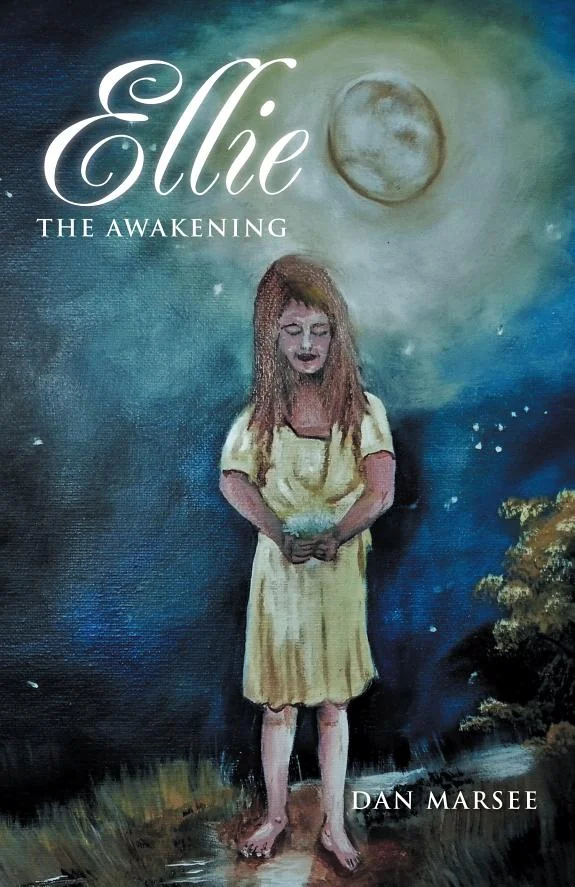
Dan Marsee's 2014 novel, Ellie, concerns a child's return seven years after her death.
Published in 2014, Ellie by Dan Marsee tells the story of a child who comes back to life seven years after her passing. The novel is set in the Smoky Mountains, a region with deep ties to Cherokee traditions. The narrative focuses on the impact of this impossible event on the child's parents and the wider community. It examines the struggle to accept a miracle that defies common understanding and instills fear.
The book is for readers who enjoy speculative fiction that engages with themes of grief, faith, and the strange. It will appeal to those who like stories that connect the rational world with the inexplicable, especially within a setting rich with natural beauty and folklore. Readers interested in questioning the boundaries of life and death, and how people react to the unknown, will find this novel engaging.
Ellie deals with the idea of a literal return from death, referred to as a 'second life' or rebirth. It looks at how personal sorrow interacts with community suspicion. The book also considers the part superstition plays in making sense of the inexplicable and the fundamental human need for answers when logic fails.
Ellie echoes older traditions of ghost stories and miraculous returns found in folklore and religious texts. Its publication in 2014 occurred during a time of sustained interest in paranormal phenomena and personal spiritual exploration. The novel engages with the concept of a literal resurrection, touching on themes often explored in discussions of life after death and the nature of consciousness beyond physical existence.
💡 Why Read This Book?
• You will explore the complex emotional terrain of parents confronting the inexplicable return of their deceased child, Ellie Lane, learning how the narrative grounds supernatural events in profound grief. • You will gain insight into the role of community suspicion and folklore in interpreting extraordinary occurrences, as depicted in the Smoky Mountains setting of the book. • You will confront the philosophical implications of a literal 'second life,' examining how Marsee challenges conventional understandings of death and rebirth within the story's framework.
⭐ Reader Reviews
Honest opinions from readers who have explored this book.
❓ Frequently Asked Questions
What is the primary setting for the book Ellie?
The book is primarily set in the enchanted land of the Cherokees deep within the Smoky Mountains, a location that imbues the narrative with a sense of ancient mystery and natural wonder.
When was Ellie first published?
Ellie was first published in April 2014, placing it within contemporary speculative fiction that explores supernatural themes.
What is the central conflict in Ellie?
The central conflict revolves around Ellie's parents and their community grappling with the fear, superstition, and suspicion that arises from her inexplicable return seven years after her death.
Does Ellie explore themes of grief?
Yes, the book deeply explores the enduring grief of Ellie's parents and how it is challenged and reshaped by her miraculous return.
What is the genre of Ellie?
Ellie falls into the speculative fiction or supernatural thriller genre, focusing on a child's return from death and its impact on those around her.
Who is the author of Ellie?
The author of Ellie is Dan Marsee.
🔮 Key Themes & Symbolism
The Miraculous Return
The central theme of Ellie is the inexplicable return of a child from death, seven years after her passing. This event challenges the natural order and forces characters to confront the impossible. The narrative explores the spiritual and emotional ramifications of such a miracle, particularly for the grieving parents and the community accustomed to the finality of death. The work examines how such an event blurs the lines between life and the afterlife, prompting questions about destiny and divine intervention.
Grief and Remembrance
Ellie looks at the profound and lingering grief experienced by the child's parents over the seven years since her death. Her return does not immediately erase this pain but rather transforms it, introducing new layers of fear, confusion, and a desperate hope. The book illustrates how memory and loss are intertwined, and how the presence of someone presumed gone can reopen old wounds while simultaneously offering a chance for a different kind of healing.
Superstition vs. Reason
Set in the culturally rich and somewhat isolated Smoky Mountains, the narrative highlights the tension between rational explanations and deeply held superstitions. The community's reaction to Ellie's return is a mix of awe, fear, and suspicion, often colored by local folklore and beliefs. The work explores how fear of the unknown can manifest as prejudice and mistrust, particularly when confronted with phenomena that defy scientific understanding.
The Nature of Life and Death
Fundamentally, Ellie questions the fundamental understanding of life and death. The child's 'second life' is not a simple resurrection but an altered existence that prompts existential inquiry. The book probes what it means to truly live, to be human, and to accept the boundaries of mortality, especially when those boundaries are seemingly broken. It invites contemplation on whether a return from the void is a blessing or a curse.
💬 Memorable Quotes
Direct passages from the work, attributed to the author.
“Seven years after her death, Ellie returns.”
— This stark statement expresses the central premise of the novel, immediately establishing the supernatural event that drives the plot and setting the stage for the ensuing conflict and emotional turmoil.
“Her still-grieving parents confront fear, superstition, and suspicion as Ellie begins her new life.”
— This highlights the core emotional and societal challenges faced by the family. It emphasizes the external pressures and internal anxieties that arise when confronting the impossible, particularly within a community influenced by folklore.
“the enchanted land of the Cherokees deep in the Smoky Mountains”
— This phrase grounds the supernatural events in a specific, evocative location, suggesting a mystical quality inherent to the landscape and its indigenous history, hinting at deeper, perhaps ancient, forces at play.
“the second life she has somehow been given”
— This phrase underscores the miraculous and unexplainable nature of Ellie's return, posing questions about agency, fate, and the potential for existence beyond conventional mortal bounds.
“people are divided by the contradictions of s”
— This fragment suggests a broader societal theme, indicating that Ellie's return exacerbates existing divisions or exposes fundamental contradictions in human belief systems and perceptions of reality.
🌙 Esoteric Significance
Tradition
While not explicitly tied to a single esoteric lineage, *Ellie* speaks to themes found in folk magic and certain interpretations of spiritualism. The concept of a soul or spirit returning to inhabit a physical form, particularly after a significant period, echoes spiritualist beliefs about communication with the departed and the potential for reincarnation or spectral re-manifestation. The connection to the 'enchanted land' and Cherokee lore suggests an engagement with animistic and nature-based spiritual traditions, where the veil between worlds is considered thinner.
Symbolism
The number seven is a potent symbol throughout the narrative, marking the significant duration between Ellie's death and her return, often associated with spiritual completion or divine intervention in various esoteric traditions. The Smoky Mountains themselves act as a symbol of a liminal space, a threshold between the mundane and the mystical, a place where the veil between life and death is permeable. Ellie, as the returned child, symbolizes the uncanny, the disruption of natural law, and the embodiment of a miracle that defies rational explanation.
Modern Relevance
Contemporary interest in near-death experiences (NDEs), quantum spirituality, and the philosophical implications of consciousness continues to find echoes in narratives like *Ellie*. Thinkers and practitioners exploring the nature of consciousness beyond the physical body, or those interested in the intersection of folklore and psychological trauma, might find *Ellie* a compelling case study. It speaks to ongoing debates about what constitutes life and the potential for existence beyond empirical observation, a theme relevant in modern spiritual and philosophical discourse.
👥 Who Should Read This Book
• Readers of supernatural fiction and psychological thrillers who enjoy narratives that blend the uncanny with deep emotional exploration. • Individuals interested in folklore and the impact of setting on supernatural events, particularly those drawn to stories rooted in specific geographical and cultural landscapes. • Those who contemplate the philosophical and spiritual questions surrounding life, death, grief, and the possibility of miracles, seeking fictional explorations of these profound themes.
📜 Historical Context
Published in 2014, Dan Marsee's *Ellie* arrived during a period of sustained popular interest in supernatural narratives, ghost stories, and explorations of the afterlife. This era saw a resurgence of paranormal romance, urban fantasy, and psychological thrillers that often played with the boundaries of life and death. While *Ellie* doesn't align with a specific literary movement like the Gothic revival of the 18th century, it taps into a perennial fascination with resurrection myths found across cultures. Its publication year places it contemporary to authors like Stephen King, whose works often explore the darker aspects of the human psyche and the supernatural. The novel's setting in the Smoky Mountains, rich with Cherokee lore, also reflects a broader trend of incorporating indigenous mythology into contemporary fiction, though *Ellie*'s reception was not marked by significant critical debate or specific academic citations at the time of its release.
📔 Journal Prompts
The inexplicable return of Ellie Lane: how does the narrative balance the parents' grief with the community's suspicion?
Reflect on the symbolism of the Smoky Mountains as a setting for supernatural occurrences.
Consider the implications of a 'second life' for Ellie's identity and her relationships.
Analyze the community's response to Ellie's return through the lens of folklore and superstition.
The parents' confrontation with fear and superstition: what does this reveal about human nature?
🗂️ Glossary
Enchanted Land
A place imbued with mystical or supernatural qualities, often associated with folklore, spirits, or ancient magic, as suggested by the description of the Smoky Mountains.
Cherokee Lore
The traditional stories, beliefs, and customs of the Cherokee people, often involving spirits, nature, and explanations for natural phenomena, which influence the book's setting.
Second Life
In the context of Ellie, this refers to the literal return of the child from death to live again, distinct from metaphorical rebirth or reincarnation, posing unique existential questions.
Superstition
An irrational belief that an object, action, or circumstance is an omen of good or bad luck, often playing a significant role in the community's reaction to Ellie's return.
Grief
The intense sorrow or emotional suffering experienced by Ellie's parents following her death, which is profoundly complicated by her subsequent return.
Miracle
An extraordinary event that is attributed to divine intervention, defying the laws of nature, such as the return of Ellie from death.
Liminal Space
A transitional or in-between state or place, often associated with the boundaries between different states of being, such as life and death, as suggested by the Smoky Mountains setting.
This book appears in 1 collection
🔮 Readers Also Liked
Browse all →








From the “Ancient Astronauts” Collection
View all →




More Free Occult Philosophy Books
View all →