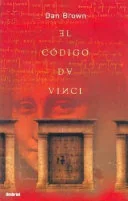
El código Da Vinci
 75
75

El código Da Vinci
Dan Brown's "El código Da Vinci" offers an undeniably propulsive reading experience, masterfully employing a dual-narrative structure and relentless pacing. The initial premise, a murder in the Louvre leading to a trail of artistic and historical enigmas, immediately grabs the reader. The strength lies in its ability to make complex historical and artistic theories accessible, even if presented with a heavy dose of sensationalism. However, the character development often feels secondary to the plot's intricate mechanics; Langdon and Neveu primarily serve as vehicles for exposition and puzzle-solving. The pivotal sequence involving the cryptex and its multiple layers of clues exemplifies the book's clever, albeit sometimes overly convenient, puzzle design. While the historical interpretations are highly speculative, the book's enduring appeal stems from its bold reimagining of well-trodden religious narratives. It's a puzzle box of a novel that prioritizes plot machinations over nuanced character arcs, ultimately succeeding as a thrilling, if controversial, speculative adventure.
📝 Description
75
Dan Brown's 2003 novel posits a hidden history concerning Leonardo da Vinci's art and Christianity.
The narrative begins with a murder at the Louvre, drawing cryptologist Robert Langdon and Sophie Neveu into a hunt for clues. These clues are concealed within Leonardo da Vinci's art and various symbols, leading them to pursue a conspiracy that questions fundamental aspects of Christian history. The story moves from Paris to London, weaving together elements of art history, religious studies, and ancient symbolism.
Readers interested in historical puzzles, secret societies, and speculative interpretations of religious traditions will find the plot engaging. The book blends fast-paced fiction with theories about the past, focusing on figures like Mary Magdalene and the Knights Templar. It reinterprets familiar symbols and historical narratives, presenting a fictional secret history that challenges conventional views.
This novel engages with esoteric traditions by reinterpreting established religious narratives through a lens of hidden knowledge and secret societies. It draws upon Gnostic ideas and interpretations of early Christianity that suggest a suppressed feminine aspect and a lineage concealed within historical accounts. The Priory of Sion and the Knights Templar function as fictional vehicles for these themes, representing ancient orders that guarded sacred secrets. The book's premise is that key religious understandings have been deliberately obscured, with Renaissance art serving as a coded repository of this lost wisdom.
💡 Why Read This Book?
• You will learn about the alleged hidden symbolism within Leonardo da Vinci's "Mona Lisa" and "The Last Supper", exploring how art can purportedly conceal historical secrets. • You will feel the thrill of deciphering cryptic clues, such as the meaning of the Vitruvian Man or the significance of the cryptex, mirroring the protagonists' race against time. • You will encounter a radical reinterpretation of the Holy Grail legend, moving beyond the mythical cup to a historical lineage, challenging conventional religious narratives.
⭐ Reader Reviews
Honest opinions from readers who have explored this book.
❓ Frequently Asked Questions
Is "El código Da Vinci" based on real historical facts?
While "El código Da Vinci" is a work of fiction, it incorporates real historical places like the Louvre and Westminster Abbey, and draws upon theories about the Knights Templar and Leonardo da Vinci's art.
What is the significance of the Priory of Sion mentioned in the book?
The book presents the Priory of Sion as an ancient secret society guarding a profound secret about Christianity. However, historical evidence for its existence as depicted is highly contested.
Who are Robert Langdon and Sophie Neveu?
Robert Langdon is a Harvard symbologist, and Sophie Neveu is a French cryptologist. They are the main protagonists who must solve the mystery presented in the novel.
What is the "Holy Grail" in the context of "El código Da Vinci"?
In the novel, the Holy Grail is not a cup but a symbolic representation of a historical lineage and a secret concerning Mary Magdalene, which the protagonists seek to uncover.
What is a cryptex?
A cryptex is a fictional portable, riddle-locked container invented by the author, used to protect secret messages. It requires a specific sequence of letters to open.
When was "El código Da Vinci" published?
"El código Da Vinci" was first published in 2003, becoming a global bestseller and sparking widespread discussion about art, religion, and history.
🔮 Key Themes & Symbolism
Art as a Cipher
The novel posits that great works of art, particularly those by Leonardo da Vinci like the "Mona Lisa" and "The Last Supper," are not merely aesthetic achievements but encoded messages. Brown suggests that these paintings contain hidden symbols and references to a suppressed historical narrative, particularly concerning the sacred feminine and the true nature of Jesus Christ. The "Vitruvian Man" becomes a key to understanding proportions that relate to a hidden geometry of faith. This theme invites readers to view art history through a lens of concealed knowledge and ancient secrets waiting to be deciphered.
The Suppressed Feminine
A central esoteric argument in "El código Da Vinci" is the historical suppression of the divine feminine within patriarchal religious structures. Mary Magdalene is re-envisioned not as a repentant prostitute but as the wife of Jesus and the bearer of his lineage, the "Holy Grail." The novel explores how this truth was allegedly hidden by the early Church, with symbols of the feminine deliberately obscured or eradicated from religious iconography and doctrine. This theme echoes Gnostic traditions that emphasize Sophia (wisdom) and the feminine divine.
Secret Societies and Guardians
The narrative heavily features the concept of ancient secret societies, primarily the Priory of Sion and the Knights Templar, as custodians of forbidden knowledge. These groups are portrayed as having protected the "truth" about Jesus and Mary Magdalene for centuries, using art, architecture, and cryptic messages to pass down their legacy. The book taps into a long-standing fascination with hidden organizations that operate behind the scenes of history, influencing events and preserving esoteric wisdom from mainstream discovery or corruption.
The Nature of Truth in Religion
Brown's work challenges readers to question the accepted historical and religious narratives. It suggests that "truth" is often constructed and that powerful institutions have an interest in maintaining specific versions of reality. The novel implies that a different, more ancient truth exists, one that involves a more balanced understanding of divinity and a direct spiritual connection, free from hierarchical dogma. This exploration encourages critical thinking about faith, history, and the sources of religious authority.
💬 Memorable Quotes
Direct passages from the work, attributed to the author.
“All of history is a lie agreed upon.”
— This interpretation suggests that historical accounts are not objective truths but rather narratives constructed and accepted by consensus, often influenced by those in power to maintain a specific worldview.
“The Mona Lisa's smile is her secret.”
— This highlights the enigmatic nature of Leonardo da Vinci's most famous work, suggesting that its subtle smile holds a hidden meaning or message, a key to the larger mystery within the book.
“The cryptex contained a secret.”
— This refers to the fictional device used in the novel to safeguard sensitive information. The cryptex itself symbolizes the act of concealment and the challenge of unlocking hidden truths.
“The Holy Grail is not a cup, but a lineage.”
— This is a central reimagining of the Grail legend within the book, proposing that its true meaning lies in a bloodline rather than a physical object, connecting to the suppressed history of Mary Magdalene.
“Symbols are the language of the divine.”
— This concept frames symbols not just as artistic elements but as profound conduits of spiritual meaning, capable of conveying ancient wisdom and hidden truths across time and cultures.
🌙 Esoteric Significance
Tradition
The work draws heavily from Gnostic and Hermetic traditions, reinterpreting Christian narratives through a lens that emphasizes the divine feminine, hidden knowledge, and secret lineages. It aligns with Gnostic ideas that early Christianity contained suppressed truths, particularly concerning Sophia (wisdom) and the role of women. The concept of a hidden lineage protected by secret societies also echoes elements found in Hermetic lore and Rosicrucian narratives, suggesting an esoteric current flowing beneath mainstream religious history.
Symbolism
Key symbols include the chalice and blade, representing the masculine and feminine divine principles, and the anagrams and palindromes used within the narrative, symbolizing hidden meanings and reversals of perception. Leonardo da Vinci's "Vitruvian Man" is reinterpreted not just as a study of human proportion but as a symbol of the sacred geometry and the balanced union of male and female energies central to the book's thesis. The fleur-de-lis, associated with the Priory of Sion, is presented as a symbol of the divine feminine, a corrupted or hidden aspect of a lily-like form.
Modern Relevance
Contemporary interest in "El código Da Vinci" continues within circles exploring alternative spirituality, Gnostic studies, and the intersection of art history with esoteric beliefs. Thinkers and practitioners in fields like sacred geometry and comparative religion often reference the book as a gateway to these topics, even if critically. Its popularization of the "sacred feminine" concept has resonated with modern feminist spirituality movements, encouraging a re-examination of patriarchal religious structures and the reclamation of suppressed female deities or figures.
👥 Who Should Read This Book
• Readers interested in comparative religion and alternative interpretations of biblical history, seeking to explore Gnostic and proto-Christian concepts presented in a narrative format. • Art history enthusiasts who enjoy theories about hidden meanings in Renaissance masterpieces, particularly the works of Leonardo da Vinci. • Fans of mystery and thriller novels who appreciate intricate puzzles, secret codes, and fast-paced plots involving historical conspiracies.
📜 Historical Context
Published in 2003, Dan Brown's "El código Da Vinci" arrived during a period of burgeoning interest in conspiracy theories and alternative historical interpretations, fueled partly by the internet's accessibility to information and misinformation alike. The novel tapped into a cultural zeitgeist that was questioning established institutions, including religious ones. Its reception was polarized; while it sold millions, it also drew significant criticism from religious scholars and historians for its speculative claims and perceived inaccuracies. For instance, the popular historian and author Michael Baigent had previously explored similar theories about Mary Magdalene and the Holy Grail in his 1982 non-fiction book "The Holy Blood and the Holy Grail," a work Brown's novel clearly engaged with and popularized to a mass audience. The book's sensational success and the ensuing debates surrounding its historical assertions underscore its impact on public discourse concerning religious history and art.
📔 Journal Prompts
The concept of "All of history is a lie agreed upon" – how does this idea challenge your understanding of established narratives?
Analyze the symbolism of the "Mona Lisa" as presented in the novel; what hidden messages might art contain?
Reflect on the reinterpretation of Mary Magdalene's role; how does this contrast with traditional Christian teachings?
Consider the function of the "cryptex" as a plot device; what does its secure nature signify about hidden knowledge?
Explore the theme of the "sacred feminine" in religious history as depicted in the book; what does its suppression imply?
🗂️ Glossary
Symbologist
An expert in the study of symbols and symbolism. In the context of the book, Robert Langdon is a Harvard symbologist who deciphers hidden meanings in art and historical artifacts.
Cryptologist
A specialist in cryptography, the practice and study of techniques for secure communication. Sophie Neveu is a cryptologist skilled in breaking codes and uncovering hidden messages.
Priory of Sion
A supposed ancient secret society mentioned in the novel, alleged to have guarded the secret of the Holy Grail and a hidden lineage connected to Jesus Christ and Mary Magdalene.
Knights Templar
A medieval Christian military order. The book posits them as guardians of sacred secrets related to the Holy Grail and a suppressed history of Christianity.
Sacred Feminine
A concept referring to the divine aspect of the feminine, often suppressed in patriarchal religious traditions. The book argues for its central role in early Christianity.
Vitruvian Man
Leonardo da Vinci's drawing of a man in two superimposed positions inscribed in a circle and square. The book reinterprets it as a symbol of balanced masculine and feminine energies.
Cryptex
A fictional portable, riddle-locked container invented by Dan Brown, designed to protect secret messages. It requires a specific sequence of letters to open.
This book appears in 1 collection
🔮 Readers Also Liked
Browse all →









From the “Secret Societies” Collection
View all →




More Free Occult Philosophy Books
View all →