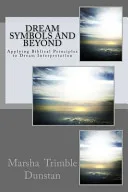
Dream Symbols and Beyond
 77
77

Dream Symbols and Beyond
Marsha Trimble Dunstan’s *Dream Symbols and Beyond* attempts to bring order to the chaotic landscape of dream interpretation. The author’s stated aim to blend a left-brain, analytical approach with the right-brain world of intuition is commendably ambitious. Dunstan succeeds in providing a structured method that can feel less like guesswork and more like a puzzle to be solved, which is a significant benefit for beginners wary of purely esoteric pronouncements. The inclusion of anecdotal evidence, while sometimes bordering on the simplistic, serves to illustrate her points effectively. However, the work occasionally suffers from an over-reliance on a specific theological framework that might not resonate with all readers seeking dream interpretation, potentially limiting its universal appeal. The attempt to create a "fun mesh" sometimes feels more like a forced marriage of analytical rigor and spiritual conviction. Despite these reservations, the book offers a solid, if somewhat narrowly focused, entry point into understanding one's own nocturnal narratives.
📝 Description
77
Marsha Trimble Dunstan's 2014 book provides a method for decoding dream symbols.
Dream Symbols and Beyond, published in 2014, presents a structured approach to understanding the language of dreams. Marsha Trimble Dunstan connects analytical and intuitive thought processes to make dream interpretation clearer. The book argues that dreams are not random but carry specific messages, offering readers ways to find personal meaning in their nocturnal visions. This volume is written for those new to dream analysis, especially individuals with a spiritual outlook on dreams as divine communication, often drawing on biblical examples. It suits readers who want practical guidance that is both easy to follow and interesting, making dream symbolism accessible to anyone, whether they are initially skeptical or deeply spiritual.
Dunstan's work comes from a continued interest in Jungian psychology and the wider New Age movement's focus on consciousness and symbols, which became popular in the late 20th century. Though not tied to specific historical events, its method combines psychological interpretation with spiritual belief, a trend seen since the mid-1900s. Her approach reflects a synthesis of Carl Jung's ideas on archetypes and the collective unconscious with the work of authors who made these concepts more widely known. The core idea is that dream images are a form of personal communication requiring a specific way to interpret them. The book distinguishes between literal dream events and their symbolic meanings, advocating for a layered analysis and stressing the importance of individual context in understanding symbols.
This book sits within the modern esoteric tradition that synthesizes psychology and spirituality, particularly influenced by Carl Jung's work on archetypes and the collective unconscious. It follows a lineage of thought that views dreams as significant messages rather than random neural firings, aligning with New Age interpretations of consciousness and symbolism. The emphasis on personal meaning and a layered interpretive lens connects to practices that seek direct spiritual or psychological insight through symbolic language.
💡 Why Read This Book?
• Gain a structured, analytical method for dream interpretation, moving beyond mere guesswork by learning to apply a "left brain approach to the right brain world" as detailed in the book's core methodology. • Discover how dreams can be understood as purposeful messages, a concept explored through practical application and thought-provoking anecdotes that demonstrate the inherent meaning in your subconscious narratives. • Explore the idea of divine communication through dreams and visions, providing a framework for interpreting these experiences within a spiritual context, as outlined by Marsha Trimble Dunstan.
⭐ Reader Reviews
Honest opinions from readers who have explored this book.
❓ Frequently Asked Questions
What is the primary goal of Marsha Trimble Dunstan's Dream Symbols and Beyond?
The primary goal is to provide beginners with a practical and accessible method for interpreting their dreams. It aims to show that dreams have meaning and purpose, using a structured approach that blends analytical thinking with intuitive understanding.
Who is the intended audience for this dream interpretation book?
The book is intended for beginners in dream interpretation, especially those who believe in divine communication through dreams and visions, often referencing biblical examples. It appeals to those seeking a practical, step-by-step guide.
What unique approach does Dream Symbols and Beyond take to dream analysis?
It utilizes a "left brain approach to the right brain world," meaning it applies logical, analytical methods to the often symbolic and intuitive nature of dreams, creating a unique blend of practicality and insightful interpretation.
When was Dream Symbols and Beyond first published?
The book was first published on July 11, 2014, indicating its relatively recent entry into the field of dream interpretation literature.
Does the book offer specific examples of dream symbols?
While the book focuses on a methodology, it uses practical applications and anecdotes to illustrate how to interpret various dream elements, encouraging readers to find personal meaning rather than relying solely on a fixed symbol dictionary.
Is this book suitable for experienced dream interpreters?
While primarily aimed at beginners, experienced interpreters might find value in Dunstan's specific framework for bridging analytical and intuitive approaches, offering a different perspective on established interpretive practices.
🔮 Key Themes & Symbolism
Divine Communication Through Dreams
The work posits that dreams serve as a conduit for divine messages, a concept often explored within theological and spiritual traditions. Dunstan frames dream interpretation not just as psychological exploration but as a means to discern guidance from a higher power. This perspective aligns with historical belief systems that view dreams as prophetic or revelatory, encouraging readers to approach their dreamscapes with reverence and an openness to spiritual understanding, particularly within a framework that may draw parallels to biblical accounts of visions.
Analytical Dream Interpretation
A core tenet of the book is the application of a structured, analytical "left brain" methodology to the inherently symbolic and often illogical "right brain" world of dreams. This approach seeks to explain the process by providing readers with practical tools and logical steps for dissecting dream narratives. It moves beyond passive reception, empowering individuals to actively engage with their subconscious by breaking down symbols and scenarios into understandable components, thereby revealing their underlying purpose.
Purpose and Meaning in Dreams
Dunstan firmly asserts that dreams are not random neural firings but possess inherent purpose and meaning. The book guides readers to uncover this significance by exploring the personal context of dream imagery. By presenting dreams as purposeful, the author encourages a deeper engagement with one's inner life, suggesting that understanding these nocturnal narratives can lead to personal growth and a clearer grasp of one's life direction and challenges.
Bridging Logic and Intuition
The book's unique selling proposition lies in its attempt to harmonize analytical thinking with intuitive insight. It acknowledges that while dreams operate on a symbolic, intuitive level, understanding them requires logical processing. This synthesis aims to make dream interpretation accessible to a wider audience, including those who might be skeptical of purely mystical approaches but are open to exploring their inner world through a blend of structured analysis and personal feeling.
💬 Memorable Quotes
Direct passages from the work, attributed to the author.
“Dreams have meaning and purpose.”
— This concise statement captures the book's central thesis, asserting that nocturnal visions are not random but intentional messages from the subconscious or a divine source, inviting active interpretation.
“A left brain approach to the right brain world of interpretation.”
— This phrase highlights the book's methodology: applying logical, structured thinking to the symbolic, intuitive area of dreams, making them more accessible and understandable.
“God speaks to us... sometimes through dreams and visions.”
— This reflects the author's theological perspective, framing dream analysis within a spiritual context where dreams can be a form of divine communication, particularly relevant for those with faith-based beliefs.
“Practical application and thought-provoking anecdotes.”
— This describes the book's content delivery, suggesting a balance between actionable advice for dream interpretation and engaging stories that illustrate the concepts discussed.
“Creates a fun mesh.”
— This phrase suggests the author's intention to make the process of dream interpretation enjoyable and engaging, combining different elements into a cohesive and pleasant experience for the reader.
🌙 Esoteric Significance
Tradition
While not strictly adhering to a single esoteric lineage like Hermeticism or Kabbalah, Dunstan's work draws from the broader tradition of psychological spirituality that gained momentum in the 20th century, heavily influenced by figures like Carl Jung. It fits within a contemporary esoteric milieu that seeks to integrate personal spiritual experience with psychological insight, particularly viewing dreams as a meaningful interface between the individual psyche and a perceived transcendent reality or divine consciousness.
Symbolism
The book emphasizes the personal nature of dream symbolism, moving away from rigid, universal symbol dictionaries. However, it implicitly acknowledges archetypal patterns that resonate across cultures and traditions. Concepts like 'visions' and 'divine communication' themselves carry symbolic weight, suggesting a higher realm or intelligence communicating through the dream state. The 'left brain/right brain' metaphor also functions symbolically, representing the integration of logic and intuition, a recurring theme in esoteric thought aiming for wholeness.
Modern Relevance
Dunstan's work finds relevance in contemporary practices that blend mindfulness, psychology, and spirituality. Modern spiritual seekers and practitioners of self-help often look for tools to understand their inner lives. The book's accessible, step-by-step approach appeals to individuals interested in personal development who may be exploring concepts of consciousness, intuition, and the subconscious, aligning with current trends in wellness and self-discovery that bridge psychological well-being and spiritual inquiry.
👥 Who Should Read This Book
• Beginners in dream interpretation seeking a structured, accessible method to understand their nocturnal experiences, particularly those who view dreams as potentially divinely inspired. • Individuals interested in a practical approach that combines analytical thinking with intuitive understanding, moving beyond generic dream dictionaries to personal meaning. • Those who hold a spiritual or religious perspective and wish to explore how their faith traditions might inform or be informed by the interpretation of dreams and visions.
📜 Historical Context
First published in 2014, Marsha Trimble Dunstan's *Dream Symbols and Beyond* arrived at a time when interest in Jungian psychology and esoteric interpretation remained strong, albeit in a more diversified landscape than in the mid-20th century. The post-Jungian era saw numerous authors attempting to synthesize psychological theories with spiritual or New Age beliefs, making Dunstan's work part of a broader trend. Unlike earlier proponents of dream analysis who might have focused purely on psychological mechanisms, or those strictly within religious frameworks, Dunstan sought to bridge these by acknowledging a divine element. This approach contrasts with the purely secular interpretations championed by some psychoanalytic schools. The 2014 publication date places it decades after Carl Jung's seminal works on dream analysis and after the widespread popularization of dream dictionaries, suggesting a need for a more integrated, personal approach to interpretation that acknowledges both symbolic language and spiritual belief.
📔 Journal Prompts
Reflect on a recent dream symbol and consider its potential divine or purposeful message.
Analyze a recurring dream element using the 'left brain approach' described in the book.
How does the concept of 'dreams and visions' as divine communication resonate with your personal beliefs?
Describe a dream anecdote from the book and how its interpretation mirrors a personal experience.
Consider the 'fun mesh' of logic and intuition in interpreting a complex dream scenario.
🗂️ Glossary
Left Brain Approach
Refers to the book's methodology of applying logical, analytical, and sequential thinking to the interpretation of dreams, traditionally considered a right-brain, intuitive activity.
Right Brain World
Represents the intuitive, symbolic, and emotional area of consciousness where dreams typically occur, characterized by imagery, feelings, and non-linear associations.
Dreams and Visions
In the context of this book, these terms refer to subconscious experiences during sleep that are believed to carry significant meaning, often interpreted as messages from a divine source.
Purposeful Dreams
The concept that dreams are not random but are intended to convey specific messages, insights, or guidance to the dreamer, serving a particular function in their life.
Practical Application
The use of concrete techniques and strategies within the book to actively interpret one's own dreams, moving beyond theoretical understanding to hands-on engagement.
Thought-Provoking Anecdotes
Stories shared within the text that are designed to stimulate reflection and illustrate the principles of dream interpretation, making abstract concepts more relatable.
Esoteric Interpretation
Understanding symbols and experiences through a lens that goes beyond the mundane or purely psychological, often connecting them to spiritual, mystical, or hidden knowledge.