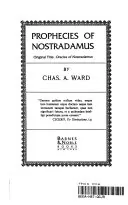
Drachenreiter

 71
71

Drachenreiter
Cornelia Funke’s "Drachenreiter" tackles the weighty subject of ecological displacement through the eyes of mythical beasts, a bold narrative choice that mostly succeeds. The book’s strength lies in its imaginative world-building and the palpable sense of urgency Funke imbues into the dragons' plight. Unlike many creature-centric tales, these dragons feel vulnerable, their ancient magic pitted against the inexorable march of human development. The depiction of the "burning land" serves as a stark, potent metaphor for environmental destruction. However, the narrative occasionally falters under the weight of its message; some of the allegorical connections feel a touch too direct, sacrificing subtlety for clarity. A particularly memorable sequence involves the dragons attempting to navigate a polluted waterway, a scene that vividly illustrates their struggle for survival. Ultimately, "Drachenreiter" is a thoughtful, if sometimes heavy-handed, fantasy for younger readers concerned with the planet's future.
📝 Description
71
Cornelia Funke's 2016 novel Drachenreiter imagines dragons seeking refuge from a dying world.
Drachenreiter, published in 2016, is a fantasy novel by Cornelia Funke. It follows a group of mythical creatures, including dragons, who must find a new home as their current one becomes uninhabitable. Their flight is beset by external dangers and internal struggles as they confront the reality of adaptation. Funke weaves a narrative where ancient magic confronts modern ecological crises, using the story as an allegory for contemporary environmental concerns.
The novel draws on folklore and mythological archetypes, reimagining them for a younger audience. It appeals to young adult readers interested in fantasy that addresses serious themes such as conservation, displacement, and the search for belonging. Readers familiar with Funke's previous works, like the Inkheart trilogy, will find a similar balance of adventure and emotional depth, with a stronger emphasis on ecological issues. The story also suits those drawn to narratives with non-human protagonists and explorations of interspecies relationships, offering a blend of fantasy and relatable moral questions.
While not overtly occult, Drachenreiter touches on themes resonant within esoteric traditions that emphasize humanity's relationship with the natural world and the spiritual forces within it. The plight of the dragons can be seen as a metaphor for ancient, nature-based powers struggling against the encroachment of industrialization and ecological neglect. The novel's focus on a hidden magical world existing alongside our own, and the urgent need for balance, echoes concepts found in animistic beliefs and certain strains of ecological spirituality that see intrinsic value and agency in natural phenomena.
💡 Why Read This Book?
• Understand the concept of 'sanctuary' as depicted in the dragons' search for a safe haven, learning how ancient magic must adapt to modern environmental threats. • Experience the narrative's exploration of interspecies symbiosis, specifically how the dragons and other creatures must rely on each other's unique abilities for survival, a core theme introduced early in their quest. • Grasp the allegorical representation of ecological collapse through the "burning land," a specific locale within the book that serves as a stark warning about environmental consequences.
⭐ Reader Reviews
Honest opinions from readers who have explored this book.
❓ Frequently Asked Questions
What is the main conflict in Cornelia Funke's Drachenreiter?
The main conflict involves a group of dragons and other mythical creatures being forced from their ancestral home due to human expansion and environmental destruction, compelling them to find a new sanctuary before their world disappears.
What are the key themes explored in Drachenreiter?
Key themes include environmentalism, conservation, the search for home and belonging, the clash between ancient magic and modernity, and the importance of interspecies cooperation for survival.
Is Drachenreiter a standalone novel or part of a series?
Drachenreiter is a standalone novel, first published in 2016. It does not directly continue or precede other specific narrative arcs within Cornelia Funke's broader bibliography, though it shares thematic elements with her other works.
What makes the dragons in Drachenreiter unique?
These dragons are depicted as ancient, wise beings facing extinction. Unlike typical portrayals of dragons as purely powerful or destructive, Funke's dragons are vulnerable, driven by the need to preserve their existence and their natural world.
Does Drachenreiter have a connection to real-world environmental issues?
Yes, the novel serves as an allegory for real-world environmental crises. The 'burning land' and the dragons' struggle to find a safe habitat directly reflect concerns about climate change, habitat loss, and ecological endangerment.
Who is the intended audience for Drachenreiter?
The book is primarily aimed at young adult readers, but its sophisticated themes and imaginative storytelling can also appeal to adult readers interested in fantasy with a strong ecological message.
🔮 Key Themes & Symbolism
Ecological Allegory
The narrative serves as a potent allegory for contemporary environmental crises. The "burning land" and the forced migration of the dragons and their kin mirror real-world habitat destruction and the plight of endangered species. Funke uses the mythical creatures to highlight the vulnerability of natural ecosystems when faced with unchecked development and pollution, urging readers to consider the consequences of human actions on the planet's delicate balance.
Sanctuary and Belonging
A central theme is the desperate search for a sanctuary, a place where the dragons and other magical beings can live safely, free from the encroaching human world and its destructive tendencies. This quest for a new home explores the deep-seated need for belonging and the emotional toll of displacement. The novel questions what constitutes a true home and the sacrifices individuals must make to protect it.
Interspecies Symbiosis
The survival of the mythical creatures hinges on their ability to cooperate and understand one another. The novel emphasizes the concept of symbiosis, illustrating how different species, with their unique strengths and weaknesses, can achieve more together than they could alone. This theme underscores the importance of unity and mutual respect in overcoming collective challenges, particularly in the face of existential threats.
Magic vs. Modernity
Funke juxtaposes ancient, natural magic with the relentless advance of human technology and expansion. The dragons represent a fading era of enchantment that is increasingly threatened by the mundane world. Their struggle is not just for survival but also for the preservation of their way of life and the magic that defines it, posing questions about progress and its costs.
💬 Memorable Quotes
Direct passages from the work, attributed to the author.
“The dragons had to leave their homeland.”
— This simple statement captures the core conflict: a forced exodus driven by external pressures, setting the stage for the novel's exploration of displacement and the search for refuge.
“They sought a place untouched by human hands.”
— This highlights the central quest for sanctuary, emphasizing the desire for a pristine environment free from the destructive impact of human civilization, a key theme of ecological preservation.
“Their magic was ancient, their future uncertain.”
— This phrase captures the precarious position of the mythical creatures, possessing great power rooted in the past but facing an unknown and potentially perilous future in a changing world.
“Survival depended on their unity.”
— This directly addresses the theme of interspecies cooperation, suggesting that the collective strength and mutual reliance of the different creatures are essential for their continued existence.
“The burning land was a warning.”
— This refers to a specific, devastated location within the narrative, serving as a powerful symbol and literal representation of ecological disaster and the consequences of environmental neglect.
🌙 Esoteric Significance
Tradition
While not explicitly rooted in a single esoteric lineage like Hermeticism or Gnosticism, "Drachenreiter" draws heavily from a pan-European folkloric and mythological tradition that intersects with animistic and nature-based spiritualities. It echoes themes found in ancient myths where natural forces and mythical beings are guardians of the earth, often in conflict with destructive human expansion. The novel's emphasis on the intrinsic value of non-human life and the spiritual interconnectedness of all beings aligns with modern pagan and eco-spiritual movements.
Symbolism
The dragons themselves are potent symbols of ancient power, primal forces of nature, and endangered wisdom. Their flight from a "burning land" symbolizes ecological devastation and the loss of sacred spaces. The "burning land" itself represents the destructive consequences of unchecked industrialization and environmental neglect. The concept of "sanctuary" symbolizes a place of refuge, healing, and the potential for renewal, a sacred space where natural magic can persist against overwhelming odds.
Modern Relevance
In contemporary times, "Drachenreiter" appeals to eco-philosophers, nature-based spiritual practitioners, and activists advocating for environmental justice. Thinkers who explore deep ecology and the rights of nature might find the novel's depiction of sentient, nature-aligned beings compelling. Its themes are relevant to modern discussions on conservation, indigenous rights (by analogy to the displaced mythical peoples), and the search for sustainable ways of living that respect the natural world, finding echoes in the work of environmental writers and contemporary nature mystics.
👥 Who Should Read This Book
• Young adult readers interested in fantasy narratives that engage with significant social and environmental issues, moving beyond simple adventure to explore themes of conservation and displacement. • Readers who appreciate stories featuring non-human protagonists and exploring the complex relationships between different species and their environment, particularly those concerned with ecological balance. • Educators and parents seeking engaging literature that can spark conversations about environmental responsibility, empathy for endangered species, and the importance of protecting natural habitats.
📜 Historical Context
Cornelia Funke's "Drachenreiter," published in 2016, arrived in an era where environmental anxieties were increasingly prominent in global discourse. The novel taps into a growing trend within young adult literature of the early 21st century to address complex social and ecological issues. By 2016, authors like Suzanne Collins ("The Hunger Games") had already demonstrated the market's appetite for dystopian and post-apocalyptic themes rooted in societal collapse, often driven by environmental factors. Funke, already a celebrated author following the success of her "Inkheart" trilogy, leveraged her established voice to craft a narrative that, while fantastical, resonated with contemporary concerns about climate change and habitat loss. The work can be seen as engaging with a post-millennial sensibility that questions unchecked progress and emphasizes the need for ecological stewardship, a perspective gaining traction amidst growing scientific consensus on climate change.
📔 Journal Prompts
The dragons' flight from the burning land: what does this exodus signify for you?
Reflection on the concept of "sanctuary" as a place of safety and belonging.
The interdependence of creatures: explore how cooperation ensures survival.
Analyze the symbolism of the "burning land" as an environmental allegory.
Consider the tension between ancient magic and modern encroachment in the narrative.
🗂️ Glossary
Drachenreiter
The title translates to "Dragon Rider" or "Dragon Rider" in English, though the novel focuses on the dragons themselves and their plight rather than human riders.
Burning Land
A specific, devastated region within the novel's world, serving as a powerful symbol of ecological destruction caused by human actions or neglect.
Sanctuary
The ultimate goal for the displaced mythical creatures in the novel; a safe haven where they can live without threat from the encroaching human world.
Symbiosis
The concept of different species living together in a mutually beneficial relationship, crucial for the survival of the dragons and their companions in the face of adversity.
Ancient Magic
Represents the natural, inherent power and wisdom of the mythical creatures and their world, which is threatened by the advance of modernity and human development.
Displacement
The forced removal of the dragons and other beings from their ancestral home, mirroring real-world issues of habitat loss and the impact of human expansion on wildlife.
Modernity
Represents the encroaching human world, characterized by development, technology, and a disregard for the natural environment, posing a threat to the magical beings.
🔮 Readers Also Liked
Browse all →







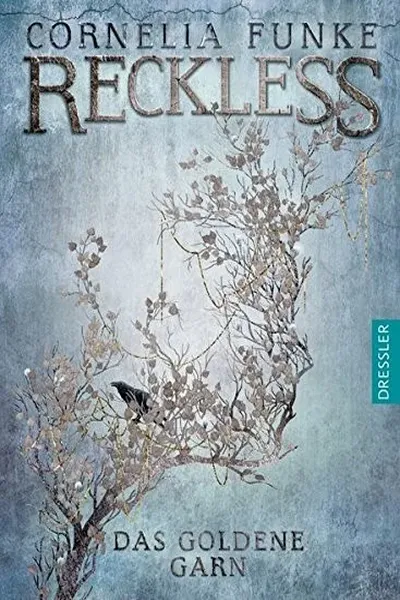
More by Cornelia Funke
All books →




More Free Occult Philosophy Books
View all →