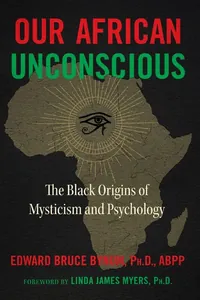
Dites-moi tout--

 81
81

Dites-moi tout--
Giselle Flavie’s Dites-moi tout-- offers a unique, if sometimes elusive, exploration of interior landscapes. The strength of the work lies in its unvarnished introspection; it avoids grand pronouncements in favor of a more intimate, almost conversational tone that invites the reader into a shared process of discovery. Flavie’s contemplation on "energetic resonance" in particular, presented without the typical jargon, feels remarkably direct. However, the book's primary limitation is its inherent abstraction. While it touches on profound ideas, the lack of concrete examples or grounding anecdotes can leave the reader adrift, searching for tangible anchors. For instance, the discussion surrounding the "inner self" often remains theoretical, making it difficult to translate into practical application without significant reader effort. The work challenges conventional perception by suggesting hidden connections, but the path to recognizing these connections is left largely to the reader's own interpretive abilities. Ultimately, Dites-moi tout-- serves as a contemplative prompt rather than a definitive guide.
📝 Description
81
Giselle Flavie's 1986 book, Dites-moi tout--, examines consciousness through subtle energies.
Dites-moi tout-- by Giselle Flavie, published in 1986, approaches consciousness and the hidden forces influencing human life. It does not offer a rigid system of beliefs but instead presents observations and reflections on how individuals connect with the wider cosmos. The book invites readers to consider the underlying mechanics of existence, challenging common materialistic views. It speaks to those who seek a deeper understanding of reality, moving beyond superficial appearances.
This text is for individuals already involved in spiritual or metaphysical exploration. It requires some familiarity with esoteric concepts or a strong commitment to learning them. Readers who enjoy introspection, symbol interpretation, and questioning everyday perceptions will find this book rewarding. It appeals to those drawn to investigate the unseen aspects of the world and apply esoteric knowledge to their personal growth.
Published in 1986, Dites-moi tout-- appeared during a period of resurgent interest in esoteric and New Age ideas. It followed mid-20th century philosophical explorations and gained attention alongside broader New Age movements. Flavie's work distinguished itself with a personal, introspective style, differing from the more formal structures of magical orders or prevailing societal trends. Its release predated the easy digital access to esoteric materials that is common today.
💡 Why Read This Book?
• Gain insight into the concept of "energetic resonance," understanding how subtle vibrations might connect individuals and events, a perspective not commonly found in mainstream psychology. • Explore the symbolic language of the "inner self" as presented by Flavie, offering a unique framework for self-analysis and personal growth beyond typical introspective methods. • Develop a deeper appreciation for synchronicity as more than mere coincidence, learning to recognize meaningful patterns through the lens of the interconnected cosmos as discussed in the book.
⭐ Reader Reviews
Honest opinions from readers who have explored this book.
❓ Frequently Asked Questions
When was Giselle Flavie's Dites-moi tout-- originally published?
Dites-moi tout-- by Giselle Flavie was first published in 1986, placing it within a period of significant interest in esoteric and New Age literature.
What is the primary focus of Dites-moi tout--?
The book primarily focuses on exploring consciousness, hidden energies, and the symbolic language that underpins reality, encouraging introspection and a deeper understanding of the self and the cosmos.
Is Dites-moi tout-- suitable for beginners in esoteric studies?
It is best suited for individuals already engaged in spiritual or metaphysical inquiry, as it assumes a certain foundational understanding and offers a more introspective approach.
What is "energetic resonance" as discussed in the book?
Energetic resonance refers to the concept that individuals and events are linked through subtle vibrational frequencies, suggesting a deeper interconnectedness than is typically perceived.
Does the book offer practical exercises?
While not explicitly a manual of exercises, the book's introspective nature and exploration of concepts like intention and symbolism encourage practical application in the reader's personal development.
What esoteric tradition does Dites-moi tout-- draw from?
The work draws broadly from esoteric traditions, emphasizing personal gnosis and the interconnectedness of consciousness and the cosmos, rather than adhering strictly to one specific lineage.
🔮 Key Themes & Symbolism
The Inner Self
The concept of the "inner self" in Dites-moi tout-- is presented not as a static entity but as a dynamic, evolving core of consciousness. Flavie suggests that this inner dimension is intrinsically linked to the external universe, and understanding its nature is key to perceiving the underlying order of reality. The work encourages readers to look inward, not for ego gratification, but to discern subtle truths and patterns that govern both personal experience and universal phenomena. This exploration challenges the conventional separation between the individual psyche and the wider cosmos, proposing a more holistic view of existence where the internal landscape mirrors and influences the external.
Energetic Resonance
Flavie introduces "energetic resonance" as a fundamental principle governing interactions and connections. This theme posits that everything in existence vibrates at specific frequencies, and similar frequencies attract or align, creating patterns of influence and connection. This is not merely a physical phenomenon but extends to thoughts, emotions, and intentions. The book suggests that by understanding and consciously directing one's own energetic output, individuals can influence their reality and forge deeper connections with others and the world around them. It provides a framework for interpreting synchronicities and meaningful coincidences as manifestations of this underlying energetic coherence.
Symbolic Language
The text emphasizes the crucial role of symbolism in accessing deeper levels of understanding. Flavie views symbols not as mere representations but as keys that unlock intuitive comprehension and bridge the gap between the conscious and subconscious mind. The work implies that the universe itself communicates through a rich symbolic language, and learning to interpret these symbols is essential for spiritual growth. This theme encourages readers to look beyond the literal meaning of events and signs, seeking the underlying archetypal patterns and esoteric truths that symbols reveal about the nature of existence and consciousness.
Consciousness and Reality
Fundamentally, Dites-moi tout-- explores the profound relationship between consciousness and the fabric of reality. Flavie suggests that our perception and engagement with the world are not passive but actively shape the reality we experience. The book encourages a shift in perspective, moving from a materialist view to one where consciousness is primary, influencing and interacting with the energetic and symbolic dimensions of existence. This theme invites readers to consider the power of focused intention, belief systems, and awareness in manifesting their experiences, proposing that a deeper understanding of consciousness can lead to a more profound and meaningful engagement with life.
💬 Memorable Quotes
Direct passages from the work, attributed to the author.
“The outer world is but a reflection of the inner state, a mirror held up by unseen forces.”
— This concept highlights the esoteric belief in the interconnectedness of the individual psyche and the external environment. It suggests that our internal world—thoughts, beliefs, and emotions—projects outward, influencing our experiences and perceptions of reality.
“Intention, focused and pure, acts as a directed current in the ocean of being.”
— This captures the essence of how conscious will, when properly cultivated, can influence the energetic field of existence. It suggests that focused intent has a tangible, directional effect on unfolding events and circumstances.
“Each symbol is a doorway, not a barrier, to understanding what lies beyond the veil.”
— This interpretation emphasizes the function of symbols in esoteric thought as tools for accessing hidden knowledge. Rather than being obscure, they are seen as accessible pathways that, when understood, reveal deeper spiritual or psychological truths.
“To know the self is to know the cosmos, for the microcosm contains the macrocosm.”
— This foundational esoteric principle suggests that the study of the individual human being (microcosm) offers direct insight into the nature and workings of the entire universe (macrocosm).
💡 Key Ideas
Editorial paraphrase of the work's core concepts — not direct quotes.
Synchronicity is the universe whispering its secrets to those who listen with the heart.
This paraphrased idea frames synchronicity not as random chance but as meaningful communication from a higher or cosmic intelligence. It implies that paying attention to coincidences can reveal deeper truths and guidance.
🌙 Esoteric Significance
Tradition
The work aligns broadly with modern esoteric movements that emphasize direct experience and the interconnectedness of all things, rather than adhering strictly to a singular tradition like Hermeticism or Kabbalah. It appeals to the perennial philosophy's idea of a unified spiritual truth underlying diverse traditions, focusing on consciousness as the primary vehicle for understanding. Flavie's approach is more intuitive and experiential, encouraging personal gnosis over adherence to dogma, a hallmark of many post-20th-century esoteric explorations.
Symbolism
Key symbols explored include the "inner self," representing the core of individual consciousness and its connection to the universal mind; "energetic resonance," symbolizing the vibrational interconnectedness of all phenomena; and "symbols" themselves, depicted as keys or doorways to deeper awareness. These motifs collectively point towards a reality governed by subtle forces and interconnected patterns, accessible through inner perception and symbolic interpretation.
Modern Relevance
Contemporary thinkers and practitioners in areas like consciousness studies, quantum mysticism, and energy healing often echo themes found in Dites-moi tout--. The book's emphasis on the power of intention, the interconnectedness of mind and matter, and the significance of symbolic language continues to inform practices in mindfulness, manifestation techniques, and holistic wellness approaches that seek to bridge the gap between the psychological and the spiritual.
👥 Who Should Read This Book
• Aspiring esoteric scholars seeking a text that bridges philosophical inquiry with introspective practice, offering a unique perspective on consciousness. • Individuals interested in exploring the concept of "energetic resonance" and its implications for understanding personal relationships and life events. • Seeker of deeper self-knowledge who appreciate a non-dogmatic approach to spirituality and are willing to engage with abstract concepts through personal reflection.
📜 Historical Context
Giselle Flavie's Dites-moi tout--, released in 1986, emerged during a vibrant period for esoteric and New Age literature. This era saw a significant public engagement with spiritual exploration, moving beyond the more structured occult traditions of earlier decades. While figures like Rudolf Steiner and Alice Bailey had laid groundwork in theosophical and anthroposophical thought, the 1980s witnessed a broader, more eclectic interest. Flavie's work contributed to this by offering a more personal, introspective perspective on consciousness and energetic principles, distinguishing itself from the more dogmatic or ritualistic approaches found in some established magical orders. The book's reception was likely within specialized circles, as the internet had not yet democratized access to such niche texts. It existed alongside a burgeoning self-help and personal development movement, yet retained a distinct focus on the subtler, unseen dimensions of existence, reflecting a broader cultural questioning of materialism.
📔 Journal Prompts
The "inner self" as a cosmic mirror: how does your current perception of reality reflect your internal state?
Reflect on a recent "synchronicity" and explore its potential meaning through the lens of "energetic resonance."
What "symbols" have you encountered recently, and what might they be communicating to you?
How can focusing intention, as described in the text, alter your experience of a mundane task?
Considering the idea that the microcosm reflects the macrocosm, what can you learn about universal principles by examining your own habits?
🗂️ Glossary
Inner Self
The core consciousness or essence of an individual, considered to be intimately connected with the universal consciousness or the cosmos.
Energetic Resonance
The principle that all things vibrate at specific frequencies, and similar frequencies attract or align, creating connections and influences between individuals, events, and phenomena.
Synchronicity
Meaningful coincidences that suggest an underlying order or connection between internal psychological states and external events, often interpreted as messages or guidance.
Symbolic Language
The use of symbols as a means of communication or understanding, believed to convey deeper truths and insights that transcend literal interpretation.
Intention
A focused mental state or purpose, believed to have the power to influence energetic fields and shape personal reality or outcomes.
Microcosm/Macrocosm
The esoteric principle that the smaller, individual world (microcosm) reflects the structure and principles of the larger universe (macrocosm), and vice versa.
Veil
A metaphor for the barrier between ordinary perception and deeper, hidden realities or spiritual truths.
🔮 Readers Also Liked
Browse all →







More Free Occult Philosophy Books
View all →