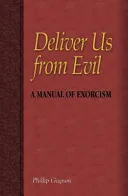
Deliver Us from Evil
 75
75

Deliver Us from Evil
Phillip Gagnon's "Deliver Us from Evil" offers a commendable effort to demystify the practice of exorcism, grounding it in pastoral theology rather than sensational folklore. The work's strength lies in its systematic approach, meticulously tracing scriptural precedent and early Church methodologies. Gagnon's inclusion of specific liturgical rites—two for renunciation, two for exorcism, and one for a dwelling—provides tangible resources. However, the text occasionally leans heavily on established theological frameworks without fully exploring the nuanced psychological and sociological dimensions that contemporary scholarship often considers alongside spiritual warfare. A notable section detailing the discernment process highlights the author's commitment to responsible pastoral practice, yet one wishes for more engagement with diverse cultural expressions of spiritual distress. Ultimately, "Deliver Us from Evil" serves as a competent, if somewhat conservative, manual for ecclesiastical leaders grappling with the realities of demonic claims.
📝 Description
75
Phillip Gagnon's 2008 book examines exorcism and demonic influence with a methodical approach.
Published in 2008, Phillip Gagnon's "Deliver Us from Evil" presents a structured analysis of exorcism and the phenomena linked to demonic influence. The book aims to provide clergy and pastoral caregivers with practical guidance and theological support. It moves past sensationalism for a sober, methodical perspective, using scriptural foundations and historical Church practices in spiritual warfare and deliverance.
This text is mainly for ordained ministers, chaplains, and those in pastoral care within Christian traditions who might encounter situations needing spiritual intervention against perceived malevolent spiritual forces. It is also a useful resource for theological students and scholars interested in the history and practice of exorcism, offering a balanced view on a subject often misunderstood within religious ministry. Gagnon situates his discussion within the historical development of Christian engagement with the demonic, referencing early Church practices and scriptural accounts. The book acknowledges the fluctuating interest and practice of exorcism across different historical eras, from early Christianity to its renewed pastoral consideration in the late 20th and early 21st centuries. This context helps readers grasp the evolution of rites and theological views.
Central to Gagnon's work are the concepts of discernment, pastoral care, and the use of sacramental rites. He stresses the importance of careful discernment to distinguish genuine spiritual distress from psychological or medical conditions. The text discusses the efficacy of prayer, sacraments like Baptism and the Eucharist, and specific liturgical actions such as rites of renunciation and exorcism, all understood within a theological framework of spiritual warfare.
While framed within mainstream Christian theology, Gagnon's work engages with a tradition of belief and practice concerning spiritual warfare and the active influence of malevolent entities. This falls within a broader esoteric understanding of spiritual realities, where unseen forces are considered to impact human affairs and require specific ritualistic and theological responses. The book's focus on discernment and ritualistic intervention connects it to historical and ongoing practices within various religious traditions that address perceived supernatural afflictions, bridging theological discourse with practical application in spiritual crisis.
💡 Why Read This Book?
• You will learn a structured, theological framework for approaching spiritual warfare and exorcism, moving beyond sensationalism, as detailed in the book's exploration of scriptural and early Church responses. • You will gain practical tools for pastoral care, including specific rites for renunciation and exorcism of persons and places, as outlined in the appendixes of "Deliver Us from Evil". • You will understand the critical importance of discernment in identifying spiritual distress, a concept Gagnon emphasizes as foundational to responsible ministry, as discussed in his chapters on pastoral discernment.
⭐ Reader Reviews
Honest opinions from readers who have explored this book.
❓ Frequently Asked Questions
What is the primary audience for Phillip Gagnon's "Deliver Us from Evil"?
The book is primarily designed for clergy, pastors, and pastoral caregivers within Christian traditions who may need to perform or understand exorcisms as part of their ministry.
Does "Deliver Us from Evil" include actual rites for exorcism?
Yes, the book contains practical liturgical resources, including two rites of renunciation, two rites of exorcism for individuals, and a rite for the exorcism and blessing of a dwelling.
What is the historical basis for the practices discussed in the book?
Gagnon grounds his work in scriptural accounts and the historical practices of the early Church concerning the demonic and spiritual warfare.
Is this book suitable for someone interested in the occult?
While the book discusses demonic phenomena, its approach is theological and pastoral, focusing on Christian ministry rather than occult practices or general demonology.
When was "Deliver Us from Evil" first published?
The book was first published in 2008, offering a contemporary theological perspective on ancient practices.
What role do the sacraments play in the context of exorcism according to Gagnon?
Gagnon explores the use of sacraments, such as Baptism and the Eucharist, as integral components of pastoral care and spiritual warfare within the context of exorcism.
🔮 Key Themes & Symbolism
Pastoral Discernment
Gagnon places significant emphasis on the pastor's role in discerning the nature of spiritual afflictions. This theme explores the critical need to differentiate between psychological, medical, and genuinely spiritual manifestations of evil. The work advocates for a methodical approach, ensuring that interventions are appropriate and effective, aligning with the theological understanding of spiritual warfare and the necessity of God's grace in overcoming demonic influence.
Scriptural Foundations
The book rigorously examines biblical texts concerning the demonic, Jesus' encounters with evil spirits, and the early Church's response. It seeks to establish a firm theological basis for the practice of exorcism, demonstrating its continuity within Christian tradition. This theme underscores the belief that spiritual warfare is a legitimate aspect of ministry, supported by divine revelation and Christ's own ministry.
Liturgical Rites
A practical dimension of the book involves the presentation of specific liturgical forms. This theme focuses on the efficacy of sacramental rites and prayers designed for renunciation of evil and exorcism of individuals and places. Gagnon provides templates for these rites, emphasizing their function as instruments of God's power and the Church's authority in combating malevolent spiritual forces.
The Demonic in Ministry
This theme addresses the reality of demonic opposition within the context of Christian pastoral care. Gagnon acknowledges that encounters with the demonic are not mere superstition but a serious concern for spiritual well-being. The work aims to equip ministers with the theological understanding and practical guidance needed to address such challenges effectively and responsibly.
💬 Memorable Quotes
Direct passages from the work, attributed to the author.
“The work explores the pastoral discernment and the use of the sacraments in relation to exorcism.”
— This highlights Gagnon's focus on the practical application of theological principles, emphasizing that exorcism is a pastoral act requiring careful judgment and reliance on divine sacraments.
“Pastor Gagnon explores the scriptural and early Church background and response to the demonic.”
— This indicates the book's scholarly foundation, grounding its discussion of exorcism in historical and biblical evidence rather than speculative interpretations.
“Included are two rites of renunciation, two rites of exorcism, and a rite for the exorcism and blessing of a dwelling.”
— This points to the tangible, actionable content within the book, offering readers specific liturgical tools for pastoral ministry concerning spiritual warfare.
“This book provides a balanced approach to exorcism and the demonic.”
— This suggests the author's intention to offer a sober, theological perspective, avoiding sensationalism while addressing a sensitive and often misunderstood topic.
“It is a helpful instrument of pastoral care for such times when a pastor encounters the need for performing an exorcism.”
— This emphasizes the book's practical utility for clergy, framing exorcism within the broader scope of spiritual and pastoral responsibilities.
🌙 Esoteric Significance
Tradition
While firmly rooted in Christian pastoral theology, "Deliver Us from Evil" touches upon themes common in esoteric traditions concerning spiritual warfare and the combating of malevolent forces. Its emphasis on unseen spiritual realities and the efficacy of ritualistic actions aligns with broader Hermetic and occult principles, though Gagnon strictly frames these within orthodox Christian doctrine. The book departs from purely Gnostic or Kabbalistic interpretations by centering its framework within the person and work of Jesus Christ and the authority of the Church.
Symbolism
The book implicitly engages with symbols of divine protection and authority, such as the Cross, holy water, and the invocation of saints, all potent symbols within Christian esoteric practices. These are not explored for their inherent mystical properties but as conduits of divine power against demonic influence. The act of exorcism itself symbolizes the reclamation of a soul or space from spiritual darkness back into divine light and order.
Modern Relevance
Contemporary practitioners of Christian deliverance ministry, charismatic renewal movements, and some traditionalist Catholic circles may find Gagnon's work a valuable reference. Thinkers exploring the intersection of psychology, theology, and spiritual warfare, particularly those seeking a structured, rites-based approach informed by historical precedent, can draw upon its methodical presentation and liturgical examples.
👥 Who Should Read This Book
• Clergy and pastoral leaders seeking a theological and practical guide to understanding and performing exorcisms within a Christian framework. • Students of comparative religion or theology interested in the historical and liturgical practices surrounding spiritual warfare and deliverance ministries. • Individuals involved in spiritual counseling or care who need to discern and address potential spiritual afflictions from a faith-based perspective.
📜 Historical Context
Published in 2008, Phillip Gagnon's "Deliver Us from Evil" emerged during a period of renewed interest in spiritual warfare and exorcism within certain Christian denominations. While the late 20th century saw a decline in formal exorcism practices in some Western contexts, the late 1990s and early 2000s witnessed a resurgence, partly fueled by popular culture and a desire among some clergy for more robust spiritual resources. Gagnon's work engages with this milieu by providing a conservative, scripturally-rooted manual. It stands in contrast to more psychologically-oriented approaches to spiritual distress that were gaining traction in other theological circles. The book's meticulous referencing of early Church Fathers and conciliar decrees places it within a long-standing tradition, seeking to legitimize and standardize the practice of exorcism against a backdrop where it was often viewed with suspicion or relegated to fringe groups.
📔 Journal Prompts
The scriptural background of the demonic as presented by Gagnon.
The pastoral discernment process for identifying spiritual distress.
The symbolic meaning of the rites of renunciation and exorcism.
The role of sacraments in combating evil.
The historical continuity of exorcism practices.
🗂️ Glossary
Exorcism
A religious or para-religious ritual performed to compel the departure of an unwelcome spiritual entity or possession from a person, place, or object.
Demonic
Relating to or proceeding from a demon or demons; evil or devilish in nature.
Pastoral Care
The spiritual and emotional support provided by clergy or religious leaders to individuals or communities within their charge.
Discernment
The ability to judge well; the process of distinguishing between spiritual phenomena, often involving careful evaluation of perceived influences.
Rite of Renunciation
A formal liturgical act where an individual publicly rejects evil, Satan, and their works, often preceding an exorcism or as part of a spiritual renewal.
Sacraments
In Christian theology, outward and visible signs of inward and spiritual grace, instituted by Christ, such as Baptism and the Eucharist.
Spiritual Warfare
The concept of fighting against and overcoming spiritual forces of evil through faith, prayer, and divine authority.