Dark Symphony
 82
82

Dark Symphony
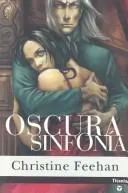
Christine Feehan’s *Dark Symphony* presents a familiar gothic romance premise with a distinctively dark, almost primal, undercurrent. The strength lies in Feehan’s consistent ability to craft characters who are both terrifying and strangely compelling, particularly the predatory male leads wrestling with their own natures. The 2003 publication date places it squarely in a burgeoning paranormal romance wave, and it delivers on the genre's core promises of intense connection and supernatural danger. However, the narrative's reliance on established archetypes, while comforting to genre fans, can sometimes feel predictable. A particularly effective moment is the exploration of the protagonist's unwilling fascination with the dark entity, a dynamic Feehan handles with a visceral intensity. While the plot treads well-worn paths of obsession and forbidden desire, its execution of these elements is what gives the book its edge. Ultimately, *Dark Symphony* is a potent, if not entirely novel, entry into the dark paranormal romance canon.
📝 Description
82
Christine Feehan's 2003 novel *Dark Symphony* examines the relationship between powerful, predatory beings and their human partners.
Published in 2003, *Dark Symphony* centers on supernatural entities, often with vampiric or demonic characteristics, who develop intense, sometimes unwanted, connections with human protagonists. These beings possess immense power and a predatory nature, creating a dynamic where control, desire, and the protective instincts of the supernatural figure become central. The narrative frequently unfolds within gothic settings, amplifying the atmosphere of mystery and danger.
The story delves into the internal struggles of these non-human characters as they confront their primal urges and the burgeoning affections they feel for their human counterparts. Themes of destined bonds, presented in a possessive and dark light, are crucial to the plot. Feehan's work explores the psychological complexities inherent in relationships where power imbalances and forbidden love are significant elements, all set against isolated, often ancient, backdrops that reflect the characters' internal states.
Within the tradition of gothic romance and paranormal fiction that gained prominence in the early 2000s, *Dark Symphony* fits into a subgenre exploring the dark allure of supernatural beings. It builds on tropes found in vampire lore and demonology, framing them within a romantic narrative. The book engages with concepts of inherent lineage and predestination, but filters them through a lens of intense, often involuntary, supernatural attraction and the psychological impact of such relationships.
💡 Why Read This Book?
• You will explore the complex psychology of predatory beings who develop deep attachments, a concept central to the narrative's 2003 publication context. • You will feel the visceral tension of a dark, gothic romance where power dynamics are explored through the lens of supernatural control and possessiveness. • You will gain insight into the specific lore of Feehan's "shadow" or "vampiric" lineage, understanding how these beings grapple with their primal instincts versus developing affections.
⭐ Reader Reviews
Honest opinions from readers who have explored this book.
❓ Frequently Asked Questions
What is the primary supernatural element in Christine Feehan's Dark Symphony?
The primary supernatural element involves characters who are essentially dark, predatory beings, often with vampiric or shadow-like characteristics, who form intense, possessive bonds with humans. This is a hallmark of the paranormal romance genre established around its 2003 release.
What themes does Dark Symphony explore besides romance?
Beyond romance, the book delves into themes of control, instinct versus emotion, the nature of good and evil within supernatural beings, and the psychological impact of intense, often dangerous, relationships.
When was Dark Symphony first published and what was the literary climate?
Dark Symphony was first published in 2003. This period saw a significant rise in the popularity of paranormal romance, with authors like Laurell K. Hamilton and J.R. Ward also achieving success in the genre.
Does Dark Symphony feature a traditional vampire lore?
While it shares elements with traditional vampire lore, such as immortality and a predatory nature, *Dark Symphony* often introduces unique variations on these themes, focusing more on a 'shadow' or 'dark' lineage with distinct characteristics.
What kind of protagonists does Dark Symphony typically feature?
The protagonists often include powerful, ancient, and dangerous supernatural beings, usually male, who are drawn to and often claim human women. The human characters are typically portrayed as resilient and capable of impacting these formidable entities.
What makes the 'bonds' in Dark Symphony unique?
The 'bonds' in *Dark Symphony* are depicted as intensely possessive and often involuntary, forming a deep, psychic connection between the supernatural entity and their human counterpart, blurring lines between love, control, and destiny.
🔮 Key Themes & Symbolism
Predator-Prey Dynamics
The novel critically examines the complex relationship between predatory supernatural beings and their human counterparts. This isn't a simple chase, but a nuanced exploration of control, fascination, and the potential for genuine connection to emerge from such unequal power structures. The entities, often ancient and possessing immense strength, find themselves drawn to humans in ways that challenge their innate predatory instincts, leading to internal conflict and the blurring of traditional roles. This theme is a core element of the gothic romance subgenre that gained traction around the book's 2003 publication.
Shadow Lineages
Feehan's work frequently introduces unique supernatural bloodlines or "shadow lineages." These are not mere vampires but distinct species or entities with their own histories, hierarchies, and inherent natures, often tied to darkness or ancient magic. *Dark Symphony* explores the burdens and inherent power associated with these lineages. Characters grapple with their heritage, the expectations placed upon them by their kind, and the potential for their dark nature to be tempered or transformed by external influences, particularly love or deep emotional connection.
Destined Bonds
A central concept is the idea of an unbreakable, often predestined, bond that forms between certain supernatural beings and humans. This connection is depicted as intensely possessive and all-consuming, overriding free will and creating a profound, sometimes dangerous, link. The narrative explores the ramifications of these bonds, including the possessiveness, jealousy, and fierce protectiveness they engender. For the supernatural entity, it can represent a form of ultimate conquest or an unexpected anchor to humanity, while for the human, it can be a source of terror or an unexpected salvation.
Internal Conflict
The characters, particularly the supernatural males, are often defined by their internal struggles. They are beings of immense power and dark impulses, yet they find themselves battling against their own nature when confronted with love or a deep emotional connection. This conflict between instinct and emerging affection, between their inherent predatory urges and a desire for something more, forms the emotional core of the story. The narrative uses these internal battles to explore themes of redemption, the possibility of change within seemingly immutable beings, and the transformative power of genuine emotion.
💬 Memorable Quotes
Direct passages from the work, attributed to the author.
“She was his anchor, the light that pulled him back from the abyss.”
— This interpretation suggests a human protagonist's lasting impact on a dark, powerful entity. It implies a transformative connection, where the human serves as a moral or emotional compass, preventing the supernatural being from succumbing to darkness.
“The bond was absolute, a claim etched not in ink but in soul.”
— This conveys the intense, inescapable nature of the connections formed in the book. It emphasizes that these relationships are predestined and deeply spiritual or psychic, transcending mere physical attraction or choice.
“He existed to hunt, to claim, to possess.”
— This statement directly addresses the core predatory instinct of the male characters, establishing their primary modus operandi and the inherent danger they represent to others, especially their intended partners.
“Her fear was a scent that ignited his primal need, yet her presence calmed the storm within.”
— This illustrates the dual nature of the protagonist's effect on the supernatural entity. Her fear triggers his predatory instincts, while her mere presence offers a paradoxical sense of peace, showcasing the complex and contradictory emotions at play.
💡 Key Ideas
Editorial paraphrase of the work's core concepts — not direct quotes.
The darkness within him was a tangible thing, a hunger that had defined his existence.
This line captures the essence of the predatory supernatural characters, highlighting their inherent nature as a driving force that shapes their lives and interactions, setting the stage for internal conflict.
🌙 Esoteric Significance
Tradition
While not strictly adhering to a single esoteric tradition, *Dark Symphony* draws heavily from gothic literature and dark fantasy archetypes that echo elements found in certain interpretations of demonology and shadow traditions. It explores themes of ancient lineages and inherent dark power, reminiscent of Gnostic ideas about primal forces or certain occult concepts of elemental beings. The narrative does not follow established magical systems but rather creates its own mythos around powerful, ancient entities whose existence is tied to primal energies and a predatory nature, a departure from structured traditions like Hermeticism or Kabbalah.
Symbolism
The "shadow" or "darkness" itself functions as a primary symbol, representing not just evil but also primal power, ancient knowledge, and untamed instinct. The "bond" is another potent symbol, signifying an unbreakable, soul-deep connection that transcends mortal understanding, often acting as a symbol of destiny or predestination within the narrative's unique mythology. Finally, the isolated, often ancient settings—castles, hidden estates—symbolize the characters' hidden natures, their separation from the mundane world, and the weight of their long, often dark, histories.
Modern Relevance
Contemporary dark romance authors and urban fantasy writers continue to draw inspiration from the archetypes and thematic explorations present in *Dark Symphony*. The emphasis on powerful, morally ambiguous supernatural beings and their intense, often possessive, romantic entanglements remains a popular vein in fiction. Readers interested in exploring the psychology of power dynamics within relationships, particularly those with a supernatural twist, find resonance in Feehan's approach. The novel’s exploration of ancient beings grappling with modern emotional complexities speaks to ongoing cultural interests in mythology, the occult, and the darker aspects of human (and non-human) desire.
👥 Who Should Read This Book
• Readers of dark paranormal romance who enjoy intense, possessive relationships and supernatural beings with predatory instincts. • Fans of gothic literature seeking modern interpretations of classic themes like ancient curses, hidden lineages, and forbidden love. • Enthusiasts of Christine Feehan’s broader work who appreciate her consistent development of powerful male leads and intricate supernatural world-building.
📜 Historical Context
Published in 2003, *Dark Symphony* emerged during a fertile period for paranormal romance, a genre that was rapidly gaining mainstream appeal. Authors like Laurell K. Hamilton, with her Anita Blake series, and J.R. Ward, with her Black Dagger Brotherhood, were already carving out significant readership by blending supernatural creatures with romantic and erotic themes. Feehan’s contribution fit squarely within this burgeoning trend, offering a darker, more gothic interpretation of vampire and demon-like romance. The literary climate was ripe for such narratives, fueled by popular media like the *Buffy the Vampire Slayer* television series and the growing interest in mythology and the occult. While not explicitly engaging with academic discourse, the genre's popularity reflected a broader cultural fascination with the forbidden and the supernatural, a counterpoint to the more rationalistic outlook of earlier decades. Feehan’s work, along with contemporaries, helped solidify the conventions of the modern paranormal romance, influencing subsequent waves of authors.
📔 Journal Prompts
The nature of the "shadow lineage" and its inherent conflict.
The symbolic meaning of the "bond" between supernatural entities and humans.
Reflect on the psychological impact of absolute possession versus genuine affection.
The role of ancient, gothic settings in mirroring internal darkness.
Consider the balance between primal instinct and developing emotional connection.
🗂️ Glossary
Shadow Lineage
Refers to a specific type of supernatural being in Feehan's universe, characterized by ancient, often dark, predatory nature and immense power, distinct from traditional vampires.
The Bond
An intense, often predestined, psychic and soul-deep connection formed between a supernatural entity and a human, signifying absolute claim and possessiveness.
Primal Instinct
The inherent, natural urges and behaviors of a supernatural being, typically focused on hunting, claiming, and dominance, often in conflict with developing emotions.
Gothic Setting
The use of atmospheric, often ancient and isolated, locations (like castles or old estates) to enhance the mood of mystery, darkness, and psychological tension in the narrative.
Predatory Nature
The inherent characteristic of supernatural beings in the book to hunt, dominate, and possess, often driven by ancient instincts and a need for control.
Soul Claim
A concept related to 'The Bond,' where a supernatural entity asserts an absolute, spiritual ownership over a human, marking them as their own.
Internal Conflict
The struggle within a character, particularly the supernatural protagonists, between their innate dark impulses and the emerging capacity for love or deeper emotional connection.
🔮 Readers Also Liked
Browse all →








More by Christine Feehan
All books →





More Free Occult Philosophy Books
View all →