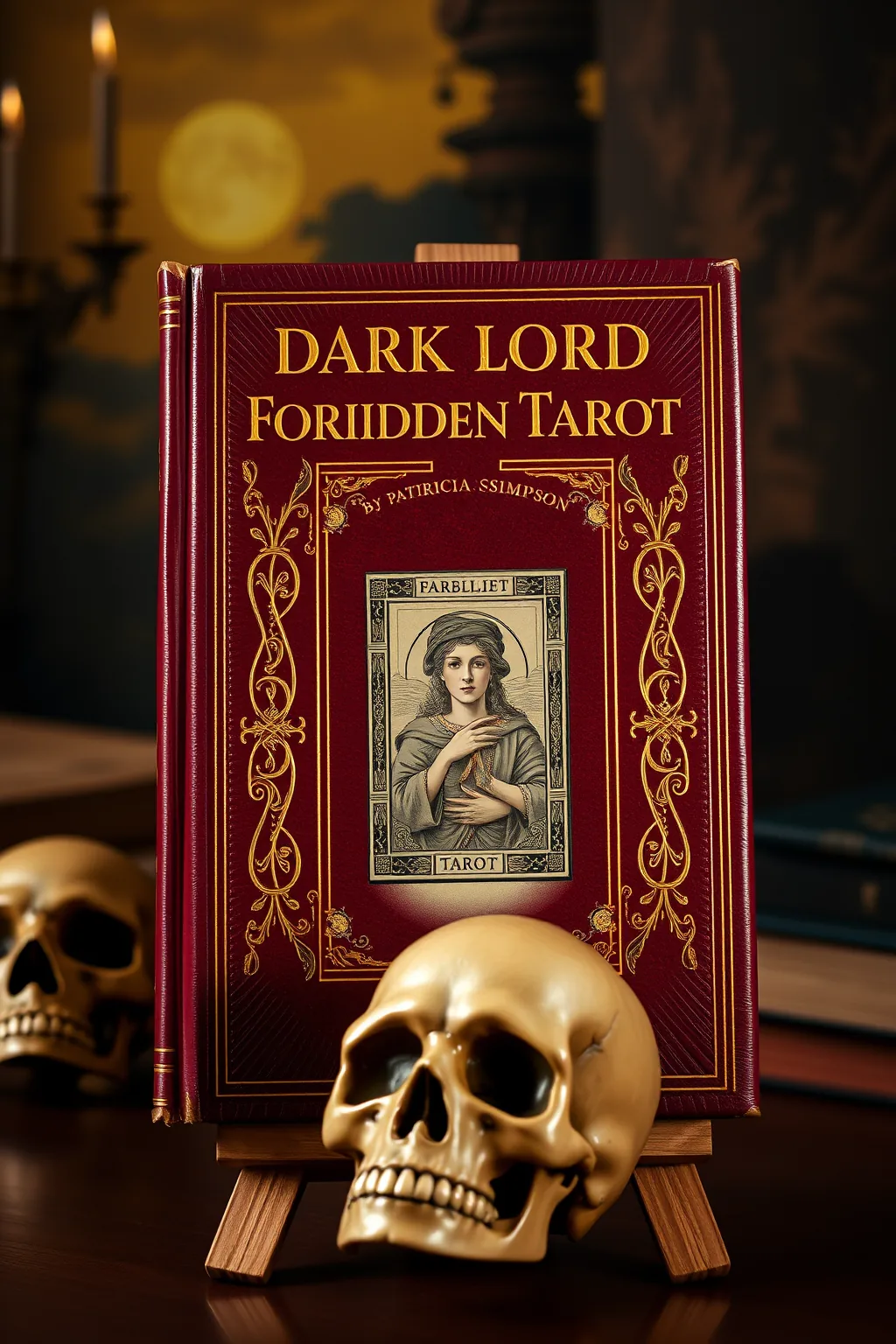
Dark Lord (Forbidden Tarot)
 75
75

Dark Lord (Forbidden Tarot)
Patricia Simpson's "Dark Lord (Forbidden Tarot)" offers a bracing counterpoint to the often saccharine interpretations found in much modern tarot literature. Published in 2004, the book courageously tackles the shadow aspects of the Major Arcana, particularly the archetype often labelled as the "Dark Lord." Simpson's strength lies in her unflinching analysis of this archetype not as an external evil, but as a potent, often feared, internal force of power and primal will. The discussion surrounding the necessity of confronting these suppressed energies for true spiritual growth is particularly compelling. However, the text can occasionally feel dense, demanding a significant prior knowledge of Jungian psychology and occult symbolism, which might alienate readers new to these concepts. A passage that unpacks the symbolism of the Tower card as a necessary, albeit destructive, dismantling of false structures is a prime example of the book's insightful, if challenging, approach. Overall, "Dark Lord" is a valuable, albeit demanding, contribution for those seeking a more rigorous and psychologically astute understanding of the tarot's deeper currents.
📝 Description
75
Patricia Simpson's 2004 book, "Dark Lord (Forbidden Tarot)", reinterprets the Major Arcana as potent psychic forces.
Published in 2004, "Dark Lord (Forbidden Tarot)" by Patricia Simpson offers an unconventional look at the Major Arcana. Simpson moves past standard divinatory meanings to consider the archetypal figures as powerful forces within the psyche and the occult world. She frames the "Dark Lord" archetype as a necessary shadow aspect, crucial for grasping personal power and societal control. The book prompts readers to confront the less comfortable, yet fundamental, energies that shape human experience and spiritual growth.
This work is for dedicated students of esoteric traditions and comparative mythology prepared to engage with difficult psychological and philosophical ideas. It appeals to those finding conventional tarot readings too simple and desiring a more critical analysis of the cards' symbolic weight. Readers interested in the intersection of Jungian psychology, shadow work, and Western occultism will find ample material. It requires a willingness to question established beliefs and examine the darker currents of spiritual inquiry.
Simpson's "Dark Lord" appeared in the early 2000s, a period of renewed interest in esoteric studies and the psychological dimensions of occult practices. The book contributes to a scholarly conversation that sought to merge mystical traditions with modern psychological theories, especially those of Carl Jung. Unlike many contemporary works focusing on positive spirituality, Simpson's text deliberately engages with the challenging aspects of archetypal imagery. It aligns with a critical trend in occult scholarship that began to question more benign interpretations of figures like the Devil or Death cards.
💡 Why Read This Book?
• Gain a nuanced understanding of the "Dark Lord" archetype, moving beyond simplistic interpretations of evil to recognize its role in personal power and will, as explored in Simpson's 2004 text. • Explore the concept of "forbidden" knowledge within esoteric traditions, learning how suppressed energies can be reclaimed for profound self-awareness and liberation, a core theme discussed in the book. • Develop a critical lens for examining challenging tarot imagery, such as the Devil or Tower cards, by understanding their symbolic function in dismantling false structures, as detailed in Simpson's analytical framework.
⭐ Reader Reviews
Honest opinions from readers who have explored this book.
❓ Frequently Asked Questions
What is the primary focus of Patricia Simpson's "Dark Lord (Forbidden Tarot)"?
The book, first published in 2004, focuses on re-interpreting the Major Arcana of the tarot, particularly the "Dark Lord" archetype, not as an external malevolent force but as a crucial internal representation of power, will, and shadow aspects necessary for spiritual development.
Who is the intended audience for this book?
It is aimed at serious students of esoteric traditions, comparative mythology, and Jungian psychology who seek a deeper, more critical analysis of archetypal symbolism beyond conventional divinatory meanings.
Does "Dark Lord (Forbidden Tarot)" offer traditional tarot readings?
No, the book moves away from standard divinatory interpretations. Instead, it delves into the psychological and philosophical weight of the archetypes, positioning them as potent forces shaping internal and external realities.
What is the significance of the "forbidden" aspect mentioned in the title?
The title refers to the idea that certain energies or archetypes, often suppressed or demonized within spiritual discourse, hold vital keys to self-knowledge and liberation when confronted and understood, rather than avoided.
When was "Dark Lord (Forbidden Tarot)" originally published?
The book was first published in 2004, placing it within a period of renewed interest in the psychological and esoteric dimensions of Western traditions.
What psychological theories does the book draw upon?
The work significantly engages with Carl Jung's concepts, particularly the exploration of the shadow, archetypes, and the process of individuation, applying them to the symbolic language of the tarot.
🔮 Key Themes & Symbolism
The Shadow Archetype Reclaimed
Simpson's "Dark Lord" reframes the archetype of the antagonist not as an external enemy, but as an intrinsic component of the psyche's power structure. This theme challenges the reader to integrate suppressed aspects of the self, drawing parallels with Jungian shadow work. The book argues that avoiding these potent, "dark" energies leads to stagnation, while their conscious engagement is crucial for psychological wholeness and the assertion of personal will. It posits that true spiritual authority arises from understanding and mastering these internal forces, rather than from their denial or projection onto external figures.
Forbidden Knowledge and Spiritual Power
The "Forbidden Tarot" aspect highlights themes of suppressed knowledge and the societal or religious mechanisms that enforce such suppression. Simpson suggests that what is deemed heretical or dangerous often contains potent truths about the nature of power, consciousness, and existence. By exploring these "forbidden" territories within the Major Arcana, the book aims to unlock a deeper, more authentic form of spiritual understanding and personal empowerment that bypasses conventional dogma. It encourages a critical examination of established doctrines and the courage to seek truth in unconventional sources.
Archetypal Dynamics of Control and Authority
This theme studies how archetypes, particularly the "Dark Lord," represent fundamental dynamics of control, authority, and societal structuring. The book analyzes cards often associated with restriction or dominance, not just as negative influences, but as representations of necessary forces that shape order and hierarchy. Simpson explores the interplay between these archetypes and individual agency, suggesting that understanding these forces allows for a more conscious navigation of personal power and influence, moving away from victimhood towards empowered self-mastery.
The Tarot as Psychological Cartography
Simpson treats the tarot not merely as a divination tool but as a complex map of the human psyche and its spiritual journey. The "Dark Lord (Forbidden Tarot)" serves as a guide to the less-charted territories of this map, focusing on the challenging passages and powerful figures that often get overlooked or pathologized. This perspective aligns the tarot with psychotherapeutic tools, offering a framework for self-exploration and understanding the deep-seated patterns that influence human behavior and spiritual development, as presented in her 2004 publication.
💬 Memorable Quotes
Direct passages from the work, attributed to the author.
“The "Dark Lord" is not a demon to be exorcised, but a power to be understood and integrated.”
— This statement expresses the book's central thesis: challenging the traditional demonization of certain archetypes. It suggests that these powerful, often feared, forces are intrinsic aspects of human psychology and spiritual potential, requiring conscious engagement for growth rather than outright rejection.
“The Tower card does not merely signify destruction; it represents the necessary demolition of false structures.”
— This interpretation focuses on a specific card's re-evaluation. It moves beyond the common fear of the Tower's upheaval to highlight its constructive function in dismantling limiting beliefs or societal constructs that prevent genuine spiritual progress.
“The tarot's potent figures are not passive symbols but active forces within the psyche.”
— This statement emphasizes the dynamic nature of the tarot's archetypes. It encourages readers to view the cards not just as static images but as representations of powerful, living energies that influence our internal landscape and external experiences.
💡 Key Ideas
Editorial paraphrase of the work's core concepts — not direct quotes.
What is forbidden often holds the key to what is most liberating.
This paraphrased concept highlights the theme of suppressed knowledge. It posits that societal taboos and spiritual censorship often obscure vital truths. The book encourages readers to explore these 'forbidden' areas within the tarot's symbolism to uncover deeper self-awareness and freedom.
Understanding the archetype of the sovereign shadow is essential for true personal authority.
This paraphrased concept links the 'Dark Lord' archetype to the development of personal power. It suggests that acknowledging and integrating the 'shadow' aspects, often associated with dominance and primal will, is a prerequisite for establishing genuine self-mastery and authority.
🌙 Esoteric Significance
Tradition
This work significantly engages with the Western Esoteric Tradition, particularly drawing upon Jungian psychology and archetypal symbolism. While not strictly adhering to a single lineage like Hermeticism or Kabbalah, it uses the tarot as a vehicle to explore universal psychological and spiritual dynamics that echo Gnostic concerns with shadow and liberation. Simpson departs from more traditional divinatory or ceremonial approaches by focusing intently on the psychological integration of potent, often feared, archetypes as a primary path to spiritual maturation.
Symbolism
Key symbols explored include the "Dark Lord" archetype itself, representing primal power, will, and the shadow self that must be integrated rather than feared. The "Forbidden" aspect points to the symbolic significance of suppressed knowledge and taboo subjects within spiritual traditions. The book also likely re-examines cards like The Devil, Death, and The Tower, not as purely negative portents, but as symbolic representations of necessary psychic breakdowns, societal transformations, and the potent, untamed forces that govern existence.
Modern Relevance
Contemporary practitioners of depth psychology, shadow work, and critical occult studies find value in Simpson's work. Thinkers exploring the integration of Jungian concepts with esoteric symbolism continue to reference her approach to challenging archetypes. Her re-evaluation of traditionally 'negative' cards speaks to modern therapeutic practices that emphasize confronting and integrating difficult psychological material for personal growth and empowerment.
👥 Who Should Read This Book
• Students of Jungian psychology seeking to apply archetypal theory to symbolic systems like the tarot. • Advanced tarot practitioners looking for a deeper, more philosophical and critical interpretation beyond standard divinatory meanings. • Esoteric scholars interested in the intersection of mythology, psychology, and Western occult traditions, particularly those exploring shadow dynamics.
📜 Historical Context
Published in 2004, Patricia Simpson's "Dark Lord (Forbidden Tarot)" emerged during a period of significant engagement with Jungian psychology and esoteric studies. The early 21st century saw a growing academic and popular interest in integrating depth psychology with ancient mystical traditions, moving beyond the more purely spiritual or New Age interpretations prevalent in the late 20th century. While authors like Sallie Nichols had previously explored the tarot through a Jungian lens, Simpson's work distinguished itself by deliberately focusing on the more challenging, often demonized, archetypes. This contrasted with the prevailing trend towards self-help and positive manifestation literature. The book contributed to a more critical, psycho-philosophical discourse within occultism, engaging with themes of power, shadow, and forbidden knowledge that were less frequently addressed by contemporaries like Lon Milo DuQuette, who explored ceremonial magic with a different emphasis. Simpson's work implicitly challenged more benign interpretations of the tarot, offering a robust, albeit dense, analysis that resonated with readers seeking a deeper, less sanitized understanding of the spiritual path.
📔 Journal Prompts
The concept of the "Dark Lord" as an internal power source.
Reflecting on "forbidden" knowledge in one's own spiritual path.
The necessity of dismantling false structures, as symbolized by The Tower.
Identifying and integrating personal shadow aspects explored in Chapter X.
The role of archetypal authority in personal sovereignty.
🗂️ Glossary
Archetype
In Jungian psychology, a universal, archaic pattern and image that derives from the collective unconscious and is the psychic counterpart of an inherited structure.
Shadow Work
A psychological practice involving the exploration and integration of the unconscious, repressed, or denied aspects of the personality, often referred to as the 'shadow self'.
The Dark Lord
In Simpson's context, this refers not to an external evil entity but to a potent internal archetype embodying primal will, power, and potentially, the shadow self.
Forbidden Knowledge
Information or concepts deemed dangerous, heretical, or socially unacceptable by established authorities, but which may hold keys to deeper understanding or liberation.
Sovereign Shadow
A concept suggesting that understanding and integrating one's shadow aspects leads to true personal authority and self-mastery.
Psychological Cartography
The use of symbolic systems, like the tarot, as a map to understand the complex terrain of the human psyche and its spiritual development.
Individuation
The psychological process of integrating the conscious and unconscious aspects of the personality to become a more complete, whole individual.
🔮 Readers Also Liked
Browse all →
More by Patricia Simpson
All books →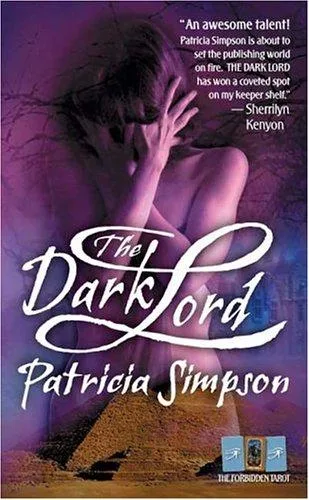
More Free Divination & Tarot Books
View all →