✍️ Author Biography
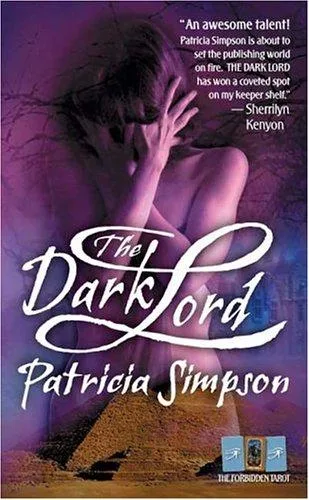
Patricia Simpson
🌍 American
📚 3 free books
⭐ Known for: The Tracey Ullman Show (1987-1989)
Homer Simpson is the iconic, flawed patriarch of the animated family, known for his comedic struggles and cultural impact.
Homer Jay Simpson, the central figure of the animated series The Simpsons, first appeared in shorts in 1987 before the show premiered in 1989. He is depicted as the husband to Marge and father to Bart, Lisa, and Maggie. Homer embodies various working-class American stereotypes, characterized by his immaturity, laziness, and fondness for food and drink. Despite these flaws, he possesses a kind heart and is fiercely protective of his family.
The character was conceived by Matt Groening, who named him after his father and drew inspiration from various sources, including ancient poets and literary characters. Homer's design, initially simple, evolved over time, with his creator incorporating personal initials into his features. His voice actor, Dan Castellaneta, developed a distinct vocal performance that has been praised and awarded. Homer's catchphrase, "D'oh!", has become widely recognized and documented in dictionaries.
Homer's role in the series often involves his negligent job as a safety inspector at the Springfield Nuclear Power Plant, a setting chosen for comedic potential. The show's flexible timeline has led to inconsistencies in Homer's age and backstory, with creators suggesting that multiple versions of events exist within the show's fictional universe. Homer has transcended the show to become a significant cultural icon, featured in various media and merchandise.
Character Conception and Naming
Matt Groening developed Homer Simpson in 1987 while awaiting a meeting, initially intending to adapt his comic strip 'Life in Hell' for The Tracey Ullman Show. Opting to create new characters instead, Groening named Homer after his father, who was himself named after an ancient Greek poet. Groening also drew inspiration from a character in Nathanael West's novel 'The Day of the Locust' and its film adaptation. The middle initial 'J' for 'Jay' was a nod to characters from 'The Rocky and Bullwinkle Show'. Groening's father was athletic and creative, with the only shared trait with Homer being a love for donuts. An episode of the PBS documentary series 'Middletown' featuring a Shakey's Pizza manager employing his children also contributed to the character's origin.
Visual Design and Evolution
Homer's design, along with the rest of the Simpson family, was intended to be easily recognizable even in silhouette. Groening's initial rough sketches were traced by animators, leading to a crude but effective visual style. Early design elements included the hairline resembling an 'M' and the right ear a 'G', though the ear was later adjusted for a more natural look while retaining the 'G' in Groening's personal sketches. His typical attire consists of a white shirt, blue pants, and gray shoes, complementing his overweight and balding physique. His head shape has been described as resembling a coffee can topped with a salad bowl. Mouth movements and hair styles were experimented with in early episodes, with the final design settling on a consistently pointed hair style and the removal of perceived eyebrows.
Role and Inconsistencies within The Simpsons
Homer serves as the patriarch of the Simpson family, working as a safety inspector at the Springfield Nuclear Power Plant, a position he is often unqualified for and neglects. The nuclear plant setting was chosen by creator Matt Groening to facilitate comedic scenarios. Over the course of the series, Homer has held numerous jobs, with his transitions between employment often being impulsive and not always logically connected to his primary role. The show employs a 'floating timeline,' meaning characters do not age significantly, and the setting is always contemporary. However, specific episodes have attempted to place events in Homer's life within particular historical periods, leading to chronological inconsistencies that creators have acknowledged as part of the show's 'imaginary world'.
Cultural Impact and Recognition
Homer Simpson is widely regarded as one of television's most iconic and influential characters, achieving status as an American cultural icon. He has been consistently ranked among the greatest TV characters by publications like Entertainment Weekly and The Sunday Times. His signature catchphrase, the annoyed grunt 'D'oh!', has gained linguistic recognition and is included in major English dictionaries. Homer's character has been honored with a star on the Hollywood Walk of Fame. Beyond the television series, he has been featured in various media, including films, video games, theme park attractions, commercials, and comic books, generating a vast amount of merchandise and solidifying his widespread appeal.
Key Ideas
- Embodiment of working-class American stereotypes
- Flawed but fundamentally kind-hearted patriarch
- Iconic catchphrase 'D'oh!'
- Cultural impact and influence in television history
- Challenges of maintaining continuity in a long-running animated series