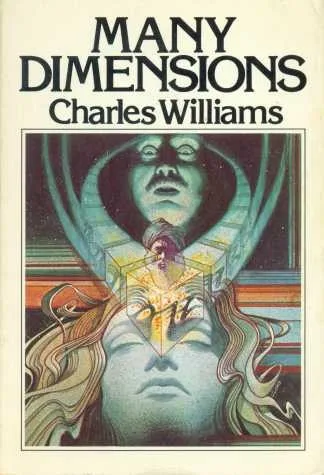
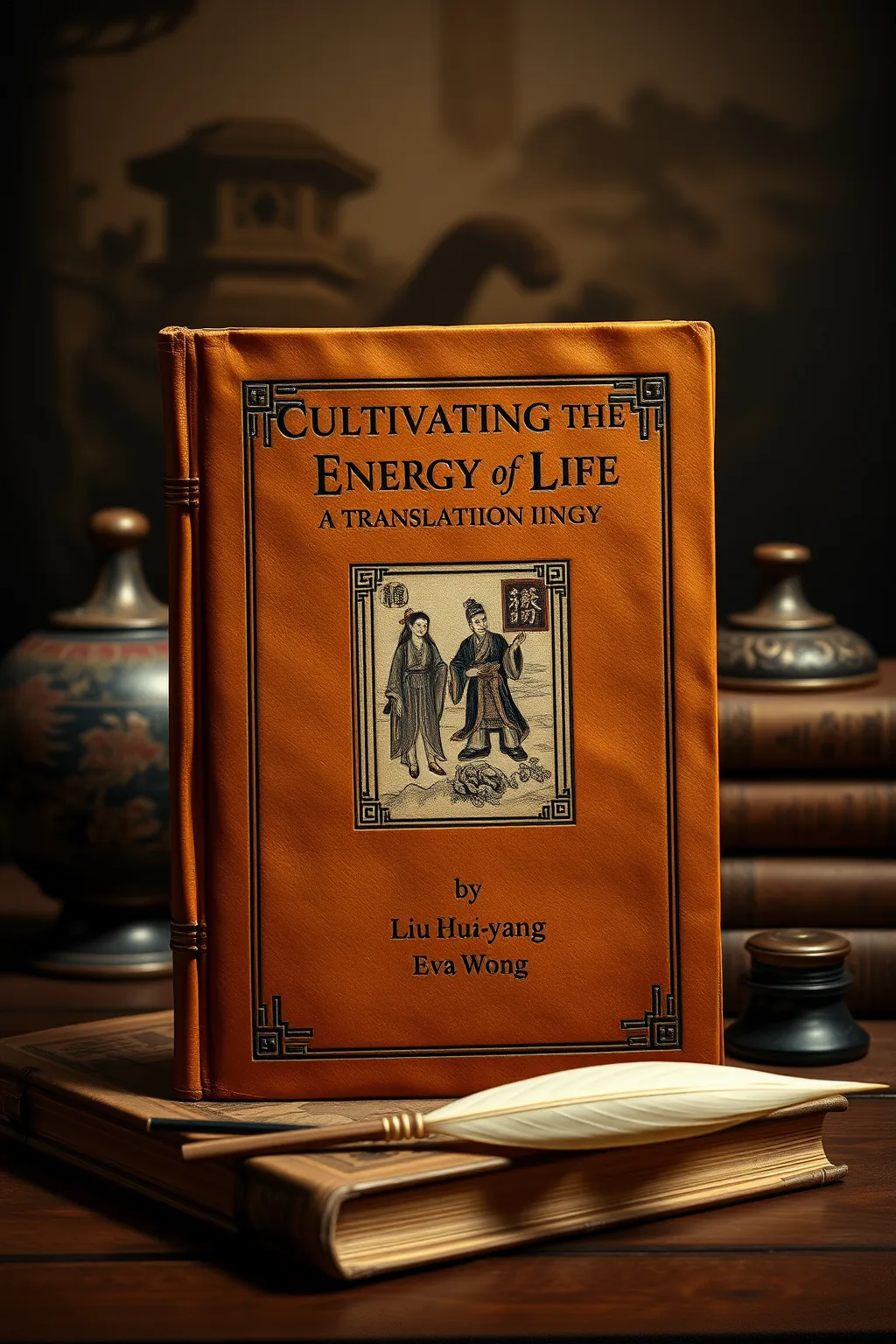
Cultivating the Energy of Life: A Translation of the Hui-Ming Ching and Its Commentaries
 79
79

Cultivating the Energy of Life: A Translation of the Hui-Ming Ching and Its Commentaries



Cultivating the Energy of Life is a masterful translation that brings the ancient wisdom of the Hui-Ming Ching to modern esoteric seekers. Eva Wong's meticulous work ensures that the essence of Liu Hua-Yang's teachings is preserved, making this book an indispensable guide for those on a spiritual journey. The detailed commentary and clear instructions on energy cultivation through meditation and Qigong techniques make it accessible to both novices and experienced practitioners. The book's exploration of spiritual development landmarks is particularly valuable, offering a roadmap for those seeking spiritual transformation. For anyone interested in the esoteric and occult, this text is a beacon of light, guiding readers through the complexities of Taoist philosophy with clarity and depth.
📝 Description
79
Liu Hua-Yang's 1986 translation of the Hui-Ming Ching reveals Taoist methods for cultivating vital energy.
This book presents Liu Hua-Yang's translation of the Hui-Ming Ching, a significant Taoist text, along with its commentaries. It details methods for cultivating internal energy, a practice central to Taoist spiritual development. The text addresses meditation techniques and the subsequent spiritual changes that arise from this focused practice.
The Hui-Ming Ching acts as a guide for individuals seeking deeper understanding and spiritual awakening. It uses symbolic language and philosophical insights to direct readers through the subtle aspects of the human spirit. The book outlines the signs of spiritual progress and the significant personal change possible for those who commit to this path.
It is aimed at those interested in esoteric studies, Qigong practitioners, and spiritual aspirants. The work serves as a source of knowledge within the field of esoteric literature.
The Hui-Ming Ching belongs to the Neidan, or internal alchemy, tradition within Taoism. This lineage focuses on transforming the body's vital energies—Jing, Qi, and Shen—into spiritual awareness and longevity. Unlike external alchemy, Neidan uses meditative and energetic practices rather than chemical substances. Liu Hua-Yang's work makes these internal practices accessible to a wider audience, connecting them to the broader pursuit of spiritual enlightenment found in many esoteric traditions.
💡 Why Read This Book?
In today's fast-paced world, Cultivating the Energy of Life offers a sanctuary of tranquility and spiritual growth. By reading this book, you will gain a deeper understanding of Taoist meditation techniques, learn how to cultivate and circulate internal energy, and embark on a journey of spiritual transformation. This text is invaluable for those seeking to integrate ancient wisdom into modern life, providing practical tools for personal development and inner peace.
⭐ Reader Reviews
Honest opinions from readers who have explored this book.
❓ Frequently Asked Questions
What is the Hui-Ming Ching?
The Hui-Ming Ching is a classic Taoist manual that focuses on the circulation of internal energy through meditation and Qigong practices. It is renowned for its detailed descriptions of spiritual development landmarks.
Who should read this book?
This book is ideal for anyone interested in Taoist philosophy, spiritual development, and the practice of Qigong. It is suitable for both beginners and experienced practitioners.
What makes this translation unique?
Eva Wong's translation is unique because it preserves the original teachings of Liu Hua-Yang while making the text accessible to modern readers. It includes detailed commentaries that enhance understanding and practical application.
🔮 Key Themes & Symbolism
Inner Energy Cultivation
The book studies the ancient Taoist practice of cultivating inner energy, or 'qi,' through meditation and controlled breathing. This theme is central to many Qigong techniques and offers a pathway to spiritual transformation.
Spiritual Transformation
One of the key themes is the documentation of spiritual transformation, from the initial stages of meditation to the culmination of enlightenment. The book provides a detailed roadmap for seekers on this mystical journey.
Symbolism and Hidden Knowledge
The Hui-Ming Ching is rich in symbolism and hidden knowledge, offering insights into the subtle landscapes of the human spirit and the profound changes that occur during spiritual development.
💡 Key Ideas
Editorial paraphrase of the work's core concepts — not direct quotes.
The journey of a thousand miles begins with a single step.
This quote underscores the importance of starting the spiritual journey with small, consistent steps towards enlightenment.
Inner peace is the foundation of outer harmony.
This line emphasizes the Taoist belief that cultivating inner tranquility leads to a harmonious existence.
The true self is hidden beneath layers of conditioning.
This quote suggests that spiritual development involves uncovering the authentic self hidden by societal and personal conditioning.
Meditation is the key to unlocking the mysteries of the universe.
This passage highlights the transformative power of meditation in revealing the deeper truths of existence.
Energy flows where intention goes.
This line emphasizes the importance of focused intention in directing and cultivating inner energy.
🌙 Esoteric Significance
Tradition
This book belongs to the Taoist tradition, which emphasizes the cultivation of inner energy and the pursuit of spiritual enlightenment through meditation and philosophical reflection.
Symbolism
Key symbols in the text include the circulation of 'qi,' the journey of spiritual transformation, and the hidden knowledge of the human spirit. These symbols represent the profound changes that occur during the spiritual journey.
Modern Relevance
Today, 'Cultivating the Energy of Life' is relevant to modern practitioners of Qigong and spiritual seekers who are interested in the esoteric teachings of Taoism. Its insights into inner energy cultivation and spiritual transformation continue to inspire and guide those on the path to enlightenment.
👥 Who Should Read This Book
Beginners interested in Taoist philosophy will find this book accessible and enlightening, thanks to Eva Wong's clear annotations. Scholars of esoteric literature will appreciate the depth of hidden knowledge and symbolism. Spiritual seekers will benefit from the detailed roadmap of spiritual transformation, while practitioners of Qigong will gain valuable insights into the techniques of inner energy cultivation.
📜 Historical Context
The Hui-Ming Ching was written during a time when Taoist practices were integral to Chinese culture and spirituality. This text was crucial in documenting the techniques and philosophies of inner energy cultivation, providing a foundation for many modern Qigong practices. Its influence extends to contemporary spiritual seekers and practitioners who continue to explore the depths of Taoist wisdom.
📔 Journal Prompts
Reflect on a moment when you felt a deep connection to your inner energy.
How does the concept of spiritual transformation resonate with your personal journey?
Explore the symbolism of 'qi' in your meditation practice.
What are the landmarks of your spiritual development?
How can you integrate the teachings of the Hui-Ming Ching into your daily life?
🗂️ Glossary
Qi
The life energy that flows through all living things, central to Taoist practices and Qigong.
Hui-Ming Ching
A classic Taoist manual focusing on the circulation of internal energy through meditation.
Qigong
An ancient Chinese practice involving meditation, controlled breathing, and physical movements to cultivate and balance internal energy.
Spiritual Transformation
The profound changes that occur during the journey of spiritual development and enlightenment.
Inner Energy Cultivation
The practice of developing and directing internal energy, or 'qi,' through meditation and other techniques.
This book appears in 8 collections
🔮 Readers Also Liked
Browse all →








From the “Meditation” Collection
View all →







More Free Spiritual Development Books
View all →