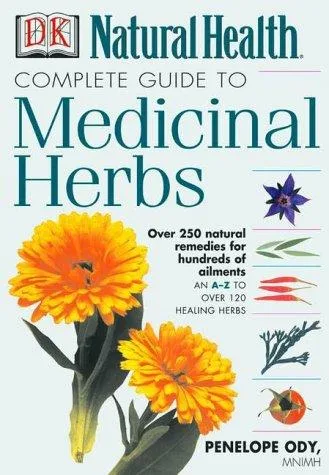
Complete guide to medicinal herbs
 82
82

Complete guide to medicinal herbs
Penelope Ody’s guide offers a grounded approach to herbal medicine, eschewing the more mystical interpretations for practical application. Its strength lies in the clarity of its instructions for cultivation and preparation, making complex processes accessible. For instance, the detailed section on making tinctures from fresh plant material is particularly effective, demystifying a common but often intimidating technique. However, the book occasionally feels limited by its 2000 publication date, lacking engagement with some of the more recent phytochemical research or complex pharmacological interactions that have since come to light. Despite this, its enduring value is in providing a robust, actionable foundation for understanding and utilizing medicinal herbs.
This guide remains a solid, practical resource for the aspiring herbalist.
📝 Description
82
Penelope Ody's 2000 guide details medicinal herbs, their preparation, and use.
This book offers a thorough look at medicinal herbs, covering their properties, how to grow them, and how to use them for healing. It goes beyond simply naming plants to explain how to prepare and apply herbal remedies for common health issues. The author organizes herbs and gives advice on when and how to gather them to ensure their strength.
It is written for a wide range of readers. Beginners and home gardeners wanting to grow their own healing plants will find it useful. Experienced practitioners can also use it to add to their knowledge. The book is a good starting point for anyone interested in natural medicine, self-reliance, and the historical use of plants.
Published in 2000, Penelope Ody's guide arrived during a time when interest in traditional healing and natural living was growing again. While conventional medicine was prominent, there was a concurrent rise in folk healing methods and a wish to connect with the plant world. This book met that need by sharing practical knowledge that had previously been scattered or passed down orally.
💡 Why Read This Book?
• Learn precise methods for harvesting and preparing herbs, such as the detailed steps for creating tinctures as outlined in the preparation sections, ensuring maximum efficacy for your remedies. • Understand the historical underpinnings of herbal medicine by exploring Ody's categorization of plants, reflecting practices common before the widespread adoption of synthetic drugs. • Gain practical skills in cultivating specific medicinal plants, as detailed in the cultivation chapters, empowering you to grow your own natural pharmacy at home.
⭐ Reader Reviews
Honest opinions from readers who have explored this book.
❓ Frequently Asked Questions
When was Penelope Ody's Complete Guide to Medicinal Herbs first published?
Penelope Ody's *Complete Guide to Medicinal Herbs* was first published in the year 2000, reflecting a growing interest in natural health and traditional remedies at the turn of the millennium.
What kind of information does the book provide on herb preparation?
The guide offers detailed instructions on various preparation methods, including making infusions, decoctions, tinctures, and poultices, ensuring users can effectively extract and utilize the medicinal properties of plants.
Does the book cover how to grow medicinal herbs?
Yes, a significant portion of the book is dedicated to the cultivation of medicinal herbs, providing advice on soil, planting, care, and harvesting to ensure a potent and sustainable supply.
Is the Complete Guide to Medicinal Herbs suitable for beginners?
Absolutely. The book is structured to be accessible to beginners, offering clear explanations and practical steps for identification, cultivation, and use of medicinal herbs.
What are some key concepts discussed in the book?
Key concepts include plant identification, understanding active constituents, therapeutic applications for common ailments, and principles of sustainable harvesting and ethical foraging.
Who authored the Complete Guide to Medicinal Herbs?
The *Complete Guide to Medicinal Herbs* was authored by Penelope Ody, a recognized expert in the field of herbalism.
🔮 Key Themes & Symbolism
Plant Cultivation & Care
This guide emphasizes the importance of growing your own medicinal herbs, detailing specific needs for various plants like chamomile and echinacea. It covers soil preparation, sowing, transplanting, and ongoing care to ensure healthy growth and maximum medicinal potency. The focus is on practical, achievable gardening techniques, enabling readers to establish a personal herbal pharmacy right at home, fostering a direct connection with the plants they intend to use for healing.
Preparation Techniques
A core theme is the practical application of herbs through various preparation methods. The book meticulously explains how to create infusions, decoctions, tinctures, syrups, and poultices. It provides step-by-step instructions, differentiating techniques based on the plant part used and the desired outcome, ensuring readers can effectively extract and preserve the therapeutic compounds for safe and effective use.
Therapeutic Applications
The guide systematically outlines the medicinal uses of a wide array of herbs, linking specific plants to common ailments. It details internal and external applications, offering guidance on dosage and contraindications. This theme bridges the gap between botanical knowledge and practical health management, empowering individuals to address everyday health concerns with natural remedies derived from plants.
Sustainable Harvesting
Central to the work is the principle of responsible interaction with nature. The book educates readers on ethical harvesting practices, including when and how to gather plants without depleting wild populations. It stresses the importance of respecting the environment and ensuring the long-term availability of medicinal resources, promoting a mindful approach to foraging.
💬 Memorable Quotes
Direct passages from the work, attributed to the author.
“Harvesting at the right time is crucial for potency.”
— This highlights the practical wisdom within herbalism, where the efficacy of a remedy is directly tied to the precise moment of collection, emphasizing a deep understanding of plant cycles and lunar influences.
“Infusions are best for delicate plant parts like leaves and flowers.”
— This statement points to the specific knowledge required for effective herbal preparation, distinguishing methods based on the plant's morphology to best capture its medicinal properties.
“Tinctures offer a concentrated and long-lasting form of medicinal herbs.”
— This emphasizes the preservation and concentration of plant compounds, showcasing how techniques like tincturing extend the usability and potency of herbal remedies beyond immediate harvest.
“Understanding the soil is key to successful herb cultivation.”
— This underlines the foundational importance of environmental factors in herbalism, connecting the health of the plant directly to the quality of its growing medium and the gardener's knowledge.
“Always identify your plants with certainty before use.”
— A critical safety principle in herbalism, this underscores the non-negotiable need for accurate identification to prevent accidental poisoning and ensure the correct therapeutic action.
🌙 Esoteric Significance
Tradition
While not overtly mystical, the book operates within the broader tradition of folk herbalism, which often carries implicit esoteric connections. This lineage traces back to ancient apothecaries and wise women who viewed plants not merely as chemical compounds but as living entities with unique energies and spirits. Ody's methodical approach, focused on cultivation and preparation, respects this animistic undercurrent by emphasizing a direct, hands-on relationship with the plant kingdom, a precursor to more formalized esoteric botanical studies.
Symbolism
The act of cultivation itself becomes symbolic, representing the alchemical process of nurturing and transforming raw nature into a refined medicine. Specific herbs like Echinacea, often presented as a powerful immune stimulant, can be viewed symbolically as embodying resilience and protective energies. The detailed descriptions of harvesting under specific conditions (e.g., moon phases, time of day) hint at a deeper, cyclical understanding of nature's rhythms, aligning with esoteric principles of sympathetic magic and celestial influence.
Modern Relevance
Contemporary herbalists, permaculture practitioners, and those engaged in radical self-sufficiency movements frequently draw upon the foundational knowledge presented in guides like Ody's. Its emphasis on cultivation and practical preparation appeals to modern desires for sustainable living and a reconnection with natural cycles. Thinkers and practitioners focused on bioregional herbalism and community-based wellness initiatives also find value in its accessible, grounded approach to plant medicine.
👥 Who Should Read This Book
• Aspiring home herbalists and gardeners seeking to cultivate and utilize medicinal plants for personal wellness, benefiting from clear instructions on growing and preparation. • Health-conscious individuals interested in natural remedies and seeking to understand the practical application of botanicals for common ailments, moving beyond theoretical knowledge. • Students of botany and traditional medicine looking for a foundational text that bridges practical cultivation with therapeutic uses, offering a concrete starting point for further study.
📜 Historical Context
Published in 2000, Penelope Ody's *Complete Guide to Medicinal Herbs* arrived at a central moment. The late 20th century saw a significant resurgence of interest in natural healing, partly as a reaction against the perceived over-medicalization of society and a growing distrust in pharmaceutical industries. This period also coincided with increased accessibility to information through the internet, though Ody's work predates the widespread digital dominance. The book emerged in a landscape populated by both venerable, often dense, herbal compendia and newer, more accessible guides. While figures like David Hoffmann were also publishing influential works on herbalism around this time, Ody's approach distinguished itself through its clear, practical focus on cultivation and preparation, aiming to empower the home user. Its reception was generally positive among practitioners and enthusiasts, filling a need for a comprehensive yet user-friendly manual that balanced botanical knowledge with actionable advice.
📔 Journal Prompts
The cultivation of Echinacea and its role in immune support.
Preparation methods for delicate flowers versus hardy roots.
Ethical considerations in harvesting wild medicinal plants.
The practical difference between an infusion and a decoction.
Connecting personal well-being with the seasonal cycles of plant growth.
🗂️ Glossary
Infusion
A medicinal preparation made by steeping plant material, typically leaves or flowers, in hot water for a short period, similar to making tea.
Decoction
A medicinal preparation made by simmering tougher plant parts, such as roots, bark, or seeds, in water for an extended period to extract their active compounds.
Tincture
A concentrated liquid herbal extract made by soaking plant material in alcohol or another solvent, preserving the medicinal properties for long-term use.
Poultice
A preparation of mashed herbs applied directly to the skin, often wrapped in cloth, to treat localized inflammation, wounds, or infections.
Constituents
The chemical compounds within a plant that are responsible for its medicinal effects, such as alkaloids, glycosides, or essential oils.
Foraging
The practice of gathering wild plants for food, medicine, or other uses, emphasizing ethical and sustainable collection methods.
Potency
The strength or effectiveness of a medicinal herb, often influenced by factors like harvesting time, preparation method, and storage conditions.
🔮 Readers Also Liked
Browse all →









More Free Occult Philosophy Books
View all →