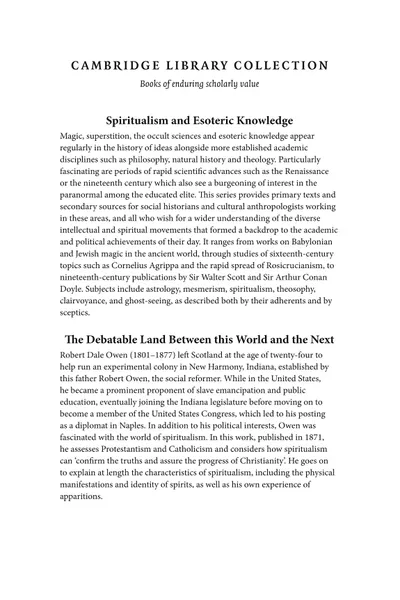
Come to Castlemoor

 78
78

Come to Castlemoor
Jennifer Wilde’s *Come to Castlemoor* presents a compelling, if somewhat familiar, exploration of inherited psychic burdens and the atmospheric power of ancestral homes. The narrative succeeds most when it leans into the Gothic tradition, imbuing the titular castle with a palpable sense of history and lingering energies. The description of the mist-shrouded grounds and the decaying grandeur of Castlemoor itself is particularly effective, creating a strong sense of place that mirrors the protagonist’s internal turmoil. However, the pacing occasionally falters in the midsection, with certain plot developments feeling slightly protracted. A strength lies in Wilde’s ability to hint at supernatural forces without overt exposition, allowing the reader’s imagination to fill the gaps. For instance, the subtle shifts in atmosphere when certain ancestral portraits are in view suggest a deeper narrative at play. The resolution, while satisfying, could perhaps have benefited from a more nuanced engagement with the esoteric mechanics at work. Nevertheless, *Come to Castlemoor* offers a satisfyingly spooky read for fans of ancestral curses and haunted locales.
📝 Description
78
Jennifer Wilde's 1992 novel, Come to Castlemoor, uses esoteric themes to frame a gothic narrative.
Published in 1992, Come to Castlemoor is a novel by Jennifer Wilde. It operates within the supernatural and occult fiction genre. The narrative incorporates themes of hidden knowledge and the interplay between the mundane and the mystical. The book invites readers into a world where ancient forces can influence contemporary lives. It does not serve as a direct manual for occult practices, but rather uses esoteric concepts as a backdrop for character development and plot progression.
This work appeals to readers who enjoy gothic literature with a strong supernatural or occult undercurrent. Those interested in folklore, local legends, and the exploration of ancestral curses or blessings will find it rewarding. It is suited for individuals who appreciate atmospheric storytelling where the setting plays a crucial role in shaping the narrative. Readers seeking a fictional exploration of esoteric themes without dense academic discourse will also find it accessible.
Come to Castlemoor emerged in 1992, a time of public interest in occult and esoteric subjects. This period followed the New Age movements and saw increased publication in areas like witchcraft and mysticism. While not directly academic, Wilde's work tapped into a broader fascination with these topics. The novel's themes of inherited destiny and ancient secrets echo earlier gothic literary traditions, updated for a late 20th-century audience.
💡 Why Read This Book?
• Gain an understanding of how place-memory, a concept suggesting locations absorb past emotional imprints, can shape character destiny as depicted in *Come to Castlemoor*. • Experience the evocative atmosphere of ancestral estates and the Gothic literary tradition through Wilde's detailed descriptions of Castlemoor, first published in 1992. • Explore the theme of inherited spiritual legacies and how past generations' actions, as presented in the novel, can manifest as tangible influences on present-day descendants.
⭐ Reader Reviews
Honest opinions from readers who have explored this book.
❓ Frequently Asked Questions
What is the primary genre of Jennifer Wilde's 'Come to Castlemoor'?
The primary genre of 'Come to Castlemoor' is Gothic fiction with significant elements of the esoteric and supernatural. It was first published in 1992.
Does 'Come to Castlemoor' require prior knowledge of occult practices?
No, prior knowledge of specific occult practices is not required. The book uses esoteric themes as narrative devices rather than instructional content.
What kind of atmosphere does 'Come to Castlemoor' create?
The novel cultivates a strong sense of atmosphere, often described as Gothic and mysterious, with a focus on ancestral homes and lingering historical influences.
Who are the main characters in 'Come to Castlemoor'?
The central character is typically a protagonist who inherits or becomes entangled with Castlemoor, often uncovering family secrets and confronting supernatural elements tied to the estate's history.
What are some key themes explored in 'Come to Castlemoor'?
Key themes include place-memory, ancestral curses or blessings, hidden lineage, and the interaction between the spiritual and physical realms.
When was 'Come to Castlemoor' originally published?
'Come to Castlemoor' was originally published in 1992.
🔮 Key Themes & Symbolism
Place-Memory and Atmosphere
The novel deeply explores the concept of place-memory, suggesting that locations, particularly ancient sites like Castlemoor, absorb and retain residual energies from past events and inhabitants. This creates a palpable atmosphere that influences the present. Wilde uses descriptive passages to imbue the castle and its surroundings with a sense of history, making the environment an active participant in the unfolding drama. Readers will find that the very stones of Castlemoor seem to whisper secrets and exert a subtle, yet powerful, influence on the characters who inhabit it, blurring the lines between history and haunting.
Ancestral Influence and Lineage
A central pillar of *Come to Castlemoor* is the exploration of how ancestral legacies can impact current generations. This manifests not merely as inherited wealth or social standing but as spiritual or psychic imprints. The narrative suggests that the actions, unresolved issues, or latent abilities of forebears can create a 'karmic' or energetic thread that binds descendants to specific fates or challenges. Uncovering this hidden lineage becomes a key part of the protagonist's journey, forcing them to confront and understand the forces shaping their life from beyond their own lived experience.
The Esoteric Unveiled
While operating within a fictional narrative, the book touches upon esoteric principles, particularly concerning the unseen forces that govern reality. This includes the idea that certain individuals possess heightened sensitivity to these subtle energies, allowing them to perceive or interact with spiritual entities or residues of past consciousness. The narrative frames these elements not as outright magic but as inherent aspects of existence that can be understood and, to some extent, navigated, especially when connected to specific locations or bloodlines.
💬 Memorable Quotes
Direct passages from the work, attributed to the author.
“The stones themselves seemed to hold their breath, waiting.”
— This phrase captures the potent atmosphere of Castlemoor, suggesting the location possesses a form of consciousness or awareness, imbued with the weight of its history.
“Her blood remembered what her mind had long forgotten.”
— This reflects the theme of ancestral influence, implying that innate knowledge or sensitivities are passed down genetically, surfacing instinctually.
“Shadows in the hall were more than just the absence of light.”
— This hints at the supernatural presence within the castle, suggesting that the perceived shadows are manifestations of lingering spirits or energies.
“Every generation pays a price for the secrets the last buried.”
— This expresses the concept of inherited burdens, where the unresolved issues or hidden actions of ancestors create repercussions for their descendants.
“The air grew thick with unspoken histories.”
— This describes the palpable sense of the past within Castlemoor, where the atmosphere itself seems charged with the accumulated experiences and emotions of previous inhabitants.
🌙 Esoteric Significance
Tradition
The work aligns broadly with the Western Esoteric tradition, particularly its Gothic and folklore-infused branches. It draws upon concepts common in folk magic and occult lore, such as ancestral spirits, place-memory, and the idea that specific locations can act as conduits for spiritual energies. While not explicitly Hermetic or Kabbalistic, it shares an underlying assumption with many esoteric systems: that reality possesses hidden layers accessible through intuition, sensitivity, or inherited connection, rather than purely rational means.
Symbolism
Castlemoor itself functions as a potent symbol, representing not just a physical structure but the accumulated weight of history, ancestral consciousness, and latent spiritual power. Ancestral portraits or heirlooms often serve as symbolic anchors, acting as focal points for the lingering energies of past individuals. The recurring motif of mist or fog symbolizes obscurity, the veil between worlds, and the difficulty in perceiving hidden truths, which gradually lifts as the protagonist gains understanding.
Modern Relevance
Contemporary practitioners of folk magic, ancestral veneration, and those interested in psychogeography might find resonance in *Come to Castlemoor*. The novel's exploration of how environments and lineage influence individuals speaks to modern interests in personal history, inherited trauma, and the energetic connections within families and places. Authors and artists exploring similar themes of haunted landscapes and the persistence of the past continue to draw inspiration from this vein of literature.
👥 Who Should Read This Book
• Readers of Gothic and supernatural fiction seeking atmospheric narratives with a focus on ancestral homes and historical mysteries. • Enthusiasts of folklore and mythology interested in how ancient beliefs about place-memory and inherited destinies are explored in a fictional context. • Individuals drawn to explorations of subtle energies and the idea that locations and bloodlines can hold significant, unseen influences.
📜 Historical Context
Published in 1992, *Come to Castlemoor* emerged at a time when esoteric themes were gaining broader cultural traction, partly due to the preceding decade's New Age movement. Jennifer Wilde's work tapped into a public fascination with mysticism, folklore, and the supernatural, often presented through a Gothic lens. This period saw a rise in popular fiction exploring ancestral curses, hauntings, and hidden spiritual lineages, reflecting a societal interest in reconnecting with older traditions or exploring the darker aspects of the psyche. While not directly engaging with the academic discourse on Western Esotericism that was solidifying around scholars like Antoine Faivre, Wilde’s novel contributed to a wider cultural conversation. Its themes of inherited destiny and the power of place echo earlier Gothic literature but are infused with a late 20th-century sensibility that made such concepts accessible to a contemporary audience, distinct from purely historical accounts or academic studies.
📔 Journal Prompts
Castlemoor's oppressive atmosphere and its connection to ancestral secrets.
The protagonist's dawning awareness of place-memory.
Reflect on the concept of 'blood remembering' as presented in the novel.
Analyze the symbolism of the mist surrounding Castlemoor.
Consider the manifestation of inherited burdens from past generations.
🗂️ Glossary
Place-memory
The concept that locations can retain residual energetic or emotional imprints from past events, people, or intense experiences, influencing present inhabitants.
Ancestral Influence
The idea that the spiritual, energetic, or karmic patterns of one's ancestors can manifest in the lives of current descendants, impacting their fate or character.
Esoteric
Relating to or concerned with the occult or phenomena beyond the ordinary range of human knowledge and experience; often involving hidden meanings or specialized knowledge.
Gothic Fiction
A literary genre characterized by settings like decaying castles or mansions, themes of mystery, horror, the supernatural, and intense emotional states.
Subtle Energies
Hypothetical forms of energy, often associated with spiritual or psychic phenomena, that are not detectable by conventional scientific instruments but are believed to influence consciousness and the physical world.
Hidden Lineage
A family history or ancestry that contains unknown secrets, forgotten connections, or unacknowledged influences that become significant to the present-day characters.
Inherited Burden
A negative consequence, curse, or unresolved issue from an ancestor's life that is passed down and affects the well-being or destiny of their descendants.
🔮 Readers Also Liked
Browse all →








More by Jennifer Wilde
All books →
More Free Occult Philosophy Books
View all →