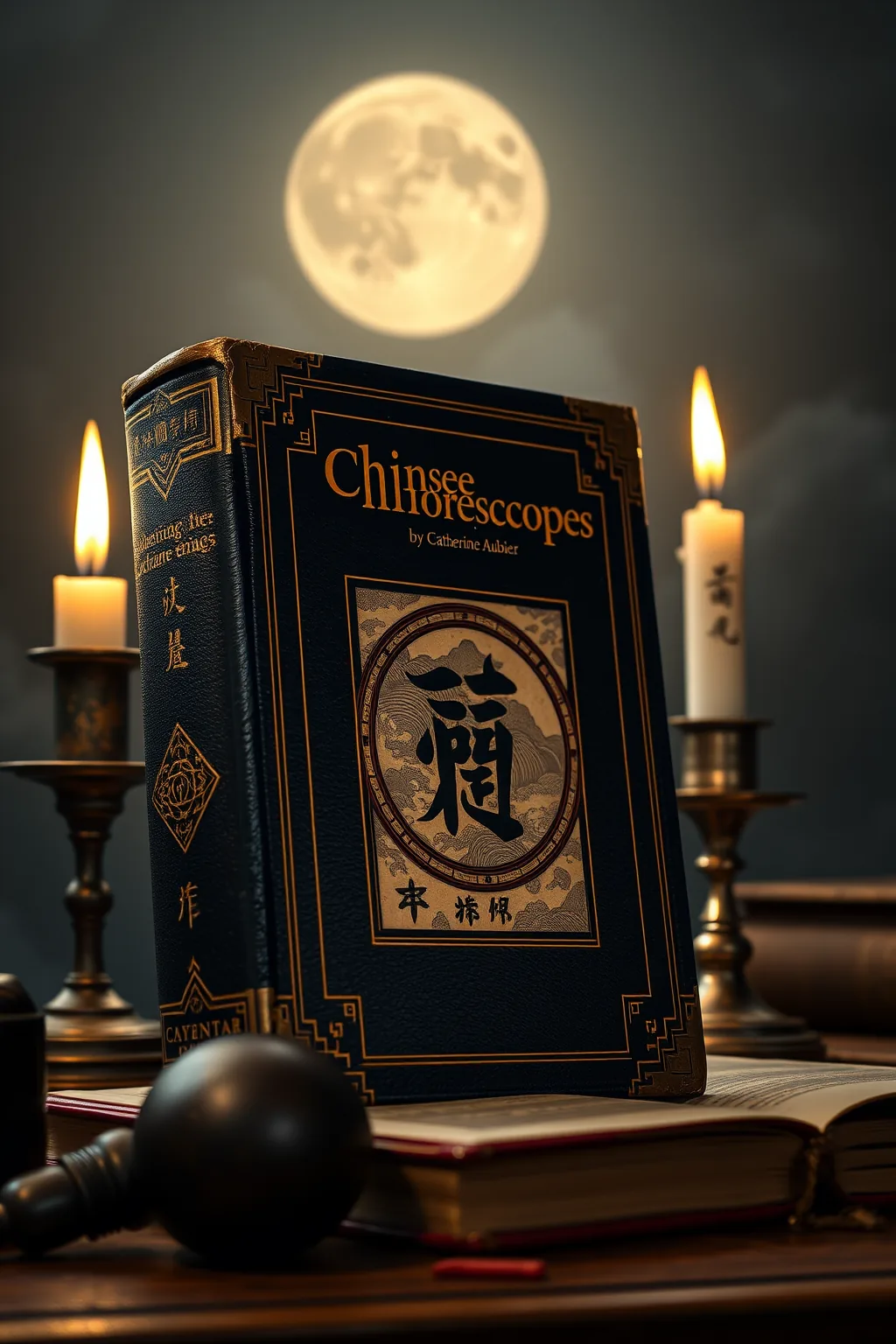
Chinese horoscopes
 75
75

Chinese horoscopes
Catherine Aubier's *Chinese Horoscopes* presents the intricate system of the zodiac with commendable clarity, originating from a 1988 publication. Its strength lies in its systematic breakdown of each animal sign, offering a practical guide to understanding personality archetypes. However, the work occasionally leans towards a generalized interpretation, sometimes lacking the deeper philosophical nuances found in more specialized texts. A particularly illustrative section discusses the compatibility between the Dragon and the Monkey, highlighting their shared ambition and intellectual drive, which can lead to a powerful alliance. While comprehensive for its time, some readers might find its approach less probing than contemporary astrological analyses. It serves as a solid, foundational text for those new to the subject.
📝 Description
75
Catherine Aubier's Chinese Horoscopes, published in 1988, details the twelve zodiac animals and their meanings.
This 1988 volume by Catherine Aubier offers a thorough examination of the Chinese zodiac. It covers the twelve animal signs—Rat, Ox, Tiger, Rabbit, Dragon, Snake, Horse, Goat, Monkey, Rooster, Dog, and Pig—along with their distinct characteristics, compatibility patterns, and effects on individual lives and futures. The book also discusses the cyclical nature of the Chinese calendar, which connects years to specific animals and elemental forces. This provides a structure for understanding personal destinies within a larger cosmological framework.
Aubier's work is suitable for anyone wishing to grasp the fundamental ideas behind Chinese astrology. It speaks to those interested in the timekeeping cycles and the symbolic animal associations central to this practice. Readers curious about comparative astrology, personal growth using older systems, or the cultural roots of East Asian traditions will find it valuable. The book acts as a clear introduction for newcomers and a helpful resource for those with some background knowledge.
Published in 1988, Aubier's book appeared during a time of growing Western interest in Eastern philosophies and esoteric traditions. Following earlier explorations of archetypes, specific astrological systems like the Chinese zodiac began to gain wider attention. This work contributed to a broader discussion that included contemporary studies of various global divinatory systems, moving beyond solely Western astrological frameworks. It emerged as comparative mythology and cross-cultural spiritual inquiry gained popularity.
💡 Why Read This Book?
• Gain a structured understanding of the twelve Chinese zodiac animals and their associated elemental influences, as detailed in the book's core explanations of each sign. • Learn about the 60-year cycle, a key concept combining animals and elements from the Chinese calendar, enabling a deeper appreciation of cyclical time. • Discover practical insights into compatibility between signs, using the specific examples provided in the text to assess relationship dynamics.
⭐ Reader Reviews
Honest opinions from readers who have explored this book.
❓ Frequently Asked Questions
When was Catherine Aubier's Chinese Horoscopes first published?
Catherine Aubier's *Chinese Horoscopes* was first published in 1988, a period marked by increasing Western engagement with Eastern esoteric traditions.
What are the twelve animals of the Chinese zodiac mentioned in the book?
The book details the twelve animals: Rat, Ox, Tiger, Rabbit, Dragon, Snake, Horse, Goat, Monkey, Rooster, Dog, and Pig, exploring their unique characteristics.
Does the book explain the Chinese elemental system?
Yes, *Chinese Horoscopes* explores the five elements (Wood, Fire, Earth, Metal, Water) and their interaction with the zodiac animals within the cyclical calendar system.
What is the significance of the 60-year cycle in Chinese astrology?
The 60-year cycle, as explained in the book, combines the twelve animal signs with the five elements and Yin/Yang principles, offering a more detailed astrological profile.
Is this book suitable for beginners in astrology?
Absolutely. Aubier's work provides a clear and systematic introduction to the principles of Chinese astrology, making it accessible for those new to the subject.
Does the book discuss animal sign compatibility?
Yes, a significant aspect of the book involves analyzing the compatibility and potential relationships between different Chinese zodiac signs.
🔮 Key Themes & Symbolism
The Twelve Animal Archetypes
Aubier meticulously outlines the distinct personality traits, inherent strengths, and potential challenges associated with each of the twelve zodiac animals. From the ambitious Rat to the loyal Dog, the book provides detailed profiles, allowing readers to identify their own animal sign and understand its archetypal influence. This section serves as the foundation for interpreting individual destinies and understanding the symbolic language of the Chinese astrological system. It emphasizes how these archetypes shape behavior, relationships, and life paths.
Elemental and Cyclical Influences
Beyond the individual animals, the work looks at the complex interplay of the five elements (Wood, Fire, Earth, Metal, Water) and the Yin/Yang duality. It explains how these forces, combined with the animal signs, create the 60-year cycle, offering a nuanced approach to astrological interpretation. Understanding these cyclical patterns is presented as key to comprehending the ebb and flow of fortune and the subtle energies influencing specific years and individuals born within them.
Compatibility and Relationships
A significant focus is placed on the dynamics between different zodiac signs, particularly concerning compatibility in friendships, partnerships, and family life. Aubier explores which animal combinations tend to harmonize well, fostering mutual understanding and support, and which might present challenges requiring greater effort. This aspect of the book offers practical guidance for navigating interpersonal relationships through the lens of Chinese astrology.
The Lunar Calendar Framework
The book underscores the importance of the lunar calendar in the Chinese astrological system. Unlike the solar-based Western zodiac, the Chinese system operates on lunar cycles, determining the progression of years and the placement of the animal signs. This section clarifies the calendrical basis of the tradition, highlighting how its unique temporal structure shapes its predictive and interpretive methods.
💬 Memorable Quotes
Direct passages from the work, attributed to the author.
“The year of the Dragon is often associated with charisma and immense power.”
— This highlights the symbolic representation of the Dragon as a potent force within the Chinese zodiac, embodying leadership qualities and a commanding presence.
“The element of Fire in a person's birth year can signify passion and a dynamic temperament.”
— This emphasizes the book's exploration of how the five elements, when combined with animal signs, further refine personality characteristics and life energies.
“Understanding the cyclical nature of the Chinese calendar provides insight into personal destiny.”
— This represents the core idea that the repeating patterns of the zodiac and elements offer a framework for interpreting an individual's life path and potential.
“The Monkey sign is often linked with intelligence and a playful, inventive spirit.”
— This offers a concise summary of the archetypal characteristics attributed to one of the zodiac animals, showcasing the book's descriptive approach.
💡 Key Ideas
Editorial paraphrase of the work's core concepts — not direct quotes.
Compatibility between the Ox and the Rooster suggests a union built on shared values and mutual respect.
This paraphrased concept illustrates how the book analyzes specific sign pairings, predicting harmonious relationships based on complementary traits and understanding.
🌙 Esoteric Significance
Tradition
While not strictly adhering to a single Western esoteric lineage, Aubier's work engages with a tradition of cyclical timekeeping and symbolic interpretation deeply rooted in Chinese cosmology and philosophy. It draws from Taoist principles and the ancient practice of Shengxiao (birth year animal). The book fits within the broader esoteric movement that sought to synthesize global wisdom traditions, making ancient systems accessible to a modern audience, much like Theosophy did for other traditions earlier in the 20th century.
Symbolism
Central symbols include the twelve animals, each representing specific virtues, vices, and archetypal energies (e.g., the Dragon symbolizing power and good fortune, the Rabbit representing gentleness and caution). The five elements (Wood, Fire, Earth, Metal, Water) are also crucial, symbolizing different phases of creation and destruction, and influencing the nature of each animal year. The Yin/Yang duality further refines these interpretations, adding layers of complementary and opposing forces.
Modern Relevance
Contemporary practitioners of astrology, comparative religion scholars, and individuals interested in personal development through Eastern philosophies continue to find value in Aubier's foundational explanations. The book's clear presentation of the zodiac animals and elemental interactions serves as a starting point for those exploring modern applications of Chinese metaphysics, including Feng Shui and Four Pillars of Destiny (Bazi) studies, albeit at a more introductory level.
👥 Who Should Read This Book
• Individuals curious about non-Western astrological systems seeking a clear introduction to the Chinese zodiac and its core principles. • Readers interested in comparative mythology and cultural symbolism who wish to understand the archetypal meanings behind the twelve animal signs. • Those exploring personal development and self-understanding through ancient wisdom traditions, looking for practical insights into personality and relationships based on birth year.
📜 Historical Context
Published in 1988, Catherine Aubier's *Chinese Horoscopes* arrived during a period of significant Western curiosity towards Eastern philosophies and esoteric systems, a trend amplified by the cultural shifts of the preceding decades. Following the popularization of Jungian archetypes and increased global interconnectedness, works exploring non-Western astrological traditions found a receptive audience. Aubier's book contributed to a burgeoning field where comparative mythology and cross-cultural divination were gaining traction, offering a structured exploration of the Chinese zodiac. This occurred alongside a broader academic and popular interest in systems like the I Ching and Vedic astrology, challenging the dominance of Western astrological frameworks. While specific reception events like major reviews or academic citations for this particular 1988 edition are not widely documented, its publication aligned with a general movement to integrate diverse spiritual and symbolic systems into Western understanding.
📔 Journal Prompts
The Tiger's characteristic courage: how does this archetype manifest in your own life?
Reflect on the interplay between your birth animal and its ruling element.
Analyze a relationship using the compatibility principles outlined for the Snake and the Rooster.
Consider the cyclical nature of the Chinese calendar and its potential influence on life events.
The Monkey's inventive spirit: identify a situation where this trait could be beneficial.
🗂️ Glossary
Shengxiao
The Chinese term for the zodiac cycle, referring to the twelve animals whose sequence is based on the lunar year.
Lunar Calendar
A calendar system based on the cycles of the moon's phases, fundamental to the Chinese astrological and traditional calendrical systems.
Five Elements
The traditional Chinese cosmological concept comprising Wood, Fire, Earth, Metal, and Water, which interact dynamically and influence the zodiac animals.
Yin and Yang
The Taoist concept of dualistic, complementary, and interdependent forces that govern the natural world, applied in Chinese astrology to refine interpretations.
Animal Sign
Refers to one of the twelve animals associated with a specific year in the Chinese zodiac cycle, each possessing distinct characteristics.
60-Year Cycle
A larger cycle in Chinese cosmology that combines the twelve animal signs with the ten Heavenly Stems (associated with Yin/Yang and the Five Elements), creating a more complex astrological system.
Compatibility
The analysis of how different Chinese zodiac signs interact, predicting harmony or conflict in relationships based on their inherent characteristics.
🔮 Readers Also Liked
Browse all →









More by Catherine Aubier
All books →



More Free Astrology & Cosmology Books
View all →