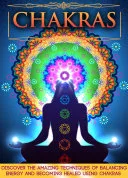
Chakras: Discover The Amazing Techniques Of Balancing Energy And Becoming Healed Using Chakras
 84
84

Chakras: Discover The Amazing Techniques Of Balancing Energy And Becoming Healed Using Chakras
The approach taken by Old Natural Ways in "Chakras: Discover The Amazing Techniques Of Balancing Energy And Becoming Healed Using Chakras" is commendably direct. It avoids the often-dense academic prose found in some esoteric texts, opting instead for a more accessible, almost instructional tone. A particular strength lies in its detailed descriptions of each of the seven primary chakras, offering clear associations for physical locations and corresponding emotional states. However, the limitation is its brevity; while it introduces concepts effectively, it sometimes feels as though it only scratches the surface of deeper energetic mechanics. The section detailing the Third Eye chakra, for instance, provides useful grounding exercises but could benefit from more exploration of its role in intuition and higher perception. Ultimately, the book serves as a functional primer for those beginning their exploration of chakra work, offering actionable steps for energy balancing.
📝 Description
84
Published in 2018, Chakras: Discover The Amazing Techniques Of Balancing Energy And Becoming Healed Using Chakras details methods for aligning the body's energy centers.
This book presents practical techniques for understanding and balancing the body's seven primary energy centers, known as chakras. The author aims to guide readers toward a state of equilibrium where vital energy flows without obstruction, promoting a more complete life experience. The work is organized to deliver actionable steps for self-improvement through energetic practices. It is intended for individuals interested in enhancing their physical and emotional health via energetic alignment. The material is accessible to those new to chakra concepts as well as those wishing to deepen their existing knowledge. Readers drawn to holistic healing methods and personal discovery will find this volume useful.
The book explains how imbalances in the chakras can lead to various physical and emotional complaints. To restore harmony and boost vitality, it suggests specific methods. These include meditation, visualization exercises, spoken affirmations, and the use of crystals. The goal is to help readers achieve a greater sense of well-being and wholeness by working with their internal energy systems.
The concept of internal energy centers, or chakras, originates from ancient Indian yogic traditions, with roots stretching back centuries before the common era. While this 2018 publication offers a modern approach, it is built upon a long history of spiritual and healing practices. Western engagement with chakras grew notably in the late 19th and early 20th centuries, partly through the work of figures associated with the Theosophical Society, who introduced various Eastern philosophies to Western audiences.
💡 Why Read This Book?
• You will learn specific visualization techniques for clearing the Manipura (Solar Plexus) chakra, enabling you to address personal power blockages not typically covered in general wellness guides. • The book details how to use colored light therapy in conjunction with affirmations for the Anahata (Heart) chakra, offering a unique, multi-sensory approach to emotional healing. • You will discover practical, step-by-step methods for grounding yourself using the Muladhara (Root) chakra, providing immediate tools for stability that go beyond simple mindfulness exercises.
⭐ Reader Reviews
Honest opinions from readers who have explored this book.
❓ Frequently Asked Questions
What are the seven main chakras discussed in the book?
The book details the seven primary chakras: Muladhara (Root), Svadhisthana (Sacral), Manipura (Solar Plexus), Anahata (Heart), Vishuddha (Throat), Ajna (Third Eye), and Sahasrara (Crown). Each is linked to distinct physical and energetic functions within the body.
Are the techniques in the book suitable for beginners?
Yes, the book is designed to be accessible for beginners. It breaks down complex concepts into understandable terms and provides straightforward exercises for balancing energy, starting from foundational principles.
When was 'Chakras: Discover The Amazing Techniques Of Balancing Energy And Becoming Healed Using Chakras' first published?
This book was first published on November 19, 2018, by Old Natural Ways, making it a relatively contemporary guide to chakra balancing techniques.
How does this book explain energy balance?
It explains energy balance as the free and unimpeded flow of vital energy (prana or chi) through the body's energy centers, or chakras. Imbalances are seen as blockages that can be addressed through various practices outlined in the text.
Can these chakra techniques help with physical ailments?
The book suggests that by balancing the chakras, individuals may experience improvements in physical health, as imbalances are often linked to specific bodily functions and ailments. It promotes a holistic approach to well-being.
What kind of techniques are covered for chakra healing?
The book covers a range of techniques including meditation, visualization exercises, affirmation practices, breathwork, and the use of color and sound frequencies associated with each chakra.
🔮 Key Themes & Symbolism
Chakra System Anatomy
The work meticulously details the seven primary chakras, mapping each to specific anatomical locations, colors, and energetic qualities. It explains how the Muladhara (Root) chakra grounds us, while the Sahasrara (Crown) connects us to universal consciousness. This foundational understanding is presented as crucial for recognizing and addressing energetic disruptions that may manifest physically or emotionally.
Energy Flow and Blockages
Central to the book is the concept of Prana, or vital life force, and its movement through the nadis (energy channels) and chakras. It illustrates how stress, negative emotions, or physical trauma can create blockages in the Manipura (Solar Plexus) or Anahata (Heart) chakras, hindering vitality. The text offers methods to identify and clear these obstructions.
Holistic Healing Modalities
The book advocates for a holistic approach, integrating chakra work with other healing practices. It explores the use of color therapy, sound frequencies, affirmations, and specific meditations tailored to each chakra. The aim is to restore equilibrium across physical, mental, and spiritual dimensions, fostering overall well-being.
Personal Empowerment
By understanding and actively working with their energy centers, readers are encouraged to take an active role in their own healing and personal growth. The book positions chakra balancing not merely as a therapeutic practice but as a path toward self-awareness and empowerment, enabling individuals to live more fully.
💬 Memorable Quotes
Direct passages from the work, attributed to the author.
“Your body is a vessel for energy, and its smooth flow is essential for life experience.”
— This statement underscores the book's core premise: that physical and energetic health are intrinsically linked. It suggests that maintaining the unimpeded flow of vital energy is not just beneficial but fundamental to experiencing life fully.
“When the Manipura chakra is balanced, you feel confident and in control of your destiny.”
— This highlights the direct correlation between specific chakras and psychological states. It suggests that by working on the Solar Plexus chakra, one can cultivate a sense of personal agency and self-assurance.
“The throat chakra, Vishuddha, governs our ability to speak our truth.”
— This interpretation emphasizes the communicative aspect of the Vishuddha chakra. It implies that imbalances here can manifest as difficulty expressing oneself honestly or authentically.
“Visualize the color green flowing into your heart space to open the Anahata.”
— This exemplifies the practical, visualization-based techniques offered. It connects a specific color (green) with the Heart chakra (Anahata) and provides a concrete action for energetic healing.
“A grounded individual feels secure, stable, and connected to the earth.”
— This describes the energetic state associated with a balanced Root chakra (Muladhara). It links the concept of grounding to feelings of security and stability in one's life.
🌙 Esoteric Significance
Tradition
This work aligns with the broad spectrum of esoteric thought influenced by Eastern spiritual traditions, particularly Hinduism and Buddhism, which originated the chakra concept. It enters the Western esoteric landscape that has been shaped by Theosophy and New Age movements since the late 19th century. While not strictly Hermetic or Kabbalistic, it shares with them an emphasis on subtle energy systems and the interconnectedness of mind, body, and spirit.
Symbolism
The primary symbols are the seven chakras themselves, each represented by a lotus with a specific number of petals and a distinct color. For instance, the Ajna (Third Eye) chakra is often depicted as a two-petaled lotus, symbolizing intuition and inner vision. The Sahasrara (Crown) chakra, a thousand-petaled lotus, represents pure consciousness and spiritual enlightenment, acting as the gateway to the divine.
Modern Relevance
Contemporary wellness practices, mindfulness apps, and energy healing modalities frequently incorporate chakra balancing. Thinkers and practitioners in fields like integral psychology, holistic therapy, and even some branches of modern yoga draw upon these concepts. The book's focus on practical application makes it relevant to individuals seeking accessible tools for self-care and personal development in a fast-paced world.
👥 Who Should Read This Book
• Individuals new to energy work or spiritual healing seeking a clear, foundational understanding of the chakra system and practical methods for self-balancing. • Holistic health practitioners or therapists looking to expand their toolkit with accessible techniques for addressing energetic imbalances in clients. • Self-improvement enthusiasts interested in exploring the mind-body connection and discovering actionable strategies for enhancing vitality and emotional well-being.
📜 Historical Context
The modern fascination with chakras, while rooted in ancient Indian yogic philosophy, saw a significant surge in the West during the late 19th and early 20th centuries. This period was marked by intense cross-cultural exchange, with figures like Helena Blavatsky and the Theosophical Society playing a key role in introducing Eastern spiritual concepts, including chakras, to Western esoteric circles. Works by Annie Besant and C.W. Leadbeater further popularized these ideas. This 2018 publication, "Chakras: Discover The Amazing Techniques Of Balancing Energy And Becoming Healed Using Chakras," emerges in an era where interest in holistic health and alternative spiritual practices is widespread. It follows in the footsteps of earlier Western interpretations, such as those found in Alice Bailey's writings, which expanded upon the chakra system with their own symbolic layers. The book's accessibility reflects a broader trend towards democratizing esoteric knowledge, making it available to a wider audience beyond dedicated practitioners of yoga or comparative religion.
📔 Journal Prompts
Reflect on the energetic state of your Manipura chakra and its influence on your daily decisions.
Consider how imbalances in the Anahata chakra might be affecting your interpersonal relationships.
Explore the symbolism of the Vishuddha chakra in relation to your personal expression.
Document your experience with the grounding techniques for the Muladhara chakra.
Analyze the connection between the Ajna chakra and your intuitive insights.
🗂️ Glossary
Chakra
From Sanskrit, meaning 'wheel' or 'vortex'. In esoteric traditions, these are energy centers within the subtle body, believed to regulate physiological and psychological functions.
Prana
The vital life force or energy believed to permeate the universe. In yogic traditions, it flows through channels called nadis and is concentrated in the chakras.
Nadis
Subtle energy channels within the body through which Prana flows. The three most important are Ida, Pingala, and Sushumna, which relate to the central nervous system and spinal cord.
Aura
A field of subtle energy believed to surround a living being, often associated with the chakras and reflecting the individual's physical, emotional, and spiritual state.
Visualization
A mental technique involving the creation of vivid mental images, often used in meditation and energy work to focus intention and promote healing or balance.
Affirmation
Positive statements or declarations used to challenge and overcome self-sabotaging and negative thoughts, often employed to reinforce desired states of being related to chakra balance.
Svadhisthana
The second primary chakra, located in the sacral region. It is associated with creativity, sexuality, emotions, and pleasure.