Chakras
 74
74

Chakras
Fred Taylors' "Chakras" attempts to bridge the gap between esoteric theory and practical application for the modern, stressed individual. The book succeeds in providing a clear, if somewhat generalized, overview of the seven primary chakras. Its strength lies in its straightforward language, making complex energetic concepts digestible for newcomers. The discussion of the Root Chakra, for instance, as a grounding force amidst anxiety, offers a relatable entry point. However, the work occasionally borders on oversimplification, lacking the depth and nuanced historical or cross-cultural comparisons found in more academic explorations of the subject. The absence of specific meditative techniques or detailed energetic exercises beyond broad suggestions is a notable limitation for readers seeking immediate self-healing tools. Ultimately, "Chakras" serves as a competent introductory primer for those new to the energetic anatomy of the body.
📝 Description
74
Fred Taylors' 2020 book, Chakras, examines the body's energy centers and their influence on well-being.
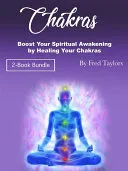
Published in 2020, Fred Taylors' Chakras details the seven primary energy centers within the human body. These points, known as chakras, are understood in various spiritual traditions as influencing physical, emotional, and mental states. The book explains their role in channeling life force energy, often called prana, and how imbalances can manifest as distress. Taylors' work is written for those experiencing stress or anxiety and seeking complementary approaches to health. It addresses individuals interested in the energetic aspects of well-being and connecting with their inner selves. Beginners to esoteric studies will find its explanations clear and accessible. The book covers each of the seven main chakras, from the Root (Muladhara) to the Crown (Sahasrara), associating them with specific locations, colors, sounds, and psychological themes. It also proposes methods for harmonizing these centers when they are out of balance.
The concept of chakras originates from ancient Indian traditions, particularly Tantra and Yoga, with references found in texts predating the Common Era. These energy centers were central to understanding the subtle body and consciousness. The modern Western reception of chakras was significantly shaped by early 20th-century scholarship, such as Sir John Woodroffe's work. Taylors' book engages with this historical lineage, presenting the chakra system within a contemporary spiritual development framework.
💡 Why Read This Book?
• Understand the fundamental purpose of the Root Chakra (Muladhara) and its connection to feelings of security and grounding, a concept explored in detail within Fred Taylors' text. • Learn about the energetic connection between the Sacral Chakra (Svadhisthana) and creativity, offering insights into unlocking personal expression as discussed in the book. • Discover the significance of the Heart Chakra (Anahata) in fostering emotional balance and compassion, a core theme presented throughout Fred Taylors' examination.
⭐ Reader Reviews
Honest opinions from readers who have explored this book.
❓ Frequently Asked Questions
What are the primary chakras discussed in Fred Taylors' "Chakras"?
The book details the seven primary chakras: Root (Muladhara), Sacral (Svadhisthana), Solar Plexus (Manipura), Heart (Anahata), Throat (Vishuddha), Third Eye (Ajna), and Crown (Sahasrara). Each is presented as a vital energy center influencing different aspects of well-being.
When was Fred Taylors' book "Chakras" first published?
Fred Taylors' "Chakras" was first published on August 19, 2020. This makes it a relatively recent contribution to the field of esoteric literature concerning energy centers.
How does "Chakras" by Fred Taylors relate to stress and anxiety?
The book posits that stress and anxiety can stem from imbalances in the chakra system. By understanding and potentially harmonizing these energy centers, individuals can work towards greater emotional and mental equilibrium.
Is "Chakras" by Fred Taylors suitable for beginners?
Yes, the book is designed to be accessible for beginners. It explains fundamental concepts of the chakra system in a clear and understandable manner, avoiding overly technical jargon.
What is the historical origin of the chakra concept?
The concept of chakras originates from ancient Indian spiritual traditions, particularly within Yoga and Tantra, with roots stretching back many centuries before the Common Era.
Does the book offer practical exercises for chakra balancing?
While the book explains the concepts and potential effects of imbalanced chakras, it focuses more on theoretical understanding. Readers may need to consult other resources for detailed practical exercises.
🔮 Key Themes & Symbolism
Root Chakra Balance
The book emphasizes the foundational role of the Root Chakra (Muladhara) in providing stability and security. Taylors explores how a balanced Muladhara can mitigate feelings of anxiety and stress, allowing individuals to feel more connected to the physical world and their own sense of safety. This grounding aspect is presented as crucial for overall well-being.
Sacral Chakra and Creativity
Fred Taylors discusses the Sacral Chakra (Svadhisthana) as the seat of creativity and emotional expression. The work suggests that blockages in this energy center can lead to a lack of inspiration or emotional stagnation. Harmonizing the Svadhisthana is presented as a pathway to unlocking personal potential and fostering a healthier emotional life.
Heart Chakra for Emotional Health
The Heart Chakra (Anahata) is explored for its connection to love, compassion, and interpersonal relationships. Taylors' text indicates that imbalances here can manifest as emotional detachment or difficulty in forming connections. Cultivating a balanced Anahata is portrayed as essential for fostering empathy and emotional resilience.
Crown Chakra and Spiritual Connection
The book touches upon the Crown Chakra (Sahasrara) as the gateway to higher consciousness and spiritual awareness. It posits that this chakra, when open, facilitates a connection to the universal or divine. Taylors suggests that understanding the Sahasrara is key to exploring one's spiritual path and seeking inner peace.
💬 Memorable Quotes
Direct passages from the work, attributed to the author.
“When a chakra is out of balance, it can manifest as physical or emotional distress.”
— This statement captures the core premise that energetic imbalances within the body's chakra system are directly linked to tangible symptoms, whether physical ailments or psychological unease.
“The Root Chakra is the foundation for feeling secure in the world.”
— This concept emphasizes the primary function of the Muladhara, presenting it as the essential base upon which a person's sense of safety and belonging is built.
“Stress and anxiety are common issues that spiritual guidance through chakras can help address.”
— This interpretation points to the book's practical orientation, framing the study of chakras as a method for alleviating prevalent modern-day psychological burdens like stress and anxiety.
“Each chakra has a specific color, sound, and location associated with it.”
— This factual statement underscores the detailed, systematic approach within the book, indicating that each energy center is characterized by distinct sensory and anatomical attributes.
💡 Key Ideas
Editorial paraphrase of the work's core concepts — not direct quotes.
These channels to your soul and body can help you discover previously secret parts of yourself.
This paraphrase highlights the introspective potential of the chakra system, suggesting that exploring these energy points offers a path to self-discovery and understanding deeper aspects of one's being.
🌙 Esoteric Significance
Tradition
The work aligns with the broader esoteric interpretation of Indian Yoga and Tantric philosophy, particularly as adapted into Western spiritualist and New Age movements. It departs from strict traditional interpretations by often focusing on psychological and stress-relief applications rather than the more complex spiritual liberation goals found in classical texts like the Upanishads or Tantras.
Symbolism
Central symbols include the lotus flower, often depicted with varying numbers of petals corresponding to specific chakras, representing spiritual unfolding. The serpent (Kundalini) is another potent symbol, often shown coiled at the base of the spine, symbolizing dormant spiritual energy that rises through the chakras. Colors, such as red for the Root Chakra and violet for the Crown, serve as visual anchors for the energetic qualities of each center.
Modern Relevance
Taylors' book contributes to contemporary discussions in holistic health, mindfulness, and energy healing practices. It appeals to modern seekers interested in complementing psychological therapies with energetic approaches. Thinkers and practitioners in fields like chakra healing, Reiki, and various forms of meditation often draw upon foundational texts like this for understanding the energetic body.
👥 Who Should Read This Book
• Individuals new to esoteric studies or energy work seeking an accessible introduction to the chakra system and its purported effects on well-being. • Those experiencing stress, anxiety, or emotional imbalances who are exploring complementary methods for self-care and personal growth. • Students of comparative religion or spiritual traditions interested in understanding the Western reception and application of ancient Indian energetic concepts.
📜 Historical Context
Fred Taylors' "Chakras" (2020) enters a field rich with centuries of esoteric and religious discourse, primarily originating from Indian subcontinent traditions. While the book itself is contemporary, its subject matter draws heavily from concepts that gained significant traction in the West following the translation and study of Sanskrit texts in the late 19th and early 20th centuries. Figures like Helena Blavatsky and later Arthur Avalon (Sir John Woodroffe), through his influential "The Serpent Power" (1919), were instrumental in introducing the intricate chakra system to Western occult and spiritualist circles. This period saw a surge in interest in Eastern philosophies, often framed within Theosophical or Neo-Vedantic perspectives, sometimes distinct from their original contexts. Taylors' work, published in an era where mindfulness and alternative wellness practices are mainstream, engages with this legacy, offering a modern interpretation of ancient energetic principles, potentially as a counterpoint to purely materialist views of health prevalent in contemporary psychology and medicine.
📔 Journal Prompts
Reflect on the description of the Root Chakra's role in grounding.
Consider the Sacral Chakra's association with creativity and personal expression.
Explore the Heart Chakra's function in fostering emotional connections.
Analyze the potential impact of an imbalanced Throat Chakra on communication.
Meditate on the concept of the Third Eye Chakra and intuition.
🗂️ Glossary
Chakra
From Sanskrit, meaning 'wheel' or 'vortex.' In esoteric traditions, chakras are understood as energy centers within the subtle body, believed to regulate physiological and psychological functions.
Muladhara
The Root Chakra, typically located at the base of the spine. It is associated with grounding, security, and physical vitality.
Svadhisthana
The Sacral Chakra, situated in the lower abdomen. It is linked to creativity, emotions, sexuality, and pleasure.
Anahata
The Heart Chakra, located in the center of the chest. It governs love, compassion, joy, and interpersonal relationships.
Prana
A Sanskrit term meaning 'life force' or 'vital energy.' It is believed to flow through the body's energetic channels, including the chakras.
Energy Centers
A general term for the chakras, referring to them as focal points where vital energy is concentrated and regulated within the subtle anatomy.
Harmonization
The process of bringing the chakras into balance or alignment, often through meditation, visualization, or other energetic practices, to promote well-being.