Centering prayer
 78
78

Centering prayer
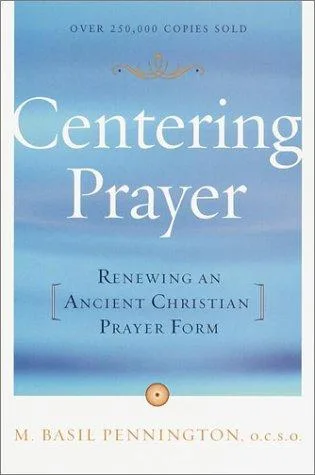
Pennington’s Centering Prayer offers a direct and accessible method for cultivating interior silence, a welcome antidote to the clamor of modern life. The strength of the book lies in its clear, systematic exposition of a practice that can otherwise seem abstract. Pennington’s insistence on the accessibility of this profound form of prayer, grounded in Christian tradition, is particularly valuable. However, the text occasionally leans towards a certain earnestness that might feel repetitive to those already familiar with contemplative disciplines. The section detailing the mechanics of the prayer, while necessary, could benefit from more varied illustrative examples beyond the standard descriptions. Ultimately, Centering Prayer provides a practical and theologically sound pathway for anyone seeking to deepen their spiritual life through quiet presence.
📝 Description
78
M. Basil Pennington's 1977 book introduced Centering Prayer to a wide audience.
Centering Prayer, by M. Basil Pennington, explains a method of contemplative prayer. The practice is not about emptying the mind but about consenting to God's presence. It uses a sacred word or phrase as an anchor when thoughts arise. Pennington presents this as a way for all Christians to seek deeper spiritual connection, drawing on historical Christian contemplative traditions. This book serves as a practical guide for those interested in interior prayer.
The text is for individuals, especially Christians, wanting a more direct experience of the divine. It suits those who feel traditional prayers are not enough or who are drawn to silent contemplation. Both beginners and experienced practitioners of contemplative prayer will find value. Those interested in the history of Christian mysticism will also benefit from Pennington's explanations.
Centering Prayer, as detailed by Pennington, is rooted in the Christian contemplative tradition. It connects to earlier mystical writings, like *The Cloud of Unknowing*, which also described a form of direct, unmediated experience of God. This practice was revived in the late 20th century, aiming to make ancient contemplative methods accessible to contemporary laypeople within a Christian framework, distinct from secular mindfulness approaches.
💡 Why Read This Book?
• Learn the specific method of Centering Prayer, including the use of a sacred word, as detailed in the early chapters, to cultivate a more direct experience of divine presence. • Understand the theological grounding of Centering Prayer within the Christian mystical tradition, differentiating it from other contemplative practices, as explained by Pennington's historical context. • Gain practical guidance on the daily practice and potential challenges, enabling you to integrate this form of interior prayer into your spiritual life effectively.
⭐ Reader Reviews
Honest opinions from readers who have explored this book.
❓ Frequently Asked Questions
What is the origin of Centering Prayer as described by M. Basil Pennington?
Centering Prayer, as presented by M. Basil Pennington, draws heavily from the contemplative traditions of the Christian mystics, notably the anonymous 14th-century text *The Cloud of Unknowing*.
How does Centering Prayer differ from simple meditation?
Centering Prayer is distinct in its focus on consenting to God's presence within, rather than solely on mental concentration or mindfulness techniques.
Is Centering Prayer only for Trappist monks?
No, M. Basil Pennington explicitly intended Centering Prayer to be an accessible practice for laypeople and Christians from all walks of life seeking deeper prayer.
What is the role of the 'sacred word' in Centering Prayer?
The sacred word, as outlined in the book, serves as a gentle anchor to return to when the mind wanders, facilitating a return to the prayer of intention.
When was M. Basil Pennington's Centering Prayer first published?
The foundational work on Centering Prayer by M. Basil Pennington was first published in 2001, though the practice itself has much older roots.
Can Centering Prayer help with stress reduction?
While its primary aim is spiritual connection, the practice's emphasis on interior silence and presence can lead to a sense of peace and reduced anxiety.
🔮 Key Themes & Symbolism
The Divine Indwelling
A core concept is the belief in God's constant, intimate presence within the human person. Pennington emphasizes that Centering Prayer is about consenting to this ever-present reality, rather than striving to achieve a spiritual state. This theme draws from ancient Christian mysticism, particularly the idea of the 'prayer of the heart' and the indwelling Spirit, positioning the practice as a return to a fundamental truth of Christian theology. It suggests that the divine is not external or distant, but intimately accessible within the core of one's being.
The Sacred Word
The use of a sacred word or short phrase is a practical element of Centering Prayer. This element is not for intellectual focus but acts as a gentle reminder of one's intention to rest in God's presence. When the mind drifts into thoughts, the sacred word serves as a soft signal to return to the prayer of intention. This technique is designed to move beyond discursive thought and foster a more receptive state, allowing the individual to rest in the felt sense of divine presence without active mental effort.
Receptivity and Passivity
Pennington stresses that Centering Prayer is a prayer of letting go and allowing God to act. It involves a conscious effort to withdraw from active thinking and striving, embracing a posture of receptivity. This 'spiritual letting go' is crucial; it’s about being present to what is already given rather than trying to force a spiritual experience. This aligns with mystical traditions that speak of the 'dark night of the soul' or the passive phase of contemplation where divine action takes precedence over human effort.
Roots in Christian Tradition
The book firmly anchors Centering Prayer within the historical lineage of Christian contemplative prayer. It references figures and texts from centuries past, such as the author of *The Cloud of Unknowing*, to demonstrate that this method is not a novel invention but a revival of ancient wisdom. This grounding provides theological depth and distinguishes Centering Prayer from purely psychological or secular mindfulness techniques, emphasizing its sacramental and Trinitarian context.
💬 Memorable Quotes
Direct passages from the work, attributed to the author.
“The prayer of Centering is a prayer of intention.”
— This highlights that the practice is not about achieving a specific state of bliss or a blank mind, but about the conscious, underlying intention to be present with God.
“God is present within us.”
— This fundamental affirmation underscores the core belief that the divine is not external but intimately indwelling, making interior prayer a return to an already existing reality.
“We let go of thoughts.”
— This concisely describes the active yet passive element of the prayer: acknowledging thoughts without engagement and gently returning to the prayer of intention.
“It is a prayer of faith.”
— This emphasizes that the practice relies on believing in God's presence and action, even when it is not felt or consciously perceived by the mind.
“Consent to the indwelling presence.”
— This captures the essence of the practice: a willing surrender and openness to the divine life already active within the individual soul.
🌙 Esoteric Significance
Tradition
Centering Prayer, as presented by M. Basil Pennington, is deeply rooted in the Christian mystical tradition, a lineage often considered esoteric due to its emphasis on direct, unmediated experience of the divine. It aligns with Gnostic concepts of inner knowledge and the indwelling Christ, and shares with Hermeticism the idea of 'as above, so below' applied to the microcosm of the human soul containing the divine. While not strictly Kabbalistic or Theosophical, it participates in the broader Western esoteric current of seeking direct spiritual apprehension through interior discipline.
Symbolism
The primary 'symbol' in Centering Prayer is the sacred word, which functions not as an image but as a point of return to intention. The silence itself becomes a symbolic space, representing the unmanifest divine presence within. The act of 'letting go' symbolizes a shedding of the ego and discursive mind, preparing the vessel for divine action. The entire practice can be seen as symbolizing the soul's journey from the noisy periphery of the mind to the silent center where God resides.
Modern Relevance
Contemporary practitioners of mindfulness, secular meditation, and even individuals exploring non-denominational spirituality often find resonance with the practical aspects of Centering Prayer, particularly its emphasis on quietude and presence. While Pennington's work is explicitly Christian, its core principles of interiority and surrender appeal to a wider audience seeking respite from external distractions. Thinkers and practitioners in the fields of depth psychology and consciousness studies may also engage with its methods for cultivating inner awareness.
👥 Who Should Read This Book
• Christians seeking to deepen their prayer life beyond vocal or discursive prayer, offering a structured method for experiencing God's presence. • Individuals interested in the historical contemplative traditions of Christianity, providing a practical application of ancient mystical insights. • Those exploring silent prayer or meditation techniques who wish to understand a historically Christian approach to interior stillness and divine connection.
📜 Historical Context
M. Basil Pennington's work on Centering Prayer emerged in the latter half of the 20th century, a period marked by a resurgence of interest in contemplative practices across various religious traditions. This revival occurred within a broader cultural landscape that saw a growing, albeit often superficial, engagement with Eastern meditation techniques and a search for inner peace. Pennington, along with fellow Trappist monks Thomas Keating and William Menninger, sought to articulate a distinctly Christian path to contemplative prayer that was accessible to laypeople. Their efforts aimed to reconnect contemporary Christians with the rich heritage of Christian mysticism, drawing inspiration from figures like the anonymous author of *The Cloud of Unknowing* (circa 1370). While other contemplative schools existed, the emphasis on a structured, accessible method for the laity, grounded in specific theological principles, set Centering Prayer apart. Its reception was largely positive within Christian circles, though it also sparked discussions about its relationship to other contemplative disciplines and its theological underpinnings.
📔 Journal Prompts
The prayer of intention: How does your chosen sacred word function as a gentle anchor?
Reflect on moments of passive receptivity in your daily life. How do they connect to the practice of Centering Prayer?
Consider the concept of the divine indwelling. What does it mean to consent to this presence?
Describe a time you actively withdrew from discursive thought during prayer or meditation.
How does the practice of Centering Prayer, as described by Pennington, differ from other forms of meditation you have encountered?
🗂️ Glossary
Centering Prayer
A formal prayer practice rooted in the Christian contemplative tradition, designed to foster a deeper relationship with God through silence and receptivity.
Sacred Word
A single word or short phrase chosen by the practitioner, used as a gentle anchor to return to the prayer of intention when the mind wanders.
Prayer of Intention
The fundamental orientation of Centering Prayer, which is the underlying desire and consent to rest in God's presence.
Divine Indwelling
The theological concept that God resides within the human person, a core tenet that Centering Prayer seeks to make experientially real.
Receptivity
An attitude of openness and willingness to receive God's action and presence, rather than actively striving or concentrating.
Consenting
The act of agreeing to and cooperating with the presence and action of God within, a key element of the Centering Prayer method.
Discursive Thought
The ordinary process of thinking, reasoning, and reflecting, which Centering Prayer aims to gently move beyond during the practice.
🔮 Readers Also Liked
Browse all →








More by M. Basil Pennington
All books →





More Free Occult Philosophy Books
View all →