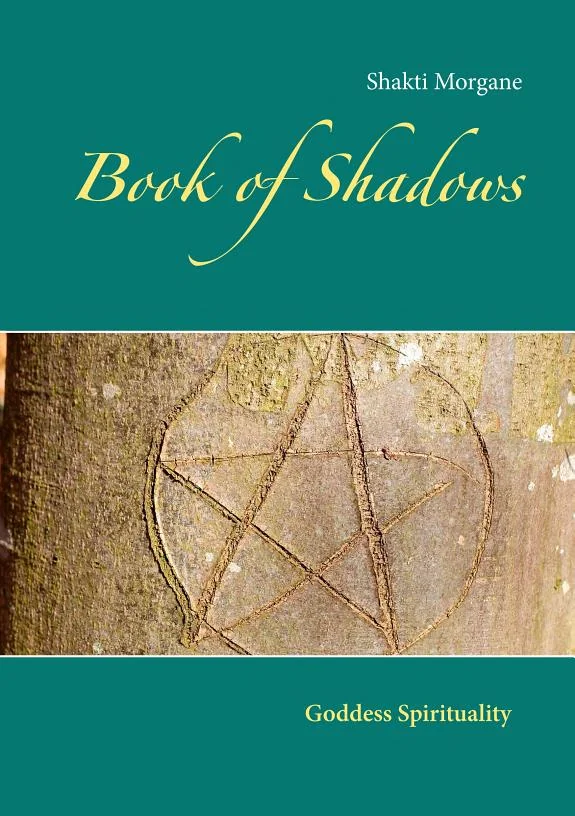
Book of Shadows
 73
73

Book of Shadows
Shakti Morgane's "Book of Shadows" arrives with the popular understanding of witchery, often simplified by media portrayals. The text attempts to ground these practices in a reconnection with natural spiritual forces, a noble intention. Its strength lies in its direct address to the reader, encouraging personal exploration. However, the book occasionally falters by assuming a universal receptiveness to its premise, particularly in its assertion that modern people "do not want to know" about these forces. A more nuanced exploration of societal skepticism or alternative viewpoints would have enhanced its scholarly weight. The section detailing the "spiritual power of their own nature" offers a compelling, albeit brief, insight into the author's core philosophy. Ultimately, "Book of Shadows" serves as a functional primer for those already inclined towards its subject matter.
📝 Description
73
Shakti Morgane's Book of Shadows offers a modern approach to witchcraft and shamanism.
This book functions as a contemporary grimoire, detailing witchcraft and shamanistic practices. Morgane suggests that these ancient disciplines require individuals to rediscover innate spiritual forces often overlooked today. The text guides aspiring practitioners in reconnecting with these natural energies. It serves as a personal record of spells, charts, and recipes pertinent to the witch's craft.
Individuals seeking to understand or engage with witchcraft, sorcery, and shamanism will find this work useful. It is especially suited for those who feel disconnected from their spiritual selves and want to explore ways to reclaim that connection. The book addresses readers who believe in the power of natural spiritual forces and are ready for a personal journey of rediscovery.
Morgane's work draws on the long tradition of personal magical journals, often called Books of Shadows. These grimoires have been central to various occult traditions for centuries, containing rituals, incantations, and personal observations. While the term gained popular recognition from the television series 'Charmed', its historical roots lie in centuries of accumulated magical knowledge and practice passed down through generations.
💡 Why Read This Book?
• Gain practical guidance on rediscovering your innate spiritual connection, a core tenet explored in the book's "spiritual forces of nature" concept. • Understand the historical lineage of personal magical journals, like the "Book of Shadows," which have been integral to occult traditions for centuries. • Learn about the foundational practices of witchcraft and shamanism as presented by Shakti Morgane, including spells, charts, and recipes crucial for aspiring practitioners.
⭐ Reader Reviews
Honest opinions from readers who have explored this book.
❓ Frequently Asked Questions
What is the primary purpose of a Book of Shadows according to Shakti Morgane?
Shakti Morgane describes a "Book of Shadows" as a witch's personal diary, containing spells, charts, and recipes. Its primary purpose is to document and guide the practice of witchcraft, emphasizing the rediscovery of spiritual forces inherent in nature.
When was Shakti Morgane's Book of Shadows first published?
Shakti Morgane's "Book of Shadows" was first published on May 25, 2021. This publication date places it within contemporary discussions on esoteric practices.
What does the book mean by 'spiritual forces of nature'?
The "spiritual forces of nature" refers to the inherent energies and powers within the natural world and within individuals themselves, which the book suggests have been neglected by modern society. Reconnecting with these forces is central to the practices discussed.
Is this book suitable for someone new to witchcraft?
Yes, the book is designed for individuals interested in becoming witches, sorcerers, or shamans. It aims to guide them in rediscovering their own spiritual nature and understanding the foundational elements of these paths.
How does this book relate to the TV series 'Charmed'?
The book acknowledges that the popular understanding of a "Book of Shadows" was significantly influenced by the TV series 'Charmed'. However, Morgane's work grounds the concept in historical occult traditions and personal spiritual practice, moving beyond fictional representations.
What kind of content can I expect in terms of spells and recipes?
The "Book of Shadows" includes spells, charts, and recipes that are presented as essential components of a witch's practice. These are intended to facilitate the rediscovery and application of natural spiritual forces.
🔮 Key Themes & Symbolism
Rediscovering Innate Power
This theme centers on the idea that individuals possess inherent spiritual energies, often dormant due to modern detachment from nature. Morgane's "Book of Shadows" posits that witchcraft and shamanism are paths to reawakening these forces. The work guides readers through a process of introspection and connection with the natural world, suggesting that this rediscovery is the first step for anyone aspiring to these practices. It’s about recognizing and reclaiming a primal connection that modern life often obscures, fostering a sense of agency and spiritual vitality.
Spiritual Forces of Nature
The text identifies "spiritual forces of nature" as the fundamental wellspring of power for witches, sorcerers, and shamans. It contrasts this with modern skepticism, urging a renewed appreciation for these energies. These forces are not merely external phenomena but are intrinsically linked to one's own being. The "Book of Shadows" serves as a manual for understanding and interacting with these energies, whether through specific spells, charting celestial influences, or preparing potent recipes, thereby integrating the practitioner with the wider cosmic order.
The Witch's Diary
Framed as a personal "witch's diary," the "Book of Shadows" emphasizes the subjective and experiential nature of magical practice. It is not merely a collection of detached instructions but a record of personal discovery, experimentation, and accumulated wisdom. This format encourages the reader to maintain their own "Book of Shadows," documenting their journey, insights, and the results of their workings. The emphasis is on building a personal relationship with the craft, making the practice unique to each individual.
Pathways to Practice
Morgane outlines specific pathways for those wishing to become witches, sorcerers, or shamans. The book serves as an introductory guide, detailing the necessary mindset and practical elements required. It addresses the initial steps of reconnecting with one's spiritual nature and then moving towards the application of spells, charts, and recipes. This theme focuses on providing a structured, albeit personal, approach to engaging with these ancient disciplines, making them accessible to contemporary seekers.
💬 Memorable Quotes
Direct passages from the work, attributed to the author.
“The spiritual power of their own nature is what modern people nowadays do not want to know anything about.”
— This statement highlights a perceived disconnect in contemporary society from natural, innate spiritual energies. It suggests that a fundamental aspect of practicing witchcraft or shamanism involves overcoming this modern aversion and actively seeking to understand and reconnect with these inherent powers.
“A Book of Shadows usually contains a lot of spells, charts and recipes and is considered a witch's diary.”
— This defines the core components and function of a grimoire in witchcraft. It emphasizes its role as a practical tool for magical work, encompassing detailed instructions and personal records, serving as a vital repository of knowledge for the practitioner.
“If someone wants to become a witch, sorcerer or shaman, they must first rediscover the spiritual power of their own nature.”
— This asserts that the foundational requirement for engaging in these spiritual paths is an internal journey of self-discovery. It prioritizes reconnecting with one's own inherent spiritual potential over external doctrines or rituals, positioning it as the essential prerequisite.
“Witches, sorcerers and shamans refer to the spiritual forces of nature.”
— This identifies the source of power and influence for practitioners of these disciplines. It anchors their practices in the tangible, observable world, suggesting that true magic stems from understanding and working with the fundamental energies that permeate the natural environment.
“Losing attachment to the mundane is necessary to rediscover spiritual power.”
— This interpretation suggests that a detachment from purely material concerns and everyday distractions is crucial for accessing deeper spiritual energies. It implies that such a shift in focus allows one to perceive and engage with the subtler forces the book discusses.
🌙 Esoteric Significance
Tradition
This work aligns with contemporary Western Esotericism, particularly drawing from neo-pagan and witchcraft traditions that emphasize immanent divinity and nature-based spirituality. While not explicitly tied to a single lineage like Hermeticism or Kabbalah, it reflects the practical, experiential focus found in many modern magical systems. It departs from more ceremonial or rigidly structured traditions by prioritizing personal rediscovery and connection to one's own nature, framing these as the primary conduits for spiritual power.
Symbolism
The "Book of Shadows" itself is a potent symbol, representing personal knowledge, accumulated wisdom, and the sacred contract between the practitioner and the spiritual forces they engage with. Beyond the book, the work likely engages with symbols of nature – such as trees, herbs, celestial bodies (sun, moon, stars), and elemental forces (earth, air, fire, water) – which are foundational in many shamanic and witchcraft practices, signifying the interconnectedness of the microcosm (the individual) and the macrocosm (the universe).
Modern Relevance
Contemporary practitioners of witchcraft, neo-paganism, and eclectic magical paths find resonance in Morgane's approach. Thinkers and groups focusing on ecospirituality, nature-based practices, and the reclaiming of indigenous or folk magical traditions often draw upon concepts similar to those presented here. The emphasis on personal spiritual power and direct engagement with natural forces makes the work relevant to modern individuals seeking alternatives to organized religion or purely secular worldviews.
👥 Who Should Read This Book
• Aspiring witches, sorcerers, or shamans seeking a foundational understanding of personal spiritual practice. • Individuals interested in reconnecting with nature-based spirituality and exploring their innate spiritual energies. • Readers curious about the historical and practical aspects of a "Book of Shadows" beyond popular media depictions.
📜 Historical Context
Shakti Morgane's "Book of Shadows," published in 2021, emerges in an era where interest in witchcraft and neo-paganism has seen a significant resurgence, partly fueled by online communities and a growing dissatisfaction with conventional spirituality. The popularization of the "Book of Shadows" concept itself was significantly amplified by the WB television series 'Charmed,' which debuted in 1998 and ran for eight seasons. While the show brought the idea of a witch's grimoire into mainstream consciousness, Morgane's work aims to connect this popularized notion with older, more established esoteric traditions. Historically, personal magical journals have existed for centuries, from the medieval grimoires like the "Grimorium Verum" to the writings of figures such as Eliphas Lévi in the 19th century. Morgane's book contributes to a contemporary wave of authors seeking to clarify and codify these practices, often in dialogue with—or as a reaction against—earlier occult revivals like the Hermetic Order of the Golden Dawn or Theosophy.
📔 Journal Prompts
Reflect on the "spiritual forces of nature" as they manifest in your immediate environment.
Document a personal ritual or practice that helped you "rediscover the spiritual power of your own nature."
Analyze the components of a traditional "Book of Shadows" (spells, charts, recipes) and how they might apply to your path.
Consider the concept of the "witch's diary" and how you might begin to record your own spiritual journey.
Explore the idea of losing attachment to the mundane to better perceive spiritual energies.
🗂️ Glossary
Book of Shadows
A personal journal or grimoire used by witches and other practitioners to record spells, rituals, charts, recipes, and personal magical observations. It serves as a repository of knowledge and a record of magical practice.
Spiritual Forces of Nature
The inherent energies, powers, and intelligences believed to exist within the natural world and within individuals themselves, which are central to practices like witchcraft and shamanism.
Rediscovery
In the context of the book, this refers to the process of reawakening and reconnecting with one's innate spiritual power and connection to the natural world, which may have been dormant or neglected.
Witch
An individual who practices witchcraft, typically involving the use of spells, rituals, and the manipulation of natural spiritual forces for personal or communal benefit.
Sorcerer
A practitioner of sorcery, often associated with the use of magical arts and invocation of spirits or powers, sometimes distinguished from witchcraft by specific traditions or methods.
Shaman
A spiritual healer or intermediary in tribal societies who is believed to have the ability to communicate with the spirit world and influence events through rituals and spiritual journeys.
Witch's Diary
An alternative term for a "Book of Shadows," emphasizing its personal nature and its role in documenting the practitioner's evolving magical experiences and knowledge.
This book appears in 1 collection
🔮 Readers Also Liked
Browse all →








From the “Book of Shadows” Collection
View all →





More Free Occult Philosophy Books
View all →