Beltane
 74
74

Beltane
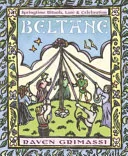
Raven Grimassi's "Beltane" offers a grounded approach to a festival often romanticized. Instead of abstract discussions, Grimassi provides tangible methods for engaging with May Day. The strength lies in its practical appendices: crafts, recipes, and spells. For instance, the section on preparing a Beltane feast offers specific ingredients and symbolic preparations that feel authentic. A limitation, however, is the book's brevity; while packed with information, some historical connections could benefit from deeper exposition. The work explores the origins of May Day festivals, but a reader might wish for more extensive comparative analysis with similar European spring rites. Nevertheless, Grimassi delivers a functional guide for practitioners. It is a useful, hands-on manual for those seeking to celebrate Beltane with intention.
📝 Description
74
Raven Grimassi's 2001 book, Beltane, approaches the May Day festival as a source of living practice.
Beltane by Raven Grimassi, published in 2001, moves beyond simple historical description to present the May Day festival as a practical, living tradition. The book details tangible ways for readers to engage with the themes and energies of this ancient pagan observance. It offers a resource for understanding the historical roots of May Day celebrations and applying that knowledge through hands-on activities and ritual preparations.
This work is for individuals interested in historical paganism, folk traditions, and seasonal celebrations. It specifically appeals to those who wish to actively participate in Beltane rather than view it only from an academic perspective. Readers seeking to integrate nature-based spirituality into their lives, craftspeople interested in historical arts, and those drawn to the themes of fertility, growth, and prosperity will find particular value in its contents.
Grimassi situates Beltane within the lineage of European pagan festivals that mark the transition to summer. The book acknowledges May Day observances that predate Christianity, connecting them to agrarian societies that honored the fertility of the land. It draws upon this historical background to link modern practices with ancient customs honoring nature's cycles and the season's burgeoning life.
💡 Why Read This Book?
• Learn specific Beltane craft projects, such as creating traditional May Day garlands or decorating a personal altar, directly inspired by the book's "arts and crafts projects" section. • Discover authentic recipes for a celebratory Beltane meal, including the symbolic preparation of dishes mentioned in the text, allowing for a taste of ancient spring feasting. • Engage with practical spells focused on growth and gain, directly referencing the "several spells related to the May themes" presented for seasonal manifestation.
⭐ Reader Reviews
Honest opinions from readers who have explored this book.
❓ Frequently Asked Questions
What is the historical origin of Beltane as discussed by Raven Grimassi?
Raven Grimassi's "Beltane" traces the festival's origins to ancient pagan observances tied to the transition into summer and the fertility of the land, predating Christian influence and connected to agrarian cycles.
Does the book "Beltane" by Raven Grimassi offer practical applications?
Yes, "Beltane" provides practical applications including arts and crafts projects, recipes for celebratory meals, and spells specifically designed around the themes of growth and gain associated with May Day.
What kind of spells are included in Grimassi's "Beltane"?
The spells in "Beltane" are focused on the themes of growth and gain, aligning with the natural energies and intentions prevalent during the May Day festival, encouraging prosperity and development.
Who would benefit most from reading Raven Grimassi's "Beltane"?
Individuals interested in historical paganism, folk traditions, seasonal celebrations, nature-based spirituality, and those seeking practical ways to engage with Beltane will find this book particularly beneficial.
When was Raven Grimassi's book "Beltane" first published?
Raven Grimassi's "Beltane" was first published in 2001, making it a relatively modern exploration of an ancient festival.
What symbolic themes are explored in "Beltane"?
The book explores symbolic themes of fertility, growth, gain, and the liminal nature of the festival as a threshold between seasons, often represented by natural imagery and May Day traditions.
🔮 Key Themes & Symbolism
Seasonal Transition and Liminality
The work emphasizes Beltane as a potent liminal period, a threshold marking the transition from spring's growth to summer's full bloom. This concept positions the festival not merely as a date on the calendar but as a time of heightened spiritual energy and possibility. Grimassi explores how ancient cultures recognized this shift and developed rituals to honor it, creating a bridge between the mundane and the magical worlds during this specific time of year.
Fertility and Abundance
Central to Beltane is the theme of fertility, reflecting the natural world's explosion of life. The book connects this to the concept of gain, encompassing not just agricultural prosperity but also personal and spiritual abundance. It examines how traditions like the Maypole and floral decorations symbolize this generative power, offering readers ways to invoke these energies through celebratory practices and focused intent.
Folk Magic and Ritual Practice
Grimassi's "Beltane" moves beyond historical description to offer practical applications of folk magic. It presents tangible elements such as specific spells, recipes for feasting, and arts and crafts projects designed to align participants with the festival's energies. This focus on doing empowers readers to actively participate in the spirit of Beltane, fostering a connection to ancient traditions through hands-on engagement.
Historical Roots of May Day
The book examines the origins of May Day festivals, tracing their lineage back to ancient pagan European observances. It seeks to uncover the foundational beliefs and practices that have evolved into modern interpretations of the festival. By examining these historical roots, "Beltane" provides context for understanding the enduring significance of this seasonal celebration.
💬 Memorable Quotes
Direct passages from the work, attributed to the author.
“The origins of May Day festivals.”
— This phrase highlights the book's foundational purpose: to trace the historical development and underlying beliefs of May Day celebrations across different cultures and eras.
“Arts and crafts projects for celebratory meals.”
— This points to the practical, hands-on nature of the book, offering readers concrete activities and culinary traditions to engage with the Beltane festival.
“Several spells related to the May themes of growth and gain.”
— This indicates the inclusion of ritualistic elements designed to harness the specific energies of Beltane, focusing on personal and material development.
“The ancient pagan festival of May Day.”
— This anchors the book's subject matter firmly within its historical and spiritual context, emphasizing its roots in pre-Christian European traditions.
“Celebratory meals for the May themes.”
— This refers to the culinary aspects of the book, suggesting that food preparation is presented as a ritualistic act integral to honoring the spirit of Beltane.
🌙 Esoteric Significance
Tradition
Grimassi's work aligns with the broader Western Esoteric tradition, particularly its branches focused on folk magic, witchcraft, and nature-based spirituality. It draws implicitly from lineages that honor seasonal cycles and the immanent divinity within nature, often associated with Wiccan and traditional witchcraft practices. While not explicitly tied to Hermeticism or Kabbalah, it shares a foundational belief in sympathetic magic and the power of ritual to influence the manifest world, echoing older European magical systems.
Symbolism
The book engages with potent symbols of Beltane, such as the Maypole, which represents the axis mundi and the union of masculine and feminine energies vital for fertility. Floral decorations symbolize the burgeoning life and beauty of the season, while bonfires, historically part of Beltane, represent purification and the potent solar energies of late spring. These symbols are presented not just as decorative but as focal points for magical intent related to growth and prosperity.
Modern Relevance
Contemporary practitioners of various witchcraft traditions, particularly those focused on seasonal celebrations and folk magic, continue to draw on Grimassi's work. Modern Pagan and Neopagan communities often reference "Beltane" for its accessible blend of historical context and practical ritual advice. Thinkers and groups focused on ecological spirituality and earth-centered practices find value in its emphasis on reconnecting with natural cycles and seasonal rhythms.
👥 Who Should Read This Book
• Individuals seeking to actively celebrate Beltane beyond theoretical study, particularly those interested in historical reconstruction and folk practices. • Aspiring practitioners of witchcraft or nature-based spirituality looking for concrete rituals, spells, and recipes tied to a specific Sabbat. • Craftspeople and cooks interested in historical May Day traditions who wish to create authentic decorations and celebratory meals.
📜 Historical Context
Published in 2001, Raven Grimassi's "Beltane" emerged during a period of resurgent interest in Neopaganism and historical reconstructionism. The late 20th and early 21st centuries saw scholars and practitioners alike re-examining pre-Christian European traditions, often in dialogue with established anthropological works. Grimassi's approach, focusing on practical application, distinguished it from purely academic studies. While figures like Ronald Hutton were critically examining the historical continuity of pagan traditions in works like "The Pagan Religions of the British Isles" (1991), Grimassi offered a more direct, practitioner-focused exploration of a specific festival. The book's emphasis on tangible elements like spells and recipes positioned it within a growing body of literature aimed at reconstructing and revitalizing folk practices, offering a counterpoint to more theoretical or skeptical historical analyses.
📔 Journal Prompts
Beltane's association with growth and gain.
The symbolic meaning of the Maypole in ritual.
Personal reflections on liminal periods in your life.
The role of celebratory meals in spiritual practice.
Connecting with nature's cycles through seasonal festivals.
🗂️ Glossary
Beltane
An ancient Celtic festival celebrated on May 1st, marking the beginning of summer and traditionally involving bonfires and rituals honoring fertility and protection.
May Day
A public holiday celebrated on May 1st, often associated with spring festivals, floral decorations, and traditional Maypole dancing, with roots in ancient pagan observances.
Liminal Period
A transitional phase or state, often considered a time of heightened spiritual significance, between two distinct periods or states of being.
Pagan Festival
A celebration or observance rooted in pre-Christian, polytheistic, or nature-worshipping traditions, often tied to agricultural cycles and the seasons.
Growth and Gain
Themes central to Beltane, referring to the burgeoning life of spring and the aspiration for prosperity, abundance, and personal development.
Folk Magic
Magical practices and beliefs rooted in the traditions of common people within a specific culture or region, often passed down orally.
Axis Mundi
A concept representing the world's center, a connection point between the heavens, the earth, and the underworld, often symbolized by a pole or tree.
This book appears in 1 collection
🔮 Readers Also Liked
Browse all →








From the “Scrying” Collection
View all →







More Free Occult Philosophy Books
View all →