Awakening Kundalini
 81
81

Awakening Kundalini
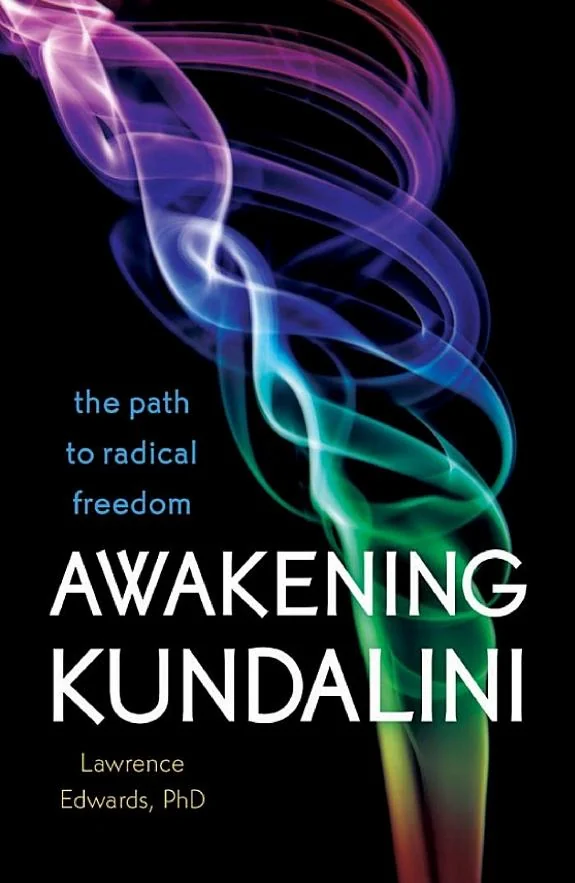
Lawrence Edwards’ "Awakening Kundalini" attempts to map the notoriously elusive territory of inner energy with an almost cartographical precision. The book’s strength lies in its systematic approach, dissecting the complex interplay of subtle physiology and psychological states associated with Kundalini’s ascent. Edwards doesn't shy away from detailing the mechanics, offering a rare, almost clinical perspective on phenomena often shrouded in metaphor. For instance, his discussion of the Sushumna Nadi as a conduit, and the Ida and Pingala balancing required for a stable ascent, provides a concrete framework. However, this analytical rigor can sometimes lead to a dryness that may not fully capture the ecstatic or terrifying dimensions of a true awakening. While the 2013 publication date suggests a modern take, some passages feel like they're iterating on established yogic frameworks without introducing truly novel conceptualizations. Nevertheless, for practitioners seeking a detailed, non-dogmatic guide to the energetic anatomy of spiritual emergence, it offers a valuable, albeit cerebral, resource.
📝 Description
81
Lawrence Edwards' 2013 book, Awakening Kundalini, analyzes the subtle energy body and its core activation.
Published in 2013, Awakening Kundalini by Lawrence Edwards focuses on the subtle energy body and the activation of Kundalini. Edwards dissects the mechanics and phenomena of this force, often likened to a coiled serpent at the base of the spine. He applies a systematic approach to demystify these esoteric concepts, aiming for a direct experience for contemporary readers. The book examines the physiological and psychological changes associated with Kundalini's ascent. This work is most suitable for committed practitioners of yoga, meditation, or contemplative practices who are already engaging with or curious about heightened internal energies. It caters to those desiring a more detailed, analytical framework for their inner experiences. Readers interested in consciousness mechanics, subtle anatomy, and transformation through energy work will find it valuable. It is not intended as an introductory guide for those new to spiritual exploration.
The exploration of Kundalini has deep roots in ancient Indian traditions, appearing in texts like the Upanishads and Tantras. Western engagement grew in the late 19th and early 20th centuries through figures like Helena Blavatsky. Later, authors like Gopi Krishna brought personal accounts of spontaneous awakenings. Edwards' 2013 work builds on this lineage, offering a modern perspective that seeks to connect classical teachings with contemporary physiological and psychological understanding, moving beyond purely allegorical interpretations.
💡 Why Read This Book?
• Understand the energetic mechanics of Kundalini: Learn about the Sushumna Nadi and the Ida/Pingala channels, and how their balance is crucial for a stable energy ascent, as detailed in the book's exploration of subtle anatomy. • Gain a structured perspective on spiritual phenomena: Benefit from Edwards' systematic breakdown of the stages and effects of Kundalini's rise, moving beyond vague descriptions to a more concrete, physiological understanding as presented in the 2013 edition. • Identify potential challenges and pathways: Discover insights into the physiological and psychological experiences accompanying energy activation, informed by classical yogic texts but framed for contemporary practitioners seeking practical guidance.
⭐ Reader Reviews
Honest opinions from readers who have explored this book.
❓ Frequently Asked Questions
What is Kundalini according to Lawrence Edwards' book?
Lawrence Edwards describes Kundalini as a potent, coiled energy at the base of the spine, central to subtle anatomy. Its awakening and ascent through the central channel, Sushumna Nadi, are key to spiritual development, influencing consciousness and physiology.
Is 'Awakening Kundalini' suitable for beginners?
The book is generally geared towards serious practitioners already exploring meditation or yoga. While it aims for clarity, its detailed analysis of subtle energy mechanics, chakras, and nadis might be dense for those entirely new to esoteric concepts.
When was Lawrence Edwards' 'Awakening Kundalini' first published?
Lawrence Edwards' 'Awakening Kundalini' was first published in 2013, positioning it as a contemporary exploration of ancient yogic principles.
What are the 'Shat Chakras' mentioned in the book?
The 'Shat Chakras' refer to the six primary energy centers within the subtle body, as detailed in "Awakening Kundalini." These chakras are crucial waystations for the Kundalini energy as it ascends towards the crown.
Does the book discuss the risks of awakening Kundalini?
Yes, Edwards' work addresses potential challenges and safeguards associated with Kundalini awakening. It emphasizes the importance of balance and preparedness to navigate the intense physiological and psychological shifts involved.
How does Edwards' approach compare to older Kundalini texts?
Edwards' 2013 publication offers a more analytical and systematic perspective, attempting to integrate classical yogic teachings with a framework understandable to a modern audience, focusing on the mechanics and observable effects.
🔮 Key Themes & Symbolism
Subtle Anatomy and Energetic Channels
Edwards meticulously details the body's energetic architecture, focusing on the primary channels (Nadis) through which Kundalini flows. The central Sushumna Nadi is presented as the main conduit, with Ida and Pingala flanking it, governing the balance of masculine/feminine, solar/lunar energies. Understanding these pathways is crucial, as the book argues, for a controlled and beneficial ascent of Kundalini, preventing potential imbalances or blockages that could lead to difficult experiences.
The Chakra System as Energy Transformers
The book elucidates the role of the chakras, particularly the six primary 'Shat Chakras,' as vortexes of spiritual energy. Each chakra is depicted not merely as a point of consciousness but as a functional center that processes and transforms the ascending Kundalini energy. Edwards explores the specific qualities and potential transformations associated with the Kundalini's passage through each chakra, culminating in its union with the Sahasrara Chakra at the crown.
Phenomenology of Kundalini's Rise
Rather than relying solely on allegory, Edwards attempts to describe the observable physiological and psychological phenomena associated with Kundalini's activation. This includes spontaneous movements (kriyas), altered states of consciousness, sensory perceptions, and emotional surges. The work provides a framework for interpreting these often bewildering experiences, linking them to the energetic shifts occurring within the practitioner's system.
Integration and Spiritual Liberation
The ultimate aim discussed is the integration of Kundalini energy with higher consciousness, leading to spiritual liberation or enlightenment. Edwards posits that the controlled ascent and absorption of this energy at the Sahasrara Chakra results in a profound transformation of being, unifying the individual consciousness with the universal. The book frames this as a natural potential within the human energetic system.
💬 Memorable Quotes
Direct passages from the work, attributed to the author.
“The Sushumna Nadi is the central channel through which Kundalini ascends.”
— This highlights a core concept in yogic physiology, emphasizing the central energetic pathway required for the transformative journey of Kundalini energy from the base of the spine upwards.
“The awakening of Kundalini affects both the physiological and psychological realms.”
— This points to the holistic nature of the Kundalini experience, suggesting that its activation is not purely spiritual but involves tangible changes in the body and mind.
“The Shat Chakras serve as crucial centers for the energy's transformation.”
— This interpretation emphasizes the functional role of the chakras as energetic transformers, vital for processing the immense power of Kundalini as it moves through the subtle body.
“Balance between Ida and Pingala is essential for a stable ascent.”
— This highlights the principle of energetic polarity in yogic traditions, underscoring that harmonious integration of opposing forces is necessary for managing the powerful Kundalini force.
“The goal of Kundalini's rise is union at the Sahasrara Chakra.”
— This frames the ultimate objective of Kundalini work as achieving a state of higher consciousness and spiritual realization through the activation of the crown chakra.
🌙 Esoteric Significance
Tradition
This work sits within the broad lineage of Indian Yogic and Tantric traditions, particularly those focused on Kundalini Yoga and subtle body anatomy. It departs from purely devotional or ritualistic approaches by emphasizing a systematic, almost quasi-scientific analysis of the energetic mechanics. While drawing heavily on classical concepts like chakras and nadis, Edwards frames them within a modern context, aiming for a more accessible and less dogmatic understanding for contemporary practitioners.
Symbolism
Key symbols include the coiled serpent, representing the dormant potential of Kundalini energy at the base of the spine. The Sushumna Nadi, the central channel, symbolizes the axis of spiritual transformation, while the Ida and Pingala nadis represent the balancing of polar forces (feminine/masculine, lunar/solar). The chakras are depicted as lotus-like energy centers, each with a specific number of petals and associated qualities, marking stages of the energy's ascent.
Modern Relevance
Contemporary yoga instructors, meditation teachers, and somatic therapists increasingly reference the energetic and psycho-physical effects described by Edwards. His systematic approach provides a language and framework for understanding experiences that practitioners might encounter in advanced practice, resonating with modern interests in consciousness studies and the mind-body connection within holistic wellness movements.
👥 Who Should Read This Book
• Advanced Yoga and Meditation Practitioners: Those who have experienced intense internal energy phenomena or are seeking a deeper, systematic understanding of Kundalini's mechanics beyond basic teachings. • Students of Esoteric Anatomy: Individuals interested in exploring the subtle body, energy channels (nadis), and energy centers (chakras) from a detailed, analytical perspective. • Comparative Mysticism Scholars: Researchers interested in how classical Indian esoteric concepts are interpreted and presented within contemporary Western esoteric literature.
📜 Historical Context
Lawrence Edwards' "Awakening Kundalini" (2013) enters a long tradition of exploring this potent energy, a concept deeply rooted in ancient Indian Tantric and Yogic texts like the Upanishads. By the late 19th century, Theosophical writers such as Helena Blavatsky began translating and reinterpreting these Eastern concepts for a Western esoteric audience, often blending them with Hermeticism. The mid-20th century saw a surge of interest fueled by personal accounts, notably Gopi Krishna's widely read "Kundalini" (1967), which brought the phenomenon into more public, albeit often sensationalized, discourse. Edwards' work, published decades later, engages with this legacy by offering a more systematic, almost scientific, analysis of Kundalini’s mechanics, chakras, and nadis. It positions itself as a bridge between classical esoteric teachings and contemporary understanding of subtle energy, seeking to clarify the process beyond purely devotional or allegorical interpretations that characterized some earlier Western exegeses.
📔 Journal Prompts
The Sushumna Nadi's role in Kundalini's ascent.
Interpreting the physiological effects of energy activation.
Personal experiences with the Shat Chakras.
Balancing Ida and Pingala energies in daily life.
The symbolism of the coiled serpent in your own journey.
🗂️ Glossary
Kundalini
A primordial cosmic energy, often symbolized as a coiled serpent, believed to reside at the base of the spine. Its awakening and ascent are central to yogic and Tantric paths of spiritual realization.
Sushumna Nadi
The central energetic channel in the subtle body, running along the spinal column. It is considered the primary pathway for the Kundalini energy to ascend towards the higher centers.
Ida and Pingala
Two complementary energetic channels that twine around the Sushumna Nadi. Ida is associated with the lunar, feminine, and parasympathetic nervous system, while Pingala is linked to the solar, masculine, and sympathetic nervous system.
Chakras
Subtle energy centers located along the spine and head. They are seen as vortexes of consciousness and vital force that transform and distribute energy throughout the body.
Shat Chakras
Literally 'six chakras,' referring to the primary energy centers from the base of the spine to the brow, excluding the highest Sahasrara Chakra in some classifications, or including it as the seventh in others.
Sahasrara Chakra
The 'thousand-petaled lotus' at the crown of the head, representing the highest state of consciousness, spiritual union, and enlightenment when Kundalini energy reaches this center.
Nadi
An energetic channel or pathway within the subtle body through which vital life force (prana) flows. There are said to be thousands of nadis, with Sushumna, Ida, and Pingala being the most important.
🔮 Readers Also Liked
Browse all →








More by Lawrence Edwards
All books →
More Free Occult Philosophy Books
View all →