Augury
 83
83

Augury
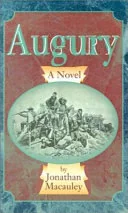
Jonathan MaCauley’s Augury offers a compelling, if sometimes uneven, portrayal of a pivotal era in American history. The novel succeeds in its ambitious scope, presenting a "clash of peoples" not just as a historical event but as a crucible for individual character. MaCauley’s depiction of a young man’s "rite of passage" is particularly strong, showcasing the weight of friendship and the often-unforeseen consequences of one's actions. The narrative’s power stems from its ability to dramatize the "triumph of the human spirit" against immense historical forces. However, the book occasionally falters in balancing its grand historical sweep with the intimate character arcs. The "redemptive and terrible ways" in which lives are changed, while central to the plot, can sometimes feel less organically developed than the broader historical setting. Despite this, Augury remains a significant exploration of honor and obligation during a tumultuous period. It is a solid piece of historical fiction that engages with significant moral questions.
📝 Description
83
Jonathan MaCauley's 2001 novel, Augury, grounds a young man's coming of age in the brutal realities of westward expansion.
Augury, published in 2001, centers on a young man during America's westward expansion. The narrative details the human cost of territorial growth and cultural clashes, framing these events through the protagonist's personal drama. It examines themes of heroism, honor, and the resilience of the human spirit as the character undergoes a transformative experience.
The story unfolds during the mid-to-late 19th century, a period of intense societal change, displacement, and the establishment of new settlements. MaCauley uses this historical backdrop to explore the complex interactions between settlers and indigenous populations. The novel addresses the consequences of conflict and the strength found in loyalty, intertwining grand historical shifts with individual struggles.
At its heart, the book examines the concept of a rite of passage for its protagonist. It confronts the 'clash of peoples' and the moral toll exacted on everyone involved. The narrative suggests that historical events and personal decisions carry significant weight, leading to both hardship and potential spiritual renewal.
While not overtly occult, Augury engages with themes resonant in esoteric traditions concerning fate and consequence. The 'redemptive' and 'terrible ways' of historical events and personal choices touch upon concepts of karma and the spiritual repercussions of actions. The protagonist's journey can be seen as a form of initiation, a common motif in esoteric lore where individuals confront external chaos to achieve inner transformation. The novel's focus on the clash between differing worldviews also echoes esoteric discussions on the interplay of opposing forces.
💡 Why Read This Book?
• Understand the personal impact of the "winning of the West" through the protagonist’s "rite of passage," offering a unique perspective on this historical period. • Explore the complex dynamics of "friendship" and "obligation" as they are tested by dramatic historical events, providing insight into human relationships under pressure. • Witness how individual choices during a "clash of peoples" lead to "mysterious, redemptive, and terrible ways," illustrating the far-reaching consequences of historical conflict.
⭐ Reader Reviews
Honest opinions from readers who have explored this book.
❓ Frequently Asked Questions
When was Augury first published and what is its primary historical setting?
Augury was first published in September 2001. Its historical setting is the period of America's "winning of the West," a time of significant territorial expansion and conflict.
What are the central themes explored in Jonathan MaCauley's Augury?
The book centers on heroism, honor, the human spirit, friendship, and a young man's rite of passage. It examines the consequences of conflict and personal choices during a major historical upheaval.
Who is the intended audience for Augury?
Readers interested in historical fiction with strong character development, particularly those drawn to narratives about the American West, personal growth, and the moral complexities of conflict, will appreciate Augury.
How does Augury portray the "clash of peoples"?
The novel depicts the "clash of peoples" by interweaving the grand historical event with the personal dramas of memorable characters, showing how these larger conflicts profoundly impact individual lives and relationships.
What makes Augury stand out from other historical fiction set in the West?
Augury distinguishes itself by focusing on a young man's personal "rite of passage" within the larger historical context, emphasizing the "obligations of friendship" and the "redemptive, and terrible ways" lives can be altered.
What kind of "redemptive" or "terrible ways" does the book explore?
The book explores how individuals are changed by conflict and their choices. These "redemptive" or "terrible ways" refer to the profound spiritual, moral, and personal transformations—both positive and negative—that result from the historical events and relationships depicted.
🔮 Key Themes & Symbolism
Rite of Passage and Identity
Augury presents a powerful exploration of a young man's "rite of passage" amidst the brutal realities of the American West. This transformative period is not merely about age but about confronting profound moral choices and understanding one's place within a larger historical narrative. The "clash of peoples" serves as the crucible where his identity is forged, testing his honor and shaping his future in ways that are both "redemptive" and "terrible."
Obligations of Friendship
The "obligations of friendship" form a central pillar of the narrative. The protagonist's journey is deeply intertwined with his relationships, highlighting the sacrifices and loyalty demanded when tested by overwhelming odds. These bonds are portrayed as crucial anchors in a chaotic historical period, influencing decisions and shaping the "triumph of the human spirit" against adversity.
Consequences of Conflict
The "winning of the West" is depicted not as a simple progression but as a period of intense "clash of peoples" with far-reaching consequences. Augury examines the "mysterious, redemptive, and terrible ways" these conflicts alter lives, underscoring the profound and often unexpected repercussions of historical events on individuals and communities.
Honor and Heroism
Within the dramatic setting of westward expansion, the novel explores the nature of "honor" and "heroism." These concepts are explored through the actions and choices of characters facing extreme circumstances. The narrative suggests that true heroism lies not just in grand gestures but in upholding principles of honor even when confronted by overwhelming odds and moral ambiguity.
💬 Memorable Quotes
Direct passages from the work, attributed to the author.
“A young man's journey tested the "obligations of friendship" against immense challenges.”
— This interpretation focuses on the narrative's emphasis on loyalty and the sacrifices inherent in strong bonds, portraying friendship as a critical element tested by the harsh realities of the setting.
“The "triumph of the human spirit" was evident even in "mysterious, redemptive, and terrible ways."”
— This captures the dual nature of the story's outcome, suggesting that human resilience manifests in complex, often contradictory ways, encompassing both positive spiritual renewal and significant hardship.
“Heroism and honor were central to a young man's "rite of passage."”
— This highlights the thematic importance of moral character and courage in the protagonist's transition to adulthood, framing his experiences as a test of virtue within a dramatic historical context.
“The story is about how a young man's actions, for himself and his enemy, changed their lives.”
— This interpretation underscores the reciprocal nature of conflict and consequence, indicating that the protagonist's journey and his interactions with adversaries led to mutual, life-altering developments.
💡 Key Ideas
Editorial paraphrase of the work's core concepts — not direct quotes.
The "clash of peoples" in America's "winning of the West" irrevocably changed lives.
This paraphrased concept highlights the central theme of historical conflict as a catalyst for profound personal transformation, emphasizing that the large-scale events had deep, individual repercussions.
🌙 Esoteric Significance
Tradition
While Augury is primarily historical fiction, its exploration of a "rite of passage" and the "redemptive, and terrible ways" lives are changed can be viewed through a Gnostic or Hermetic lens. The concept of transformation through trials, the dual nature of outcomes (redemption and terror), and the idea of hidden knowledge or destiny at play align with Gnostic notions of spiritual awakening amidst a flawed material world. The "winning of the West" acts as a cosmic stage for these personal initiations.
Symbolism
The "clash of peoples" itself can be seen as a symbolic representation of internal dualities or archetypal conflicts. The "rite of passage" symbolizes the individual's journey towards self-knowledge, akin to an alchemical process of refinement through fire. The "mysterious" nature of the changes suggests hidden spiritual laws or karmic patterns at work, where actions have unseen, far-reaching spiritual consequences.
Modern Relevance
Contemporary thinkers and practitioners in fields like depth psychology and narrative therapy might find Augury relevant for its exploration of archetypal journeys and the psychological impact of historical trauma. The book's focus on how individuals navigate moral ambiguity during periods of intense societal change can inform discussions on resilience, post-traumatic growth, and the integration of difficult life experiences, resonating with modern explorations of narrative identity.
👥 Who Should Read This Book
• Students of American history and Western expansion, seeking a narrative that explores the personal and moral dimensions beyond factual accounts. • Readers interested in coming-of-age stories, particularly those who appreciate narratives where a "rite of passage" occurs under extreme historical pressure. • Enthusiasts of character-driven historical fiction, looking for stories that examine "honor," "friendship," and the "triumph of the human spirit" amidst conflict.
📜 Historical Context
Augury is situated within the historical narrative of the "winning of the West," a period in American history primarily spanning the mid-to-late 19th century. This era was defined by rapid westward expansion, the displacement of Native American tribes, and the establishment of new settlements, often through conflict and treaty violations. The intellectual currents of the time included Manifest Destiny, a belief that American settlers were destined to expand across the continent. Jonathan MaCauley's work engages with this complex legacy, portraying the "clash of peoples" not as a simple triumph but as a source of high drama and moral reckoning. While direct engagement with specific contemporary authors or reception events for Augury isn't detailed in the original blurb, its themes place it in conversation with the broader genre of Western literature and historical fiction that grappled with the ethical dimensions of this expansion, a topic continuously debated by historians like Frederick Jackson Turner, whose frontier thesis was influential around the turn of the 20th century.
📔 Journal Prompts
The "clash of peoples" in the "winning of the West" and its impact on individual destinies.
Analyzing the protagonist's "rite of passage" and its defining moments.
Reflecting on the "obligations of friendship" as depicted in the narrative.
Examining the "redemptive, and terrible ways" that characters' lives are altered.
Contemplating the meaning of "honor" and "heroism" within the story's context.
🗂️ Glossary
Augury
While the book title, 'Augury' traditionally refers to the practice of interpreting omens or predicting the future from signs, in the context of the book, it metaphorically suggests a foretelling of significant events and life-altering consequences.
Winning of the West
A historical period and concept referring to the expansion of the United States across North America during the 19th century, often involving conflict, settlement, and the displacement of indigenous populations.
Clash of Peoples
Refers to the conflicts and interactions between different cultural, ethnic, or national groups, specifically in the context of westward expansion, including settlers, Native Americans, and other immigrant communities.
Rite of Passage
A ceremony or event marking an important stage in a person's life, such as birth, puberty, marriage, or death. In Augury, it signifies a transformative period of growth and self-discovery for the protagonist.
Obligations of Friendship
The duties, responsibilities, and loyalties that arise from the bonds of friendship, often tested during times of hardship or crisis as depicted in the narrative.
Redemptive and Terrible Ways
Describes the profound and often paradoxical consequences of actions and historical events, leading to spiritual renewal or salvation ('redemptive') as well as immense suffering or destruction ('terrible').
Triumph of the Human Spirit
The idea that humanity can overcome adversity, suffering, and despair through resilience, courage, and inner strength, even in the face of overwhelming odds.
This book appears in 1 collection
🔮 Readers Also Liked
Browse all →








From the “Augury” Collection
View all →






More Free Occult Philosophy Books
View all →