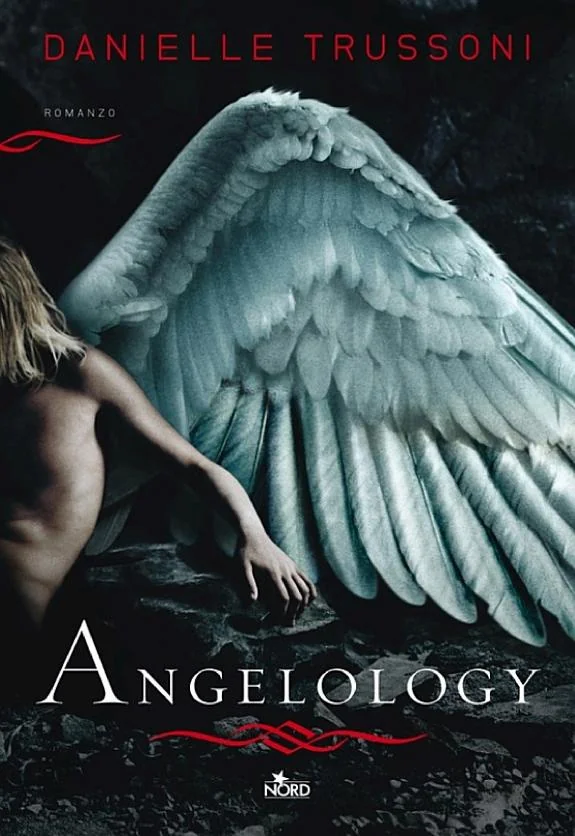
Angelology
 77
77

Angelology
Danielle Trussoni’s "Angelology" attempts an ambitious fusion of biblical eschatology and conspiracy thriller, centering on Sister Evangeline’s discovery of a secret war between angels and their Nephilim offspring. The novel’s strength lies in its intricate world-building, sketching a believable secret history where artifacts from World War II become celestial battlegrounds. Trussoni effectively conjures a sense of looming dread as the Nephilim, depicted as cruel and ancient beings, hunt for their prize. However, the pacing falters in the midsection, occasionally bogged down by exposition that could have been more organically integrated. While the premise of angels walking among us and their descendants seeking to enslave mankind is compelling, the narrative sometimes struggles to maintain the urgency established in its opening chapters. A particularly vivid section involves the description of the hidden artifacts and their potential world-altering power, hinting at a grander cosmic struggle. Despite its occasional narrative lulls, "Angelology" offers a unique perspective on angelic lore, making it a notable entry for those interested in speculative theology.
📝 Description
77
Danielle Trussoni's 2010 novel "Angelology" links biblical lore to a contemporary thriller plot.
The story begins with Sister Evangeline, a nun at Saint Rose Convent, who uncovers a secret correspondence. This discovery connects the wealthy philanthropist Abigail Rockefeller to a hidden history involving angels and the Nephilim, their fallen descendants. The Nephilim are actively seeking powerful artifacts that Rockefeller concealed during World War II. If they recover these objects, they could gain the power to control humanity, leading to a significant conflict. Trussoni weaves a narrative that blends theological elements with a fast-paced thriller structure. The novel uses the backdrop of wartime Europe and the influence of prominent families to ground its supernatural elements. It examines themes of cosmic good versus evil through the actions of these ancient beings and their impact on the human world.
The novel's plot unfolds as Sister Evangeline races against time to understand the Nephilim's goals and protect humanity. Her investigation takes her from the cloistered walls of the convent to a wider world of secret societies and ancient knowledge. The narrative explores the nature of faith, the origins of evil, and the potential for divine or infernal intervention in human affairs. Trussoni's approach draws on religious texts and mythology to construct a fictional universe where celestial beings and their conflicts have direct consequences on Earth.
"Angelology" taps into a long tradition of occult and religious literature that posits a hidden war between celestial and infernal forces. The Nephilim, figures mentioned in biblical apocrypha, are central to the novel's premise, representing a direct link to forbidden knowledge and ancient powers. The narrative explores themes common in esoteric thought, such as secret societies manipulating historical events and the existence of powerful artifacts that hold the key to cosmic battles. Trussoni's work engages with the idea that religious texts contain veiled truths about angelic beings and their ongoing influence on the material world, a concept found in various Gnostic and Kabbalistic traditions.
💡 Why Read This Book?
• Understand the Nephilim mythos as a contemporary threat, drawing from biblical interpretations of Genesis 6:4 and their role in historical events like World War II. • Explore the clandestine world of angelic artifacts and their potential to influence global power structures, as concealed by figures like Abigail Rockefeller. • Experience a narrative that interweaves religious lore with modern thriller elements, examining how ancient spiritual conflicts manifest in the present day.
⭐ Reader Reviews
Honest opinions from readers who have explored this book.
❓ Frequently Asked Questions
What is the origin of the Nephilim in "Angelology"?
The novel draws directly from Genesis 6:4, which states, "The Nephilim were on the earth in those days." Trussoni expands on this biblical reference, portraying them as ancient, powerful beings, descendants of angels, who are actively involved in human history and seeking to control mankind.
Who are the main factions in the conflict of "Angelology"?
The primary conflict pits the Nephilim, the offspring of angels, against various human factions and potentially angelic forces working to prevent their dominion. Sister Evangeline and the Saint Rose Convent represent a bastion of resistance against the Nephilim's machinations.
What role do artifacts play in Danielle Trussoni's "Angelology"?
Artifacts are central to the plot. Concealed by Abigail Rockefeller during World War II, these objects are sought by the Nephilim. Their recovery is key to the Nephilim's plan to enslave humanity, making them crucial MacGuffins in the unfolding supernatural thriller.
Is "Angelology" based on any specific religious or mythological texts?
Yes, the novel is heavily inspired by biblical texts, particularly Genesis 6:4 concerning the Nephilim. It also draws upon broader traditions and lore surrounding angels and fallen angels, reinterpreting them within a modern, fictional narrative framework.
What is the setting of "Angelology"?
The story unfolds across various locations, including the Saint Rose Convent, and incorporates elements of wartime Europe due to the hiding of artifacts during the Second World War. This historical backdrop adds a layer of espionage and hidden danger to the supernatural narrative.
Who is Abigail Rockefeller in the context of the book?
Abigail Rockefeller is portrayed as a legendary philanthropist who played a crucial role in hiding powerful artifacts during World War II. Her actions are central to the plot, as these hidden objects become the target for the Nephilim in their quest for power.
🔮 Key Themes & Symbolism
The Nephilim Threat
The novel posits the Nephilim, biblical figures from Genesis 6:4, not as ancient history but as a present danger. Trussoni crafts them as powerful, malevolent entities actively seeking to manipulate human affairs and establish dominance. Their hunt for artifacts concealed during the Second World War forms the narrative's engine, highlighting their long-standing influence and sinister agenda to subjugate humanity, blending theological speculation with a modern conspiracy framework.
Hidden Artifacts and Power
Central to the plot are artifacts of immense power, hidden by Abigail Rockefeller during the tumultuous period of World War II. These objects are not mere historical relics but instruments capable of tipping the balance of cosmic power. Their concealment and subsequent pursuit by the Nephilim underscore themes of safeguarding ancient knowledge and the eternal struggle to prevent malevolent forces from acquiring the means to enslave mankind.
Angelic Lore Reimagined
Trussoni's work reinterprets traditional angelic and demonic lore for a contemporary audience. By focusing on the descendants of angels—the Nephilim—and their terrestrial activities, the novel offers a fresh perspective on spiritual warfare. The narrative suggests that the boundaries between the divine, the infernal, and the human are more porous than commonly believed, with ancient celestial conflicts having direct repercussions on the modern world.
Secrecy and Hidden Histories
The novel thrives on the concept of concealed truths and secret histories. From the hidden correspondence discovered by Sister Evangeline to the artifacts secreted away during wartime, "Angelology" explores how significant events and entities operate beneath the surface of ordinary reality. Religious institutions like the Saint Rose Convent are depicted as guardians of these secrets, positioning them as crucial players in the ongoing, unseen battles for humanity's future.
💬 Memorable Quotes
Direct passages from the work, attributed to the author.
“The Nephilim were on the earth in those days”
— This foundational quote from Genesis 6:4 is recontextualized by Trussoni. It moves from a historical biblical statement to a present-day existential threat, suggesting that these ancient beings are not merely a memory but an active, dangerous force shaping contemporary events.
“Sister Evangeline finds mysterious correspondence between Mother Innocenta of the Saint Rose Convent and legendary philanthropist Abigail Rockefeller.”
— This serves as the inciting incident, revealing a hidden connection between a secluded religious order and a prominent historical figure. It signals the uncovering of a secret history involving celestial beings and their earthly descendants.
“Angels walked among us - and their descendants, the cruel Nephilim, still do.”
— This interpretation of biblical accounts posits a direct lineage from angelic beings to the Nephilim, asserting their continued, clandestine presence on Earth. It frames the Nephilim not just as ancient entities but as a contemporary, predatory force.
“The Nephilim are hunting for artefacts concealed by Abigail Rockefeller during the Second World War.”
— This highlights the central conflict and the tangible stakes of the narrative. The artifacts are not abstract concepts but specific objects tied to a historical event, making the Nephilim's quest a concrete, world-threatening endeavor.
“Objects that will ultimately allow them to enslave mankind.”
— This clearly defines the ultimate goal of the Nephilim. It frames their pursuit of Rockefeller's hidden artifacts as a direct plot for global domination, elevating the narrative beyond mere theological discussion to a high-stakes thriller.
🌙 Esoteric Significance
Tradition
While not strictly adhering to a single esoteric lineage, "Angelology" draws heavily from Abrahamic traditions, particularly Judeo-Christian angelology and demonology. It reinterprets the biblical narrative of the Nephilim (Genesis 6:4) and the fallen angels, framing them within a Gnostic-like dualism where hidden knowledge and ancient artifacts hold the key to salvation or subjugation. The work can be seen as a modern fictional exploration of themes present in esoteric Christianity and occult interpretations of biblical texts.
Symbolism
The Nephilim themselves function as potent symbols of the corrupting influence of power and the blurred lines between divine and infernal forces. Hidden artifacts represent concealed knowledge or primordial energies that, in the wrong hands, can lead to destruction. The Saint Rose Convent, as a sanctuary and repository of secrets, symbolizes the enduring struggle of spiritual orders to protect humanity from unseen threats, acting as a bulwark against encroaching darkness.
Modern Relevance
Contemporary occult and esoteric circles continue to explore angelology and demonology, making "Angelology" a relevant fictional touchstone. Its narrative of hidden celestial beings influencing human affairs and the importance of ancient artifacts speaks to modern lore-based fiction and speculative theology. Thinkers and practitioners interested in reinterpreting biblical narratives through a lens of hidden spiritual warfare or cosmic conspiracies will find fertile ground in Trussoni's imaginative world-building.
👥 Who Should Read This Book
• Readers interested in speculative fiction that reimagines biblical narratives, particularly concerning angels and the Nephilim, will find a compelling story. • Fans of conspiracy thrillers who enjoy narratives involving hidden artifacts, secret societies, and historical manipulation will appreciate the plot's intricate layers. • Those exploring themes of good versus evil on a cosmic scale, and how ancient conflicts might manifest in the modern world, will engage with the novel's core conflict.
📜 Historical Context
Danielle Trussoni's "Angelology" arrived in 2010, a period marked by popular interest in religiously-themed thrillers, exemplified by the success of Dan Brown's "The Da Vinci Code." The novel taps into this fascination with hidden histories and ancient conspiracies, placing its supernatural narrative against the tangible backdrop of the Second World War. The inclusion of Abigail Rockefeller, a real historical figure associated with the prominent Rockefeller family, lends an air of speculative realism to the story's clandestine dealings. Trussoni's work emerged alongside a resurgence of interest in angelology and demonology within popular culture, resonating with readers drawn to interpretations of biblical texts. While not directly engaging with academic theological debates of the era, it participated in a broader cultural discourse that explored the ancient world's influence on contemporary anxieties. The novel's blend of biblical exegesis and action-thriller pacing offered a distinct, albeit fictional, perspective on established religious narratives.
📔 Journal Prompts
The Nephilim's pursuit of artifacts concealed during World War II.
Sister Evangeline's discovery of correspondence between Mother Innocenta and Abigail Rockefeller.
The biblical concept of the Nephilim as presented in Genesis 6:4.
The role of the Saint Rose Convent as a guardian of secrets.
The potential for angelic descendants to influence human history.
🗂️ Glossary
Nephilim
In "Angelology," the Nephilim are depicted as the powerful, cruel descendants of angels who walk the Earth. The term originates from Genesis 6:4, where they are described as existing in ancient times, and Trussoni expands this into a present-day threat.
Angelology
The study of angels. In the context of the book, it refers to the lore and hidden history surrounding angels, their origins, their interactions with humanity, and the existence of their descendants, the Nephilim.
Abigail Rockefeller
A legendary philanthropist in the novel who plays a critical role by concealing powerful artifacts during World War II. Her actions are central to the plot, as these hidden items become the target for the Nephilim.
Saint Rose Convent
A religious institution featured in the novel, serving as a place of sanctuary and a hidden repository of knowledge. It represents a bastion against the Nephilim's influence, with figures like Sister Evangeline and Mother Innocenta playing key roles.
Second World War
The historical period during which crucial artifacts were concealed by Abigail Rockefeller. This setting provides a backdrop for espionage and hidden dangers, intertwining the novel's supernatural elements with real-world historical events.
Artifacts
Objects of immense power hidden by Abigail Rockefeller. In "Angelology," these artifacts are crucial to the Nephilim's plan to enslave mankind, making their recovery a central objective of the plot.
Genesis 6:4
A biblical verse cited in the book: 'The Nephilim were on the earth in those days.' This serves as the primary scriptural basis for the novel's concept of the Nephilim as ancient beings present on Earth.