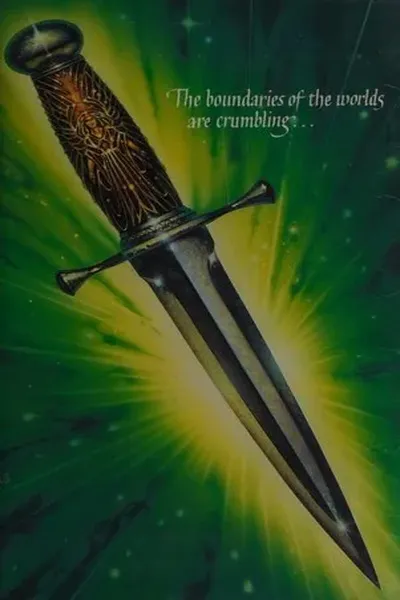
After God is Dibia

 71
71

After God is Dibia



Review by Isolde Whitaker (Sacred Texts Editor) — Isolde Whitaker John Anenechukwu Umeh's 'After God is Dibia' is a transcendent exploration into the heart of Igbo spiritual thought. Umeh, with an insider's grace, deciphers the intricate language of divination, revealing a sophisticated system of cosmic understanding and healing. The book is a vital bridge, offering esoteric insights into the roles of ancestors and the Dibia as conduits of divine will. Its strength lies in its accessible yet deeply philosophical approach, making complex spiritual concepts understandable to both the initiated and the curious seeker. Essential for anyone interested in African indigenous religions and the universal pursuit of spiritual wisdom.
📝 Description
71
John Anenechukwu Umeh's 1997 book explains the role of the Dibia in Igbo cosmology.
In 'After God is Dibia,' John Anenechukwu Umeh examines the spiritual cosmology of the Igbo people. The book focuses on the Dibia, who are described as spiritual diviners and healers. Umeh details how these figures mediate between the divine and earthly realms within Igbo belief systems. The text covers ancestral veneration, the concept of cosmic order, and the subtle energies believed to influence existence.
Umeh's writing presents this worldview with specific descriptions and philosophical observations. It aims to show readers a perspective where the unseen spiritual world holds a tangible presence, comparable to the physical world. The book discusses the interconnectedness of all things and the significance of spiritual knowledge within this framework. It is intended for readers interested in the philosophical underpinnings of African spirituality and broader questions of meaning.
This book fits within the study of African traditional religions, specifically focusing on the Igbo people's spiritual framework. It examines a system where spiritual practitioners, the Dibia, act as intermediaries. The text addresses concepts of cosmology, the afterlife, and the unseen forces that shape human experience, placing it within the broader field of comparative religion and esotericism. Umeh's work provides insight into how these beliefs inform daily life and understanding of the universe.
💡 Why Read This Book?
Embark on a profound journey into the spiritual heart of the Igbo people. 'After God is Dibia' offers unparalleled access to ancient divination practices and a worldview where the divine permeates every aspect of life. Ideal for seekers of esoteric knowledge, scholars of African philosophy and religion, and practitioners looking to deepen their understanding of ancestral wisdom and the art of spiritual guidance.
⭐ Reader Reviews
Honest opinions from readers who have explored this book.
❓ Frequently Asked Questions
What is the role of the 'Dibia' in Igbo spirituality?
The Dibia, in Igbo cosmology, are revered spiritual diviners, healers, and intermediaries between the human and divine realms. They possess specialized knowledge of the spiritual universe and its intricate workings, guiding individuals and communities through divination and ritual.
How does the book explore the concept of 'God' in relation to the Dibia?
The title itself suggests a nuanced understanding where, after the supreme divine, the Dibia hold significant authority and responsibility in interpreting and enacting divine will, acting as crucial conduits of cosmic order and spiritual insight.
Is this book suitable for beginners interested in African spirituality?
Absolutely. While rich in esoteric detail, Umeh's prose is illuminating, making the complex spiritual framework accessible to those new to Igbo traditions, offering a solid foundation for further exploration.
What philosophical insights can one gain from 'After God is Dibia'?
The book offers profound insights into interconnectedness, the nature of destiny, the role of ancestral guidance, and a holistic understanding of existence where the spiritual and material are inseparable, challenging Western dualistic perspectives.
What makes this book relevant in a contemporary context?
It provides a vital counterpoint to modern materialism, offering timeless wisdom on spiritual well-being, community harmony, and the enduring human need for meaning and guidance from unseen forces and ancestral wisdom.
🔮 Key Themes & Symbolism
The Divine Hierarchy and the Role of the Dibia
This theme studies the intricate structure of the Igbo spiritual universe, where the supreme deity is understood in relation to a pantheon of lesser spirits and ancestral forces. Central to this hierarchy is the Dibia, the spiritual specialist who acts as a bridge between the human and the divine. The book explores how the Dibia, through their profound knowledge and divinatory practices, interpret the will of the gods and ancestors, offering guidance, healing, and maintaining cosmic balance. Their role is not merely functional but deeply philosophical, embodying the understanding that spiritual order is actively maintained and interpreted through specialized human agency.
Ancestral Veneration and Cosmic Interconnectedness
A central to Igbo spirituality, ancestral veneration is presented not as mere remembrance but as an active, dynamic relationship. The ancestors are seen as living entities who continue to influence the lives of their descendants, offering protection, wisdom, and sometimes correction. 'After God is Dibia' emphasizes the profound interconnectedness between the living, the ancestors, and the spiritual realm. This intricate web of relationships underscores a worldview where all existence is bound together, and the actions of one realm have tangible repercussions in others, fostering a deep sense of responsibility and communal harmony.
The Art and Science of Divination
The book offers an in-depth look into the sophisticated art and science of Igbo divination as practiced by the Dibia. This is not presented as random fortune-telling, but as a structured system of understanding cosmic patterns, individual destinies, and the underlying causes of worldly events. Umeh illuminates the various tools, symbols, and interpretive methodologies employed, revealing a profound understanding of causality and spiritual mechanics. The practice of divination serves as a crucial mechanism for navigating life's challenges, making informed decisions, and aligning oneself with the flow of divine providence, highlighting its vital importance in maintaining equilibrium.
💬 Memorable Quotes
Direct passages from the work, attributed to the author.
“Wisdom is not found, but cultivated in the soil of experience.”
— This emphasizes the active, lived nature of spiritual understanding. True wisdom comes from engagement with life's challenges and lessons, guided by spiritual insight.
“The ancestors are the silent guardians of our unfolding destiny.”
— Highlights the active, protective role of ancestral spirits in guiding and influencing the life paths of their living descendants.
“To know the path is to understand the footsteps that came before.”
— This underscores the importance of lineage, tradition, and learning from the wisdom of past generations in navigating one's own spiritual journey.
“The Dibia hears the heartbeat of the cosmos.”
— A powerful metaphor for the profound intuitive and spiritual attunement that defines the role of the Dibia, enabling them to perceive universal rhythms and truths.
💡 Key Ideas
Editorial paraphrase of the work's core concepts — not direct quotes.
The world is a mirror reflecting the whispers of the unseen.
This quote speaks to the Igbo belief that the physical realm is not separate from the spiritual but is a direct manifestation of it, urging us to look beyond the superficial to understand deeper truths.
🌙 Esoteric Significance
Tradition
This work is deeply rooted in the esoteric traditions of the Igbo people of Nigeria, a West African ethnic group with a rich spiritual heritage. It represents an indigenous esoteric system that emphasizes a holistic worldview, where the divine, ancestral, and human realms are intricately connected. The practices and philosophies described, particularly concerning divination and healing, are not merely cultural rituals but represent a profound understanding of spiritual mechanics and cosmic order, aligning with universal esoteric principles of mediation and energetic flow.
Symbolism
The symbolism within 'After God is Dibia' is rich and multi-layered. The Dibia themselves are potent symbols of spiritual authority, knowledge, and connection to the divine. Objects used in divination, such as cowrie shells, kola nuts, and specific herbs, carry deep symbolic meanings representing cosmic forces, fate, and the interconnectedness of life. The very act of divination is symbolic, representing the human quest to decipher the divine will and work through the complexities of existence. Umeh's exploration of these symbols provides a gateway into understanding the Igbo worldview and its profound spiritual logic.
Modern Relevance
In an increasingly secular and fragmented world, 'After God is Dibia' offers profound relevance by clear a spiritual tradition that emphasizes community, ancestral connection, and a deep respect for the natural and spiritual orders. It challenges modern materialistic paradigms by presenting a worldview where spiritual well-being is paramount and interconnectedness is the fundamental truth of existence. For contemporary seekers, it provides a rich source of wisdom on holistic living, the importance of intuition, and the enduring power of ancestral wisdom in working through the challenges of modern life, offering a path towards deeper meaning and spiritual grounding.
👥 Who Should Read This Book
This important work is essential for a diverse audience. Scholars of African religions, anthropology, and philosophy will find it an invaluable academic resource, offering primary insights into Igbo cosmology. Spiritual seekers and practitioners, particularly those interested in indigenous traditions, divination, and ancestral connection, will discover profound wisdom and practical guidance. Beginners curious about African spirituality will find Umeh's approach clear and accessible, providing a foundational understanding. Ultimately, anyone seeking to broaden their perspective on the nature of divinity, the interconnectedness of existence, and the enduring power of ancient spiritual knowledge will find 'After God is Dibia' a deeply rewarding read.
📜 Historical Context
Published in the late 20th century, 'After God is Dibia' emerges from a period of significant cultural introspection and re-evaluation within Africa. As many African nations grappled with the legacies of colonialism and the rapid influx of Western ideologies, there was a resurgent interest in reclaiming and preserving indigenous knowledge systems. John Anenechukwu Umeh's work contributes to this vital movement, offering a scholarly yet deeply reverent exploration of Igbo spiritual practices that had been marginalized or misunderstood. The book stands as a evidence of the enduring resilience of African traditions and their sophisticated philosophical underpinnings, providing a crucial counter-narrative to external interpretations and reaffirming the integrity of these ancient spiritual frameworks.
📔 Journal Prompts
Reflect on a time when you felt a strong connection to something beyond the material. What did it feel like, and how did it influence your perspective?
Consider the concept of 'ancestral guidance.' How might the wisdom of past generations inform your current decisions and life path?
If you were to consult a Dibia, what questions would you ask about your life's purpose or current challenges?
Explore the idea of interconnectedness in your own life. How are your actions impacting others and the world around you, and vice versa?
What symbols in your life hold deep personal or spiritual meaning? How do they communicate their messages to you?
🗂️ Glossary
Dibia
A spiritual healer, diviner, and intermediary in Igbo culture, possessing profound knowledge of the spiritual realm and its influence on the physical world. They are essential for maintaining balance and offering guidance.
Chi
An individual's personal spirit or destiny, a divine force that shapes one's life. It is believed to be a fragment of Chukwu (God) and influences a person's fortunes and character.
Chukwu
The supreme creator deity in Igbo cosmology. Often understood as an omnipresent, omnipotent, and distant God who is the ultimate source of all existence.
Ofo
A symbol of authority, truth, and justice, typically a staff made of a specific type of wood. It is used by elders and spiritual leaders to invoke blessings and ensure righteous conduct.
Igba Afa
The practice of divination among the Igbo people, often performed by the Dibia using various tools and methods to interpret spiritual messages and predict future events.
This book appears in 3 collections
🔮 Readers Also Liked
Browse all →







From the “Tarot” Collection
View all →









More Free Divination & Tarot Books
View all →