Acu-Yoga
 81
81

Acu-Yoga
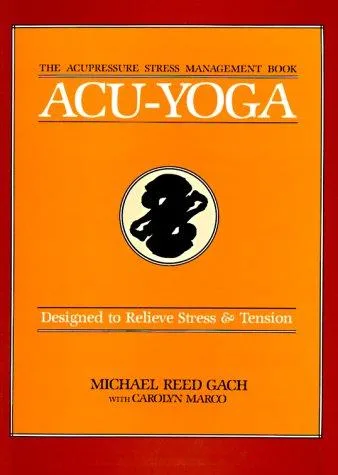
Michael Reed Gach and Carolyn Marco Matzkin's Acu-Yoga offers a compelling, if somewhat densely presented, exploration of the synergy between yoga and acupuncture. The book's strength lies in its meticulous charting of specific yoga postures (asanas) and their precise correlation with acupuncture meridians and points. The section detailing how to apply pressure with yoga poses to alleviate conditions like migraines or digestive issues is particularly instructive. However, the original 1996 publication could benefit from updated research or broader clinical case studies to further solidify its claims for a contemporary audience. A limitation is the occasional lack of clear visual aids for some of the more intricate posture-to-point alignments. Despite this, the text provides a robust theoretical framework for self-directed energetic healing through embodied practice.
Acu-Yoga succeeds in bridging two ancient healing traditions into a practical, accessible system for personal well-being.
📝 Description
81
Michael Reed Gach and Carolyn Marco Matzkin published Acu-Yoga in 1996, merging acupuncture meridians with yoga.
Acu-Yoga synthesizes Eastern energetic pathways with Western therapeutic methods. The system stimulates acupressure points through yoga postures and breathwork, aiming to activate the body's natural healing abilities. It addresses physical, emotional, and spiritual concerns, not just exercise. The book is for yoga instructors interested in energetic anatomy, acupuncturists seeking somatic practices, and individuals with chronic pain or stress looking for self-healing techniques. It suits those who value a holistic approach to wellness, recognizing the mind-body-spirit connection. Energy medicine practitioners and somatic therapists will find practical applications.
The 1996 publication coincided with growing interest in mind-body medicine and alternative healing. This period saw increased attention to Eastern philosophies and practices, moving them into mainstream wellness discussions. Acu-Yoga contributed to the dialogue between traditional Eastern medicine and contemporary Western healthcare, challenging existing views on health. The book re-examines acupuncture's foundational concepts, formalized in China centuries ago, through a modern perspective.
Acu-Yoga fits within the late 20th-century resurgence of interest in complementary and alternative medicine, particularly practices that bridge Eastern and Western understandings of the body. It builds upon the long-standing traditions of Traditional Chinese Medicine, specifically acupuncture, and integrates them with the physical and mental disciplines of yoga. The work engages with the concept of qi, or vital energy, flowing through meridians, a core tenet in many Eastern spiritual and healing systems. By applying yogic forms to stimulate these energetic channels, the book offers a method for practitioners to engage with these subtle energies for well-being.
💡 Why Read This Book?
• You will learn to identify and stimulate key acupressure points using specific yoga postures, a practical skill for self-healing that draws directly from the book's detailed meridian charts. • You will gain an understanding of how the practice of yoga, as presented in Acu-Yoga, can directly influence the flow of Qi within the body's energetic pathways, a concept foundational to Traditional Chinese Medicine. • You will discover how to integrate breathwork and mindful movement, as outlined in the book's methodology, to release physical tension and emotional stagnation by targeting specific acupressure points.
⭐ Reader Reviews
Honest opinions from readers who have explored this book.
❓ Frequently Asked Questions
What is the core principle behind Acu-Yoga?
Acu-Yoga's core principle is the integration of yoga postures with acupressure techniques. It posits that specific yogic movements can stimulate acupuncture points and meridians, facilitating the flow of Qi (vital energy) for healing.
Who developed the Acu-Yoga system?
The Acu-Yoga system was developed by Michael Reed Gach and Carolyn Marco Matzkin, with the book first published in 1996.
Can Acu-Yoga help with chronic pain?
Yes, the system is designed to address physical ailments, including chronic pain, by using yoga to stimulate acupressure points that release energy blockages.
Is Acu-Yoga suitable for beginners?
While it requires mindful engagement, the principles are accessible. Beginners can focus on understanding the energetic pathways and applying basic postures to relevant points as introduced in the text.
What is the relationship between Acu-Yoga and Traditional Chinese Medicine (TCM)?
Acu-Yoga draws heavily from TCM, particularly the concepts of acupuncture meridians and Qi. It adapts these principles into a somatic practice using yoga as the primary modality for stimulation.
When was Acu-Yoga first published?
Acu-Yoga was first published in 1996, reflecting a growing interest in mind-body practices during that era.
🔮 Key Themes & Symbolism
Meridian Stimulation Through Asana
Acu-Yoga uniquely posits that specific yoga postures (asanas) can directly influence the body's acupuncture meridians. The book details how holding a pose, combined with breath awareness, applies pressure to points along these energy pathways. This concept moves beyond general stretching or strengthening, focusing on targeted energetic intervention. For instance, certain poses are shown to stimulate the Liver meridian or the Stomach meridian, aiming to release stagnation and promote balanced Qi flow, aligning with principles found in Traditional Chinese Medicine.
Qi Flow and Blockage Release
Central to Acu-Yoga is the understanding of Qi, the vital life force energy, and the consequences of its imbalance or blockage. The practice is designed to identify and dissolve these obstructions, which are believed to manifest as physical pain, emotional distress, or illness. By applying yogic techniques to acupressure points, practitioners aim to restore the free and harmonious circulation of Qi throughout the body's energetic system. This mirrors the therapeutic goals of acupuncture, but uses the practitioner's own body as the tool.
Mind-Body Integration for Wellness
The work champions a holistic approach to health, emphasizing the inseparable connection between mental states and physical well-being. Acu-Yoga teaches practitioners to cultivate self-awareness through mindful movement and breath, using these internal states to influence physical healing. It encourages a proactive role in one's own health, providing a practical system for self-care that addresses root causes of discomfort rather than just symptoms. This integration is key to its esoteric appeal, bridging physical practice with energetic and psychological balance.
Acupressure Point Activation
Acu-Yoga provides specific guidance on activating acupressure points through the physical engagement of yoga. Unlike manual acupressure, where fingers are used, this system employs the body's own structure – knees, elbows, hands, feet – to exert pressure. The book likely maps out which points correspond to which postures, offering a systematic method for self-treatment. This innovative approach democratizes acupressure, making its therapeutic benefits accessible through the familiar practice of yoga, first published in 1996.
💬 Memorable Quotes
Direct passages from the work, attributed to the author.
“Stimulate the body's energy pathways through specific yoga postures.”
— This highlights the core innovation of Acu-Yoga: the use of asanas not just for physical fitness, but as tools to intentionally interact with the body's energetic system, akin to acupuncture.
“Balance Qi for physical and emotional well-being.”
— This expresses the ultimate goal of the practice – achieving a state of equilibrium in the body's vital energy (Qi) to foster both physical health and emotional stability.
“Use the body's own points of contact to release energetic blockages.”
— This explains the methodology: leveraging the physical form, through yoga, to apply pressure to acupressure points and clear obstructions in the energy flow.
“Connect breath and movement to influence internal energy.”
— This emphasizes the integrated nature of the practice, where conscious breathing combined with mindful postures becomes a conduit for directing and modulating the body's vital force.
“The original 1996 publication introduced a novel synthesis.”
— This contextualizes the work historically, pointing out its pioneering role in merging established Eastern practices like yoga and acupuncture into a single therapeutic system upon its release.
🌙 Esoteric Significance
Tradition
Acu-Yoga draws primarily from the energetic principles of Traditional Chinese Medicine (TCM), particularly its concepts of meridians and Qi, which are cornerstones of acupuncture and acupressure. It blends this with the physical and contemplative aspects of yoga, a practice with ancient Indian roots. While not strictly adhering to a singular Western esoteric lineage like Hermeticism or Kabbalah, its focus on internal energy cultivation and the interconnectedness of mind, body, and spirit aligns with the broader aims of many esoteric traditions seeking to understand and manipulate subtle energies for personal transformation.
Symbolism
The primary symbols in Acu-Yoga are the acupuncture meridians and acupressure points themselves, which represent the invisible energetic pathways and focal points within the body. These symbolize the subtle energetic anatomy that underlies physical manifestation. The yoga postures (asanas) act as both the tools and the symbols for interaction; they represent the active engagement of the practitioner with their own energetic field. The act of breathing, often considered a primary life force, symbolizes the continuous flow and renewal of Qi, essential for maintaining vitality and balance.
Modern Relevance
Contemporary practices in somatic therapy, integrative medicine, and advanced yoga studies often echo the principles introduced in Acu-Yoga. Thinkers and practitioners focusing on fascial manipulation, neuro-somatic integration, and embodied cognition may find resonance with its approach to using physical form to influence energetic and physiological states. Yoga therapists and acupuncturists continue to explore hybrid modalities that bridge these disciplines, recognizing the profound potential of combining targeted physical engagement with energetic awareness for holistic well-being.
👥 Who Should Read This Book
• Yoga practitioners seeking to deepen their practice beyond physical alignment and explore the energetic dimensions of asana, learning how specific poses can therapeutically influence acupressure points. • Acupuncturists and Traditional Chinese Medicine students interested in understanding how yogic disciplines can complement their practice by providing a self-administered method for stimulating meridians. • Individuals experiencing chronic pain, stress, or energetic imbalances who are looking for a holistic, self-directed approach to healing that integrates accessible physical movements with established energetic principles.
📜 Historical Context
Published in 1996, Acu-Yoga emerged during a period of heightened interest in holistic health and the integration of Eastern and Western therapeutic modalities. The late 20th century saw a proliferation of books and practices that sought to bridge the gap between traditional medicine and alternative healing, with mind-body connections becoming a significant focus. This era was characterized by a growing academic and public curiosity towards practices like yoga, meditation, and Traditional Chinese Medicine. Acu-Yoga found its place within this burgeoning field, offering a concrete methodology that combined the physical discipline of yoga with the energetic principles of acupuncture, a system with roots stretching back millennia in China. While not explicitly engaging with a named contemporary author in its initial release, its conceptual framework paralleled the broader movement towards integrative medicine championed by figures like Dr. Andrew Weil. The work contributed to explaining Eastern energetic concepts for a Western audience, presenting them through a familiar physical practice.
📔 Journal Prompts
The concept of Qi flow as presented in Acu-Yoga.
Stimulating the Stomach meridian using specific yoga postures.
The role of breathwork in activating acupressure points.
Identifying energetic blockages through somatic awareness.
The integration of Acu-Yoga principles into daily life.
🗂️ Glossary
Qi (Chi)
The fundamental vital life force energy believed in Traditional Chinese Medicine to flow through the body and sustain life. Its balanced flow is considered essential for health.
Meridian
Invisible pathways or channels within the body through which Qi is said to flow, according to Traditional Chinese Medicine. There are typically twelve main meridians associated with specific organs.
Acupressure Point
Specific locations along the meridians where Qi is believed to be more concentrated. Applying pressure to these points is intended to influence the flow of Qi and promote healing.
Asana
A physical posture or pose in yoga. In Acu-Yoga, specific asanas are used to stimulate acupressure points and meridians.
Stagnation (Qi Stagnation)
A condition in Traditional Chinese Medicine where the flow of Qi is blocked or impeded, believed to be a root cause of pain, discomfort, and illness.
Somatic
Relating to the body, especially as distinct from the mind or spirit. Somatic practices focus on bodily experience and sensation for healing and awareness.
Mindful Movement
Engaging in physical activity with full attention to the present moment, including sensations, breath, and intentions, fostering a deeper connection between mind and body.
🔮 Readers Also Liked
Browse all →






More by Michael Reed Gach, Carolyn Marco Matzkin
All books →
More Free Occult Philosophy Books
View all →