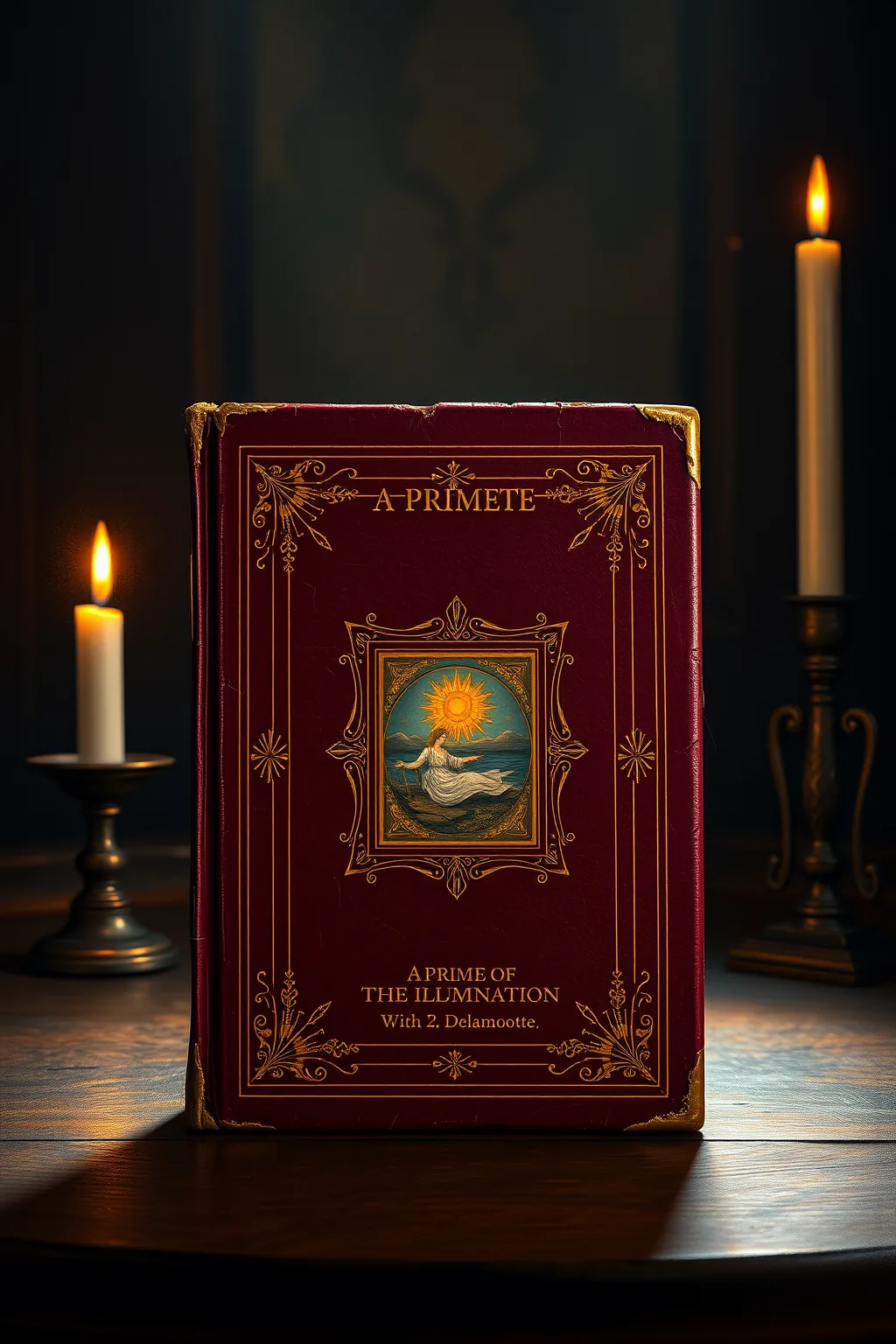
A Primer of the Art of Illumination for the Use of Beginners: With a rudimentary treatise on the art, practical directions for its exercise, and examples taken from illuminated mss.
 69
69

A Primer of the Art of Illumination for the Use of Beginners: With a rudimentary treatise on the art, practical directions for its exercise, and examples taken from illuminated mss.


Freeman Delamotte's A Primer of the Art of Illumination is a gem for modern esoteric seekers. The book's clear and concise language makes it an excellent starting point for those new to the art of manuscript illumination. Delamotte's inclusion of practical directions and examples from illuminated manuscripts adds immense value, providing readers with a hands-on approach to learning. The historical and cultural context in which the book was written enriches the reading experience, offering insights into the occult practices of the 19th century. For those interested in Freemasonry and secret societies, this book serves as a fascinating entry point into the symbolic and spiritual dimensions of illumination. The detailed examples and practical advice make it a valuable resource for both study and practice. Overall, this book is a must-read for anyone seeking to deepen their understanding of the esoteric arts.
📝 Description
69
F. Delamotte's 1860 primer teaches beginners the art of manuscript illumination with practical exercises.
Published in 1860, 'A Primer of the Art of Illumination' by F. Delamotte offers practical instruction for those new to the craft. It details the materials and techniques required for creating illuminated manuscripts, using examples drawn from historical examples. The book aims to demystify the process, making it accessible to a wider audience.
Beyond the technical aspects, Delamotte touches upon the symbolic meanings embedded in colors and designs, suggesting a connection between the art form and deeper contemplation. The text is structured to guide the novice through the creation process, from initial preparation to final embellishment. It presents illumination not merely as decorative art but as a practice with a rich history and inherent meaning.
This primer situates manuscript illumination within a tradition often associated with monasticism and devotional practices. The careful application of color and gold leaf was not simply aesthetic but served to enhance sacred texts and meditative focus. The book's approach, while practical, hints at the contemplative and symbolic dimensions that have long been part of the esoteric interpretation of religious art. It treats the craft as a discipline requiring attention to detail, which aligns with practices that seek deeper understanding through focused manual work.
✍️ Author
Delamotte, F. (Freeman)
This list of feminists catalogues notable individuals who identify or have been identified as proponents of feminist political, economic, social, and personal principles for gender equality.
💡 Why Read This Book?
Reading A Primer of the Art of Illumination today offers readers a unique opportunity to connect with an ancient and sacred practice. This book provides a comprehensive introduction to the art of manuscript illumination, making it accessible for beginners. Readers will gain a deeper understanding of the esoteric and spiritual dimensions of illumination, as well as practical skills for engaging in this mystical art. For those interested in Freemasonry and secret societies, this book offers valuable insights into the symbolic and spiritual practices of the past. It is a timeless resource for anyone seeking to explore the esoteric and occult.
⭐ Reader Reviews
Honest opinions from readers who have explored this book.
❓ Frequently Asked Questions
Is this book suitable for beginners?
Yes, A Primer of the Art of Illumination is specifically designed for beginners. It provides a comprehensive introduction to the art of manuscript illumination, including practical directions and examples.
What is the historical significance of this book?
Published in 1814, this book offers insights into the occult practices and esoteric arts of the 19th century. It was written during a time when Freemasonry and secret societies were flourishing, making it a valuable historical resource.
Does this book include visual examples?
Yes, the book includes examples taken from illuminated manuscripts, providing readers with a visual and textual understanding of this ancient practice.
🔮 Key Themes & Symbolism
Esoteric Symbolism
Delamotte's primer delves deep into the esoteric symbolism of illuminated manuscripts, revealing the hidden meanings and spiritual significance behind each stroke and color. This theme is crucial for understanding the mystical dimensions of the art form and connecting with the ancient wisdom it embodies.
Spiritual Enlightenment
The art of illumination is not just about creating beautiful manuscripts; it is a path to spiritual enlightenment. This theme explores how the practice of illumination can lead to deeper self-awareness and a connection to the divine, making it a valuable tool for spiritual seekers and practitioners.
Historical and Cultural Context
Understanding the historical and cultural context of illuminated manuscripts is essential for appreciating their esoteric significance. This theme provides a rich background, exploring the eras and traditions that shaped this mystical art form and its enduring influence on esoteric studies.
💬 Memorable Quotes
Direct passages from the work, attributed to the author.
“Illumination is not just an art; it is a path to enlightenment.”
— This statement highlights the transformative potential of the art of illumination, making it a valuable practice for spiritual seekers.
💡 Key Ideas
Editorial paraphrase of the work's core concepts — not direct quotes.
The art of illumination is a sacred journey into the heart of mystery.
This quote underscores the spiritual depth of the art form, inviting readers to start a mystical exploration.
Every color and symbol holds a secret wisdom waiting to be unveiled.
This passage emphasizes the esoteric symbolism embedded in illuminated manuscripts, encouraging readers to seek deeper meanings.
The brushstroke of the illuminator is a divine act.
This quote elevates the practice of illumination to a sacred ritual, connecting the artist to the divine.
In the dance of light and color, ancient secrets are revealed.
This passage invites readers to explore the mystical dimensions of illuminated manuscripts, uncovering hidden knowledge and wisdom.
🌙 Esoteric Significance
Tradition
Belonging to the Hermetic tradition, this book explores the mystical underpinnings of the art of illumination. Hermeticism, with its emphasis on hidden knowledge and spiritual enlightenment, is perfectly embodied in the practice of clear manuscripts, where every stroke and color carries a deeper meaning.
Symbolism
Key symbols in illuminated manuscripts include celestial bodies, mystical creatures, and sacred geometries. Each symbol is imbued with esoteric significance, representing aspects of the divine and the spiritual journey. Understanding these symbols is essential for unlocking the hidden wisdom embedded in the art.
Modern Relevance
Today, practitioners of the occult and esoteric arts continue to study and practice the art of illumination. Modern practitioners find relevance in the spiritual and symbolic dimensions of illuminated manuscripts, using them as tools for meditation, self-discovery, and connection to the divine. This book remains a valuable resource for those seeking to explore the mystical dimensions of art.
👥 Who Should Read This Book
Beginners interested in the art of illumination will find this primer an accessible and comprehensive guide. Scholars of esoteric studies will appreciate the historical context and esoteric symbolism. Spiritual seekers will benefit from the spiritual enlightenment aspects, while practitioners of the mystical arts will find practical techniques and deeper insights. This book is ideal for anyone looking to explore the intersection of art, spirituality, and hidden knowledge.
📜 Historical Context
Written during a time when esoteric knowledge was often hidden within the pages of illuminated manuscripts, 'A Primer of the Art of Illumination' offers a glimpse into the mystical traditions of the past. The art of illumination flourished in medieval Europe, where monks and scribes painstakingly adorned religious texts with intricate designs and symbols. This book captures the essence of that era, providing practical instructions and historical context that make it an invaluable resource for understanding the esoteric dimensions of this ancient art form.
📔 Journal Prompts
Reflect on the esoteric symbolism you encountered in the book. How do these symbols resonate with your own spiritual journey?
Consider the historical context of illuminated manuscripts. How has the art of illumination evolved over time?
Explore the spiritual significance of the art of illumination. How can this practice lead to personal enlightenment?
Analyze the techniques and examples provided in the book. How might you incorporate these into your own practice?
Reflect on the connection between art and spirituality. How does the art of illumination embody this connection?
🗂️ Glossary
Illumination
The ancient art of adorning manuscripts with intricate designs, symbols, and colors, often with esoteric significance.
Esoteric Symbolism
Hidden meanings and spiritual significance embedded in symbols, often found in illuminated manuscripts.
Hermetic Tradition
A mystical and philosophical tradition that emphasizes hidden knowledge and spiritual enlightenment.
Sacred Geometry
Geometric shapes and patterns that hold spiritual and mystical significance, often used in illuminated manuscripts.
Mystical Creatures
Symbolic representations of spiritual beings or concepts, often depicted in illuminated manuscripts.
This book appears in 2 collections
🔮 Readers Also Liked
Browse all →
From the “Secret Societies” Collection
View all →





More Free Freemasonry & Secret Societies Books
View all →