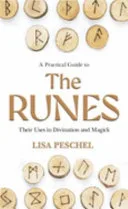
A Practical Guide to the Runes
 83
83

A Practical Guide to the Runes
Lisa Peschel’s A Practical Guide to the Runes offers a solid, no-nonsense approach to a complex subject. Unlike some texts that lean heavily on speculative theory, Peschel grounds her interpretations in the mythological and historical context of the runes, particularly the Elder Futhark. The section detailing the individual meanings, complete with mythological links and upright/reversed interpretations, is particularly well-structured. For instance, her explanation of the rune Gebo as representing 'gift' and 'partnership' is clear and directly tied to its Norse associations. However, the book could benefit from a more extensive discussion on the magical applications beyond simple divination; while protection and luck are mentioned in the blurb, the practical 'how-to' for invoking these energies feels somewhat underdeveloped. The 1989 publication date means some contemporary perspectives on rune scholarship are absent. Nevertheless, for a foundational understanding and reliable divinatory framework, Peschel’s guide remains a dependable resource.
📝 Description
83
Lisa Peschel's A Practical Guide to the Runes, published in 1989, explains the Elder Futhark for divination.
This 1989 book serves as a clear introduction to the Elder Futhark, the oldest runic alphabet, and its use in divination. Peschel details each rune's individual meaning, its mythological connections, and provides practical advice on casting and interpreting rune spreads. The guide treats runes as active forces and tools for personal growth and spiritual direction, moving beyond simple definitions.
It is written for anyone interested in Norse mythology, rune casting, or divination. Beginners will find a straightforward entry into working with runes, while those with some experience can deepen their understanding of rune interpretation and its use in magical practices. Readers interested in historical European spiritual traditions and their modern applications will also find this book valuable.
Published in 1989, Peschel's guide appeared during a resurgence of interest in Neopaganism and occult studies. This period saw a rise in accessible esoteric literature, moving beyond earlier academic or specialized works. The book connects to the broader public engagement with runic divination influenced by late 20th-century practitioners and scholars.
💡 Why Read This Book?
• Gain a foundational understanding of the Elder Futhark, learning the specific meanings and mythological connections for each of the 24 runes, a core element of Norse divination systems. • Discover practical methods for rune casting and interpretation, moving beyond abstract symbolism to concrete divination techniques as outlined in the book’s practical sections. • Explore the runes as magickal tools for insight and protection, understanding concepts like the protective qualities of Algiz and the wisdom of Ansuz as presented by Peschel.
⭐ Reader Reviews
Honest opinions from readers who have explored this book.
❓ Frequently Asked Questions
When was A Practical Guide to the Runes first published?
A Practical Guide to the Runes by Lisa Peschel was first published in 1989, making it a contemporary of other popular rune guides that emerged during a resurgence of interest in esoteric studies.
What runic alphabet does Lisa Peschel focus on?
The book primarily focuses on the Elder Futhark, which is the oldest known runic alphabet and the foundation for most runic divination systems discussed in the text.
Can I use this book for learning Norse mythology?
While not a dedicated mythology text, A Practical Guide to the Runes frequently references Norse myths and deities to explain the symbolism and meaning of individual runes, offering an accessible entry point.
Are there practical exercises in the book?
Yes, the book provides practical guidance on how to prepare rune sets, perform rune casts, and interpret the results for divination and personal insight.
Is this book suitable for absolute beginners in rune casting?
Absolutely. Peschel's guide is structured to introduce beginners to the concepts, meanings, and usage of runes in a clear and systematic manner.
What is the difference between upright and reversed rune meanings?
The book explains that upright meanings represent the rune's direct energy, while reversed meanings often indicate a blocked, distorted, or internalized aspect of that energy, requiring careful interpretation.
🔮 Key Themes & Symbolism
Rune Meanings and Symbolism
Peschel meticulously details the Elder Futhark, assigning specific meanings to each rune. This includes their phonetic values, traditional interpretations, and mythological associations. For example, the rune Ansuz is linked to Odin, representing divine inspiration, communication, and wisdom. The book emphasizes understanding these core meanings as the foundation for effective divination and magickal work. It encourages readers to see each rune not just as a symbol but as a repository of ancient knowledge and energy.
Divinatory Applications
A central theme is the use of runes as an oracular tool. Peschel outlines various methods for casting runes, from simple single-rune draws to more complex spreads. The interpretation process is explained, focusing on how the runes interact with each other within a casting to provide guidance on life's questions. The book stresses that rune readings are not deterministic but offer insights into potential outcomes and underlying energies, empowering the user to make informed decisions.
Runes as Magickal Tools
Beyond divination, the work explores the practical magickal applications of runes. Peschel discusses how runes can be invoked for specific purposes, such as protection (e.g., using Algiz), luck, or prosperity. This involves understanding the energetic qualities of each rune and how to consciously channel them. The book suggests methods for integrating rune magick into daily life, treating them as active forces that can influence circumstances and personal well-being.
Norse Mythology and Spirituality
The book is deeply rooted in Norse mythology and the cultural context from which the runes emerged. Peschel frequently draws parallels between rune meanings and figures, events, or concepts from the Eddas and Norse sagas. This connection to the ancient Germanic spiritual worldview provides a rich backdrop for understanding the runes' power and significance. It positions rune work within a broader framework of ancestral wisdom and practice.
💬 Memorable Quotes
Direct passages from the work, attributed to the author.
“Each rune has a name, a phonetic value, and a meaning.”
— This foundational statement underscores the book's structured approach, emphasizing that understanding the rune involves its linguistic identity, sound, and symbolic essence, crucial for both divination and magick.
“Interpretations can be upright or reversed.”
— This highlights a key aspect of rune divination methodology covered in the text, where the orientation of a rune can significantly alter or nuance its message, adding depth to readings.
“Gebo represents gift, partnership, and balance.”
— This exemplifies the book's method of linking specific runes to concrete concepts, showing how Gebo embodies the exchange of energy and the importance of equitable relationships.
“Algiz offers protection and defense.”
— This demonstrates how the book assigns specific magickal functions to runes, positioning Algiz as a shield against negative influences and a guardian of well-being.
💡 Key Ideas
Editorial paraphrase of the work's core concepts — not direct quotes.
The runes can be used as a magickal tool for insight, protection, and luck.
This quote from the original blurb highlights the dual nature of rune work presented in the book: providing inner wisdom and practical influence over external circumstances.
🌙 Esoteric Significance
Tradition
Peschel's work primarily aligns with the modern Western esoteric tradition's interest in Germanic paganism and Norse mythology. It draws heavily on the Elder Futhark, the earliest runic alphabet, and connects its symbolism to the mythological narratives found in sources like the Poetic Edda. While not strictly Hermetic or Kabbalistic, it engages with the broader Western occult interest in divination systems and symbolic languages that offer pathways to inner knowledge and spiritual insight, fitting into the revival of pre-Christian European spiritual practices.
Symbolism
Key symbols include the runes themselves, each representing a fundamental concept or deity. For instance, Ansuz is linked to Odin and represents communication, wisdom, and divine inspiration. Algiz, often depicted as a standing elk or a branched reed, symbolizes protection and defense, acting as a spiritual shield. Gebo signifies partnership, exchange, and generosity, reflecting the balance inherent in sacred giving and receiving. These symbols are presented not just as letters but as dynamic forces with practical and spiritual applications.
Modern Relevance
Contemporary practitioners of Heathenry, Asatru, and various Neopagan paths often utilize rune guides like Peschel's as foundational texts for understanding the Elder Futhark. Modern rune casting, personal magickal workings, and the creation of rune-based talismans and amulets frequently draw upon the interpretations and methodologies established in works from the late 20th century. The book's accessible format continues to appeal to newcomers exploring Norse spirituality and divination.
👥 Who Should Read This Book
• Aspiring diviners and practitioners of Norse-inspired spirituality seeking a clear introduction to rune casting and interpretation. • Students of comparative religion or ancient European cultures interested in the practical application of runic symbolism. • Individuals looking for accessible tools for self-reflection, guidance, and personal empowerment through ancient European magickal traditions.
📜 Historical Context
Lisa Peschel's A Practical Guide to the Runes, published in 1989, emerged during a significant period of renewed interest in Western esotericism and Indigenous European traditions. The late 20th century saw a popularization of occult studies, moving them from niche academic circles to broader public awareness. This era was marked by figures like Ralph Blum, whose own influential rune books also appeared, creating a dialogue and sometimes divergence in how rune magic and divination were presented. Peschel's work contributed to this burgeoning field by offering a structured and accessible guide to the Elder Futhark. It appeared at a time when Neo-Paganism was gaining momentum, and many were seeking practical ways to connect with pre-Christian European spiritual practices. The book's approach, focusing on practical application and mythological grounding, placed it within a contemporary movement aiming to reclaim and revitalize ancient European magical systems, contrasting with the more academic or purely theoretical works that preceded it.
📔 Journal Prompts
The concept of 'gift' as represented by the Gebo rune.
The protective energies symbolized by the Algiz rune.
Reflecting on messages received from a recent rune casting.
The role of Odin and divine inspiration in relation to the Ansuz rune.
How the runes can serve as magickal tools for personal insight.
🗂️ Glossary
Elder Futhark
The oldest known runic alphabet, consisting of 24 runes, used by Germanic tribes from approximately the 2nd to the 8th centuries CE. It forms the basis for most rune divination systems.
Divination
The practice of seeking knowledge of the future or the unknown by supernatural means, such as interpreting omens or casting lots (in this case, runes).
Rune Casting
The method of throwing or laying out runes to gain insight or answers to questions. The arrangement and individual meanings of the runes are then interpreted.
Oracular
Relating to an oracle, a priest or priestess acting as a medium through whom advice or prophecy was sought from the gods in classical antiquity; or, more generally, a source of wisdom or prophecy.
Magickal Tool
An object or symbol used intentionally to focus and direct energy for the purpose of manifesting a desired outcome or achieving a specific spiritual or practical goal.
Upright Rune
A rune that appears in its intended, standard orientation during a casting, signifying its direct or core meaning.
Reversed Rune
A rune that appears in a cast upside down or in a contrary orientation, often indicating a blocked, distorted, or less direct manifestation of its energy.