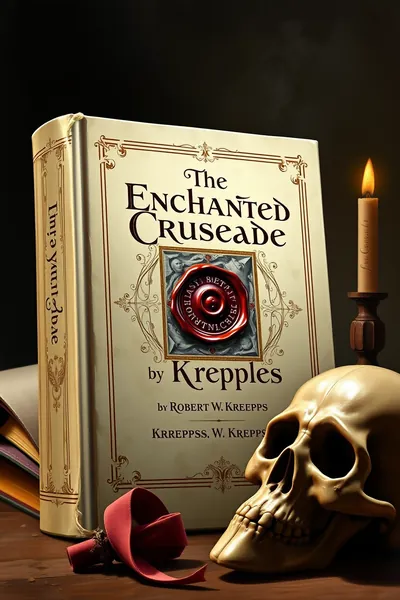
2005 Wicca Almanac (Llewellyn's Wicca Almanac)

 83
83

2005 Wicca Almanac (Llewellyn's Wicca Almanac)
The 2005 Wicca Almanac from Llewellyn offers a solid, if predictable, set of resources for the Wiccan practitioner. Its strength lies in its comprehensive calendar, detailing not just the Sabbats and Esbats but also significant astrological conjunctions that could inform ritual planning. The inclusion of articles, while varied in quality, provides glimpses into different facets of witchcraft, such as the 2005 edition's exploration of specific herbal correspondences. However, the almanac's primary limitation is its inherent annual focus; the content, beyond basic astrological data and traditional lore, can feel somewhat repetitive year to year. The section on divination techniques, for instance, offers a competent overview but rarely pushes beyond established methods. Ultimately, this volume serves as a functional, reliable guide for its intended audience, fulfilling its role as a yearly companion rather than a revolutionary text.
📝 Description
83
Llewellyn's 2005 Wicca Almanac offers practical guidance for modern witchcraft practitioners.
This annual publication from Llewellyn provides a calendar for the year 2005, detailing astronomical events, astrological influences, and the traditional Wiccan sabbats and esbats. It includes articles on diverse pagan practices, spellcraft, divination methods, and herbalism, designed to support consistent magical and spiritual engagement throughout the year. The almanac is aimed at individuals involved in Wiccan or neo-pagan traditions. It serves practitioners of all levels, from those seeking to deepen their understanding and align their practice with seasonal cycles, to newcomers needing a structured guide to the year's observances. Readers interested in the practical application of witchcraft, such as herbal remedies, spellwork, and astrological insights tied to pagan festivals, will find it especially useful. It also offers value for those studying the development of modern paganism.
Published in 2005, this almanac appeared during a period of growth for Wicca and neo-paganism. Following foundational works in the mid-20th century, such as those by Gerald Gardner, and later popularization by authors like Scott Cunningham, Llewellyn's almanacs became important resources for a growing community. The early 2000s saw increased online discussion and the formation of many small pagan groups. In this environment, accessible, year-specific guides were crucial for community connection and shared practice, differentiating them from earlier, more private occult groups.
💡 Why Read This Book?
• Gain practical astrological insights specific to the 2005 calendar year, allowing for precise timing of rituals and spellwork beyond generic advice. • Explore varied articles on witchcraft topics, offering concrete techniques for spellcraft and herbalism that you might not encounter in broader occult texts. • Understand the cyclical energies of the Wheel of the Year through the almanac's detailed breakdown of Sabbats and Esbats, providing a framework for consistent spiritual practice.
⭐ Reader Reviews
Honest opinions from readers who have explored this book.
❓ Frequently Asked Questions
What is the significance of the Wheel of the Year in Wicca as presented in the 2005 Almanac?
The 2005 Wicca Almanac explains the Wheel of the Year as a cycle of eight seasonal festivals, including Samhain and Beltane, marking the earth's annual journey and offering specific energies for magical work throughout 2005.
Does the 2005 Wicca Almanac offer guidance on spellcasting?
Yes, the almanac typically includes articles and suggestions for spellcasting, often aligning them with the astrological transits and lunar phases relevant to 2005, providing practical applications.
Can beginners use the 2005 Wicca Almanac?
Absolutely. The almanac provides foundational information on Wiccan holidays, basic correspondences, and practical tips that are accessible to those new to the Craft in 2005.
What kind of articles are typically found in Llewellyn's Wicca Almanacs?
Articles cover a range of topics such as herbalism, divination methods, deity work, and explorations of specific sabbat traditions, offering diverse perspectives for the 2005 practitioner.
How does the 2005 Almanac help with daily or monthly practice?
It offers lunar phase information and astrological insights for 2005, enabling practitioners to plan rituals, meditations, and magical workings in alignment with celestial movements.
Is the 2005 Wicca Almanac outdated for current practice?
While the specific astrological data is for 2005, the core principles of the Wheel of the Year, general correspondences, and articles on witchcraft techniques remain relevant for contemporary practitioners seeking historical context.
🔮 Key Themes & Symbolism
The Wheel of the Year
This almanac centers on the cyclical understanding of time fundamental to Wicca, known as the Wheel of the Year. It details the eight major Sabbats—like Yule, Ostara, and Samhain—and the twelve monthly Esbats, corresponding to lunar cycles. Each point on the Wheel is presented as possessing unique energies and opportunities for ritual and magical practice throughout 2005, encouraging practitioners to align their activities with these natural rhythms for enhanced spiritual connection and effectiveness.
Astrological and Lunar Influences
A significant component of the 2005 Wicca Almanac involves mapping celestial events onto the pagan calendar. It provides specific details on planetary transits, moon phases, and significant astrological conjunctions for the year. This information is presented not merely for observation but as a practical tool to inform spellcasting, ritual timing, and divination, allowing practitioners to harness specific cosmic energies for their magical endeavors.
Practical Witchcraft Techniques
Beyond calendrical and celestial information, the almanac includes diverse articles offering practical guidance on various witchcraft disciplines. These often encompass herbalism, including specific plants and their uses, as well as methods for spellcraft, consecration, and divination. The focus is on providing actionable advice that readers can integrate into their personal practice throughout 2005, making the almanac a functional resource for daily magical work.
Pagan Observances and Correspondences
The almanac serves as a reference for the traditional observances and symbolic language of Wicca. It details correspondences—such as colors, stones, herbs, and deities—associated with each Sabbat and Esbat. This helps practitioners build a richer understanding of the traditions and provides the symbolic elements necessary for crafting meaningful rituals and spells within the context of the 2005 pagan calendar.
💬 Memorable Quotes
Direct passages from the work, attributed to the author.
“The energy of Ostara is one of renewal and burgeoning life, perfect for spells of growth and new beginnings.”
— This statement highlights the concept of seasonal energies in Wicca, suggesting that specific times of the year are inherently suited for particular types of magical work, like planting seeds or initiating new projects.
“Aligning your ritual with the Full Moon enhances its manifestation potential.”
— This emphasizes the practical application of lunar cycles in witchcraft, positing that working with the Full Moon's amplified energy can increase the effectiveness of spellcasting and ritual outcomes.
“The lore surrounding Samhain speaks of the thinning veil between worlds.”
— This interpretation refers to the significant theme of the ancestor veneration and spirit communication associated with the Samhain festival, a key date on the Wiccan calendar.
💡 Key Ideas
Editorial paraphrase of the work's core concepts — not direct quotes.
Each herb carries its own vibration, useful for specific magical purposes.
This paraphrase points to the doctrine of correspondences in herbalism, where specific plants are believed to possess unique energetic properties that can be utilized in spellcraft and healing rituals.
Understanding the symbolism of Yule connects us to the deep earth and the promise of the sun's return.
This paraphrased concept illustrates how seasonal festivals like Yule are imbued with symbolic meaning related to themes of darkness, rebirth, and the cyclical nature of light and life.
🌙 Esoteric Significance
Tradition
This almanac fits within the broader Neo-Pagan and Wiccan traditions, which draw eclectically from various esoteric sources, including Celtic, Norse, and Hermetic streams, but are largely a 20th-century synthesis. It departs from older, more formalized European magical systems by emphasizing personal experience, nature cycles, and a decentralized practice. Its annual format reinforces the cyclical, immanent divine focus characteristic of modern Wicca, rather than the linear or transcendent focus found in some older traditions.
Symbolism
Key symbols include the Wheel of the Year, representing the cyclical nature of life, death, and rebirth through its eight major festivals. The Moon, particularly its phases, is central, symbolizing the divine feminine, intuition, and the ebb and flow of magical energies. The Sun represents the divine masculine, power, and the turning of the seasons, especially prominent during solstices like Yule and Litha.
Modern Relevance
Contemporary practitioners of Wicca and related earth-based spiritualities continue to use annual almanacs as practical guides. Thinkers and groups focused on sustainable living, eco-spirituality, and the integration of nature's cycles into daily life often draw upon the foundational concepts presented in these yearly resources. Modern witchcraft courses and online pagan communities frequently reference the almanac's structure for understanding seasonal rituals and correspondences.
👥 Who Should Read This Book
• Beginning practitioners of Wicca and modern witchcraft seeking a structured guide to the year's Sabbats, Esbats, and essential correspondences. • Experienced Wiccans looking for a convenient annual reference to align their spellwork and rituals with specific lunar phases and astrological events of 2005. • Students of comparative religion and esoteric studies interested in the practical application and evolution of 20th and early 21st-century pagan traditions.
📜 Historical Context
Llewellyn's 2005 Wicca Almanac was published at a time when modern paganism, particularly Wicca, had moved beyond its mid-20th century roots established by figures like Gerald Gardner and Doreen Valiente. The early 2000s represented a period of significant mainstreaming and diversification for these traditions. Unlike the more insular occult circles of earlier decades, by 2005, paganism was more visible, with numerous books, festivals, and online communities. This almanac served a community that, while growing, still relied on structured, accessible resources to work through the year's practices. It offered a counterpoint to the more academic or historical approaches to witchcraft that were also gaining traction, focusing instead on immediate, practical application for contemporary adherents. While authors like Scott Cunningham had popularized simpler forms of Wicca in the preceding decades, Llewellyn's almanacs continued to provide a consistent, year-to-year reference point for a wide audience, distinguishing it from niche publications.
📔 Journal Prompts
Reflect on the specific energies of the 2005 Ostara season as described in the almanac.
Consider how the Full Moon correspondences for this year's Esbats might influence your personal magic.
Document a ritual you performed during a 2005 Sabbat, noting its connection to the Wheel of the Year.
Explore the herbal correspondences for Litha presented in the almanac and their potential uses.
Analyze the astrological insights provided for Beltane and their relevance to your spiritual goals.
🗂️ Glossary
Sabbat
One of the eight major festivals in the Wiccan Wheel of the Year, celebrating significant points in the agricultural and solar cycles, such as Yule, Beltane, and Samhain.
Esbat
A ritual or celebration held in honor of the Moon, typically occurring during the Full Moon and sometimes New Moon, observed monthly in Wiccan practice.
Wheel of the Year
A Wiccan cyclical calendar representing the annual progression of seasons, marked by eight Sabbats, symbolizing the eternal rhythm of life, death, and rebirth.
Correspondences
The symbolic associations (e.g., colors, herbs, stones, deities) attributed to specific times, elements, or magical workings, used to enhance ritual and spellcraft.
Astrological Transits
The movement of planets and other celestial bodies relative to the fixed stars and to each other, often interpreted for their influence on earthly events and magical practices.
Divination
The practice of seeking knowledge of the future or the unknown by supernatural means, using tools like tarot cards, runes, or scrying.
Consecration
The act of dedicating or setting apart a person, object, or place for sacred purposes, often involving ritual purification and blessing.
🔮 Readers Also Liked
Browse all →








More by Llewellyn Publications
All books →



More Free Magic & Ritual Books
View all →