100% Free & Public Domain 16,000+ Esoteric Books No Registration Needed
Home Collections Voodoo
🎭

Voodoo: Exploring Its Esoteric Roots and Spiritual Practices

Voodoo, often misunderstood and sensationalized, is a profound and complex spiritual tradition with deep roots in West Africa, brought to the Americas through the transatlantic slave trade. Far from the caricatures often portrayed in popular culture, Voodoo (or Vodou, its Haitian Creole spelling) is a vibrant, life-affirming religion that offers a framework for understanding the universe, connecting with the divine, and navigating daily life. It is a syncretic faith, blending ancestral African beliefs with elements of Roman Catholicism, adapting and evolving as it spread through the Caribbean, particularly Haiti, and into regions like Louisiana.

At its core, Voodoo revolves around the veneration of a supreme, unknowable creator, Bondye, and a pantheon of spirits known as the Loa. These Loa act as intermediaries between humanity and Bondye, each governing specific aspects of life, nature, and human experience. Practitioners, led by revered spiritual leaders such as Houngans (priests) and Mambos (priestesses), engage in rituals, ceremonies, and offerings to honor the Loa, seek their guidance, and maintain balance within their communities and the spiritual world. The practice of Voodoo emphasizes community, respect for ancestors, healing, and spiritual growth.

The historical journey of Voodoo is one of resilience and adaptation. Forced into secrecy and often demonized by colonial powers, Voodoo became a powerful source of resistance and identity for enslaved peoples. Its rituals provided solace, a sense of belonging, and a means of preserving cultural heritage in the face of immense oppression. The Haitian Revolution, a pivotal moment in history, is often cited as having spiritual underpinnings deeply connected to Voodoo, demonstrating its capacity to inspire collective action and liberation. Understanding this context is crucial to appreciating the true essence of this tradition.

Our Esoteric Library offers a unique opportunity to explore the multifaceted world of Voodoo through a selection of texts that touch upon related esoteric practices, spiritual beliefs, and historical accounts. While direct Voodoo texts from the public domain can be scarce due to the oral tradition and historical suppression, this collection provides foundational knowledge in magic, demonology, and spiritual systems that inform or parallel aspects of Voodoo. Discover how concepts of spirit interaction, ritual, and the unseen world resonate across various traditions, offering a broader perspective on the spiritual landscape from which Voodoo emerged and flourished. We invite you to approach the study of this tradition with an open mind, seeking to understand its genuine spiritual significance.

Top Voodoo Books

25 Voodoo books
TRENDING
The Emerald City of Oz
📖
The Emerald City of Oz
Baum, L. Frank (Lyman Frank)
4.3
72
The Lost Princess of Oz
📖
The Lost Princess of Oz
Baum, L. Frank (Lyman Frank)
4.3
72
PAGE-TURNER
The Road to Oz
📖
The Road to Oz
Baum, L. Frank (Lyman Frank)
4.3
71
Ozma of Oz
📖
Ozma of Oz
Baum, L. Frank (Lyman Frank)
4.3
71
The Prophet
📖
The Prophet
Gibran, Kahlil
4.4
73
Human Animals
📖
Human Animals
Hamel, Frank
4.3
70
MUST READ
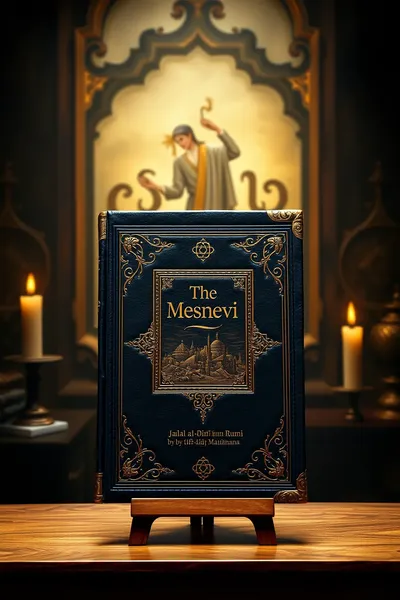
The Mesnevi
📖
The Mesnevi
Jalal al-Din Rumi, Maulana
4.3
70
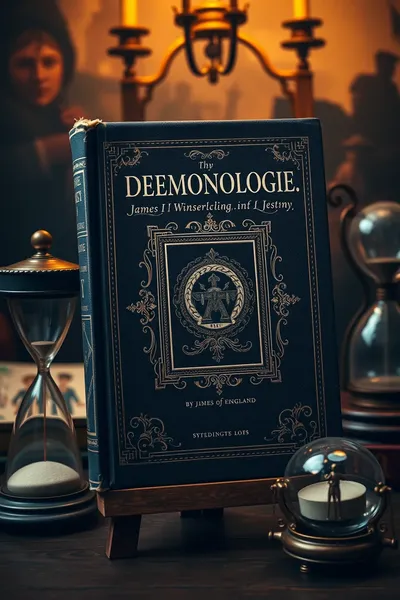
Daemonologie.
📖
Daemonologie.
James I, King of England
4.3
71
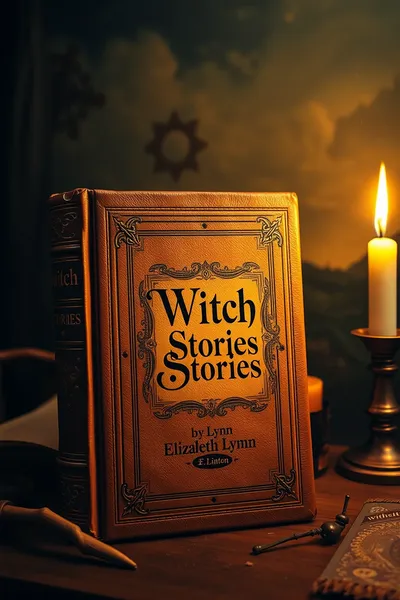
Witch Stories
📖
Witch Stories
Linton, E. Lynn (Elizabeth Lynn)
4.3
70
Cosmic Consciousness
📖
Cosmic Consciousness
Richard Maurice Bucke
4.4
74
HIDDEN GEM
Modern Magic
📖
Modern Magic
Schele de Vere, M. (Maximilian)
4.3
70
The Pursuit of God
📖
The Pursuit of God
Tozer, A. W. (Aiden Wilson)
4.3
72

Reading Order

Three paths · pick by your level

🌱

Beginner

  1. Modern Magic Offers a historical survey of magical practices, providing a broad context for understanding ritual and belief systems relevant to Voodoo.
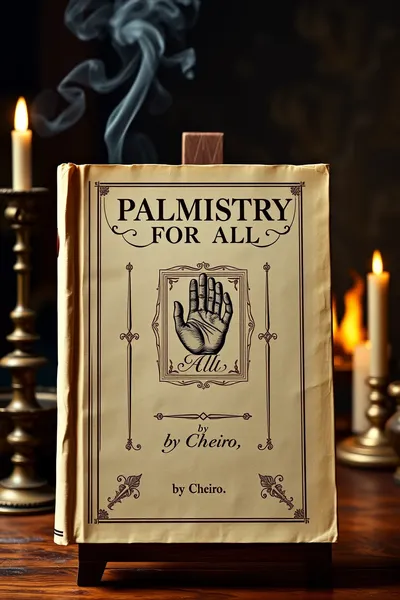
  2. Palmistry for All Introduces divination, a common element in many spiritual paths, including Voodoo, in an accessible and practical manner.
  3. Witch Stories Explores folklore and historical accounts of witchcraft, offering insights into societal perceptions of magic and spirit work.
🌿

Intermediate

  1. Daemonologie. Provides a historical and theological perspective on demonology and witchcraft, crucial for understanding the historical context of Voodoo's demonization.
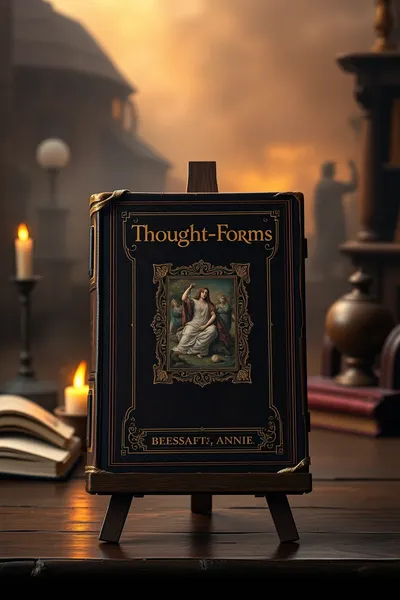
  2. Thought-Forms Explores esoteric concepts of mental energy and manifestation, offering a theoretical framework for understanding spiritual influence and intention in Voodoo.
  3. The book of Enoch An ancient apocryphal text discussing angels, fallen Watchers, and cosmic mysteries, providing background for esoteric cosmology and spirit hierarchies.
🌳

Advanced

  1. Pistis Sophia A complex Gnostic text revealing intricate cosmological and spiritual doctrines, offering a challenging exploration of esoteric Christianity's mystical depths.
  2. Human Animals Investigates historical accounts and folklore of lycanthropy and shapeshifting, connecting to the liminality and spiritual transformations found in Voodoo.
  3. Creative Evolution A philosophical treatise on the nature of life and consciousness, offering profound intellectual insights into the dynamic, evolving spiritual forces inherent in Voodoo.

Why Each Book Matters

Practical Mysticism

Practical Mysticism

"Practical Mysticism" offers guidance on developing spiritual awareness and experiencing deeper realities through contemplative practices. While the author is unknown, such texts typically provide exercises and insights for cultivating intuition, inner peace, and a connection to the divine, often drawing from various mystical traditions. This work, focusing on personal spiritual development, provides a general framework for understanding the pursuit of altered states and spiritual connection, which are also fundamental to the ritualistic and devotional aspects of Voodoo.

Body Types Journal

Body Types Journal

This "Body Types Journal," likely a generic or self-published work, offers a framework for understanding different physical constitutions or temperaments. While the specific content and publication details are unknown, such journals often explore ideas related to health, personality, and lifestyle based on physical characteristics. Its inclusion in a public domain library reflects the diverse range of human inquiry. While not directly related to Voodoo, it represents a human attempt to categorize and understand the self, a fundamental aspect of any spiritual journey.

The book of Enoch

The book of Enoch

"The Book of Enoch" is an ancient Hebrew apocalyptic religious text, traditionally attributed to Enoch, the great-grandfather of Noah. Composed primarily in the 3rd century BCE, it details Enoch's visions and journeys through heaven and earth, revealing secrets about fallen angels (the Watchers), the origins of demons, and the coming judgment. Though not directly Voodoo, this pseudepigraphal work is a cornerstone of Judeo-Christian esotericism, offering profound insights into cosmology, angelic hierarchies, and divine justice, which can enrich the understanding of spirit worlds in other traditions like Voodoo.

Pistis Sophia

Pistis Sophia

"Pistis Sophia" is an important Gnostic text from the early Christian era, likely composed in the 3rd or 4th century CE. It presents a complex cosmology and esoteric teachings attributed to Jesus Christ, explaining the journey of the soul, the nature of light, and the hierarchy of spiritual realms. This text, part of a collection discovered in the 18th century, offers a profound look into alternative Christian mystical traditions. Its intricate discussions of spiritual entities and salvation provide a challenging read for those interested in the deeper mystical frameworks that parallel the rich spiritual world of Voodoo.

The Emerald City of Oz

The Emerald City of Oz

by Baum, L. Frank (Lyman Frank)

The sixth book in L. Frank Baum's beloved Oz series, "The Emerald City of Oz" was published in 1910. In this installment, Dorothy brings her Aunt Em and Uncle Henry to live permanently in Oz, just as the Nome King plots to conquer the Emerald City. The story highlights themes of community, protection, and the enduring magic of Oz. While not related to Voodoo, Baum's creation of a vibrant, self-contained magical world offers a literary parallel to the rich cosmological systems and protective spiritual work found in various esoteric traditions.

The Lost Princess of Oz

The Lost Princess of Oz

by Baum, L. Frank (Lyman Frank)

Published in 1917, "The Lost Princess of Oz" is the eleventh book in L. Frank Baum's iconic series. The plot revolves around the mysterious disappearance of Princess Ozma, prompting a widespread search involving many beloved characters, including Dorothy, the Wizard, and Glinda the Good. This adventure emphasizes themes of quest, discovery, and the collective effort to restore balance. While a children's fantasy, its narrative of seeking a lost spiritual leader and restoring order can metaphorically resonate with the spiritual quests and community cohesion found within Voodoo.

The Road to Oz

The Road to Oz

by Baum, L. Frank (Lyman Frank)

The fifth book in the cherished Oz series by L. Frank Baum, "The Road to Oz" was published in 1909. It follows Dorothy and her new companions, the Shaggy Man and Button-Bright, on an unexpected journey to the Emerald City, encountering a colorful array of characters like Polychrome, the Daughter of the Rainbow. While a children's fantasy, its imaginative world and moral lessons offer a different kind of "esoteric" exploration—that of wonder and creative storytelling. It showcases Baum's genius for inventing magical lands, a form of enchantment distinct from Voodoo's spiritual practices.

Ozma of Oz

Ozma of Oz

by Baum, L. Frank (Lyman Frank)

This enchanting children's novel, published in 1907, continues Dorothy Gale's adventures in the magical land of Oz. After a storm at sea, Dorothy finds herself in the whimsical country of Ev, encountering new friends like Tik-Tok and Billina the Hen, and facing the formidable Princess Langwidere, who possesses 30 interchangeable heads. While not directly related to Voodoo, Baum's imaginative world-building and exploration of fantastical beings offer a parallel to the rich spiritual pantheon and storytelling found in various esoteric traditions. It's a testament to the power of imagination and the journey into unknown realms.

Creative Evolution

Creative Evolution

by Bergson, Henri

"Creative Evolution," published in 1907 by the influential French philosopher Henri Bergson, is a groundbreaking work that challenges mechanistic views of evolution. Bergson introduces the concept of *élan vital*, a vital impulse or life force driving evolutionary change, emphasizing intuition over intellect. While a work of philosophy rather than direct Voodoo study, its exploration of an inherent, dynamic life force and the continuous creation of novelty offers a profound intellectual parallel to the vibrant, living, and ever-evolving spiritual energies central to Voodoo.

Thought-Forms

Thought-Forms

by Besant, Annie

Co-authored by Theosophists Annie Besant and C.W. Leadbeater and first published in 1901, "Thought-Forms" explores the concept that thoughts generate energetic forms visible to clairvoyant sight. The book presents detailed illustrations and explanations of how emotions and ideas manifest as distinct auric patterns and colors. While rooted in Theosophy, its exploration of mental energy and its impact on the spiritual and physical realms offers an intriguing parallel to the intentionality and spiritual influence central to Voodoo practices, where focused thought and ritual can invoke specific energies.

Palmistry for All

Palmistry for All

by Cheiro

Written by the renowned palmist Cheiro (Count Louis Hamon) and published in 1916, "Palmistry for All" is a popular guide to the art of chiromancy. The book provides clear instructions and illustrations for interpreting the lines, mounts, and signs on the hand, offering insights into personality, health, and future events. As a practical system of divination, it aligns with the broader esoteric interest in understanding destiny and personal attributes through symbolic means. This practice, while distinct, resonates with the quest for spiritual insight common in Voodoo.

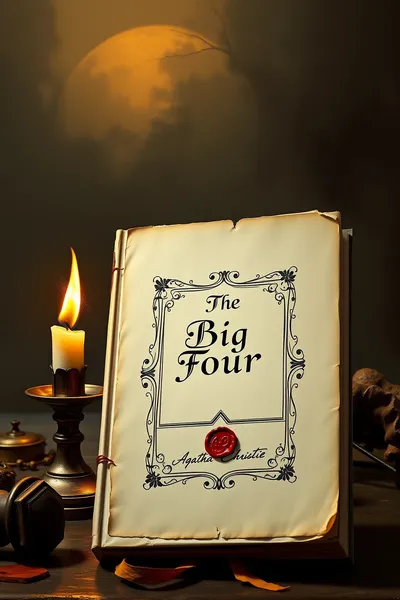
The Big Four

The Big Four

by Christie, Agatha

This thrilling Hercule Poirot mystery, published in 1927 by the acclaimed Agatha Christie, sees the Belgian detective facing an international criminal organization known as "The Big Four." The group comprises a Chinese political mastermind, a French scientist, an American millionaire, and a mysterious "Destroyer." While a classic of detective fiction, it stands apart from the esoteric themes of Voodoo. Its inclusion in a public domain library showcases the breadth of available literature, inviting readers to explore diverse genres alongside spiritual texts, appreciating the varied forms of human storytelling.

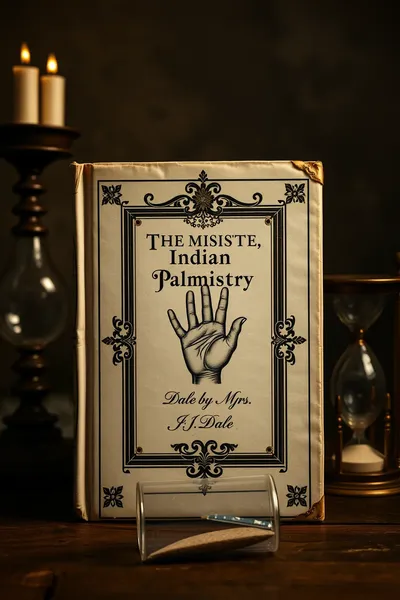
Indian Palmistry

Indian Palmistry

by Dale, J. B., Mrs.

"Indian Palmistry," by Mrs. J. B. Dale, offers an introduction to the ancient art of reading palms as practiced in India. Published in 1895, this book details the interpretations of lines, mounts, and shapes on the hand to reveal insights into an individual's character, destiny, and future. As a form of divination, palmistry shares common ground with various esoteric practices, including those found within Voodoo, where seeking guidance and understanding through symbolic interpretation is key. It provides a fascinating comparative study of different systems for uncovering hidden knowledge.

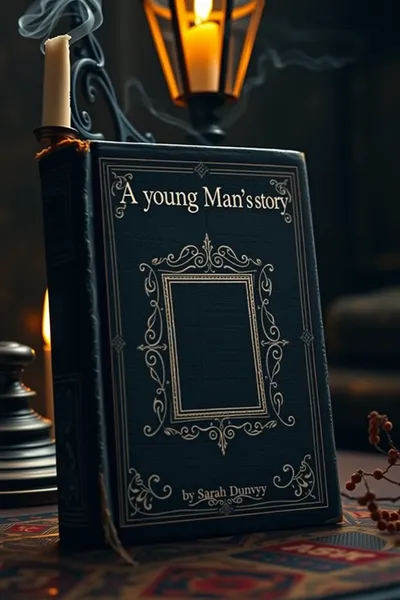
A young man's story

A young man's story

by Doudney, Sarah

"A Young Man's Story" by Sarah Doudney, likely a Victorian-era novel, typically follows the moral and personal development of a young protagonist through life's challenges and triumphs. Doudney, a prolific author of children's and religious fiction, often infused her narratives with themes of virtue, perseverance, and faith. While not related to Voodoo, this type of character-driven narrative reflects broader human concerns about morality and destiny, offering a glimpse into the social and ethical considerations prevalent in literature of its time.

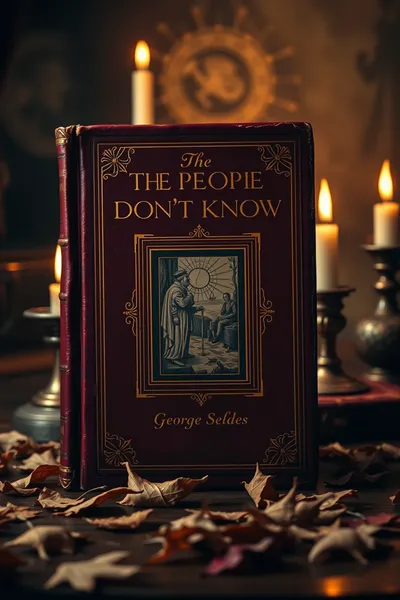
The People Don't Know

The People Don't Know

by George Seldes

"The People Don't Know" by George Seldes, published in 1949, is a critical examination of media bias and propaganda, particularly in the context of post-World War II American journalism. Seldes, a pioneering investigative journalist, exposed how powerful interests manipulate public opinion by controlling information. While a work of journalism and social critique, it highlights the importance of discerning truth from misinformation. This theme, though distinct from Voodoo, encourages critical thinking, a valuable skill when approaching any complex spiritual tradition.

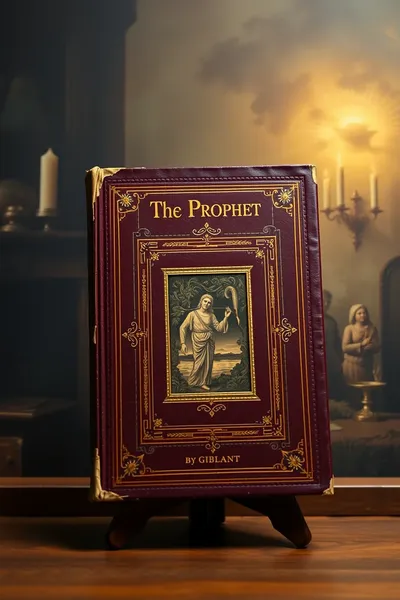
The Prophet

The Prophet

by Gibran, Kahlil

A profound work of philosophical fiction, "The Prophet" by Kahlil Gibran was first published in 1923 and presents the wisdom of Almustafa, who, before departing the city of Orphalese, shares his insights on love, marriage, children, joy, sorrow, and more. While not directly addressing Voodoo, its poetic meditations on life, spirituality, and human experience resonate with the deep philosophical underpinnings of many belief systems, including the holistic worldview found in Voodoo. Gibran's timeless prose encourages introspection and a connection to universal truths.

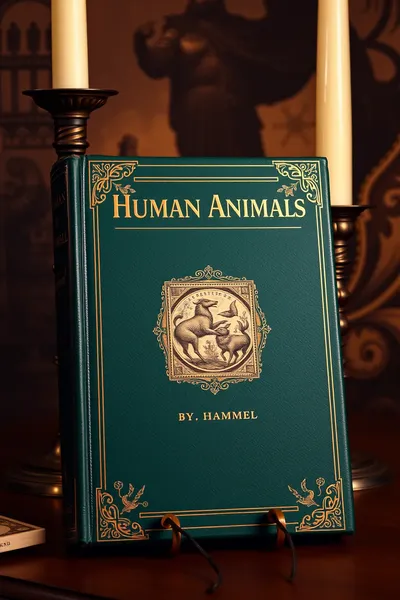
Human Animals

Human Animals

by Hamel, Frank

"Human Animals," written by Frank Hamel and published in 1915, explores the fascinating subject of lycanthropy and shapeshifting across various cultures and mythologies. The book delves into historical accounts, folklore, and psychological interpretations of individuals believed to transform into animals or possess animalistic traits. This exploration of the liminal space between human and animal, and the spiritual implications of such transformations, resonates with certain aspects of Voodoo, particularly its connection to nature, animal symbolism, and the spiritual forces embodied by the Loa.

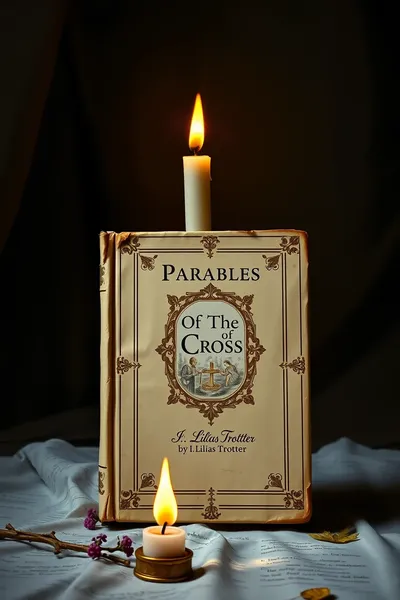
Parables Of The Cross

Parables Of The Cross

by I. Lilias Trotter

"Parables Of The Cross" by I. Lilias Trotter is a devotional work, likely published in the late 19th or early 20th century, that uses allegories and illustrations inspired by nature to convey Christian spiritual truths. Trotter, a missionary and artist, aimed to inspire deeper faith and commitment through her evocative prose and drawings. While its focus is Christian, the use of symbolic storytelling and the pursuit of spiritual meaning through everyday observation resonate with the narrative and symbolic richness found in many spiritual traditions, including the interpretive nature of Voodoo rituals.

The Mesnevi

The Mesnevi

by Jalal al-Din Rumi, Maulana

"The Mesnevi," often spelled "Masnavi," is a monumental work of Sufi poetry from the 13th century, penned by the revered Persian poet and mystic Maulana Jalal al-Din Rumi. Comprising six books of didactic poetry, it explores complex spiritual teachings through parables, fables, and allegories, guiding readers towards divine love and inner realization. While distinct from Voodoo, Rumi's emphasis on spiritual devotion, the interconnectedness of all things, and the pursuit of ecstatic union with the divine offers a parallel to the profound spiritual quest found within many esoteric traditions.

Daemonologie.

Daemonologie.

by James I, King of England

Penned by King James I of England in 1597, "Daemonologie" is a philosophical dissertation on demonology, witchcraft, and magic, written in the form of a dialogue. The King's work reflects the fervent belief in the reality of witchcraft during the Renaissance, arguing for its existence and the necessity of its suppression. This historical text is crucial for understanding the European context of spiritual fears and persecution that often demonized non-Christian practices, including Voodoo, providing insight into the historical biases against such traditions.

Witch Stories

Witch Stories

by Linton, E. Lynn (Elizabeth Lynn)

Published in 1861, "Witch Stories" by E. Lynn Linton compiles historical accounts and folklore surrounding witchcraft and accusations of sorcery. Linton explores various cases, from medieval Europe to later periods, detailing the trials, beliefs, and social anxieties associated with magical practices. While reflecting a Victorian perspective, this collection offers valuable insight into the cultural perception of magic and its practitioners throughout history. It can help contextualize the historical demonization and misunderstanding that Voodoo has often faced.

The black pearl

The black pearl

by Lion, Marie

"The Black Pearl," authored by Marie Lion, is a romantic adventure novel that transports readers to exotic locales and weaves a tale of intrigue and passion. While the specific publication date is less prominent, the narrative typically involves hidden treasures, perilous journeys, and dramatic relationships. This work offers a glimpse into popular fiction of its era, providing entertainment and escapism. It stands as an example of diverse literature within the public domain, offering a contrast to the specialized spiritual texts on Voodoo, yet still part of a rich cultural tapestry.

Cosmic Consciousness

Cosmic Consciousness

by Richard Maurice Bucke

Published in 1901 by Canadian psychiatrist Richard Maurice Bucke, "Cosmic Consciousness" explores the concept of a higher form of consciousness that transcends ordinary self-awareness, characterized by an intuitive grasp of the universe's unity and immortality. Bucke examines historical figures and personal experiences to illustrate this evolutionary leap in human awareness. While a psychological and philosophical treatise, its exploration of expanded states of consciousness and spiritual illumination can be seen as a conceptual bridge to understanding the profound trance states and spiritual possessions central to Voodoo.

Modern Magic

Modern Magic

by Schele de Vere, M. (Maximilian)

Published in 1873, "Modern Magic" by M. Schele de Vere offers a fascinating historical survey of magical beliefs and practices across different cultures and eras. The author meticulously details various forms of divination, sorcery, and occult phenomena, from ancient Egyptian rites to European witchcraft. This work provides valuable context for understanding the broader landscape of magical thought, making it relevant for those studying the ritualistic and spiritual aspects of Voodoo. It highlights how beliefs in unseen forces and their manipulation have permeated human societies throughout history.

The Pursuit of God

The Pursuit of God

by Tozer, A. W. (Aiden Wilson)

"The Pursuit of God," published in 1948 by A. W. Tozer, is a classic work of Christian devotional literature that passionately calls believers to a deeper, more intimate relationship with God. Tozer emphasizes the importance of spiritual hunger, seeking God above all else, and experiencing His presence in daily life. While firmly rooted in evangelical Christianity, its themes of spiritual devotion, seeking the divine, and profound personal connection resonate with the intense spiritual commitment often found in Voodoo, albeit through a different theological lens.

Glossary

Loa
Divine spirits or intermediaries in Voodoo, serving as a connection between humanity and the supreme creator, Bondye. Each Loa governs specific domains and is honored through rituals.
Houngan
A Voodoo priest, responsible for leading ceremonies, communicating with the Loa, performing healings, and guiding their community in spiritual matters. They are central to maintaining religious traditions.
Mambo
A Voodoo priestess, holding a revered position similar to a Houngan. Mambos are spiritual leaders who conduct rituals, offer counsel, and facilitate communication with the Loa, embodying wisdom and spiritual power.
Veve
A symbolic drawing or diagram used in Voodoo rituals to invoke and represent a specific Loa. Created on the ground with cornmeal or other powders, Veves are sacred focal points for spiritual energy and offerings.
Syncretism
The blending of different religious or cultural beliefs and practices. Voodoo is a prime example, combining West African ancestral traditions with elements of Roman Catholicism, adapting to new environments.

FAQ

What is Voodoo?

Voodoo is a complex, syncretic West African diaspora religion, primarily practiced in Haiti and Louisiana, honoring a supreme creator and a pantheon of spirits called Loa. It blends African ancestral traditions with Roman Catholicism, emphasizing community, spirit veneration, and ritual. Voodoo involves ceremonies, music, dance, and offerings to connect with the Loa for guidance, healing, and protection, serving as a vibrant spiritual framework.

How do I start with Voodoo?

To begin understanding Voodoo, approach it respectfully, focusing on its historical and cultural context rather than sensationalized portrayals. Start by reading reputable historical and anthropological texts to grasp its origins, the role of the Loa, and the practices of Houngans and Mambos. Engaging with authentic sources helps dispel misconceptions and fosters genuine appreciation for this profound spiritual path.

What's the best book on Voodoo?

The best book on Voodoo depends on your interest, but scholarly works on its history and theology offer a solid introduction. For this collection, "Modern Magic" by Schele de Vere offers a broad context for understanding ritual and spirit work that is foundational to Voodoo. However, remember that Voodoo is primarily an oral tradition, so direct public-domain texts are rare.

Is Voodoo difficult to learn?

Voodoo, like any deeply rooted spiritual tradition, requires dedication, respect, and immersive study to truly understand its intricate practices and philosophy. It's not about "learning" from a single book but rather engaging with its community, history, and spiritual concepts over time. The complexities of its Loa, rituals, and ethical framework demand serious commitment, but its core tenets are accessible.

Can I download Voodoo books for free?

Yes, you can download books related to Voodoo, including historical accounts and general occult texts, for free from our library. While specific Voodoo liturgical texts are rare in the public domain, you'll find resources here that provide context and parallel spiritual insights, helping you explore the broader esoteric landscape surrounding Voodoo.

Esoteric Library
Browse Esoteric Library
📚 All 16,000+ Books 🜍 Alchemy & Hermeticism 🔮 Magic & Ritual 🌙 Witchcraft & Paganism Astrology & Cosmology 🃏 Divination & Tarot 📜 Occult Philosophy ✡️ Kabbalah & Jewish Mysticism 🕉️ Mysticism & Contemplation 🕊️ Theosophy & Anthroposophy 🏛️ Freemasonry & Secret Societies 👻 Spiritualism & Afterlife 📖 Sacred Texts & Gnosticism 👁️ Supernatural & Occult Fiction 🧘 Spiritual Development 📚 Esoteric History & Biography
Esoteric Library
📑 Collections 📤 Upload Your Book
Account
🔑 Sign In Create Account
Info
About Esoteric Library