What is Table Turning?
Table turning, also known as table tipping or table lifting, is a séance phenomenon where participants sit around a table, often holding hands, and attempt to elicit responses from spirits through the table's movement. Movements like rapping, tilting, or levitation were interpreted as communication, with a single rap for 'yes' and two for 'no'. This practice gained widespread popularity during the mid-19th century spiritualist movement, becoming a common feature of séances.
Best Books for Complete Beginners
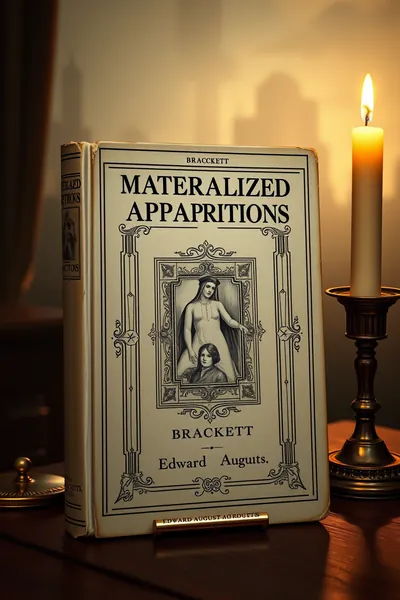
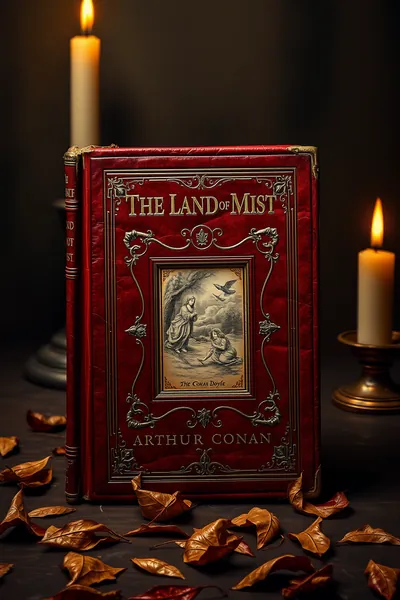
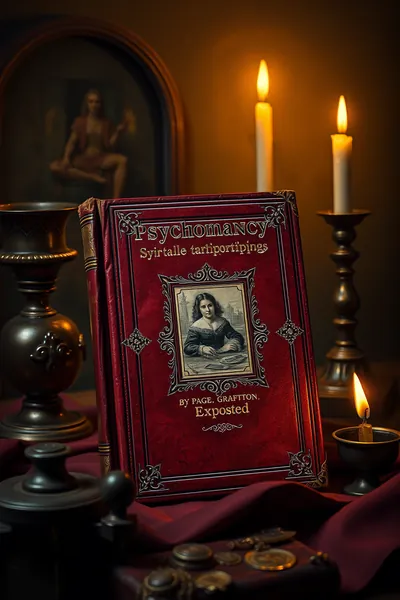
For those new to table turning, starting with foundational texts that document the phenomenon is recommended. Arthur Conan Doyle's 'The land of mist' (1926) offers a fictional yet insightful look into spiritualism and séances, providing context for the era. Edward Augustus Brackett's 'Materialized apparitions : if not beings from another life, what are they' (1884) presents an early, albeit sympathetic, examination of mediumistic phenomena that often involved table movements. Charles Grafton Page's 'Psychomancy: Spirit-Rappings and Table-Tippings Exposed' (1853) provides a critical, early look at the mechanics and potential trickery involved.
Intermediate Reading
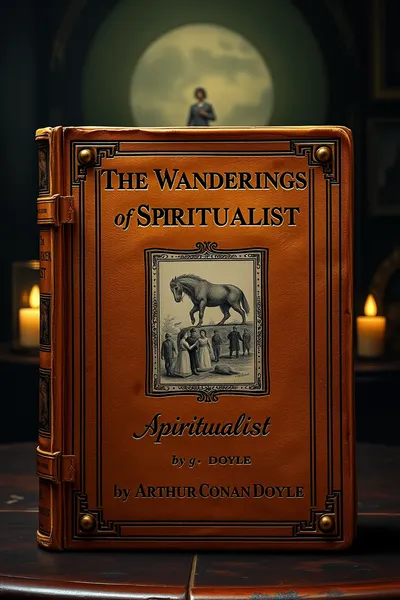
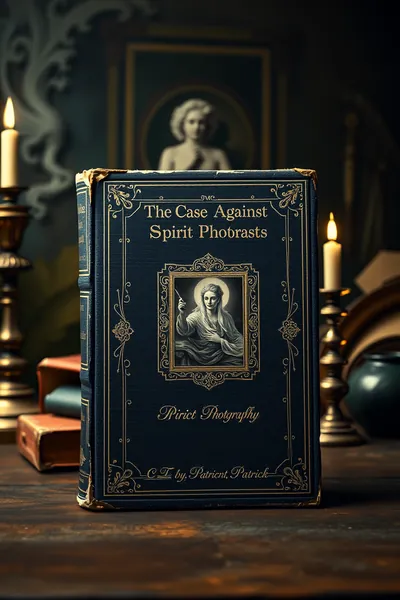
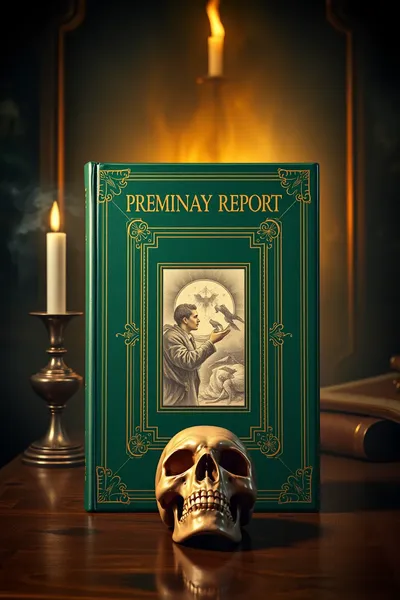
Moving beyond introductory material, intermediate readers can explore more detailed investigations and personal accounts. Arthur Conan Doyle's 'The Wanderings of a Spiritualist' (1921) offers his personal experiences and defense of spiritualism, including séances. The 'Preliminary Report of the Commission Appointed by the University of Pennsylvania to Investigate Modern Spiritualism' (1887) by the Seybert Commission provides a rigorous, albeit ultimately skeptical, scientific inquiry into various spiritualist phenomena, including table turning. C. Vincent Patrick's 'The Case Against Spirit Photographs' (1920) touches upon the broader context of fraudulent spiritualist practices, relevant to understanding séance deceptions.
Classical / Advanced Texts
For advanced study, primary source documents and historical analyses are crucial. Joseph Ennemoser's 'The History of Magic, Vol. 1 of 2' (1854) places spiritualist phenomena within a broader historical context of occult traditions. The 'Preliminary Report of the Commission Appointed by the University of Pennsylvania to Investigate Modern Spiritualism' (1887) remains a key document for its systematic approach to debunking. Séances and Statutes' by C. L'Estrange Ewen (1948) offers a historical perspective on the legal and societal implications of spiritualist gatherings.
Reading Order — Step by Step
Begin your study with Charles Grafton Page's 'Psychomancy: Spirit-Rappings and Table-Tippings Exposed' (1853) to understand early criticisms. In Week 2, read Arthur Conan Doyle's 'The land of mist' (1926) for a narrative context. Month 2 should focus on Edward Augustus Brackett's 'Materialized apparitions' (1884) and the Seybert Commission's 'Preliminary Report' (1887) for investigative perspectives. Month 3 can study Doyle's 'The Wanderings of a Spiritualist' (1921) for a proponent's view, followed by Joseph Ennemoser's 'The History of Magic' (1854) for historical depth.
Frequently Asked Questions
Which table turning book should I read first?
For a critical introduction, start with Charles Grafton Page's 'Psychomancy: Spirit-Rappings and Table-Tippings Exposed' (1853). If you prefer narrative context, Arthur Conan Doyle's 'The land of mist' (1926) is a good starting point.
Is table turning real?
Historical investigations, such as the Seybert Commission's report (1887), suggest that table movements were often caused by the ideomotor effect or deliberate fraud, rather than supernatural means.
What was the Seybert Commission?
The Seybert Commission was appointed by the University of Pennsylvania in the 1880s to investigate modern spiritualism. Their 'Preliminary Report' (1887) analyzed phenomena like table turning, ultimately concluding there was no evidence of supernatural agency.
How did mediums supposedly make tables move?
Mediums often claimed spirits influenced the table. Skeptics point to the ideomotor effect, where unconscious muscle movements from participants cause the table to shift, or outright trickery.
What is the connection between table turning and spiritualism?
Table turning was a central practice in the 19th-century spiritualist movement. It was one of the primary methods used by mediums to demonstrate spirit communication and convince believers of life after death.
Are there books that explain the science behind table turning?
While many historical texts describe the phenomenon, critical analyses like the Seybert Commission's report and discussions of the ideomotor effect offer scientific perspectives on why tables might move.
Who were prominent figures in the table turning era?
Prominent figures include Arthur Conan Doyle, a proponent of spiritualism, and investigators like the Seybert Commission. Early critics like Charles Grafton Page also documented the practice.
Where can I find primary source accounts of table turning?
Primary accounts can be found in the writings of spiritualists and mediums from the mid-19th to early 20th centuries, such as Arthur Conan Doyle's 'The Wanderings of a Spiritualist' (1921), and in investigative reports like the Seybert Commission's.