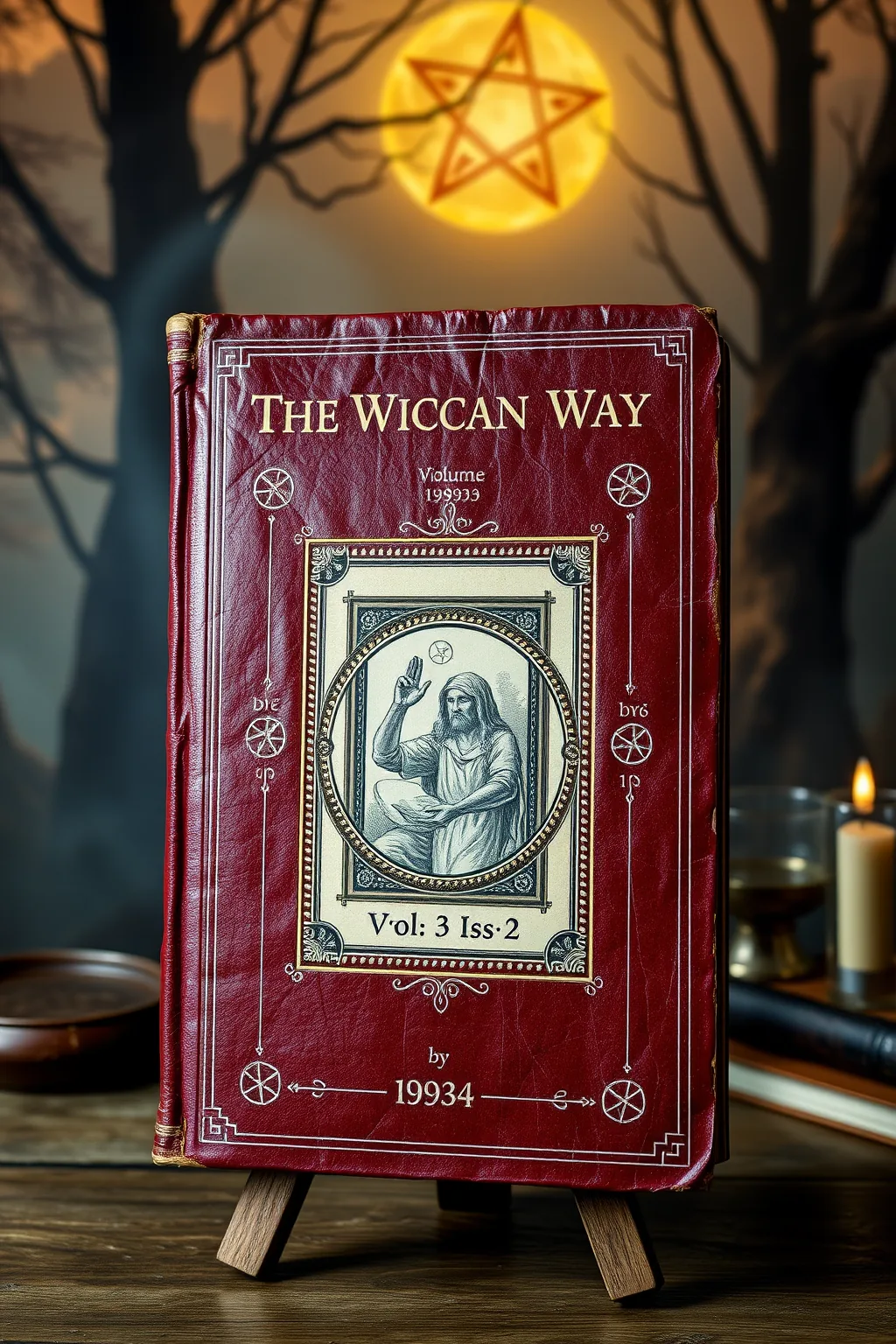
The Wiccan Way 1983: Vol 3 Iss 2
 84
84

The Wiccan Way 1983: Vol 3 Iss 2

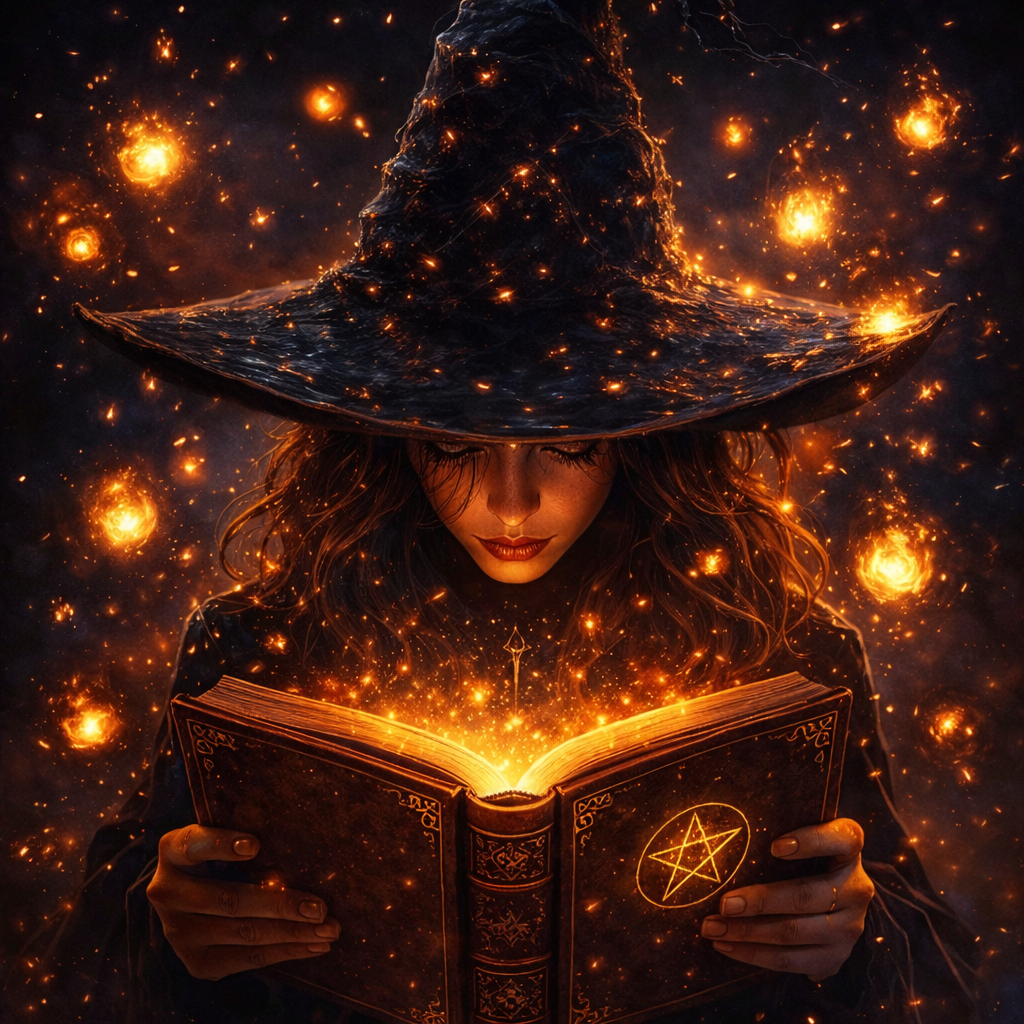

This issue of 'The Wiccan Way' offers a compelling glimpse into the early 1980s pagan landscape. As a practitioner and scholar of esoteric traditions, I found its unvarnished exploration of Wiccan principles particularly illuminating. The articles, though perhaps less polished than contemporary publications, possess an authentic rawness that speaks to genuine spiritual seeking. Its strength lies in its direct engagement with core concepts, providing accessible yet profound insights for both nascent witches and seasoned practitioners. It serves as an invaluable historical document for anyone interested in the evolution of modern Witchcraft.
📝 Description
84
The Wiccan Way, Vol. 3, Issue 2, published in 1983, is a rare look into mid-1980s witchcraft.
This 1983 issue of The Wiccan Way, Volume 3, Issue 2, offers a direct view into witchcraft and pagan thought from that period. The content includes essays and practical advice relevant to practitioners and those interested in esoteric philosophy. It captures a specific moment in the development of modern paganism, detailing ideas and practices as they were understood and shared then. The articles touch upon symbolism and philosophical aspects of the craft, aiming to shed light on its theories and application.
This publication is of interest for its historical documentation of Wiccan thought. It presents perspectives that were current in the early 1980s, a time of resurgence for these traditions. Readers can find discussions on connecting with the divine and the natural world, as articulated by those involved in the pagan revival of that era.
Published in 1983, this issue of The Wiccan Way belongs to the stream of modern pagan and esoteric literature that gained momentum in the latter half of the 20th century. It reflects a period where witchcraft traditions were actively being codified and disseminated, moving from more secretive circles into wider public awareness. The content likely engages with themes common in Gardnerian, Alexandrian, and other contemporary Wiccan traditions, alongside broader neopagan and nature-based spiritual movements of the time. Its publication date places it within the second wave of modern paganism, following earlier foundational works.
💡 Why Read This Book?
Uncover the foundational wisdom of modern Wicca in this essential historical journal. 'The Wiccan Way' Vol. 3, Issue 2 offers direct access to the philosophical and practical currents of early 1980s paganism. Ideal for students of Witchcraft, spiritual seekers, and those wishing to understand the roots of contemporary pagan revival. Explore authentic perspectives and deepen your connection to the Craft.
⭐ Reader Reviews
Honest opinions from readers who have explored this book.
❓ Frequently Asked Questions
What is the primary focus of 'The Wiccan Way' Vol. 3, Issue 2?
This issue primarily focuses on the core tenets, practices, and philosophical underpinnings of contemporary Wicca and paganism as understood in 1983, offering insights into rituals, beliefs, and the spiritual path.
Who is the intended audience for this publication?
The intended audience includes practicing Wiccans, aspiring witches, scholars of religious studies, and anyone with a serious interest in paganism and esoteric traditions seeking foundational knowledge and historical context.
Is this a primary source for Wiccan history?
Yes, as a publication from 1983, it serves as a valuable primary source document offering direct insights into the state of Wiccan thought and practice during that era, reflecting the voices and ideas of the time.
What kind of content can I expect within this issue?
Readers can expect a variety of content, likely including essays on magical theory, ritualistic practices, seasonal observances, interviews, poetry, and book reviews relevant to the Wiccan and pagan communities of the early 1980s.
How does this issue relate to other Wiccan publications from the era?
This issue offers a specific snapshot of 'The Wiccan Way' journal. Its content and perspective would have contributed to the broader discourse within the developing pagan movement, alongside other contemporary newsletters and magazines.
🔮 Key Themes & Symbolism
Resurgence of Ancient Paths
This issue captures a key moment in the modern revival of Witchcraft and Paganism. It reflects a growing desire to reconnect with nature-based spirituality, earth-centered philosophies, and pre-Christian traditions. The content likely explores the reinterpretation of ancient myths, the rediscovery of herbal lore, and the establishment of new covens and spiritual communities. It speaks to a generation seeking alternative spiritual paths away from mainstream religions, emphasizing personal empowerment and direct experience of the divine.
The Art and Craft of Magic
Central to 'The Wiccan Way' is the exploration of magic as a disciplined art and a profound spiritual practice. Expect discussions on spellcraft, ritual construction, energy manipulation, and the ethical considerations involved in wielding magical forces. This theme explores the symbolic language of magic, the use of tools, and the importance of intention and focus. It presents magic not as mere trickery, but as a sacred technology for personal transformation and harmonious interaction with the universe's inherent energies.
Nature as Sacred Text
A core part of Wiccan and Pagan belief is the sacredness of the natural world. This issue likely emphasizes the cyclical rhythms of the seasons, the divine feminine inherent in the Earth Mother, and the masculine energy of the Horned God. Content may explore lunar cycles, planetary influences, and the spiritual significance of elements like earth, air, fire, and water. It encourages a deep reverence for all life, advocating for ecological consciousness and a harmonious coexistence with the planet.
💬 Memorable Quotes
Direct passages from the work, attributed to the author.
“Listen to the whispers of the wind; they carry ancient truths.”
— This highlights the importance of intuition and connecting with the natural world for spiritual guidance. It suggests that wisdom is not confined to books but can be found in the subtle energies and messages of the environment.
“The Goddess breathes life into the Moon's silver light.”
— This poetic line refers to the divine feminine principle, often associated with the Moon in Wicca. It signifies the creative, nurturing, and mystical power attributed to the Goddess, useful the night with her influence.
“Each stone holds a memory, each tree a spirit.”
— This emphasizes animism and the belief that all natural objects possess a spirit or consciousness. It encourages a perspective of deep respect and connection with the animate world, recognizing the inherent sacredness of all beings.
“To know thyself is the first step on the sacred path.”
— This ancient adage underscores the importance of introspection and self-awareness in spiritual development. True magical and spiritual progress begins with understanding one's own inner landscape, motivations, and potential.
💡 Key Ideas
Editorial paraphrase of the work's core concepts — not direct quotes.
The spiral turns, ever inward, ever outward.
This quote evokes the cyclical nature of life, death, and rebirth central to many pagan traditions. It suggests a journey of personal growth and spiritual evolution, moving from the individual self to the greater cosmos and back again.
🌙 Esoteric Significance
Tradition
This journal is firmly rooted in the modern Wiccan tradition, a contemporary revival of witchcraft drawing inspiration from ancient pagan practices, ceremonial magic, and folklore. It represents a significant strand within the broader Neopagan movement, focusing on the worship of a Goddess and a God, the celebration of nature's cycles, and the practice of ritual magic for personal and spiritual growth.
Symbolism
The symbolism within 'The Wiccan Way' likely encompasses a collection of pagan and occult imagery. Key symbols may include the Pentagram (representing the elements and spirit), the Triple Moon (Goddess in her maiden, mother, and crone aspects), the Horned God (representing virility, nature, and the wild), the Spiral (evolution, journey, and cosmic energy), and various runes or sigils used in magical workings. These symbols serve as potent visual representations of profound spiritual concepts and energies.
Modern Relevance
Despite its 1983 publication date, the themes explored in 'The Wiccan Way' remain highly relevant. Its emphasis on nature-based spirituality, personal empowerment, and the pursuit of esoteric knowledge speaks to contemporary seekers disillusioned by materialism and seeking deeper meaning. The principles of ritual practice, mindful living, and ecological awareness continue to offer valuable guidance for reading through the complexities of modern life and fostering a more conscious and connected existence.
👥 Who Should Read This Book
This issue is essential for anyone starting or deepening their journey into Wicca and Paganism. Beginners will find accessible introductions to core concepts and practices, offering a solid foundation. Scholars of religion and anthropology will appreciate its value as a primary historical document, providing firsthand accounts of the movement's development. Dedicated practitioners will discover insights and perspectives that can enrich their personal craft, while spiritual seekers drawn to earth-centered philosophies will find a compelling exploration of ancient wisdom adapted for modern times.
📜 Historical Context
Published in 1983, 'The Wiccan Way' Vol. 3, Issue 2 emerged during a period of significant growth and public awareness for modern Witchcraft and Paganism. Following the groundbreaking work of figures like Gerald Gardner and Doreen Valiente, the early 1980s saw a diversification and expansion of the Craft. This era was marked by increased accessibility to occult literature, the formation of numerous independent covens and groves, and a growing interest in earth-centered spirituality as an alternative to mainstream religions. The publication reflects a community actively shaping its identity, sharing knowledge, and establishing its place within the broader spiritual landscape. Digitization of such periodicals is crucial for understanding the grassroots development and ideological evolution of these traditions.
📔 Journal Prompts
Reflect on a recent experience in nature. What subtle messages or energies did you perceive?
Consider the concept of 'sacred text.' How does nature function as a sacred text for you?
Explore the symbolism of the spiral in your personal spiritual journey. Where has it appeared?
Write about a time you felt a strong connection to the divine feminine or masculine principle.
What ancient truth do you believe the wind is whispering to you today?
🗂️ Glossary
Wicca
A modern, nature-based religion and spiritual practice that draws inspiration from pre-Christian European paganism. It typically involves the worship of a Goddess and a God and the practice of ritual magic.
Paganism
A broad term encompassing a variety of polytheistic, animistic, and nature-based religions that often predate or exist outside of the Abrahamic traditions. Modern Paganism includes many diverse paths, such as Wicca, Druidry, and Asatru.
Esoteric
Relating to or for the initiated; intended for or understood by a small number of people with a specialized knowledge or interest, particularly concerning spiritual or mystical subjects.
Coven
A group of Wiccans, typically consisting of thirteen members, who meet for the purpose of conducting rituals and practicing magic together. Leadership is often shared or hierarchical.
Ritual
A set of actions performed in a prescribed order, often for religious or ceremonial purposes. In Wicca, rituals are used to connect with deities, celebrate sacred times, and perform magic.
This book appears in 2 collections
🔮 Readers Also Liked
Browse all →
![ERIC ED085284: World History. Volumes I and II. [Sahuarita High School Career Curriculum Project].](/img/thumb/eric-ed085284-world-history-volumes-i-and-ii-sahuarita-high-school-career-curriculum-project-eric.webp)







From the “Witchcraft” Collection
View all →





More Free Witchcraft & Paganism Books
View all →