Chapter Introduction: Introduction to Medieval and Early Modern Experiences of Gender and Faith

 72
72

Chapter Introduction: Introduction to Medieval and Early Modern Experiences of Gender and Faith

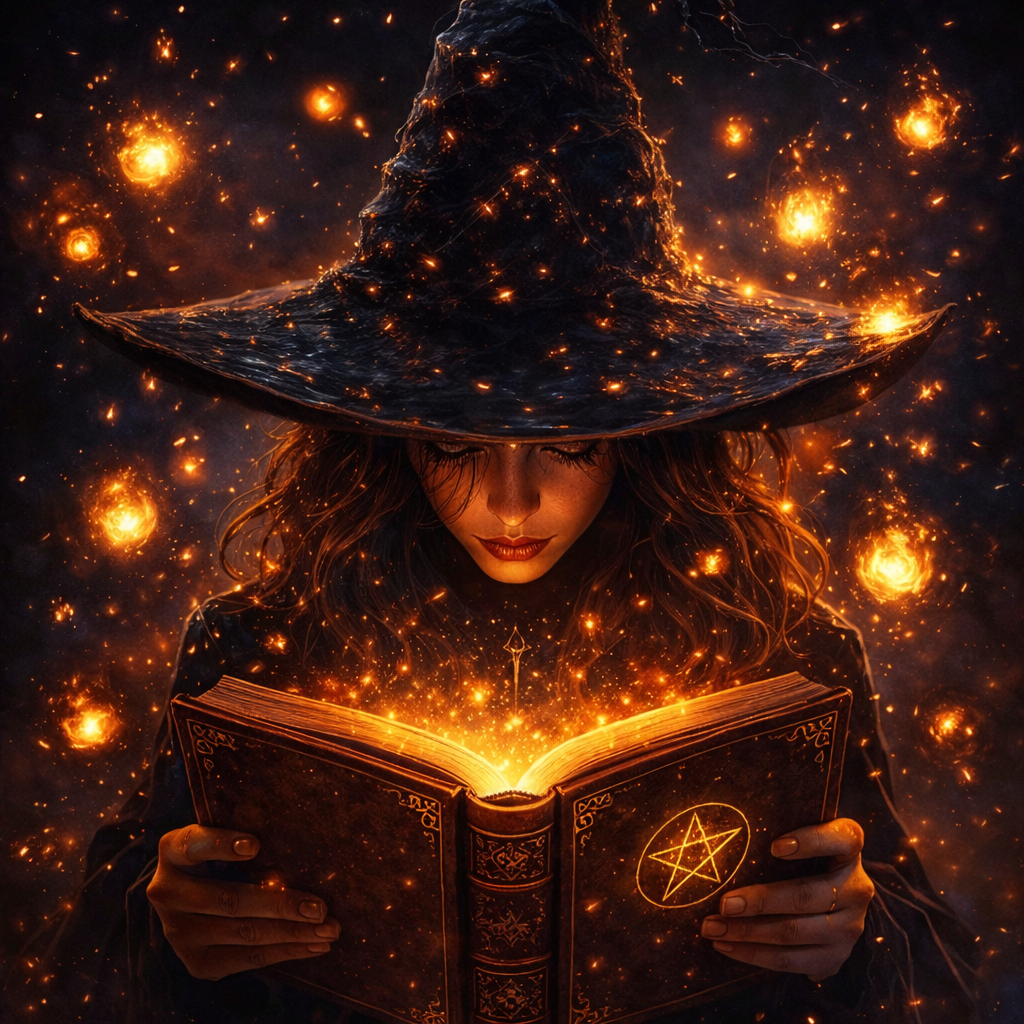

Isolde Whitaker (Sacred Texts Editor) — This foundational chapter offers a rare glimpse into the intersection of lived religion and gender during a period of profound societal and spiritual upheaval. Its strength lies in its nuanced exploration of power dynamics, agency, and the symbolic weight of concepts like sainthood and witchcraft. The authors masterfully blend conceptual depth with empirical evidence, making it an invaluable resource for scholars and practitioners alike. It illuminates the often-overlooked lived realities of faith, providing essential context for understanding historical esoteric practices and their impact on identity. A truly compelling read for anyone seeking deeper insights into the mystical underpinnings of the past.
📝 Description
72
This 14th to 18th century gender and faith study examines personal devotion and witchcraft.
This chapter introduction considers the intersection of faith and gender in medieval and early modern Europe, specifically from the fourteenth to the eighteenth centuries. It moves beyond simple historical recounting to investigate personal devotion, the symbolism of saints, and narratives of witchcraft. The text looks at how social frameworks, spiritual aims, and individual decisions influenced people's lives.
The author addresses the ways power, personal freedom, and belief operated within these spiritual contexts. It highlights the subtle connections between the sacred and the everyday, as well as the dynamics of spiritual storytelling. The work aims to give readers a clearer sense of how spiritual aspirations and societal expectations shaped individual experiences during this period.
This work situates itself within a study of historical spirituality, focusing on less commonly discussed aspects of faith and gender. It examines the personal and often hidden dimensions of religious experience, including the symbolic language employed by individuals and communities to understand their relationship with the divine. By looking at phenomena like sainthood and witchcraft, it touches upon beliefs and practices that existed outside mainstream religious institutions, revealing alternative ways of understanding spiritual power and agency in medieval and early modern society.
💡 Why Read This Book?
Embark on a journey through centuries of transformative spiritual and social change. This chapter offers unique insights into the hidden lives of individuals navigating faith and gender during the Reformation. Discover the intricate connections between power, agency, and belief, and understand the symbolic resonance of sainthood and witchcraft. Ideal for seekers of lost knowledge and scholars of esoteric history.
⭐ Reader Reviews
Honest opinions from readers who have explored this book.
❓ Frequently Asked Questions
What historical period does this chapter cover?
This chapter meticulously explores the period spanning the fourteenth to the eighteenth centuries, encompassing the late medieval era and the entirety of the Reformation and early modern periods.
What are the primary themes explored?
The chapter delves into themes of power, agency, work, family, sainthood, and witchcraft, examining their interplay with lived religion and gender experiences.
Is this book suitable for beginners interested in esoteric history?
Yes, this chapter serves as an excellent introduction, providing foundational knowledge and a compelling narrative that can ignite interest in more advanced studies of mysticism and historical faith practices.
How does this chapter relate to the study of witchcraft?
It examines witchcraft not just as a historical phenomenon, but as a lens through which to understand contemporary beliefs about power, gender, and transgression within religious frameworks.
What is the significance of 'lived religion' in this context?
'Lived religion' refers to the personal, everyday practice and experience of faith, as opposed to formal doctrines, offering a more intimate and nuanced understanding of spiritual lives.
🔮 Key Themes & Symbolism
The Alchemy of Everyday Faith
This theme studies the 'lived religion' of medieval and early modern individuals, viewing their daily spiritual practices as a form of personal alchemy. It explores how faith was not just a set of doctrines, but a transformative force shaping identity, community, and individual agency. The chapter investigates how ordinary people sought the sacred in their work, families, and social interactions, revealing a profound interconnectedness between the mundane and the mystical, often imbued with symbolic meaning and personal ritual.
Elements of Power: Sainthood and Sorcery
Here, the chapter examines the dualistic perceptions of female power and spiritual authority. Sainthood, often representing divine favor and moral purity, is contrasted with witchcraft, which embodied feared and transgressive energies. This exploration highlights how societal anxieties and desires were projected onto these figures, revealing the complex interplay of gender roles, religious orthodoxy, and the esoteric understanding of power dynamics that could elevate or condemn an individual within these historical contexts.
The Reformation's Shifting Sands of Spirituality
This theme focuses on how the seismic shifts of the Reformation era profoundly impacted personal faith and gendered experiences. It analyzes how traditional spiritual pathways were challenged, leading to new forms of devotion and a re-evaluation of spiritual authority. The chapter illustrates how this period of flux created both opportunities for expanded agency and increased scrutiny, particularly for women, forcing a renegotiation of their roles within religious and social spheres, and influencing the very perception of the sacred.
💬 Memorable Quotes
Direct passages from the work, attributed to the author.
“Agency bloomed in the shadows of divine will.”
— It implies that individual will and the capacity for action were often perceived and exercised within the perceived boundaries of divine predestination or influence.
“The hearth was an altar, the loom a sacred text.”
— This highlights the spiritual significance attributed to domestic labor and everyday tasks, elevating them to the field of religious devotion and hidden knowledge.
“Saints and sorcerers: two sides of the same potent coin.”
— This suggests a perceived continuum or inherent connection between figures of extreme spiritual power, whether divinely sanctioned or feared as malevolent.
“The Reformation whispered, then roared, changing the very language of the soul.”
— It conveys the profound and far-reaching impact of the Reformation on individual spirituality and religious expression, fundamentally altering the perception and articulation of the inner life.
💡 Key Ideas
Editorial paraphrase of the work's core concepts — not direct quotes.
Faith was not a mantle worn, but a fire within.
This quote suggests that true faith was an internal, transformative force, akin to a potent elemental energy, rather than a mere outward adherence to religious customs.
🌙 Esoteric Significance
Tradition
While not strictly aligned with a single codified esoteric tradition, this chapter illuminates the nascent stages of individualistic spiritual inquiry that would later inform various Western esoteric paths. It touches upon folk magic, devotional mysticism, and the early inklings of a personal relationship with the divine, which are foundational elements in traditions like Hermeticism, Rosicrucianism, and later occult revivals, emphasizing inherent spiritual potential.
Symbolism
The text implicitly explores potent symbols such as the hearth as a sacred space, the loom as a weaver of destiny, and the dual archetypes of the saint and the witch as embodiments of divine blessing versus feared transgression. These symbols reflect a worldview where the mundane was imbued with spiritual significance, and where power was understood through allegorical and often gendered lenses within the fabric of spiritual belief.
Modern Relevance
In our current age, which often grapples with secularization and a search for authentic spiritual connection, this chapter offers valuable insights into the enduring human need for meaning and transcendence. It reminds us that spiritual practices are deeply personal and context-dependent, and that understanding historical gender roles within faith can illuminate contemporary discussions about agency, power, and inclusivity within spiritual communities and beyond.
👥 Who Should Read This Book
Seekers of hidden histories will find this chapter a captivating gateway into the spiritual lives of past eras. Scholars of religious studies, gender studies, and occult history will appreciate its nuanced synthesis of empirical research and conceptual analysis. Practitioners of contemporary witchcraft and paganism can gain invaluable context for the historical roots and evolving perceptions of their traditions. Even beginners curious about the esoteric dimensions of human experience will find a compelling and accessible introduction to the profound interplay of faith, gender, and power across centuries.
📜 Historical Context
The period from the fourteenth to the eighteenth centuries was a crucible of transformation, marked by the waning of medieval scholasticism, the fervent spiritual awakenings of the Reformation, and the burgeoning intellectual curiosity of the Renaissance and Enlightenment. This era witnessed profound shifts in religious doctrine, social structures, and the very understanding of the cosmos. The increasing emphasis on individual experience, coupled with anxieties surrounding heresy and the unknown, created a fertile ground for diverse expressions of faith, from fervent mysticism and devotional practices to the intense scrutiny and persecution surrounding witchcraft. Understanding this dynamic context is crucial to grasping the complex interplay of power, gender, and belief as explored within this chapter.
📔 Journal Prompts
Reflect on a time you felt a strong connection between your daily tasks and a sense of the sacred. How did this imbue your actions with meaning?
Consider the archetypes of 'saint' and 'witch' in contemporary culture. What qualities do they represent, and how do they reflect societal anxieties or aspirations?
How might the concept of 'lived religion' differ from institutionalized religious practice today? What are the benefits and drawbacks of each?
Explore the ways in which gender roles have historically influenced or been influenced by spiritual or religious beliefs in your own cultural context.
Imagine you are a woman living during the Reformation. How might your understanding of power and agency be shaped by the religious and social changes around you?
🗂️ Glossary
Lived Religion
The personal, everyday practice and experience of faith, encompassing individual beliefs, rituals, and spiritual engagement beyond formal religious doctrines or institutions.
Agency
The capacity of individuals to act independently and make their own free choices, often within the constraints of social, economic, or religious structures.
Reformation
A major 16th-century European movement aimed at reforming the beliefs and practices of the Roman Catholic Church, which led to the establishment of Protestant churches.
Sainthood
The state of being recognized as holy or sacred, typically by religious authorities, often associated with miracles, virtue, and divine intercession.
Witchcraft
In historical contexts, often referred to practices, beliefs, and accusations of using supernatural powers, frequently associated with malevolent intent and often linked to marginalized individuals.
This book appears in 2 collections
🔮 Readers Also Liked
Browse all →




From the “Witchcraft” Collection
View all →




![John Todd [Illuminati And Witchcraft Exposed].pdf (PDFy mirror)](/img/thumb/john-todd-illuminati-and-witchcraft-exposed-pdf-pdfy-mirror.webp)


More Free Witchcraft & Paganism Books
View all →