Buck J D Nature And Aim Of Theosophy 1889
 82
82

Buck J D Nature And Aim Of Theosophy 1889

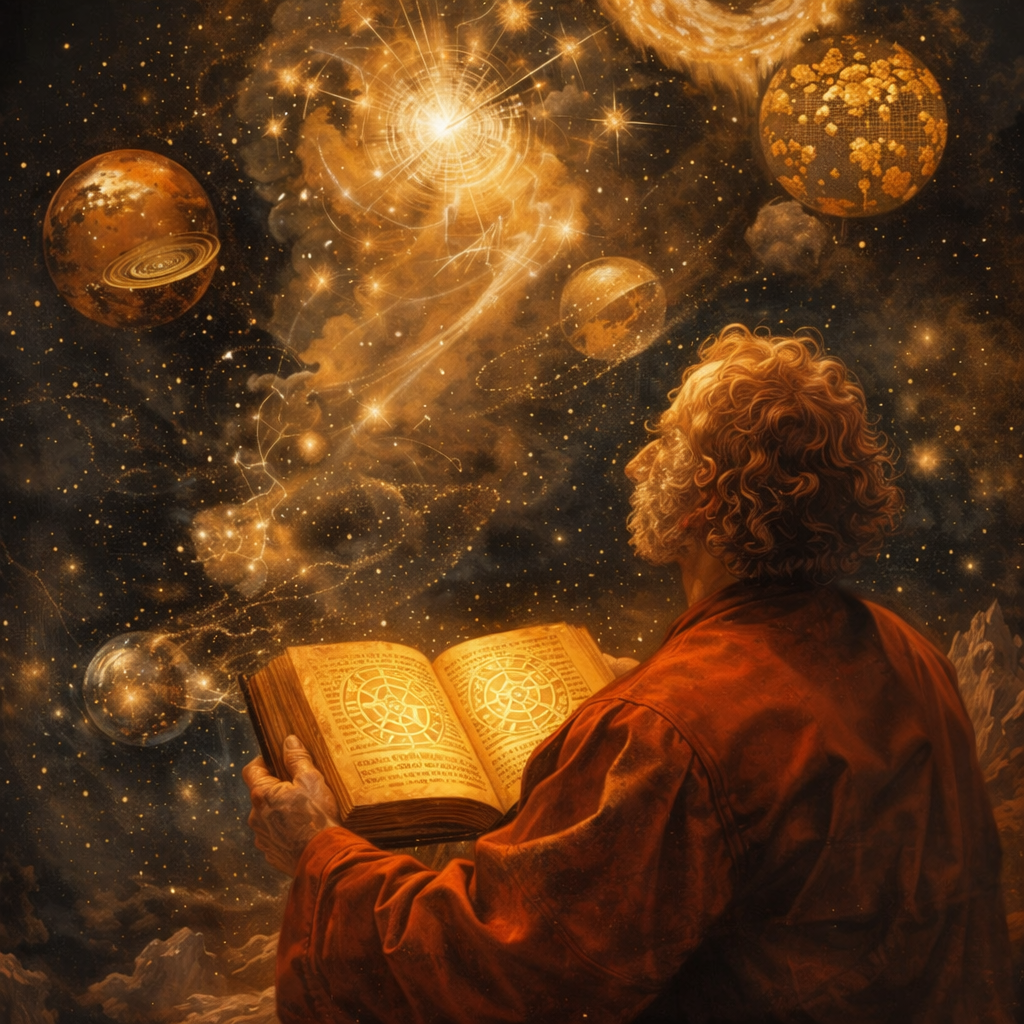

Buck J D's "Nature and Aim of Theosophy" (1889) remains a cornerstone of esoteric literature, providing timeless insights into the mystical dimensions of Theosophy. For modern seekers, this book offers a comprehensive introduction to the principles and practices of Theosophy, making it an invaluable resource for those delving into the occult and spiritual realms. The text's exploration of the unity of all religions and the interconnectedness of human existence resonates strongly with contemporary spiritual inquiries. Buck J D's clear and accessible writing style makes complex esoteric concepts approachable, even for those new to the subject. The book's historical significance cannot be overstated, as it captures the spirit of the late 19th-century spiritual renaissance. For anyone interested in deepening their understanding of Theosophy and its influence on modern spiritual thought, "Nature and Aim of Theosophy" is a must-read.
📝 Description
82
Published in 1889, 'Nature and Aim of Theosophy' by Buck J. D. outlines the core tenets of the movement.
This 1889 work by Buck J. D. addresses the fundamental principles of Theosophy. It aims to clarify the movement's structure and objectives for those unfamiliar with its doctrines. The book discusses the interconnectedness of spiritual and material existence, presenting Theosophy as a system that explains universal laws. It details the concept of a divine essence within humanity and its relationship to the cosmos. The author seeks to illuminate the symbolic meanings behind everyday realities, encouraging a deeper understanding of life's hidden layers. The text serves as an introduction to a philosophy that draws upon diverse ancient traditions.
Emerging in the late 19th century, Theosophy sought to synthesize elements from various Eastern and Western esoteric traditions, including Hinduism, Buddhism, Kabbalah, and Neoplatonism. It proposed a universal brotherhood of humanity and investigated comparative religion, philosophy, and science. The movement's aim was to uncover the latent spiritual capacities of humankind and to teach the unity of all religions. Buck J. D.'s text is a product of this specific historical moment, articulating the foundational ideas of a spiritual current that would influence later occult and New Age movements.
💡 Why Read This Book?
Reading "Nature and Aim of Theosophy" today offers readers a unique opportunity to explore the foundational principles of Theosophy and their relevance to modern spiritual practices. This book provides a structured approach to understanding the mystical traditions that have shaped human thought for centuries. Whether you are a seasoned esoteric seeker or a curious newcomer, this text offers profound insights into the interconnectedness of all beings and the journey towards spiritual enlightenment.
⭐ Reader Reviews
Honest opinions from readers who have explored this book.
❓ Frequently Asked Questions
Who is the author of 'Nature and Aim of Theosophy'?
The author of 'Nature and Aim of Theosophy' is Buck J D, a prominent figure in the Theosophical movement of the late 19th century.
What is the main focus of this book?
The main focus of this book is to explore the foundational principles and aims of Theosophy, including the unity of all religions and the study of comparative mythology.
Is this book suitable for beginners in esoteric studies?
Yes, this book is suitable for beginners due to its clear and accessible writing style, which makes complex esoteric concepts approachable.
🔮 Key Themes & Symbolism
The Nature of Reality
This theme explores the mystical understanding of reality, revealing the interconnectedness of all things and the divine essence that permeates the universe. It explores the hidden dimensions of existence and the symbolic language that encodes ancient wisdom.
Divine Essence Within
This theme focuses on the theosophical belief that each individual possesses a divine spark or essence. It examines the spiritual journey of self-discovery and enlightenment, providing insights into the nature of the soul and its connection to the cosmos.
Esoteric Symbolism
This theme explores the strong symbolism found in esoteric traditions, decoding the hidden meanings behind ancient symbols and rituals. It offers a deep dive into the mystical language that has been used for centuries to convey spiritual truths.
💡 Key Ideas
Editorial paraphrase of the work's core concepts — not direct quotes.
The divine spark within each being is the key to unlocking the mysteries of the universe.
This quote emphasizes the theosophical belief in the inherent divinity of all individuals.
The interconnectedness of all things reveals the hidden harmony of the cosmos.
This passage highlights the mystical understanding of the universe as a unified whole.
Symbolism is the language of the divine, encoding ancient wisdom in every form.
This quote underscores the importance of esoteric symbolism in conveying spiritual truths.
The spiritual journey is a path of self-discovery and enlightenment.
This passage invites readers to begin a transformative journey of the soul.
The veil between the physical and spiritual worlds is thin.
This quote suggests the accessibility of mystical experiences and the proximity of the divine realm.
🌙 Esoteric Significance
Tradition
This book belongs to the Hermetic and Theosophical traditions, drawing on ancient wisdom to reveal the hidden knowledge of the universe. It explores the mystical dimensions of existence and the interconnectedness of all things.
Symbolism
Key symbols in this book include the divine spark, the interconnected web of life, and the esoteric language of ancient rituals. These symbols encode spiritual truths and guide readers on their journey of self-discovery.
Modern Relevance
Today, , 'Nature and Aim of Theosophy' remains relevant for modern practitioners of theosophy and those interested in esoteric studies. It provides a framework for understanding the divine essence within all beings and the universal laws that govern the cosmos, making it a valuable resource for spiritual seekers and scholars alike.
👥 Who Should Read This Book
This book is ideal for beginners seeking an introduction to theosophical principles, scholars of esoteric studies looking to deepen their understanding, and spiritual seekers interested in exploring the mystical dimensions of existence. Practitioners of mystical arts will also find valuable insights and guidance in this text, as it offers a comprehensive exploration of hidden knowledge and ancient wisdom.
📜 Historical Context
Published in 1889, 'Nature and Aim of Theosophy' emerged during a time of great spiritual and intellectual ferment. The late 19th century saw a renewed interest in esoteric traditions and the occult, driven by figures like Madame Blavatsky and Helena Petrovna Blavatsky. Theosophy, with its roots in ancient wisdom traditions, offered a framework for understanding the divine essence within all beings and the universal laws that govern the cosmos. This book played a significant role in popularizing theosophical principles and influencing the development of modern spiritual movements. Its influence can still be seen in contemporary esoteric studies and mystical practices.
📔 Journal Prompts
Reflect on the concept of the divine spark within you. How does this idea influence your understanding of your own spirituality?
Consider the interconnectedness of all things. How does this concept manifest in your daily life?
Explore the symbolism found in ancient rituals and esoteric traditions. What hidden meanings do you uncover?
Reflect on the spiritual journey of self-discovery and enlightenment. What steps are you taking on this path?
Examine the veil between the physical and spiritual worlds. How can you thin this veil in your own experiences?
🗂️ Glossary
Theosophy
The study of the divine essence within all beings and the universal laws that govern the cosmos.
Hermetic Tradition
An esoteric tradition that draws on ancient wisdom to reveal the hidden knowledge of the universe.
Divine Spark
The innate divinity present within each individual, guiding their spiritual journey.
Esoteric Symbolism
The use of symbols and rituals to encode and convey spiritual truths and ancient wisdom.
Mystical Dimensions
The hidden, spiritual aspects of existence that lie beyond the physical realm.
This book appears in 2 collections
🔮 Readers Also Liked
Browse all →





From the “Theosophy” Collection
View all →




More Free Theosophy & Anthroposophy Books
View all →