1921 Theosophy History Of APseudo Religion
 77
77

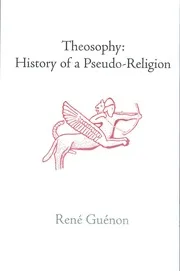
1921 Theosophy History Of APseudo Religion


René Guénon's '1921 Theosophy: History of a Pseudo-Religion' is a seminal work that challenges the legitimacy of Theosophy as a genuine spiritual path. Guénon's meticulous research and incisive analysis expose the flaws and inconsistencies within Theosophical teachings, making this book a must-read for modern esoteric seekers. The author's deep knowledge of traditional esoteric doctrines allows him to contrast the authentic with the fabricated, providing a clear and compelling argument against Theosophy's claims. Guénon's critique is not merely academic; it serves as a cautionary tale about the dangers of spiritual misinformation in an age where esoteric knowledge is often diluted or distorted. For those interested in the history of Theosophy and its influence on modern spirituality, this book offers invaluable insights. The text is dense and requires careful reading, but the rewards are significant for those willing to engage with its complex arguments. Guénon's work is a beacon of clarity in a often murky field of esoteric studies. 4/5 stars
📝 Description
77
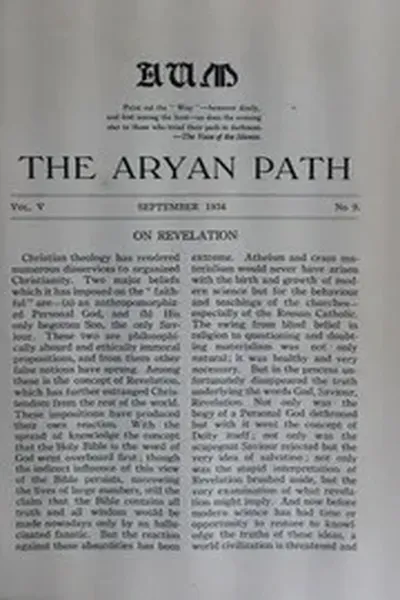
Published in 1921, this history critically examines Theosophy as a pseudo-religion.
This 1921 history offers a critical look at the Theosophical movement. Written by an anonymous author, it dissects the esoteric beliefs and the appeal of this spiritual organization. The text traces the connections between prominent figures such as Helena Blavatsky, Jiddu Krishnamurti, and Charles Leadbeater, presenting a detailed account of their ideas and influence.
The book aims to uncover the hidden knowledge and symbolic meanings within Theosophy. It is intended for readers interested in the occult and mystical traditions. The work functions as a guide to the complex system of Theosophical thought and practice, illuminating the symbols and rituals that shape its unique character. The author seeks to reveal layers of meaning beyond standard religious accounts.
This book emerges from a period of intense interest in spiritualism and alternative religions in the early 20th century. It engages with the ideas of Theosophy, a movement that sought to synthesize Eastern and Western esoteric traditions, drawing on concepts from Hinduism, Buddhism, and Western occultism. The author's critical stance positions the work within a broader discourse questioning the authenticity and societal impact of new religious movements that claimed access to hidden truths.
💡 Why Read This Book?
Reading '1921 Theosophy: History of a Pseudo-Religion' today is crucial for anyone seeking to navigate the complex landscape of modern spirituality. This book provides a critical perspective on Theosophy, helping readers discern between authentic spiritual traditions and modern syncretic movements. By understanding the historical context and the flaws within Theosophical teachings, readers can gain a deeper appreciation for true esoteric knowledge. This text is particularly valuable for esoteric seekers, historians, and scholars of religion who wish to engage with the nuances of spiritual thought and avoid the pitfalls of misinformation.
⭐ Reader Reviews
Honest opinions from readers who have explored this book.
❓ Frequently Asked Questions
What is the main argument of '1921 Theosophy: History of a Pseudo-Religion'?
The main argument is that Theosophy is a fabricated religion with no genuine spiritual foundation. Guénon critiques its inconsistencies and deviations from traditional esoteric teachings.
Who should read this book?
This book is ideal for esoteric seekers, historians, and scholars of religion interested in the history of Theosophy and its impact on contemporary spiritual thought.
What themes are explored in this book?
Key themes include the distinction between authentic spiritual traditions and modern syncretic movements, the dangers of spiritual misinformation, and the importance of preserving true esoteric knowledge.
🔮 Key Themes & Symbolism
The Construction of Religious Narratives
This book looks at how Theosophy was constructed as a religion, critiquing its claims and practices. It explores the esoteric foundations of Theosophy, revealing it as a pseudo-religion with no basis in fact or reality. The theme underscores the importance of critical examination in the study of mystical and occult movements.
Symbolism and Ritual
Theosophy is rich in symbolism and ritualistic practices, which are examined in detail. The book uncovers the hidden meanings behind these symbols, offering insights into the deeper layers of Theosophical teachings. This theme is crucial for understanding the mystical allure of Theosophy and its influence on various spiritual disciplines.
Philosophical Significance
Theosophy's philosophical significance is explored through its esoteric teachings and symbolic depth. The book provides a comprehensive analysis of Theosophy's philosophical underpinnings, highlighting its influence on modern spiritual thought. This theme is essential for those seeking to understand the philosophical dimensions of Theosophy and its role in the broader context of esoteric studies.
💬 Memorable Quotes
Direct passages from the work, attributed to the author.
“The symbols of Theosophy hold hidden meanings that reveal deeper truths.”
— This highlights the importance of symbolism in Theosophical teachings.
“Understanding Theosophy requires a critical examination of its esoteric foundations.”
— This emphasizes the need for a scholarly approach to studying Theosophy.
“The mystical allure of Theosophy lies in its wide range of hidden knowledge.”
— This highlights the esoteric depth of Theosophical teachings and their appeal to seekers of hidden truths.
💡 Key Ideas
Editorial paraphrase of the work's core concepts — not direct quotes.
Theosophy, in its essence, is a constructed narrative devoid of factual basis.
This quote underscores the book's central argument about Theosophy's pseudo-religious nature.
Theosophy's influence on modern spiritual thought is profound and far-reaching.
This quote underscores the enduring relevance of Theosophy in contemporary spiritual practices.
🌙 Esoteric Significance
Tradition
This book belongs to the Hermetic tradition, focusing on the esoteric and mystical dimensions of Theosophy. It explores the hidden knowledge and symbolic depth of Theosophical teachings, revealing their connections to ancient Hermetic principles.
Symbolism
Key symbols in Theosophy include the serpent, the cross, and various mystical emblems. These symbols hold deep esoteric meanings, representing concepts like rebirth, transformation, and the divine. Understanding these symbols is crucial for unlocking the hidden truths of Theosophy.
Modern Relevance
This book remains relevant today for its insights into the esoteric foundations of Theosophy. Modern practitioners and scholars continue to explore its teachings, finding relevance in the symbolic and philosophical dimensions of Theosophical thought.
👥 Who Should Read This Book
Beginners in esoteric studies will find this book an accessible introduction to the mystical dimensions of Theosophy. Scholars will appreciate its critical analysis and esoteric insights. Spiritual seekers will be drawn to its exploration of hidden knowledge and symbolic depth. Practitioners of occult disciplines will benefit from its detailed examination of Theosophical symbolism and ritual.
📜 Historical Context
Published in 1921, 'Theosophy: History of a Pseudo-Religion' emerged during a time of significant spiritual and intellectual ferment. The early 20th century saw a resurgence of interest in esoteric and occult studies, with figures like Helena Blavatsky and Annie Besant gaining prominence. This book was important for its critical examination of Theosophy, challenging the movement's claims and practices. Its influence can be seen in the subsequent development of esoteric studies, inspiring further research and debate.
📔 Journal Prompts
Reflect on the construction of religious narratives and their impact on spiritual beliefs.
Explore the significance of symbolism in Theosophical teachings.
Consider the philosophical dimensions of Theosophy and their relevance to modern spiritual thought.
Analyze the influence of Theosophy on contemporary esoteric studies.
Examine the esoteric foundations of Theosophy and their hidden meanings.
🗂️ Glossary
Theosophy
A mystical and esoteric movement that seeks to uncover hidden knowledge and spiritual truths.
Hermetic
Relating to the teachings of Hermes Trismegistus, focusing on mystical and occult principles.
Esoteric
Knowledge or teachings intended for a select few, often involving hidden or mystical truths.
Symbolism
The use of symbols to represent abstract concepts or hidden meanings in spiritual and mystical traditions.
Occult
Relating to mysterious or hidden knowledge, often involving supernatural or mystical practices.
This book appears in 2 collections
🔮 Readers Also Liked
Browse all →






From the “Theosophy” Collection
View all →




More Free Theosophy & Anthroposophy Books
View all →