Thousand and One Ghosts
 83
83

Thousand and One Ghosts
The framing device of Dumas recounting spectral encounters after a grisly event is immediately effective, pulling the reader into a world where the veil between life and death is thin. The variety of tales, from the historical terror of the Terror to the folkloric dread of Carpathian vampires, offers a broad survey of 19th-century anxieties about the supernatural. The description of the guillotine's victims, particularly the detail of their heads retaining animation, is a stark and memorable image, showcasing Dumas's talent for visceral horror. However, the collection can feel somewhat episodic, with the transitions between stories occasionally abrupt. The strength lies in Dumas's ability to evoke atmosphere and tap into primal fears. The work serves as a fascinating, albeit uneven, glimpse into the spectral obsessions of its time.
📝 Description
83
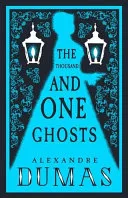
Alexandre Dumas published 'Thousand and One Ghosts' in 1849, a collection framed by his own ghostly encounter.
Alexandre Dumas's 'Thousand and One Ghosts' is not a unified novel, but a series of supernatural tales. The collection begins with Dumas's own account of meeting a disembodied, talking head, a chilling incident that introduces the subsequent stories. These anecdotes are shared by guests at a dinner party. The narratives range widely, covering grim events from the French Revolution, such as the guillotine's activity, to unsettling folklore originating in Eastern Europe. The book touches upon macabre experiences and the darker aspects of human history.
This work will appeal to those who appreciate 19th-century literature that borders on the gothic and the strange. It is especially fitting for readers who enjoy historical fiction mixed with supernatural elements, ghost stories, and reflections on death and its associated folklore. Readers familiar with Dumas's more action oriented books may find this collection to be a more somber and introspective read.
Published in 1849, 'Thousand and One Ghosts' appeared during a period of widespread European fascination with spiritualism and the occult. This era saw a rise in séances, reported ghost sightings, and a general curiosity about the afterlife, partly a response to rapid industrial and societal changes. Dumas, already a well known author, engaged with this cultural moment, weaving popular anxieties and sensational storytelling into his collection.
💡 Why Read This Book?
• Gain insight into 19th-century French attitudes toward death and the supernatural, particularly the lingering anxieties surrounding the French Revolution and its executions, as depicted in the tales of the guillotine. • Explore early literary treatments of Eastern European folklore, including vampire myths, offering a comparative perspective to more modern interpretations of the creature. • Experience Alexandre Dumas's narrative skill applied to ghost stories and the macabre, revealing a facet of his writing beyond historical adventure novels.
⭐ Reader Reviews
Honest opinions from readers who have explored this book.
❓ Frequently Asked Questions
What is the primary framing story of "Thousand and One Ghosts"?
The book opens with Alexandre Dumas witnessing a man confess to decapitating his wife because her severed head spoke to him, leading to a night of ghost story exchanges.
What historical events are referenced in the book?
The collection includes stories referencing the Reign of Terror during the French Revolution, specifically the use of the guillotine.
Are there supernatural creatures other than ghosts in the book?
Yes, the tales extend beyond simple hauntings to include discussions of vampires and other folkloric entities, particularly from the Carpathian regions.
Is this a single, continuous story?
No, "Thousand and One Ghosts" is an anthology of distinct supernatural tales, linked by a common theme of spectral encounters and shared narratives.
Who is the author of "Thousand and One Ghosts"?
The author is Alexandre Dumas, the renowned French writer famous for works like 'The Three Musketeers' and 'The Count of Monte Cristo'.
When was "Thousand and One Ghosts" first published?
The original publication date for "Thousand and One Ghosts" was January 23, 2019, though it draws on earlier material.
🔮 Key Themes & Symbolism
The Lingering Dead
The collection frequently explores the idea that death is not an end but a transition, with the deceased retaining agency or presence. From the talking severed head that initiates the narrative to spectral visitations, the stories posit that the boundary between the living and the dead is permeable. This theme taps into ancient fears and folklore concerning restless spirits and unfinished business, suggesting that the past, once experienced, can never be truly buried.
Guilt and Retribution
Many tales are steeped in the concept of karmic justice or supernatural retribution for earthly transgressions. The horrors witnessed during the Reign of Terror, for instance, are often depicted as having spectral consequences for perpetrators and victims alike. This theme suggests that acts of violence, particularly those sanctioned by the state or committed in moments of passion, can invoke a form of cosmic reckoning, manifesting as hauntings or curses.
Folklore and the Uncanny
Dumas draws upon a rich vein of European folklore, particularly from regions like the Carpathians, to explore the uncanny. Stories of vampires and other monstrous entities serve as archetypes for primal fears and societal anxieties. The collection examines how local legends and superstitions provide frameworks for understanding inexplicable events, blending historical accounts with the pervasive sense of the strange and the unknown.
The Author as Witness
The recurring motif of Alexandre Dumas himself as a character or witness to supernatural events lends a unique meta-fictional layer to the collection. This narrative device blurs the line between personal experience and imagined horror, positioning the author as an intermediary between the reader and the spectral realm. It allows for a more intimate and perhaps more believable presentation of the extraordinary.
💬 Memorable Quotes
Direct passages from the work, attributed to the author.
“A man confessed to decapitating his wife, terrified that her severed head had spoken to him.”
— This shocking premise immediately establishes the collection's tone, presenting a scenario where the ultimate taboo—speaking after death—becomes the catalyst for terror and supernatural inquiry.
“Tales of the guillotine during the Terror.”
— This phrase captures the historical grounding of some stories, linking the political violence of the French Revolution with the supernatural and the macabre.
“Accounts of vampires and fratricide in the Carpathians.”
— This points to the inclusion of regional folklore and darker, more primal fears, expanding the scope of the supernatural beyond simple ghosts to include monstrous figures.
“Dinner guests exchanging stories of death and the supernatural.”
— This framing device highlights the anthology format, where personal anecdotes and shared fears become the conduits for exploring the spectral world.
“The author's own encounter with a grim, talking severed head.”
— This serves as the initiating incident, grounding the fantastical tales in a seemingly personal, albeit extraordinary, experience of the author.
🌙 Esoteric Significance
Tradition
While not strictly adhering to a single esoteric lineage, "Thousand and One Ghosts" speaks to themes found in folk magic and early spiritualism. Its focus on hauntings, spectral communication, and the consequences of violent death aligns with popular beliefs about the persistence of the soul or life force after physical demise. It predates organized Theosophy but shares an interest in non-corporeal existence and the potential for interaction with the spirit world, reflecting a broader cultural milieu where the mystical was gaining renewed attention.
Symbolism
The severed head, a recurring motif, symbolizes consciousness detached from the body, representing a persistent, perhaps vengeful, entity. It embodies the fear of mortality and the uncanny – the familiar made monstrous. The guillotine, beyond its historical context, serves as a symbol of state-sanctioned death and its potentially unending repercussions, suggesting that even organized, rationalized killing can unleash chaotic spectral forces.
Modern Relevance
Contemporary interest in ghost stories, paranormal investigations, and folk horror continues to draw from the wellspring of 19th-century spectral literature. "Thousand and One Ghosts" offers a foundational text for understanding how classic ghost tropes were developed and popularized. Modern practitioners of occult studies might find value in examining Dumas's engagement with folklore and the psychological underpinnings of fear, which remain relevant in contemporary explorations of the supernatural.
👥 Who Should Read This Book
• Readers of 19th-century Gothic literature interested in exploring the supernatural narratives of Alexandre Dumas beyond his adventure novels. • Students of folklore and comparative mythology seeking examples of how vampire and ghost legends were integrated into literary works in the mid-1800s. • Enthusiasts of historical horror who appreciate stories that blend factual events, like the French Revolution's Reign of Terror, with spectral encounters.
📜 Historical Context
Published in 1849, "Thousand and One Ghosts" emerged from the fertile ground of 19th-century France's fascination with spiritualism and the macabre. This era, following the revolutionary upheavals and the rise of industrialization, was ripe for explorations of the supernatural, the afterlife, and the darker aspects of human experience. Alexandre Dumas, already a literary titan known for his swashbuckling romances, here turned his prodigious narrative energy towards ghost stories and folklore. The collection reflects a broader European trend, evident in works by contemporaries like Edgar Allan Poe in America or Sheridan Le Fanu in Ireland, who were also plumbing the depths of Gothic horror and spectral phenomena. Dumas's work tapped into public anxieties surrounding mortality, justice, and the lingering specter of the French Revolution, particularly the Terror. The book's reception likely contributed to the popularization of ghost stories as a distinct literary genre, blending historical events with chilling superstition.
📔 Journal Prompts
The talking severed head as a symbol of unresolved trauma.
Reflections on the supernatural consequences of historical violence, such as the guillotine.
Analyzing the role of folklore in shaping fears of the uncanny in Carpathian tales.
The author's presence as a witness to spectral events.
Personal interpretations of the boundary between the living and the dead in Dumas's narratives.
🗂️ Glossary
Reign of Terror
A period of extreme violence during the French Revolution (1793-1794), characterized by mass executions and political purges, often carried out by the Committee of Public Safety.
Guillotine
A device designed for carrying out executions by beheading, famously used during the French Revolution and associated with swift, impersonal death.
Carpathians
A mountain range in Central and Eastern Europe, often associated in folklore with supernatural creatures, including vampires and witches.
Fratricide
The act of killing one's brother. In the context of folklore, it can carry symbolic weight related to betrayal and deep-seated conflict.
Vampire
A creature from folklore, typically originating in Eastern European legends, believed to subsist by feeding on the blood of the living.
Supernatural
Attributed to some force beyond scientific understanding or the laws of nature; paranormal or preternatural.
Occult
Belief in and practice of magic, the supernatural, and mystical influences, often dealing with hidden or secret knowledge.