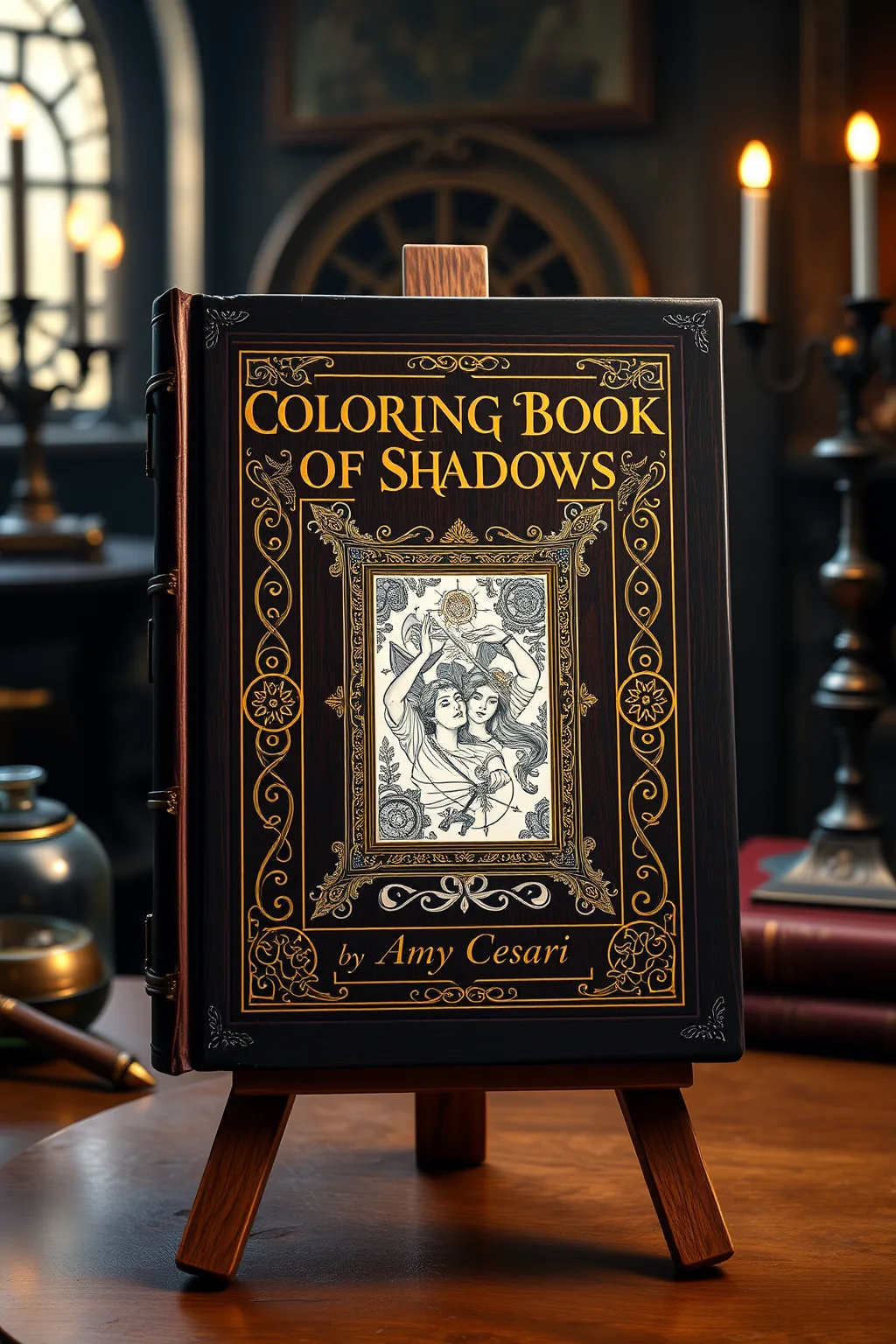
Coloring Book of Shadows
 82
82

Coloring Book of Shadows
Amy Cesari's Coloring Book of Shadows offers a refreshing, hands-on approach to engaging with esoteric symbolism. Its strength lies in its directness; by translating complex ideas into colorable forms, it bypasses much of the dense theoretical language that can alienate newcomers. The visual representation of deities and symbols, such as the intricate depiction of the Triple Goddess, encourages a more intuitive understanding. However, the book's primary limitation is its reliance on the user's pre-existing knowledge or a willingness to research further. A passage depicting the Ogham alphabet, for example, is visually striking but offers minimal context for those unfamiliar with Celtic tree lore. Despite this, the act of coloring itself becomes a meditative practice, fostering a personal connection to the material. It is a valuable tool for creative learners seeking to visualize the unseen.
📝 Description
82
Published in 2016, The Coloring Book of Shadows uses art to connect readers with occult themes.
This volume by Amy Cesari invites engagement with esoteric concepts through visual art. It contains a collection of designs, each tied to specific symbols, deities, or practices from various spiritual traditions. Instead of just reading, users are encouraged to color, draw, and reflect, making the learning process active. The book is aimed at practitioners of witchcraft, paganism, and earth-centered paths, as well as those interested in comparative mythology and symbolic language. It suits individuals seeking a meditative way to connect with archetypal forces and historical figures central to esoteric thought. Those who learn best through visual methods and creative expression will find this approach effective for grasping complex ideas.
Each page offers a chance to visualize and internalize key concepts. For example, coloring an image of a particular goddess might prompt consideration of her associated myths, her domain, and her role in spiritual practice. The book covers deity archetypes, elemental correspondences, planetary influences, and ritual symbolism, allowing for a deeper understanding of these ideas through creative engagement.
The practice of using visual arts for spiritual contemplation has historical precedent, seen in medieval illuminated manuscripts and Eastern mandalas. This book taps into that tradition, updated for a modern audience. It aligns with a mid-20th century and later resurgence of interest in witchcraft and occult studies, which has produced more hands-on materials. This reflects a contemporary spiritual trend that prioritizes personal experience and creative interaction over purely textual study.
💡 Why Read This Book?
• You will learn to visually interpret esoteric symbols and archetypes, moving beyond abstract descriptions, by actively coloring images related to specific deities and practices mentioned in the book. • You can experience a meditative engagement with occult themes, fostering a personal connection to concepts like elemental correspondences and planetary influences, a method distinct from traditional textual study. • You will gain a tactile understanding of historical esoteric motifs, such as those found in ancient pagan traditions, by physically interacting with designs first published in 2016.
⭐ Reader Reviews
Honest opinions from readers who have explored this book.
❓ Frequently Asked Questions
What kind of esoteric traditions does The Coloring Book of Shadows reference?
The book draws from a variety of esoteric traditions, including elements of paganism, witchcraft, and general occult symbolism. It features imagery related to deities, natural cycles, and symbolic alphabets that are common across these paths.
Is this book suitable for absolute beginners in occult studies?
Yes, it is designed to be accessible. While some prior interest is helpful, the coloring format allows beginners to engage with themes visually without needing extensive prior knowledge, making it a gentle introduction.
What is the primary benefit of a coloring book format for esoteric learning?
The primary benefit is the active, meditative engagement it fosters. Coloring allows users to internalize symbols and concepts on a deeper, more intuitive level than passive reading alone, turning study into a personal ritual.
Are the images in the book historically accurate representations?
The images are interpretations designed for artistic and symbolic engagement, rather than strict historical reproductions. They aim to capture the essence and common visual associations of figures and symbols within esoteric traditions.
Does the book include any text or instructions?
While primarily visual, the book typically includes brief captions or thematic introductions to guide the coloring process and provide minimal context for the symbols and figures depicted.
🔮 Key Themes & Symbolism
Deity Archetypes
The book explores various deity archetypes, presenting visual representations that encourage contemplation of their associated myths, domains, and energies. Users can color images of figures like the Triple Goddess or horned gods, reflecting on their significance within pagan and witchcraft traditions. This visual engagement aims to foster a deeper, more intuitive understanding of these powerful symbolic figures beyond mere textual descriptions.
Symbolic Alphabets
Central to the book is the incorporation of symbolic alphabets, such as the Ogham, often associated with Celtic traditions. Each letter is presented as a design to be colored, inviting users to consider its phonetic value, its corresponding tree or plant, and its divinatory meanings. This approach transforms the learning of esoteric scripts into a creative and personal experience.
Elemental & Planetary Correspondences
The coloring pages often feature symbols and motifs linked to the classical elements (Earth, Air, Fire, Water) and planetary energies. By coloring these designs, practitioners are prompted to reflect on how these forces manifest in the natural world and within spiritual practice. This visual exercise helps solidify the understanding of correspondences crucial in many magical systems.
Ritual Implements & Sacred Geometry
Designs may include representations of ritual tools, sacred geometry patterns, or mystical diagrams used in various esoteric practices. Coloring these elements encourages users to consider their function, symbolism, and place within magical workings or meditative practices. It provides a tangible way to connect with the visual language of ritual and arcane knowledge.
💬 Memorable Quotes
Direct passages from the work, attributed to the author.
“Visualizing the Triple Goddess”
— The book encourages coloring imagery associated with the Triple Goddess (Maiden, Mother, Crone), inviting users to contemplate the cyclical nature of life and feminine power inherent in many pagan paths.
“Coloring the Ogham script”
— Engaging with the Ogham alphabet through coloring prompts reflection on the ancient wisdom and nature-based symbolism connected to each letter in Celtic traditions.
“Depiction of elemental symbols”
— The book offers designs representing the four classical elements, facilitating a meditative connection to the fundamental forces that underpin both the natural world and esoteric practices.
“Sacred geometry patterns”
— Users can color intricate sacred geometry, which serves as a visual aid to understanding the underlying order and mathematical harmony present in the universe, a concept explored in various mystical traditions.
“Horned God imagery”
— The presence of imagery related to the Horned God invites contemplation of masculine divine principles, nature's wildness, and fertility within earth-centered spiritualities.
🌙 Esoteric Significance
Tradition
The Coloring Book of Shadows aligns primarily with modern pagan and witchcraft traditions, drawing heavily on archetypal symbolism common in Western esoteric practices. It incorporates imagery related to nature worship, deity figures, and symbolic alphabets found in various neo-pagan paths. While not strictly tied to a single lineage like Hermeticism or Kabbalah, it serves as an accessible entry point for those exploring earth-centered spirituality and its visual language.
Symbolism
Key symbols include representations of the Triple Goddess (Maiden, Mother, Crone), embodying lunar cycles and feminine power, and the Horned God, symbolizing virility, nature, and the wild. Additionally, the book often features elemental symbols (fire, water, air, earth) and sacred geometry patterns, inviting users to meditate on their fundamental roles in creation and magical practice.
Modern Relevance
This work is relevant to contemporary practitioners seeking embodied spiritual practices. It speaks to the growing interest in mindfulness through art and the desire for tangible connections to spiritual concepts. Thinkers and groups focused on creative ritual, ecospirituality, and accessible pagan education often utilize such visual aids to deepen engagement with esoteric themes.
👥 Who Should Read This Book
• Aspiring witches and pagans seeking a visual and meditative introduction to core symbols and deities, offering a creative way to learn beyond traditional texts. • Art therapists and individuals interested in using creative expression for spiritual exploration, providing a structured yet open-ended medium for introspection. • Comparative religion scholars and mythology enthusiasts looking for accessible, hands-on tools to engage with the visual language and archetypes present in various esoteric traditions.
📜 Historical Context
Published in 2016, Amy Cesari's Coloring Book of Shadows emerged during a period of significant popular engagement with witchcraft and esoteric studies, building upon foundations laid by figures like Gerald Gardner in the mid-20th century. This era saw a proliferation of accessible materials aimed at a growing demographic interested in alternative spiritualities, moving beyond the more academic or secretive circles of earlier decades. The book reflects a broader trend in contemporary paganism and occultism that values creative expression and personal connection to tradition. While not directly engaging with, for example, the Theosophical Society's symbolic explorations from the late 19th century, it taps into a similar desire to visualize the unseen. Its reception was within a community already receptive to such hands-on tools, contrasting with the more guarded attitudes towards public occult knowledge in earlier periods.
📔 Journal Prompts
The Triple Goddess imagery and its connection to personal cycles.
Reflecting on the elemental symbols and their presence in your environment.
The Ogham symbols and their potential meanings for your path.
Visualizing planetary correspondences through color choices.
Sacred geometry patterns as a focus for meditation.
🗂️ Glossary
Triple Goddess
A deity archetype often depicted in three forms: Maiden, Mother, and Crone, representing the cycles of waxing and waning, birth, life, and death, common in neo-pagan and witchcraft traditions.
Horned God
A masculine deity archetype associated with nature, fertility, virility, and the wild, often depicted with horns. He is frequently seen as a counterpart to the Triple Goddess in some pagan paths.
Ogham
An ancient Celtic alphabet, traditionally associated with trees and divination. Each letter has a name, phonetic value, and symbolic meaning tied to nature and spiritual concepts.
Elemental Correspondences
The association of specific symbols, colors, tools, or energies with the four classical elements: Earth, Air, Fire, and Water, fundamental in many magical and ritual systems.
Sacred Geometry
The study of geometric shapes and patterns believed to hold universal symbolic meaning and represent the underlying order and harmony of the cosmos.
Archetype
A universal, symbolic model or pattern of behavior, character, or image that recurs across cultures and time, representing fundamental aspects of the human psyche or divine principles.
Paganism
A broad term encompassing various polytheistic, earth-centered, and nature-based spiritual traditions that often predate or exist outside of the Abrahamic religions.
🔮 Readers Also Liked
Browse all →









More by Amy Cesari
All books →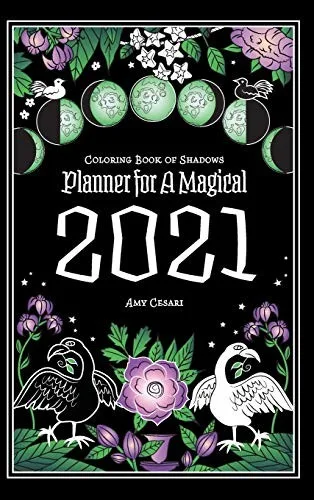

More Free Spiritual Development Books
View all →